Pork Essence
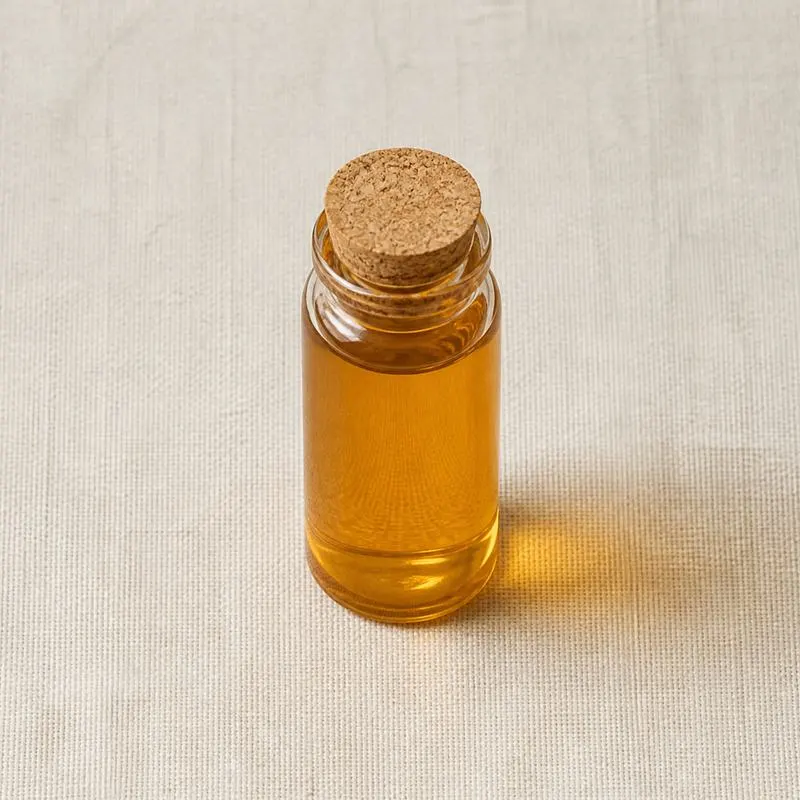
Pork essence is a savoury reaction flavour that reproduces the aroma and taste of cooked pork. It is manufactured by cooking hydrolysed protein, reducing sugars, sulphur bearing amino acids and rendered pork fat under controlled conditions, then compounding the resulting reaction mass with top note aroma chemicals, so it is a formulated product rather than a simple extract.
The chemistry divides in two. The meaty backbone shared by all cooked meats comes from the Maillard reaction between cysteine and reducing sugars, which generates furanthiols such as 2-methyl-3-furanthiol and the disulphides derived from them, together with thiophenes, thiazoles and pyrazines. The species identity, what makes the result taste like pork rather than beef or chicken, comes largely from the fat, since the fatty acid composition of pork lipid gives a distinctive set of aldehydes, lactones and ketones on heating.
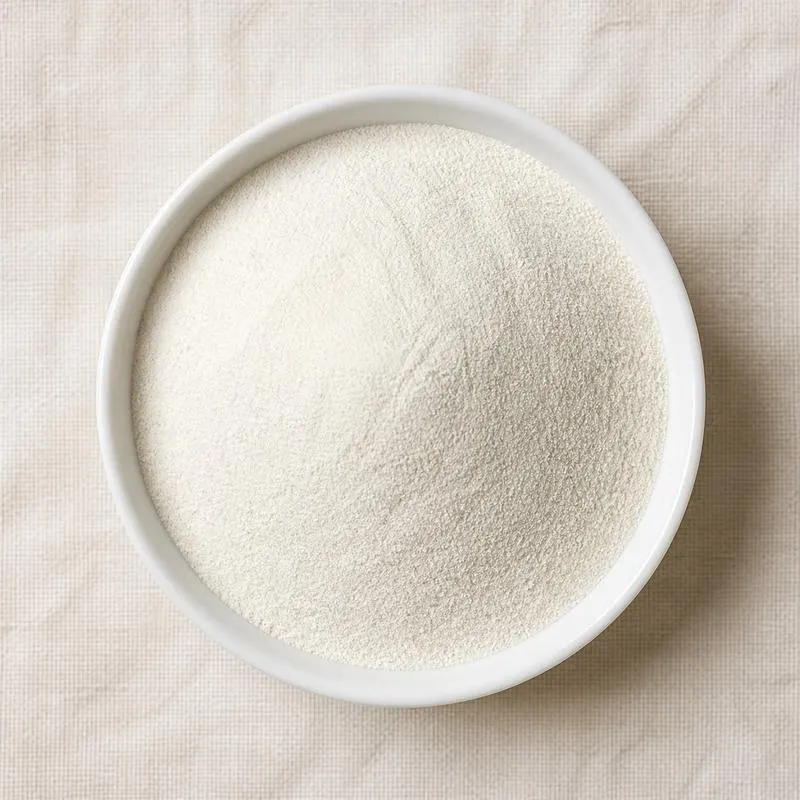
Trade material is a paste, a liquid in oil or water, or a spray dried powder on a maltodextrin or salt carrier. Paste and powder disperse in hot water, the oil form is fat soluble, and all forms lose top notes under prolonged boiling, so dosing point in the process is specified as carefully as dose rate.
We source bulk Pork Essence from top China manufacturers for our partners. The manufacturer is in Shandong. A smaller requirement can ship in a combined container with other ingredients.
Please send the grade you need, the volume and your destination port, and we will come back with a solution and a price.
or call +86-21-6858 0751
- Function
- Flavours and Aromas
Specifications
| Item | Specification |
|---|---|
| Appearance | Homogeneous paste or free flowing powder according to grade |
| Colour | Light brown to brown |
| Odour and flavour | Characteristic cooked pork, true to reference sample |
| Moisture, powder grade | 5.0 percent maximum |
| Sodium chloride | Declared per formula, tolerance plus or minus 2 percent |
| Fat content | Declared per formula, tolerance plus or minus 2 percent |
| Particle size, powder grade | 95 percent through 40 mesh |
| pH of 1 percent solution | 5.0 to 7.0 |
| Peroxide value of extracted fat | 5.0 meq/kg maximum |
| Lead | 1.0 mg/kg maximum |
| Arsenic | 0.5 mg/kg maximum |
| Total plate count | 10,000 cfu/g maximum |
| Yeast and mould | 100 cfu/g maximum |
| E. coli | Absent in 1 g |
| Salmonella | Absent in 25 g |
Common Markets Grades
The first split is physical form. Paste carries the highest reaction flavour content and gives the fullest cooked character, powder is convenient for dry seasoning sachets and instant products but sacrifices some volatility, and liquid grades are made water soluble for brines and sauces or oil soluble for fat phases and fried applications.
Within each form the profiles are distinct products: boiled or stewed pork, roast pork, braised pork, fried pork and bacon type smoked profiles are each built with different reaction conditions and different top note packages. Strength is expressed as a recommended dose rate on the finished food. Grades made with genuine pork extract and pork fat are separated from grades built on vegetable protein hydrolysate and aroma chemicals alone. The second type is used where an animal free declaration is required. Clean label grades avoid monosodium glutamate and rely on yeast extract instead.
Applications
- Instant noodle seasoning sachets and dried soup bases in the pork varieties
- Bouillon cubes, stock powders and paste concentrates
- Sausage, ham and reformed meat products, to standardise flavour across variable raw material
- Frozen dumpling and bun fillings, one of the largest outlets in the Chinese market
- Sauces, gravies and braising liquors in industrial manufacture
- Retorted soups and ready meals, dosed to replace aroma lost to sterilisation
- Savoury snacks and extruded products with a meat flavour claim
- Plant based meat analogues aiming at a pork profile
- Pet food palatants where a pork aroma is specified
- Fillings for savoury bakery goods and pastries
China Manufacturers of Pork Essence
Top Pork Essence manufacturers in China.

Company names and logos are the property of the manufacturers themselves. They are listed here because our own directory records them as producing this ingredient. A listing is not an endorsement by them, and we do not represent them or speak on their behalf.
Regulatory Status
In the United States a reaction flavour of this type is a compounded flavouring made from food ingredients. Its components rely on FEMA GRAS status, on the synthetic flavouring substances listed at 21 CFR 172.515 and on natural extractives at 21 CFR 182.20, and the finished product is declared as natural flavour or artificial flavour according to what was used. Where genuine pork extract or pork fat is a component, the material falls within the scope of meat inspection requirements and the source must be named. Hydrolysed protein, yeast extract and monosodium glutamate are declared as ingredients in their own right.
In the European Union the product is a thermal process flavouring under Regulation (EC) No 1334/2008, which sets out the conditions the heating step must satisfy, limits certain reaction by-products and requires any discrete flavouring substances added at compounding to appear on the Union list. Flavourings are not assigned E numbers, while flavour enhancers in the formula carry their own. Pork derived raw material is subject to the animal products hygiene and import control framework. The Joint FAO and WHO Expert Committee on Food Additives has evaluated the sulphur substituted furan and thiophene flavouring groups central to this category.
Manufacturing Process
The reaction stage sets the character. Hydrolysed vegetable protein or an enzymatically hydrolysed pork protein supplies the free amino acids, and this is charged to a jacketed pressure reactor with a reducing sugar such as xylose or glucose, cysteine or thiamine as the sulphur donor, and rendered pork fat or a pork fat hydrolysate that carries the species specific lipid precursors. The pH is adjusted and the batch is cooked under pressure, usually in the range of 100 to 130 degrees Celsius, for a defined time. Temperature, time and pH are the three variables that decide whether the result comes out boiled, braised or roasted, and holding the batch beyond the endpoint pushes it toward burnt notes.
The cooked mass is cooled rapidly to stop the reaction, then compounded at low temperature with volatile top note aroma chemicals, salt, monosodium glutamate, nucleotides and any further extract the formula requires. Paste grades are homogenised or colloid milled and filled warm. Powder grades are emulsified with maltodextrin and modified starch, homogenised at high pressure and spray dried in a co-current tower, or vacuum dried and milled. Every batch is cleared by a trained sensory panel against a retained reference before being packed under nitrogen.