Potassium Deoxyribonucleic Acid
Potassium deoxyribonucleic acid is the potassium salt of native double stranded DNA, a polyanionic biopolymer whose phosphate backbone is neutralised with potassium counter ions rather than with the sodium ions more commonly encountered. Commercial material is extracted from fish milt, principally salmon, trout or herring soft roe, which is the richest and cheapest source of intact nuclear DNA.
The polymer is a linear chain of deoxyribonucleotides carrying the four bases adenine, thymine, guanine and cytosine, held as a duplex by base pairing. Chain length is the specification that matters commercially and is controlled by the extraction route, ranging from high molecular weight material of several million daltons to deliberately fragmented low molecular weight grades in the tens of kilodaltons. In nutraceutical and cosmetic use the material functions as a source of nucleotides and as a film forming, water binding polymer rather than as a nutrient in the conventional sense.
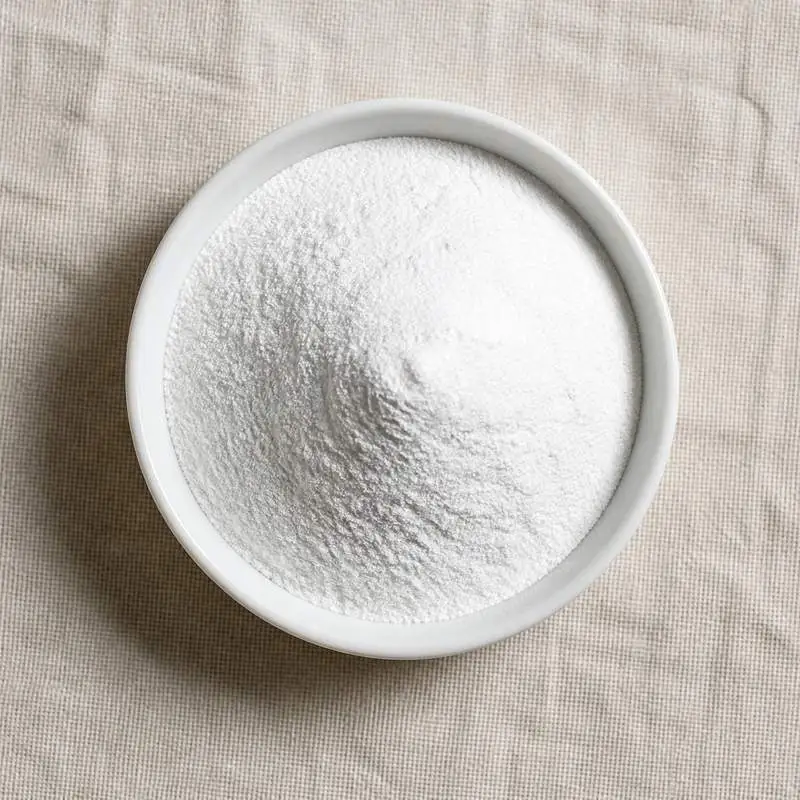
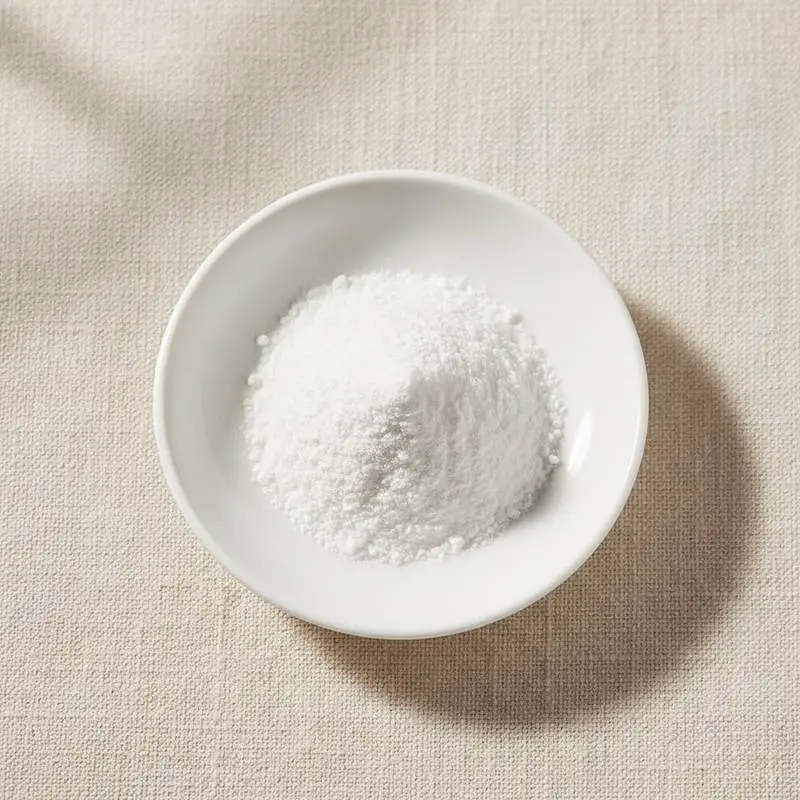
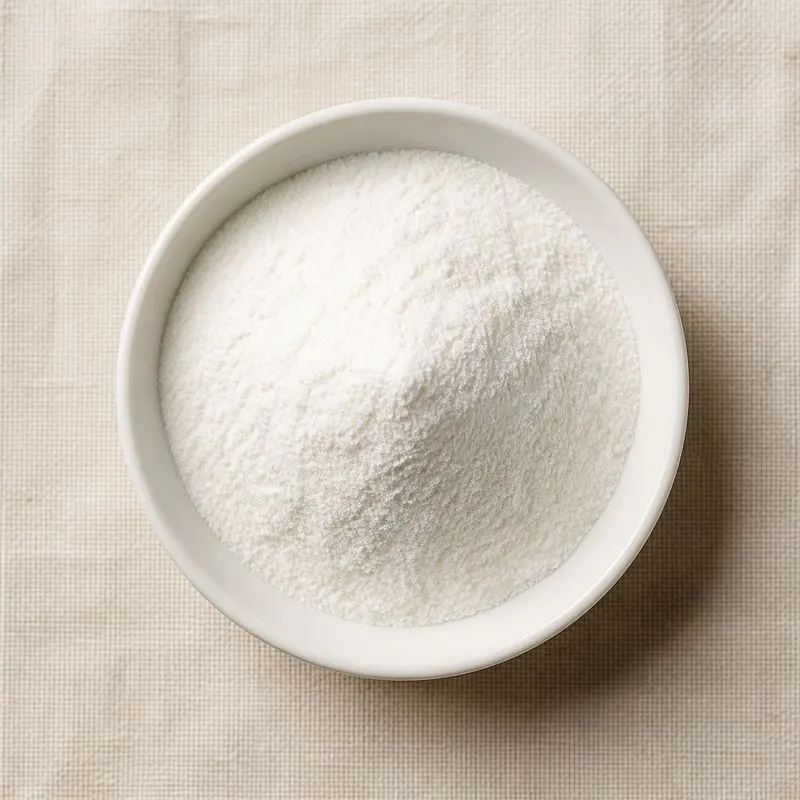
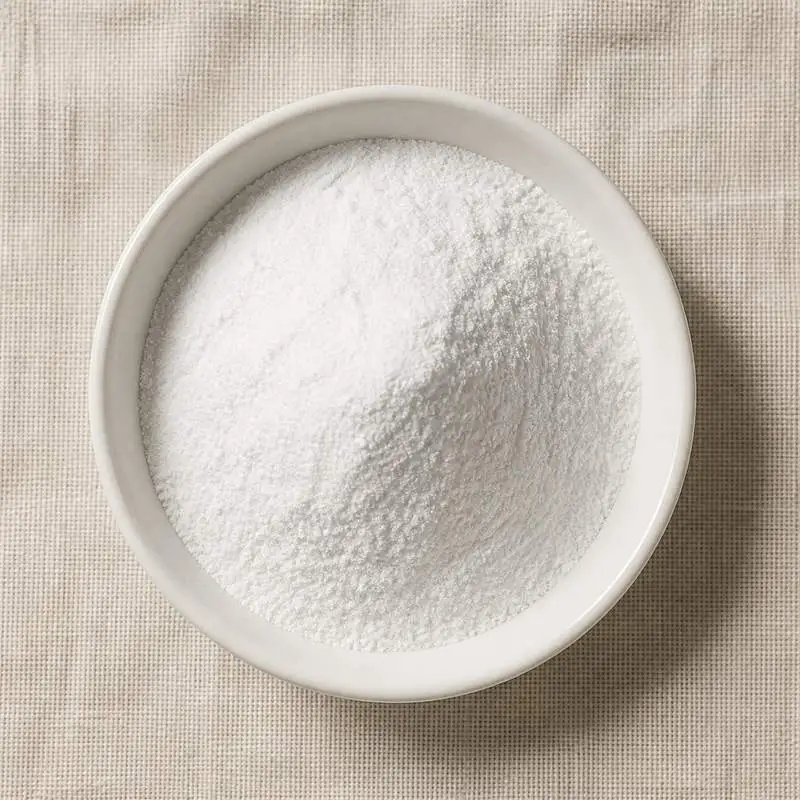
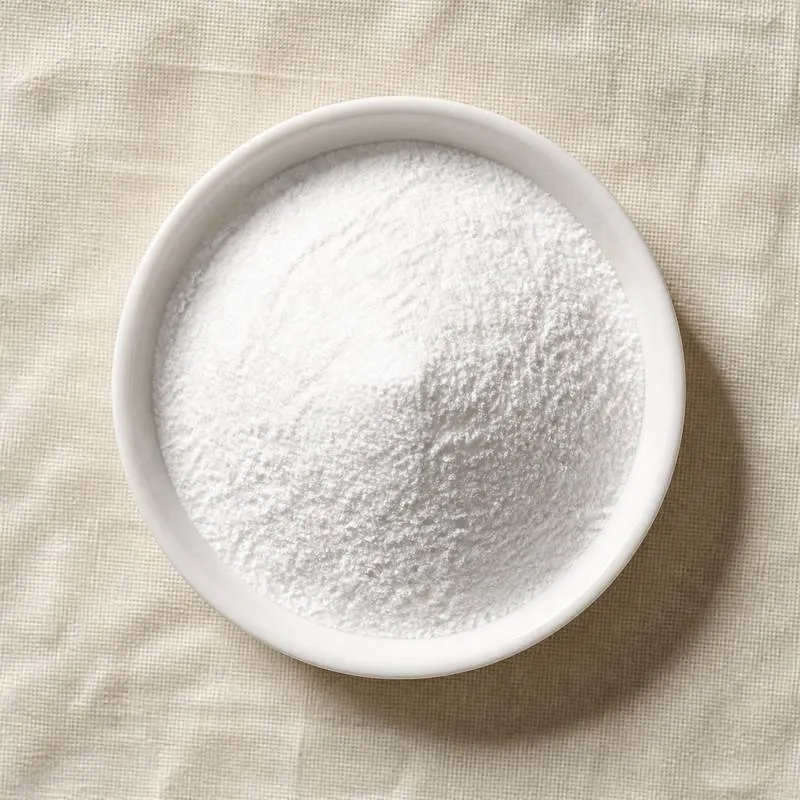
It is a white to pale cream fibrous powder or short flakes, odourless or faintly marine. It is soluble in water, dissolving slowly to a viscous, distinctly stringy solution, and is insoluble in ethanol and other organic solvents, which is the basis of its purification. Solutions are stable near neutral pH but the duplex denatures on heating above roughly 80 degrees Celsius and the backbone hydrolyses under acid conditions, so the material is processed cold and stored dry and cool.
We source bulk Potassium Deoxyribonucleic Acid from top China manufacturers for our partners. A smaller requirement can ship in a combined container with other ingredients.
Please send the grade you need, the volume and your destination port, and we will come back with a solution and a price.
or call +86-21-6858 0751
- Function
- Nutraceutical
Specifications
| Item | Specification |
|---|---|
| Appearance | White to pale cream fibrous powder or flakes |
| Odour | Odourless to faintly marine |
| Identification | Ultraviolet maximum at 258 to 262 nm, positive diphenylamine reaction |
| DNA content, dry basis | 85.0 percent minimum |
| Absorbance ratio A260 to A280 | 1.7 to 2.0 |
| Potassium | 5.0 to 9.0 percent |
| Protein | 2.0 percent maximum |
| RNA | 1.0 percent maximum |
| pH, 1 percent aqueous solution | 6.0 to 8.0 |
| Loss on drying | 10.0 percent maximum |
| Residue on ignition | 15.0 percent maximum |
| Lead | 1.0 mg/kg maximum |
| Arsenic | 1.0 mg/kg maximum |
| Mercury | 0.5 mg/kg maximum |
| Residual ethanol | 0.5 percent maximum |
| Total plate count | 1,000 cfu/g maximum |
| Yeast and mould | 100 cfu/g maximum |
| Escherichia coli | Absent in 1 g |
| Salmonella | Absent in 25 g |
Common Markets Grades
Grades are set by three attributes: purity, molecular weight and salt form. Purity is expressed as DNA content on a dry basis, commonly 80 to 90 percent for standard grades and above 95 percent for high purity material, with residual protein controlled by the ultraviolet absorbance ratio at 260 and 280 nanometres and residual RNA controlled by assay.
Molecular weight defines the application. High molecular weight native DNA is specified where viscosity and film forming are wanted; low molecular weight and oligonucleotide grades, produced by controlled enzymatic or physical fragmentation, are specified where solubility and absorption matter. A polydeoxyribonucleotide grade of defined fragment range is traded separately for medical device and injectable use and carries a pharmaceutical rather than a food specification.
The salt form itself is a grade distinction: sodium DNA is the volume product, and potassium DNA is specified where a sodium free label or a potassium counter ion is required by the formulation. Cosmetic grade material is sold against colour and solution clarity criteria, while food and supplement grade adds microbiological and heavy metal limits and a documented fish species declaration for allergen labelling.
Applications
- Nucleotide supplements and nutritional powders, where DNA is dosed as a dietary source of purine and pyrimidine nucleotides
- Skin care serums and creams, where the polymer forms a hydrating film and is marketed for moisture retention
- Sheet masks and hydrogel patches, where high molecular weight material contributes viscosity and substantivity
- Salmon milt extract complexes, where DNA is combined with protamine and peptides in a single supplement ingredient
- Polydeoxyribonucleotide preparations for regenerative medicine and dermal device applications, using pharmaceutical grade fragments
- Culture media and biotechnology reagents, where salmon DNA is used as a blocking and carrier nucleic acid
- Functional beverages and jellies in East Asian markets, where low molecular weight grades are used because they dissolve without building viscosity
- Analytical and molecular biology use, where characterised native DNA serves as a substrate and reference material
China Manufacturers of Potassium Deoxyribonucleic Acid
Top Potassium Deoxyribonucleic Acid manufacturers in China.

Company names and logos are the property of the manufacturers themselves. They are listed here because our own directory records them as producing this ingredient. A listing is not an endorsement by them, and we do not represent them or speak on their behalf.
Regulatory Status
In the United States DNA salts have no food additive regulation of their own. Nucleic acid preparations are used in dietary supplements as dietary ingredients under the Dietary Supplement Health and Education Act, with a new dietary ingredient notification expected where a pre-1994 marketing history cannot be shown, and manufacture falls under current good manufacturing practice at 21 CFR Part 111. Use in conventional food would require an independent GRAS conclusion for the stated conditions of use. Because the source is fish milt, finished products must declare fish as a major food allergen under the Food Allergen Labelling and Consumer Protection Act, and the species must be identified. Cosmetic use is regulated separately, with the ingredient listed under its International Nomenclature Cosmetic Ingredient name.
In the European Union isolated DNA salts have no established history of significant consumption before May 1997 and therefore fall within the scope of the Novel Food Regulation, Regulation (EU) 2015/2283, requiring authorisation and entry on the Union list before food or food supplement use. Fish derived material is subject to the fish allergen declaration required by the Food Information to Consumers Regulation, and to the hygiene rules for fishery products and their by products, which govern the collection and handling of milt intended for human consumption. Cosmetic use falls under Regulation (EC) No 1223/2009 rather than food law. Codex Alimentarius has no standard covering nucleic acid preparations and JECFA has not evaluated them; the applicable international references are the general standard for contaminants and the codes of hygienic practice for fish and fishery products.
Manufacturing Process
Production begins with frozen fish milt, collected as a by product of salmon or herring processing during the spawning season and held frozen until it reaches the plant. The milt is thawed, washed and homogenised in cold buffer, then the cells are lysed with a surfactant such as sodium dodecyl sulphate together with a chelating agent that inhibits nucleases. Everything up to precipitation is run cold, because endogenous DNase activity will shear the polymer if the lysate warms.
Protein is then removed. Historically this was done by solvent partition, but industrial lines now use protease digestion followed by salt precipitation, in which a high concentration of potassium or sodium chloride precipitates the protein and cell debris for removal by centrifugation or filtration. The clarified lysate is treated with ribonuclease to degrade RNA, and the remaining protein is stripped by further filtration and by activated carbon or adsorbent treatment.
DNA is recovered by alcohol precipitation: two volumes of chilled ethanol are added to the salt bearing lysate and the DNA comes out of solution as a fibrous mass that can be spooled or centrifuged off. The precipitate is redissolved in dilute potassium salt solution, and the precipitation is repeated to raise purity. Counter ion exchange to the potassium form is carried out at this stage by dissolving and reprecipitating in the presence of potassium chloride, or by ion exchange chromatography. The washed fibrous solid is dewatered with graded ethanol, dried under vacuum or by lyophilisation at low temperature to preserve the duplex, then milled gently, sieved and packed under a moisture barrier.