Salmon Milt Extract
Salmon milt extract is the preparation obtained from the soft roe, or milt, of male salmon of the genus Oncorhynchus and of Salmo salar, harvested as a by product of the roe and fillet trade during the spawning run. Milt is the reproductive tissue that carries the sperm, and its cells are unusual in that the nucleus makes up most of the cell volume, which makes the tissue the richest practical source of nuclear material in the food chain.
Two components define the extract. Deoxyribonucleic acid, present as the sodium or potassium salt of the polymer, accounts for a large part of the dry weight and is the marker on which most grades are specified. Protamine, a small arginine rich basic protein that packages the DNA in place of the histones found in somatic cells, is the second, and is itself traded separately as a natural antimicrobial preservative. The extract also carries free nucleotides, phospholipids, and residual peptides from the sperm cell membrane.
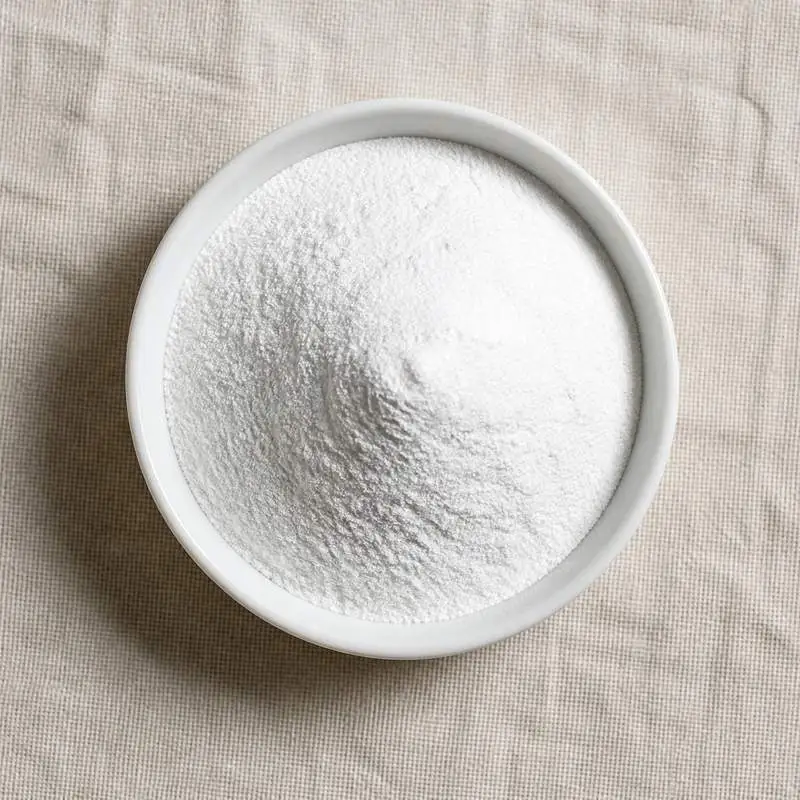
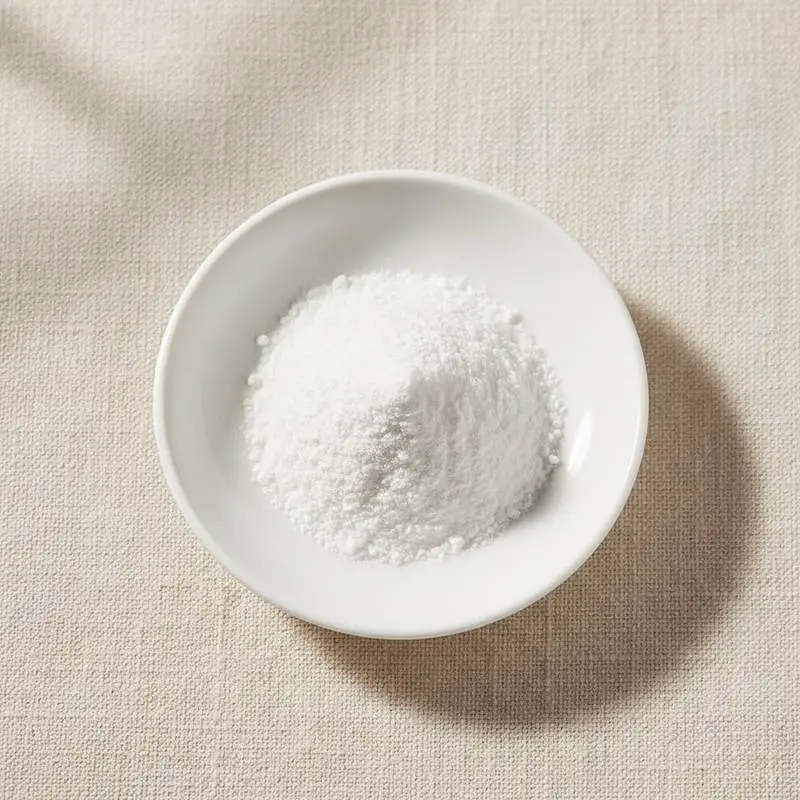
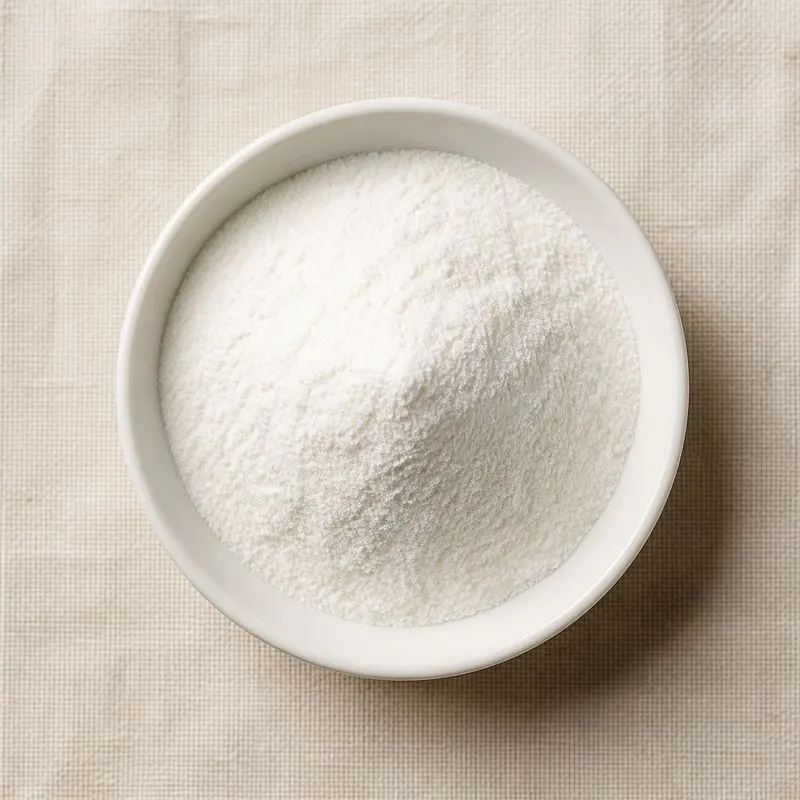
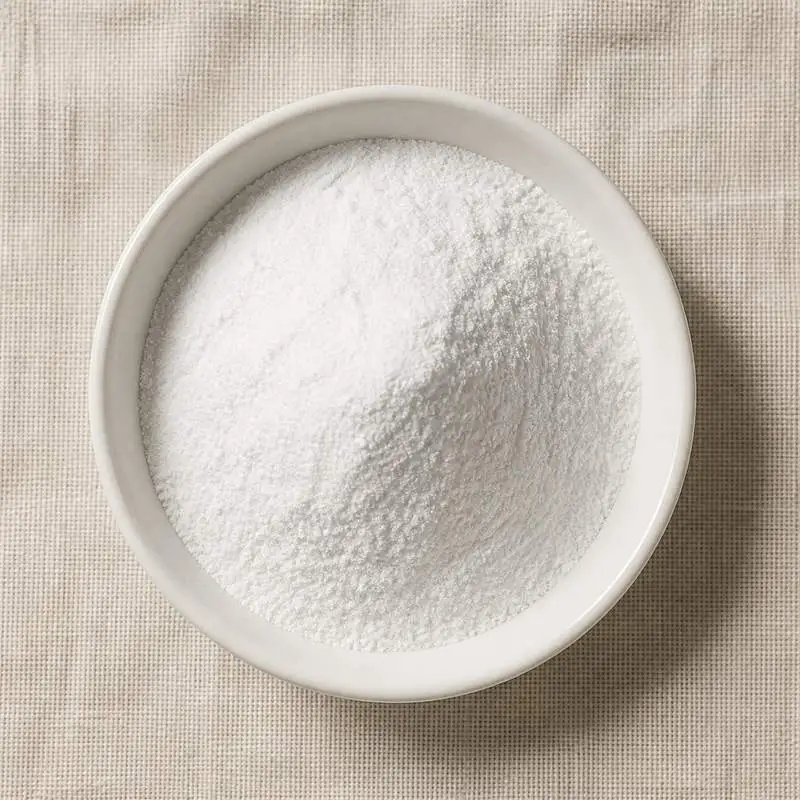
Material comes as a white to pale cream powder, faintly marine in odour, or as a fibrous DNA rich solid. Solubility depends on the grade: high molecular weight DNA dissolves slowly to a viscous, stringy solution, while low molecular weight and hydrolysed grades dissolve readily and without viscosity. Solutions are stable near neutral pH but the DNA duplex denatures above about 80 degrees Celsius and the backbone hydrolyses under acid conditions, so the material is processed cold and stored dry and cool.
We source bulk Salmon Milt Extract from top China manufacturers for our partners. The manufacturer is in Shandong. A smaller requirement can ship in a combined container with other ingredients.
Please send the grade you need, the volume and your destination port, and we will come back with a solution and a price.
or call +86-21-6858 0751
- Function
- Nutraceutical
Specifications
| Item | Specification |
|---|---|
| Appearance | White to pale cream fibrous powder |
| Odour | Odourless to faintly marine |
| Identification | Ultraviolet maximum at 258 to 262 nm, positive diphenylamine reaction |
| DNA content, dry basis | 80.0 percent minimum |
| Absorbance ratio A260 to A280 | 1.7 to 2.0 |
| Protein | 3.0 percent maximum |
| RNA | 1.0 percent maximum |
| pH, 1 percent aqueous solution | 6.0 to 8.0 |
| Loss on drying | 10.0 percent maximum |
| Residue on ignition | 15.0 percent maximum |
| Residual ethanol | 0.5 percent maximum |
| Mercury | 0.5 mg/kg maximum |
| Lead | 1.0 mg/kg maximum |
| Arsenic | 1.0 mg/kg maximum |
| Total plate count | 1,000 cfu/g maximum |
| Yeast and mould | 100 cfu/g maximum |
| Escherichia coli | Absent in 1 g |
| Salmonella | Absent in 25 g |
Common Markets Grades
Grades are set by which component is being sold. DNA grades are specified by DNA content on the dry basis, commonly 80 to 95 percent, by the ultraviolet absorbance ratio at 260 and 280 nanometres, which controls residual protein, and by molecular weight, running from high molecular weight native DNA down to deliberately fragmented low molecular weight and oligonucleotide grades. Sodium DNA is the volume product; the potassium salt is specified where a sodium free declaration is required.
Protamine grades are traded on protamine content, usually as protamine sulphate or as the free base, and are specified on nitrogen content and on antimicrobial activity rather than on molecular weight. Combined or whole milt extract grades, in which DNA, protamine and peptides are all retained, are sold to the supplement trade at a lower price and are specified on total nucleic acid and crude protein.
Beyond composition, buyers specify the fish species, since the species declaration drives allergen labelling and origin claims, and the processing route, since cold processed grades retain higher molecular weight material than those taken through a heat step. Food, supplement, cosmetic and pharmaceutical grades differ in their microbiological and endotoxin limits rather than in the substance itself, with polydeoxyribonucleotide preparations for medical device use carrying a pharmaceutical specification and a defined fragment range.
Applications
- Nucleotide and nucleic acid supplements, where the extract is dosed as a dietary source of purines and pyrimidines
- Skin care serums, creams and masks, where DNA acts as a hydrating film former and the extract is marketed on skin renewal positioning
- Protamine production, where the basic protein fraction is isolated for use as a natural preservative in cooked rice, noodles, surimi and bakery products
- Polydeoxyribonucleotide preparations for dermal and regenerative medical device applications
- Functional beverages and jellies in East Asian markets, using low molecular weight grades that dissolve without building viscosity
- Sports and recovery formulations, combined with peptides and amino acids on a cell repair positioning
- Culture media and biotechnology reagents, where salmon DNA is used as a blocking and carrier nucleic acid
- Hair and scalp care products, where the extract is used for conditioning and film forming
- Analytical and molecular biology reference use, where characterised native DNA serves as a substrate
Brands Using Salmon Milt Extract
Widely-distributed consumer products that list Salmon Milt Extract on the ingredient label.
- FordaysNatural DN Collagen Nucleic Acid Drink ↗A 720 ml nucleic acid drink whose ingredient list names DNA-containing salmon milt extract alongside pig collagen peptide and RNA-containing yeast extract.Label verified 2026-08-31
- FordaysFordays no Kiwami Nucleic Acid Drink ↗A 720 ml nucleic acid drink listing DNA-containing salmon milt extract as its fourth ingredient, together with salmon ovary membrane extract and salmon nasal cartilage extract.Label verified 2026-08-31
- OrinasKakusan 1000 Premium ↗A 240 tablet nucleic acid supplement whose ingredient list opens with salmon milt extract containing DNA and nucleoprotein.Label verified 2026-08-31
- Mainichi GenkiSanriku no Umi no Megumi Nounai Kakusan ↗A 248 tablet nucleic acid supplement whose ingredient list begins with salmon and herring milt extract stated to contain deoxyribonucleic acid and protamine.Label verified 2026-08-31
Brand names, product names and logos are the property of their owners. They appear here as published evidence that the ingredient is used, taken from the brand's own label or website. Their appearance is not an endorsement, and it does not mean the brand buys from us or from any manufacturer listed on this site.
China Manufacturers of Salmon Milt Extract
Top Salmon Milt Extract manufacturers in China.

Company names and logos are the property of the manufacturers themselves. They are listed here because our own directory records them as producing this ingredient. A listing is not an endorsement by them, and we do not represent them or speak on their behalf.
Regulatory Status
In the United States salmon milt derived preparations are used as dietary ingredients under the Dietary Supplement Health and Education Act, with manufacture subject to current good manufacturing practice at 21 CFR Part 111 and a new dietary ingredient notification expected where a pre-1994 marketing history cannot be shown. There is no food additive regulation covering DNA preparations, so use in conventional food requires an independent GRAS conclusion for the specified conditions of use. Protamine is treated separately: protamine sulphate is a long established substance with its own uses, and protamine preparations used as antimicrobials in food have been the subject of GRAS notifications submitted to the FDA. Because the source is fish, finished products must declare fish as a major food allergen with the species identified, and processing falls under the seafood hazard analysis and critical control point regulation at 21 CFR Part 123. Cosmetic use is regulated separately under the cosmetic provisions of the Act.
In the European Union isolated nucleic acid preparations have no established history of significant consumption before May 1997 and fall within the scope of the Novel Food Regulation, Regulation (EU) 2015/2283, requiring authorisation and entry on the Union list before food or food supplement use. Fish derived material must carry the fish allergen declaration required by the Food Information to Consumers Regulation, and the hygiene rules for fishery products in Regulation (EC) No 853/2004 cover the collection and handling of milt intended for human consumption. Where protamine is used as a preservative in food it falls within the food additive framework of Regulation (EC) No 1333/2008 and would require authorisation for that function. Cosmetic use falls under Regulation (EC) No 1223/2009. Codex Alimentarius has no standard covering nucleic acid preparations; the applicable references are its general standard for contaminants and its code of practice for fish and fishery products.
Manufacturing Process
Milt is collected during the spawning season from male fish processed for roe and fillet, and is frozen immediately, because the tissue is rich in its own nucleases and proteases that begin degrading the DNA within hours at ambient temperature. Frozen milt reaches the plant, is thawed under refrigeration, washed to remove blood and slime, and homogenised in cold buffer containing a chelating agent that suppresses nuclease activity.
The cells are then lysed with a surfactant such as sodium dodecyl sulphate, which disrupts the membranes and dissociates the protamine from the DNA. Raising the ionic strength with sodium or potassium chloride completes the dissociation, since the protamine binding is electrostatic. At this point the two products separate: the protamine, which is soluble and basic, stays in solution or is captured on cation exchange resin, while the DNA remains in the high salt liquor as a polyanion.
The lysate is clarified by centrifugation and filtration to remove cell debris and coagulated protein, and residual protein is stripped by protease digestion followed by further filtration and by carbon or adsorbent treatment. Ribonuclease is added to degrade RNA. DNA is then precipitated by adding two volumes of chilled ethanol, coming out as a fibrous mass that is spooled or centrifuged off, redissolved in dilute salt solution, and reprecipitated to raise purity. Where a low molecular weight grade is required, the DNA is fragmented at this stage by controlled enzymatic digestion, sonication or shear before the final precipitation.
The washed fibrous solid is dewatered with graded ethanol and dried by vacuum drying or freeze drying at low temperature, then milled gently, sieved and packed under a moisture barrier. The protamine stream is eluted from the resin, desalted, converted to the sulphate salt and spray dried or freeze dried as a separate product.