Punicalagin
Punicalagin (CAS 65995-63-3) is a large ellagitannin and the dominant polyphenol of pomegranate (Punica granatum) peel.
It has the formula C₄₈H₂₈O₃₀ and a molar mass of 1084.7 g/mol, making it one of the largest known natural antioxidants. The compound exists as two anomers, α-punicalagin and β-punicalagin, that interconvert in solution.
We source bulk Punicalagin from top China manufacturers for our partners. The manufacturer is in Shaanxi. For this ingredient the minimum order is 50 kg, and a smaller requirement can ship in a combined container with other ingredients.
Please send the grade you need, the volume and your destination port, and we will come back with a solution and a price.
or call +86-21-6858 0751
- Minimum order
- 50 kg
- Packaging
- 25 kg kraft paper bag with PE inner liner
- Function
- Nutraceutical
- ISO 9001
- HACCP
- Halal
- Kosher
Specifications
| Item | Specification |
|---|---|
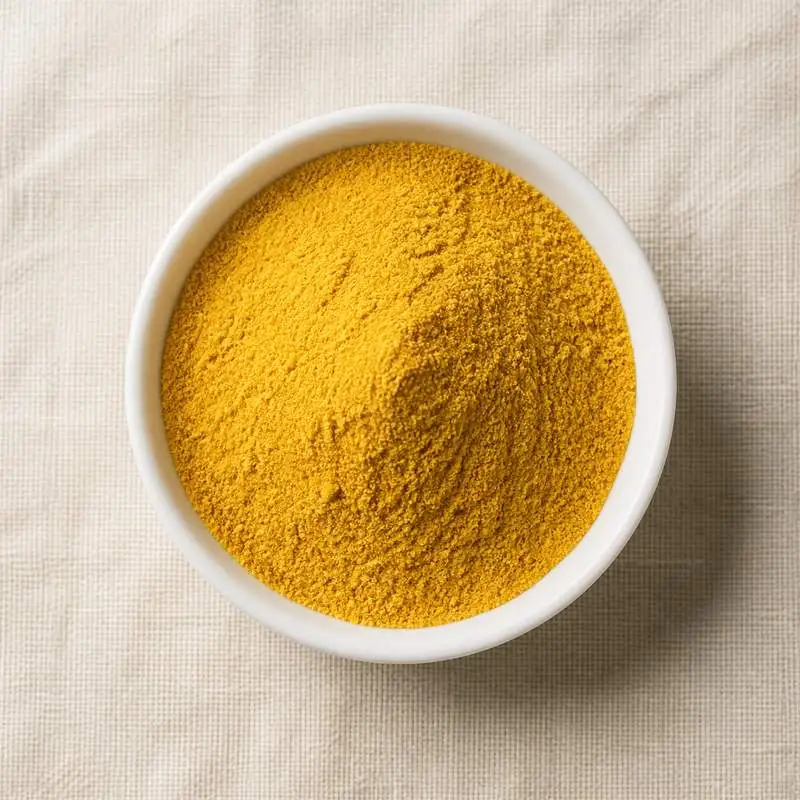
| Appearance | Light brown to reddish-brown fine powder |
| Punicalagins (α + β, HPLC) | ≥ 40.0% |
| Ellagic Acid (HPLC) | ≥ 5.0% |
| Total Polyphenols (as gallic acid) | ≥ 70.0% |
| Loss on Drying | ≤ 5.0% |
| Sulphated Ash | ≤ 5.0% |
| Particle Size | 95% through 80 mesh |
| Solvent Residue (ethanol) | ≤ 0.5% |
| Pesticide Residues | Conforms |
| Heavy Metals (as Pb) | ≤ 10 mg/kg |
| Lead (as Pb) | ≤ 3 mg/kg |
| Arsenic (as As) | ≤ 2 mg/kg |
| Total Plate Count | ≤ 10,000 CFU/g |
| Yeast and Mould | ≤ 100 CFU/g |
| Salmonella | Negative/25g |
Common Markets Grades
Punicalagin material is graded by the sum of the α and β anomers measured by HPLC.
Standardised pomegranate peel extracts at 30, 40, and 50 percent punicalagins (sum of α and β) are the standard grades for supplements and functional foods.
Higher-concentration material at 70 to 90 percent is produced for capsule formulations and clinical trial product. Reference and research-grade isolates at 95 percent or higher are also available, typically separated as the β anomer.
Many commercial products co-declare punicalin and ellagic acid content, since these are the principal hydrolysis and metabolic products of punicalagin.
Applications
- Antioxidant capsules and tablets positioned around pomegranate polyphenol content
- Cardiovascular and endothelial-support supplements
- Joint comfort blends combined with collagen peptides and curcumin
- Beauty-from-within nutricosmetic capsules for skin elasticity claims
- Functional juices and shots fortified with pomegranate polyphenols
- Sports recovery powders targeting exercise-induced inflammation
- Topical serums and creams in dermocosmetic ranges
- Sunscreen and after-sun products as a secondary antioxidant
- Oral-care lozenges and toothpastes drawing on antibacterial positioning
- Urinary-tract support formulas combined with cranberry extract
- Pet food and supplements for senior dogs and cats
- Research reference for urolithin biosynthesis studies
Brands Using Punicalagin
Widely-distributed consumer products that list Punicalagin on the ingredient label.
- POM WonderfulPOMx Pomegranate Extract Capsules (1000 mg) ↗POMx is POM Wonderful's pomegranate polyphenol extract concentrating ellagitannins including punicalagins (punicalagin A/B) and ellagic acid; 1000 mg capsule equated to an 8 oz glass of POM juice.Label verified 2026-05-24
- Life ExtensionEndothelial Defense Pomegranate Plus ↗Life Extension Endothelial Defense Pomegranate Plus contains POMELLA pomegranate fruit extract standardised to 30% punicalagins.Label verified 2026-05-24
- ProHealthFull Spectrum Pomegranate 60 Capsules ↗ProHealth Full Spectrum Pomegranate capsules deliver pomegranate fruit extract providing punicalagins (alpha + beta) and ellagic acid.Label verified 2026-05-24
Brand names, product names and logos are the property of their owners. They appear here as published evidence that the ingredient is used, taken from the brand's own label or website. Their appearance is not an endorsement, and it does not mean the brand buys from us or from any manufacturer listed on this site.
China Manufacturers of Punicalagin
Top Punicalagin manufacturers in China.
Company names and logos are the property of the manufacturers themselves. They are listed here because our own directory records them as producing this ingredient. A listing is not an endorsement by them, and we do not represent them or speak on their behalf.
How We Help Source Punicalagin
Direct Factory Sourcing
We run the whole process: selecting the manufacturer from the top Chinese food ingredient producers, negotiating the price, verifying quality, and coordinating the logistics. You deal with us instead of with several factories at once.
Original Packaging and Documents from the Manufacturer
The manufacturer sends your Punicalagin out of its own factory in the original packing, through to your destination port. The COA, COO, MSDS, TDS and any certifications reach you from the manufacturer as well.
Free Samples and Lead Time
We send 100 to 500 g free for your own laboratory to test and you cover only the courier, usually within 2 to 3 working days. ETD is usually within 7 to 15 days once the order is confirmed, and we check that date against the factory's own manufacturing schedule before we give it to you.
Combined Shipment
We can load Punicalagin together with other ingredients such as Arachidonic Acid, Coenzyme Q10 and Chondroitin Sulphate Sodium into one 20' FCL. If your quantity is small, we can also ship LCL.
Regulatory Status
Pomegranate fruit and juice have a long history of safe consumption, and the peel-derived extracts containing punicalagin are produced worldwide as food and supplement ingredients.
In the European Union, pomegranate extract is treated as a botanical ingredient under Regulation (EC) No 178/2002. It is not currently the subject of a novel-food authorisation at the typical extract concentrations used.
In the United States, several pomegranate ellagitannin extracts hold self-affirmed GRAS status, with use levels defined in food categories such as beverages, dairy alternatives, and bars.
EFSA has reviewed health claims on pomegranate antioxidants and rejected several because the evidence did not establish cause and effect, so no authorised EU claim currently applies.
No pharmacopoeial monograph exists for purified punicalagin, although several published methods cover quantification of total pomegranate ellagitannins. Heavy metal and pesticide controls follow general botanical-extract guidelines.
Manufacturing Process
Punicalagin is produced exclusively by extraction from pomegranate husk and pith, which together can contain ten to twenty percent ellagitannins on a dry basis.
Husk is collected as a byproduct of pomegranate juice processing in India, Turkey, Iran, Spain, and the United States. The wet husk is dried, milled, and extracted with aqueous ethanol or aqueous acetone under mild temperature.
The crude extract is concentrated under vacuum and loaded onto macroporous adsorption resin. Stepwise ethanol-water elution separates sugars and organic acids in early fractions, with punicalagin and punicalin recovered in the polyphenol fraction.
For higher purities, preparative reversed-phase chromatography or countercurrent chromatography is used to resolve the α and β anomers.
Drying is typically by spray drying with maltodextrin carrier for extract grades or by vacuum drying for higher-purity isolates. The finished powder is brown to dark red and hygroscopic.