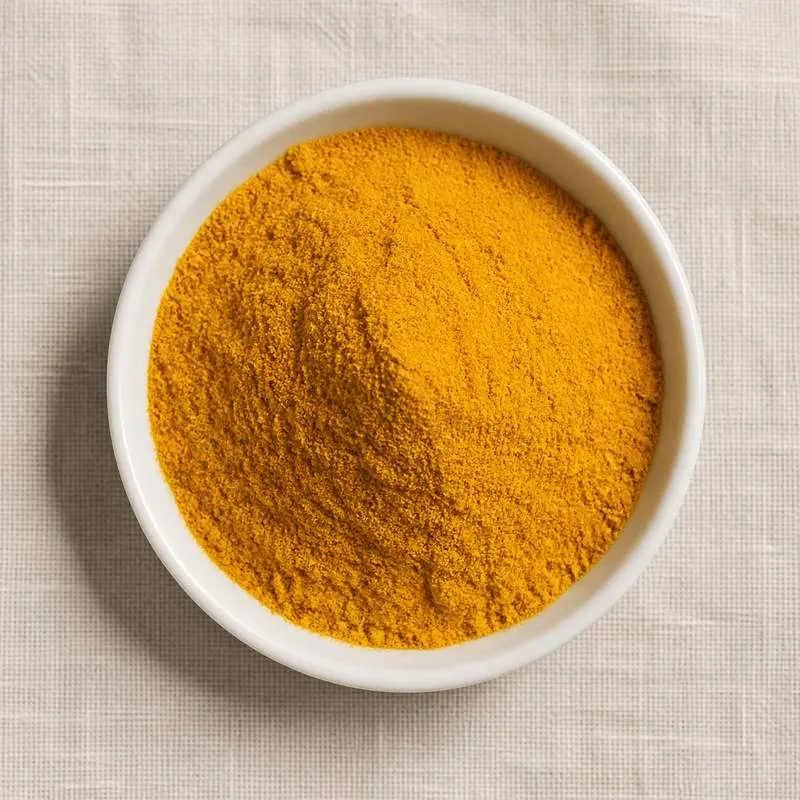
Cranberry Extract
Cranberry Extract is a concentrated powder produced from the fruit of Vaccinium macrocarpon Aiton, the American cranberry, cultivated mainly in bogs across Massachusetts, Wisconsin, Quebec, and the Pacific Northwest. The extract is best known for its proanthocyanidin (PAC) content and its long association with urinary tract health.
Commercial grades are standardised to PAC content measured by the BL-DMAC (4-dimethylaminocinnamaldehyde) method, with typical specifications at 1.5, 4, 8, 18, and 36 percent PAC. The 36 mg per serving PAC dose is the figure commonly referenced in clinical literature on urinary applications.
We source bulk Cranberry Extract from top China manufacturers for our partners. The manufacturers are in Shaanxi. For this ingredient the minimum order is 50 kg, and a smaller requirement can ship in a combined container with other ingredients.
Please send the grade you need, the volume and your destination port, and we will come back with a solution and a price.
or call +86-21-6858 0751
- Minimum order
- 50 kg
- Packaging
- 25 kg fibre drum with double PE liner
- Function
- Plant extract
- ISO 9001
- HACCP
- Halal
- Kosher
Specifications
Grades / Types Available: Food Grade, Pharmaceutical Grade
| Item | Specification |
|---|---|
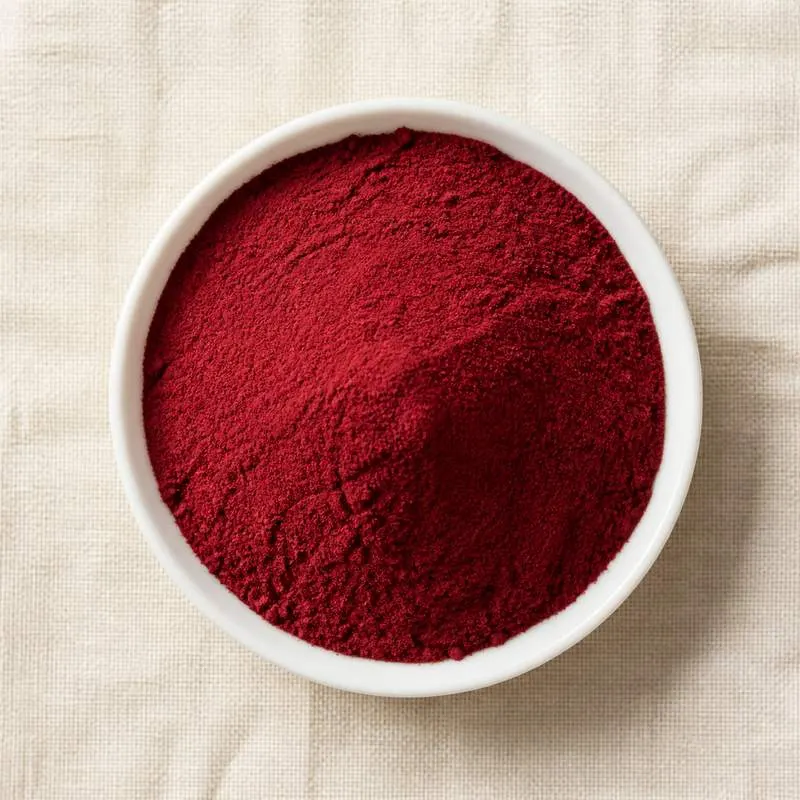
| Appearance | Dark red to reddish-brown powder |
| Assay (Proanthocyanidins) | ≥ 5% / 25% / 50% (BL-DMAC) |
| Anthocyanins | ≥ 1% (UV-Vis) |
| Particle Size | 95% pass 80 mesh |
| Moisture | ≤ 5.0% |
| Heavy Metals | ≤ 10 ppm |
| Purity (Food Grade) | ≥ 25% Proanthocyanidins |
| Moisture/Loss on Drying | ≤ 5% |
| pH | 3.0 - 4.5 |
| Lead | ≤ 1 ppm |
| Arsenic | ≤ 0.5 ppm |
| Total Plate Count | ≤ 1000 cfu/g |
| Yeast & Mold | ≤ 100 cfu/g |
Common Markets Grades
Cranberry Extract is graded by PAC content and analytical method.
Whole-fruit powders and juice powders carry 0.5 to 1.5 percent PAC and a full complement of organic acids, sugars, and vitamin C. These are typical for beverage and confectionery use.
Standardised supplement grades step up through 4, 8, 15, and 18 percent PAC by BL-DMAC. The 18 percent grade allows a 200 mg capsule to deliver the 36 mg PAC dose commonly used in urinary-health products.
A premium 36 percent PAC grade is produced for compact tablets and stick packs. PAC-A type-specific assays and MALDI-TOF mass spectrometry fingerprinting are run on higher-end material to confirm A-type linkage dominance.
Organic-certified, juice-derived, and whole-fruit grades round out the catalog. Tableting blends with microcrystalline cellulose and silica are routinely available.
Applications
- Urinary tract health supplements in tablet, capsule, softgel, and gummy formats
- Women's health and probiotic-combination products
- Cranberry juice cocktails, juice concentrates, and ready-to-drink wellness shots
- Functional beverages and powdered drink mixes
- Confectionery: gummies, chewables, jellies, and pastilles
- Bakery and snack inclusions: muffins, granola, cereal, and trail mix
- Dairy and yogurt fortification
- Senior-nutrition and immune-support blends
- Cosmetic and personal-care formulations including feminine wash products
- Pet supplements for urinary support, particularly in cats and dogs
- Sports recovery and antioxidant blends
- Pharmaceutical-style supplement formulations under monograph specifications
Brands Using Cranberry Extract
Widely-distributed consumer products that list Cranberry Extract on the ingredient label.
- AZOAZO Cranberry Caplets (with Pacran) ↗Caplets built on 500 mg Pacran whole-fruit cranberry, with vitamin C and a probiotic.Label verified 2026-05-24
- AZOAZO Cranberry Softgels ↗AZO's official Cranberry Softgels page offers a sugar-free softgel format of its Pacran-based cranberry supplement for UTI/urinary tract support.Label verified 2026-05-24
- SolarayCranActin Cranberry AF Extract 400 mg VegCaps ↗Supplies 400 mg cranberry AF (anti-adherence) extract per vegcap, standardised for proanthocyanidins.Label verified 2026-05-24
- SolaraySuper CranActin Cranberry Extract 400 mg ↗Solaray's official Super CranActin page combines its standardised cranberry AF extract with vitamins C, E, B1 and B6 plus goldenseal, juniper and cornsilk for enhanced urinary tract support.Label verified 2026-05-24
- NOW FoodsCranberry Caps Veg Capsules (with added Vitamin C) ↗Cranberry concentrate veg capsules with added vitamin C.Label verified 2026-05-24
- Nature's BountyCranberry 4200 mg Plus Vitamin C Softgels ↗Rapid-release softgels supplying cranberry fruit at a 4,200 mg equivalent, with vitamin C.Label verified 2026-05-24
Brand names, product names and logos are the property of their owners. They appear here as published evidence that the ingredient is used, taken from the brand's own label or website. Their appearance is not an endorsement, and it does not mean the brand buys from us or from any manufacturer listed on this site.
China Manufacturers of Cranberry Extract
Top Cranberry Extract manufacturers in China.
- Baoji Runmu Agricultural Development Co., Ltd.3 ingredients in the directory
 Xi'an Longze Biotechnology Co., Ltd.3 ingredients in the directory
Company names and logos are the property of the manufacturers themselves. They are listed here because our own directory records them as producing this ingredient. A listing is not an endorsement by them, and we do not represent them or speak on their behalf.
How We Help Source Cranberry Extract
Direct Factory Sourcing
We run the whole process: selecting the manufacturer from the top Chinese food ingredient producers, negotiating the price, verifying quality, and coordinating the logistics. You deal with us instead of with several factories at once.
Original Packaging and Documents from the Manufacturer
The manufacturer sends your Cranberry Extract out of its own factory in the original packing, through to your destination port. The COA, COO, MSDS, TDS and any certifications reach you from the manufacturer as well.
Free Samples and Lead Time
We send 100 to 500 g free for your own laboratory to test and you cover only the courier, usually within 2 to 3 working days. ETD is usually within 7 to 15 days once the order is confirmed, and we check that date against the factory's own manufacturing schedule before we give it to you.
Combined Shipment
We can load Cranberry Extract together with other ingredients such as Astaxanthin, Dehydrated Garlic and Lutein into one 20' FCL. If your quantity is small, we can also ship LCL.
Regulatory Status
Cranberry Extract is broadly accepted as a food and supplement ingredient.
In the United States the fruit and its derived products are GRAS for food use, and the extract is marketed as a dietary supplement under DSHEA. The European Food Safety Authority has reviewed proposed health claims for urinary tract function and has not endorsed a generic claim, so EU positioning relies on traditional use language and product-level evidence.
Health Canada lists cranberry under its Natural Health Products framework with permitted claims for urinary tract health at qualifying PAC doses. Japan accepts cranberry-derived products under the Foods with Function Claims regime, where urinary endpoint claims have been notified.
The INCI name for cosmetic use is Vaccinium Macrocarpon Fruit Extract. Organic, Kosher, and Halal certifications are commonly available.
Manufacturing Process
Harvested cranberries are wet-raked from flooded bogs, sorted, and either juiced or held as frozen fruit. Juice processing recovers a soluble fraction rich in organic acids and some PACs, while the press cake holds most of the high-value A-type PACs locked in the skins and seeds.
The press cake is dried, milled, and extracted with food-grade aqueous ethanol. The crude extract is filtered, decolorised as needed, and passed through macroporous resin to enrich the proanthocyanidin fraction.
Resin-bound PACs are desorbed with acidified ethanol, vacuum-concentrated, blended with a carrier such as maltodextrin, and spray-dried under nitrogen blanket. Final product is a deep red-brown free-flowing powder.
Assay by BL-DMAC against a procyanidin A2 reference is the industry-standard PAC method, adopted to address the wide variability seen with earlier vanillin and Bate-Smith methods. Lot release also covers heavy metals, pesticide residues, microbiology, and authentication by HPLC fingerprinting.