Pure Chicken Paste
Pure chicken paste is the paste form of a chicken extract, a semi solid concentrate in which cooked chicken solids, gelatine and chicken fat are held at high total solids with salt. It is the format used where the fullest cooked chicken character is required, because drying an extract to a powder costs some of the volatile aroma that defines it.
Body and taste come from the same cooking step. Collagen from skin and connective tissue hydrolyses to gelatine, which gives the paste its viscosity and the mouth coating quality of a real stock, while peptides, free amino acids and the nucleotide inosine monophosphate supply the savoury taste and chicken fat supplies the poultry aroma. Salt and the high solids content together lower water activity enough that the paste is stable at ambient temperature without a preservative.
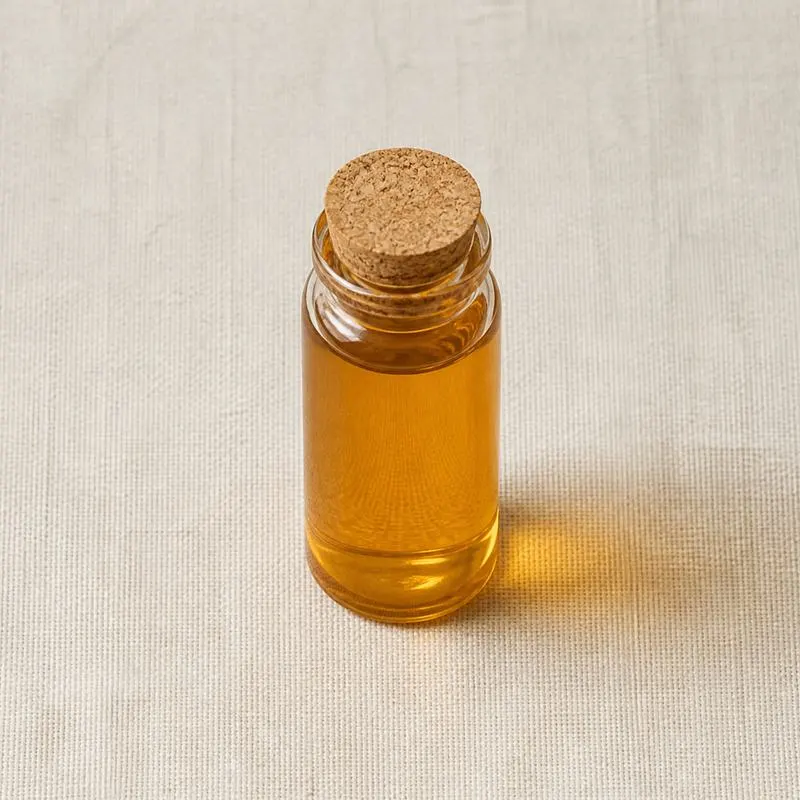
The material is a smooth golden to light brown paste that stiffens on cooling and softens on warming, so it is heated and stirred before dosing. It disperses in hot water rather than dissolving cleanly and is added early enough in a process for that dispersion to complete. Oxidation of the fat fraction and gradual colour darkening are the usual shelf life limits, so pails are filled with low headspace under nitrogen.
We source bulk Pure Chicken Paste from top China manufacturers for our partners. The manufacturer is in Fujian. A smaller requirement can ship in a combined container with other ingredients.
Please send the grade you need, the volume and your destination port, and we will come back with a solution and a price.
or call +86-21-6858 0751
- Function
- Flavours and Aromas
Specifications
| Item | Specification |
|---|---|
| Appearance | Smooth homogeneous paste, softening on warming |
| Colour | Golden to light brown |
| Odour and flavour | Characteristic cooked chicken, true to reference sample |
| Total solids | 70.0 percent minimum |
| Moisture | 30.0 percent maximum |
| Protein, dry basis | 40.0 percent minimum |
| Fat content | Declared per grade, tolerance plus or minus 2 percent |
| Sodium chloride | Declared per formula, tolerance plus or minus 2 percent |
| pH of 1 percent solution | 5.5 to 7.0 |
| Water activity | 0.80 maximum |
| Peroxide value of extracted fat | 5.0 meq/kg maximum |
| Lead | 1.0 mg/kg maximum |
| Total plate count | 10,000 cfu/g maximum |
| Yeast and mould | 100 cfu/g maximum |
| Salmonella | Absent in 25 g |
Common Markets Grades
Grades differ chiefly in extract content and in what else is present. Grades made only from chicken and salt are the reference position and are what the word pure properly means, while grades extended with maltodextrin, yeast extract or vegetable protein are traded at a declared extract percentage. Total solids and protein on a dry basis are the two figures most often specified.
Fat level is the second variable, since a higher fat content strengthens the aroma but shortens shelf life, and it is stated on the specification rather than left open. Straight extract pastes are separated from reacted pastes that have been cooked further with sugars and amino acids to build a roasted or braised profile, the latter no longer being a simple extract. Halal certified lines, allergen free lines and grades formulated without monosodium glutamate or added nucleotides are run as separate products.
Applications
- Chicken soup and broth base manufacture for foodservice and retail
- Bouillon paste and stock pots sold as finished consumer products
- Instant noodle wet sachets carrying a concentrated savoury paste
- Hot pot bases built on a clear chicken broth
- Sauces, gravies and braising liquors in industrial food production
- Congee, rice dishes and prepared frozen meals
- Dumpling and bun fillings, where the gelatine adds juiciness on steaming
- Retorted soups and canned dishes, dosed to restore aroma lost to sterilisation
- Clean label products where a flavouring declaration is to be avoided
China Manufacturers of Pure Chicken Paste
Top Pure Chicken Paste manufacturers in China.

Company names and logos are the property of the manufacturers themselves. They are listed here because our own directory records them as producing this ingredient. A listing is not an endorsement by them, and we do not represent them or speak on their behalf.
Regulatory Status
In the United States a chicken paste of this kind is a poultry derived food ingredient and falls under the inspection and labelling authority of the Food Safety and Inspection Service of the Department of Agriculture. The label names chicken directly, and salt, yeast extract, monosodium glutamate and any carrier are declared as separate ingredients. A product described as an extract rather than a flavour must derive its character from the chicken itself rather than from added flavouring substances.
In the European Union the paste is a food ingredient of animal origin subject to the animal products hygiene framework, which governs establishment approval, heat treatment and traceability, and to the import controls for products of animal origin. Meat extracts are foods rather than additives or flavourings, so no E number applies unless a reaction step or added flavouring substances bring the product within Regulation (EC) No 1334/2008. Flavour enhancers in the formula are additives regulated and labelled in their own right. Codex hygienic practice codes for meat provide the reference used in most export specifications.
Manufacturing Process
Chicken meat, frames, skin and trim are washed and cooked with water, either at atmospheric pressure over several hours or under pressure at around 110 to 120 degrees Celsius. The cook hydrolyses collagen to gelatine and transfers soluble protein, peptides, nucleotides and fat into the liquor. The cooked mass is separated by decanting and centrifugation into solid residue, a fat layer and an aqueous broth, and the fat is refined and set aside for return to the finished paste.
The broth is clarified and treated with proteases to break the remaining protein into peptides and free amino acids, then heated to inactivate the enzymes. Concentration follows under vacuum in a falling film or forced circulation evaporator, taken far enough that the finished paste will sit below the water activity target. The concentrate is blended in a jacketed vessel with salt, the recovered chicken fat and any permitted flavour enhancer, and it is homogenised or passed through a colloid mill so the fat is finely dispersed and the paste is free from grittiness. Batches are cleared by a trained sensory panel against a retained reference, then filled warm into lined pails, drums or laminate pouches with a nitrogen flush and cooled promptly, since prolonged heat darkens the colour.