Calcium Sulphate
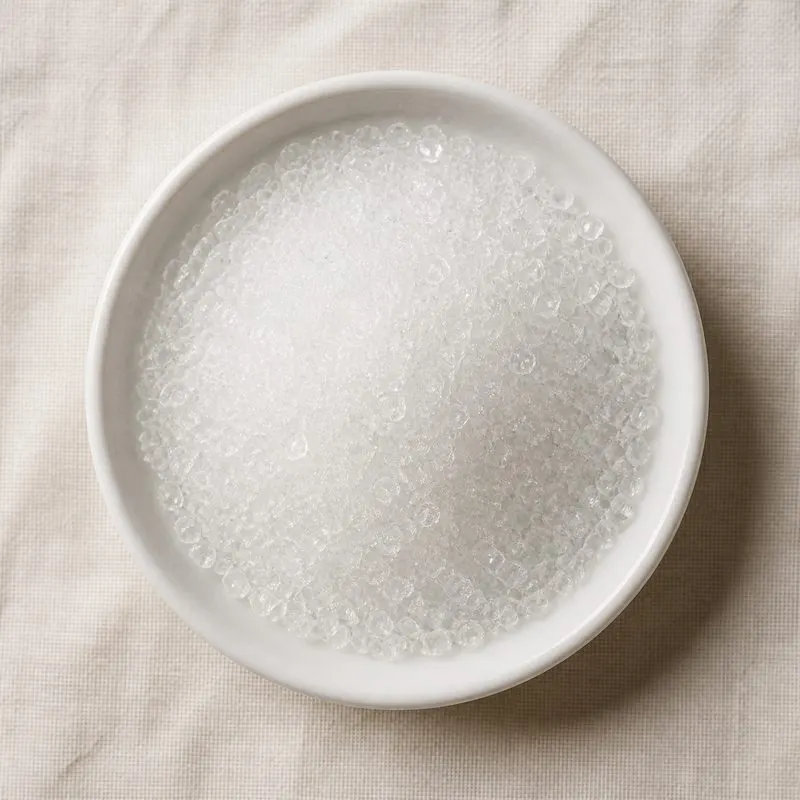
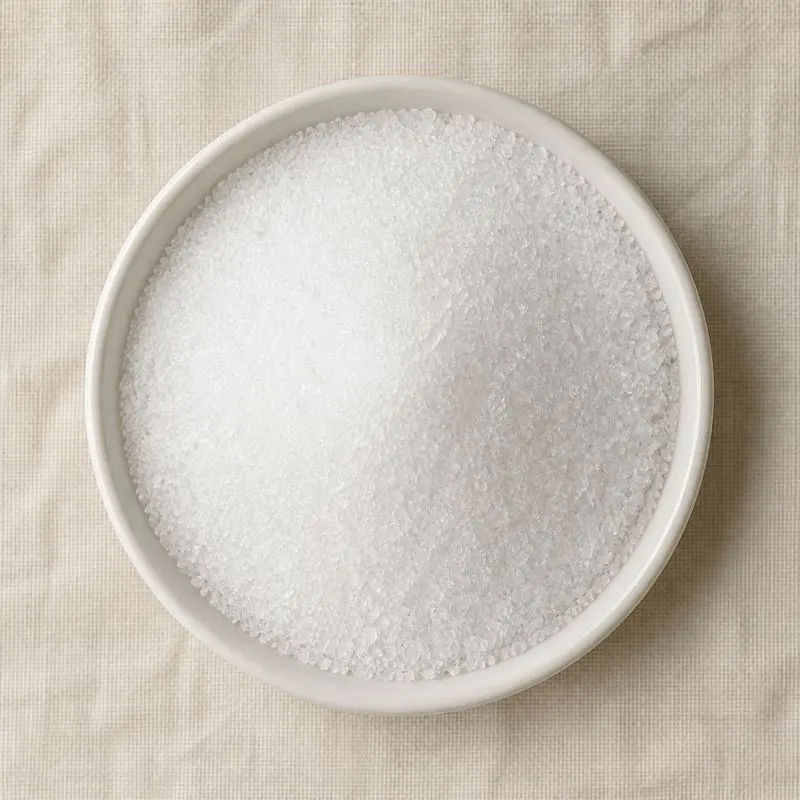
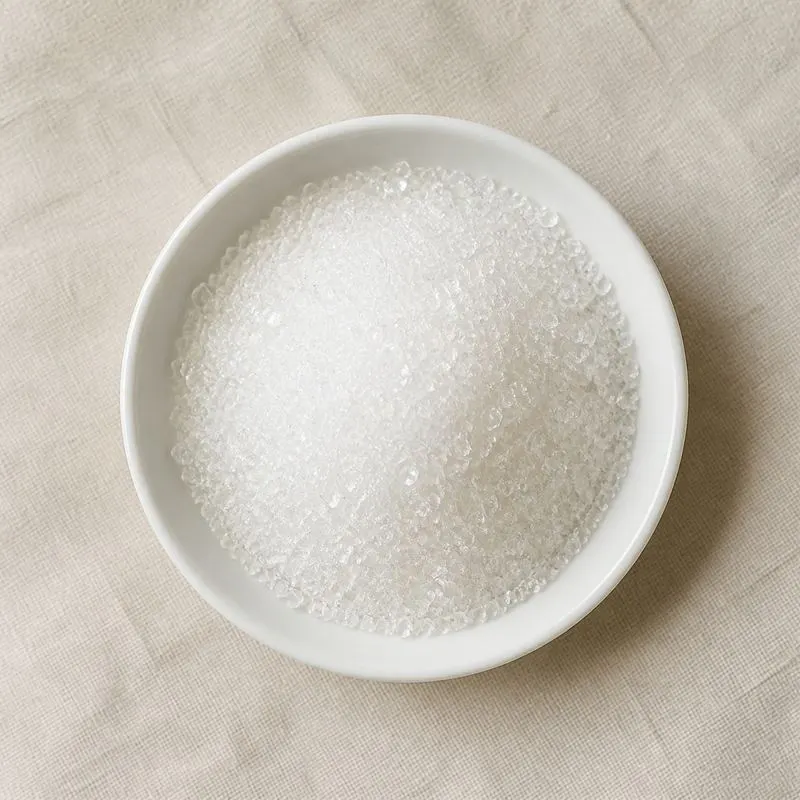
Calcium sulphate is the calcium salt of sulphuric acid, formula CaSO4, sold in three hydrate states: the anhydrous salt, the hemihydrate known industrially as plaster of Paris, and the dihydrate known as gypsum. In food it is the standard low cost calcium source, acting as a coagulant, a firming agent, a dough conditioner and yeast nutrient, an anticaking agent and a carrier, and it is the traditional coagulant for firm tofu.
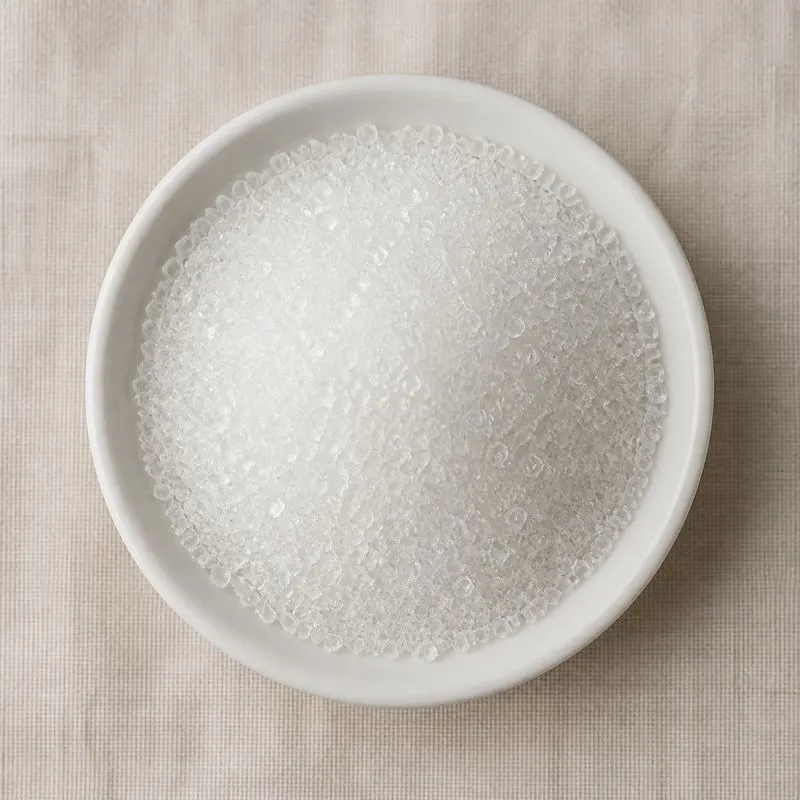
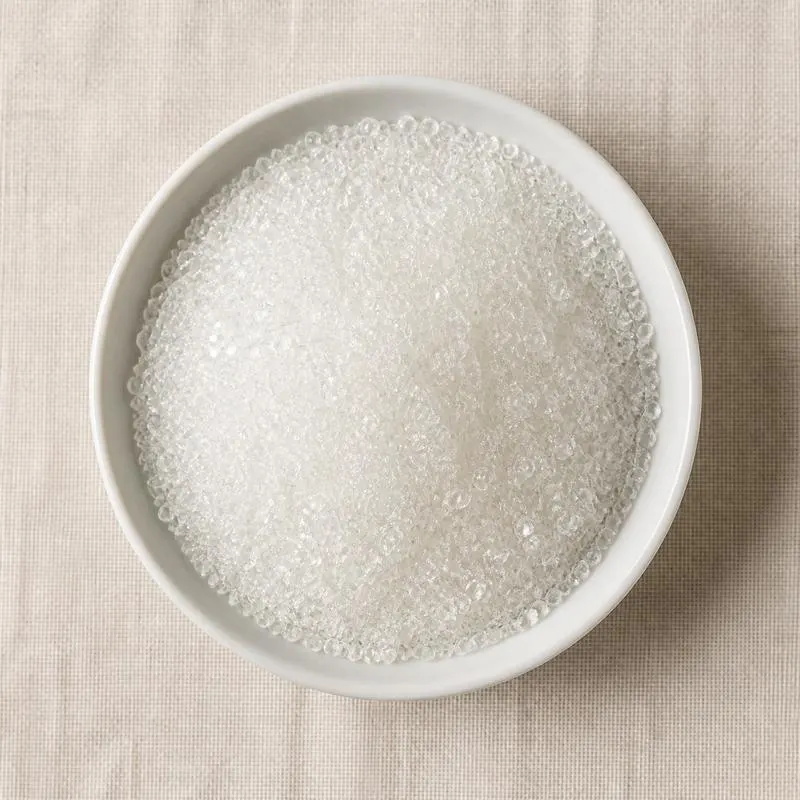
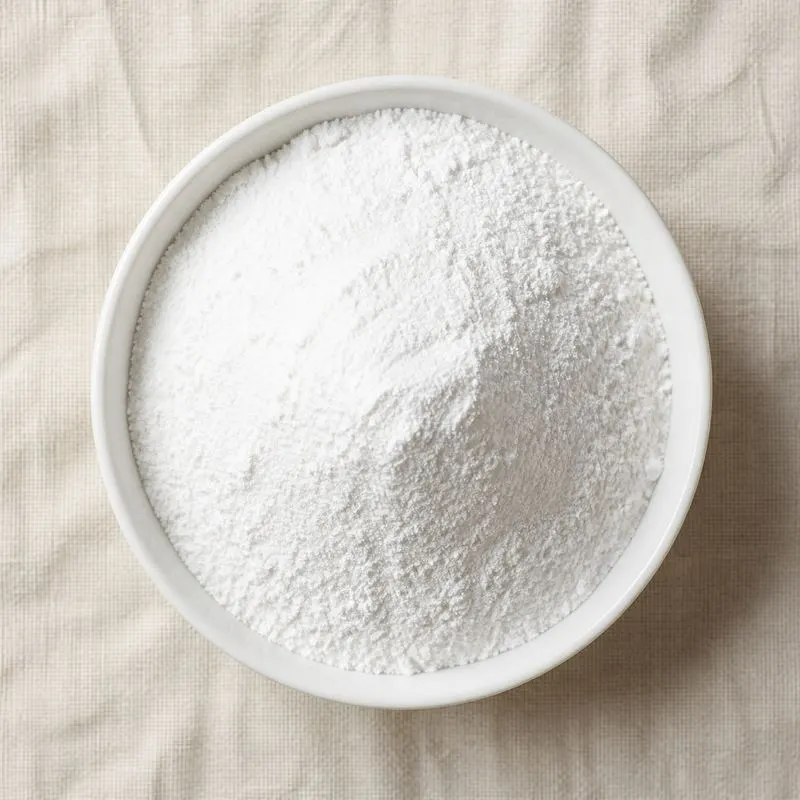
The material is a white to off-white fine powder, odourless and essentially tasteless, which is central to its usefulness since calcium can be added at high levels without a chalky or bitter note. Solubility in water is very low, around 0.2 g per 100 mL, and it decreases slightly as temperature rises above about 40 degrees Celsius. That low solubility means calcium sulphate works as a slow release calcium source rather than as a dissolved salt, which is exactly what gives tofu its gradual, even set compared with the abrupt coagulation of calcium chloride.
Suspensions are close to neutral, generally pH 7 to 9.5 for the dihydrate. The dihydrate loses its water of crystallisation on heating above about 128 degrees Celsius to give the hemihydrate, which will set hard if rehydrated, so hydrate state must be controlled in any food grade that is dispersed in water.
We source bulk Calcium Sulphate from top China manufacturers for our partners. The manufacturer is in Shandong. A smaller requirement can ship in a combined container with other ingredients.
Please send the grade you need, the volume and your destination port, and we will come back with a solution and a price.
or call +86-21-6858 0751
- Function
- Acidulant
Specifications
| Item | Specification |
|---|---|
| Appearance | White to off-white fine powder |
| Odour and Taste | Odourless, tasteless |
| Assay, ignited basis | Not less than 98.0 percent CaSO4 |
| Identification | Positive for calcium and for sulphate |
| Loss on Drying, 250 degrees Celsius | 19.0 to 23.0 percent as dihydrate |
| pH, 10 percent slurry | 7.0 to 9.5 |
| Acid Insoluble Matter | Not more than 0.5 percent |
| Whiteness | Not less than 90 percent reflectance |
| Particle Size | Not less than 95 percent through 100 mesh |
| Selenium | Not more than 30 mg per kg |
| Fluoride | Not more than 30 mg per kg |
| Lead | Not more than 2 mg per kg |
| Arsenic | Not more than 3 mg per kg |
| Heavy Metals as Pb | Not more than 10 mg per kg |
Common Markets Grades
The dihydrate is the standard food grade, sold at 98 percent minimum on the ignited basis and used in tofu, bakery and brewing. Anhydrous calcium sulphate is traded where the powder must act as a desiccant or where added water of crystallisation would be a problem, as in dry mixes and some tablet formulations. The hemihydrate is used mainly in moulded and cast food applications and in the dental and pharmaceutical trade, and is not interchangeable with the dihydrate because it sets on contact with water.
Particle size is the main commercial variable within each hydrate. Coarse milled material of roughly 100 mesh is used where a slower dissolution rate is wanted, as in tofu coagulation, while fine and micronised grades down to a few micrometres are specified for tablet excipient use, anticaking and even dispersion in dough. Whiteness, measured as reflectance, and the level of residual clay and strontium separate a well cleaned natural gypsum from a marginal ore, and a food grade of chemical origin is offered where a whiter, lower impurity product is needed.
Applications
- Tofu and soy protein curd, as the traditional coagulant giving a firm, fine grained set with better yield than acid coagulation
- Bread and bun doughs, as a yeast nutrient and dough conditioner that firms gluten and steadies fermentation rate
- Brewing liquor treatment, added as brewing gypsum to raise calcium and sulphate and sharpen hop bitterness in pale ale styles
- Canned tomatoes and vegetables, as a firming agent that crosslinks pectin and keeps pieces intact through the retort
- Tablet manufacture, as a diluent and binder in the pharmaceutical and supplement trade
- Calcium fortification of flour, cereals and dry mixes, as a low cost mineral source with no flavour impact
- Anticaking and free flow agent in seasoning blends and powdered products
- Wine and cider production, as a source of calcium for acid adjustment and for tartrate management
- Chewing gum and confectionery, as an inert filler and texture modifier
- Frozen desserts and dairy analogues, as a calcium source and to give body
Brands Using Calcium Sulphate
Widely-distributed consumer products that list Calcium Sulphate on the ingredient label.
- HodoOrganic Extra Firm Tofu ↗The ingredient list is water, organic soybeans and calcium sulphate, which acts as the coagulant that sets the tofu.Label verified 2026-08-31
- WildwoodOrganic Extra Firm Tofu 14 oz ↗Calcium sulphate is listed with magnesium chloride under the 2 percent or less coagulant line.Label verified 2026-08-31
Brand names, product names and logos are the property of their owners. They appear here as published evidence that the ingredient is used, taken from the brand's own label or website. Their appearance is not an endorsement, and it does not mean the brand buys from us or from any manufacturer listed on this site.
China Manufacturers of Calcium Sulphate
Top Calcium Sulphate manufacturers in China.
Company names and logos are the property of the manufacturers themselves. They are listed here because our own directory records them as producing this ingredient. A listing is not an endorsement by them, and we do not represent them or speak on their behalf.
Regulatory Status
In the United States calcium sulphate is affirmed as generally recognised as safe under 21 CFR 184.1230, with functions given as anticaking agent, dough strengthener, firming agent, nutrient supplement, processing aid, stabiliser and texturiser, for use at levels consistent with good manufacturing practice. It also carries a United States Pharmacopeia monograph for the excipient grade and appears in several standards of identity as a permitted firming agent.
In the European Union, Regulation (EC) No 1333/2008 authorises it as food additive E 516, with identity and purity criteria set in Regulation (EU) No 231/2012, where it functions as a firming agent, flour treatment agent and sequestrant, and the food supplements rules separately list it among the permitted calcium sources. JECFA has evaluated calcium sulphate and concluded that no numerical limit is required, and it is listed in the Codex General Standard for Food Additives as a firming agent, flour treatment agent and raising agent.
Manufacturing Process
Food grade calcium sulphate is made almost entirely from mined natural gypsum rather than by chemical synthesis. The rock is quarried, crushed and cleaned to strip clay, limestone and silica, since those impurities carry the colour and the strontium and heavy metal load that would fail a food specification. The cleaned rock is ground in a roller or ball mill and classified by air separator to the target particle size distribution.
Where the dihydrate is the product, the ground gypsum is simply screened, blended to specification and packed, with the whole process kept below the dehydration temperature. Where the hemihydrate or anhydrous salt is wanted, the milled material passes to a calciner, a kettle or a rotary or flash dryer, and the temperature and residence time determine which hydrate is produced. Calcining around 150 degrees Celsius gives the hemihydrate, while higher temperatures drive off the remaining water to give soluble and then insoluble anhydrite. The calcined product is cooled under controlled humidity to prevent rehydration, milled again if the calcining has caused agglomeration, screened and packed into moisture barrier bags. Chemically precipitated grades, made by reacting a purified calcium salt with sulphuric acid or a sulphate solution, are produced in smaller volumes where higher whiteness and lower trace metal content justify the cost.