Rebaudioside M
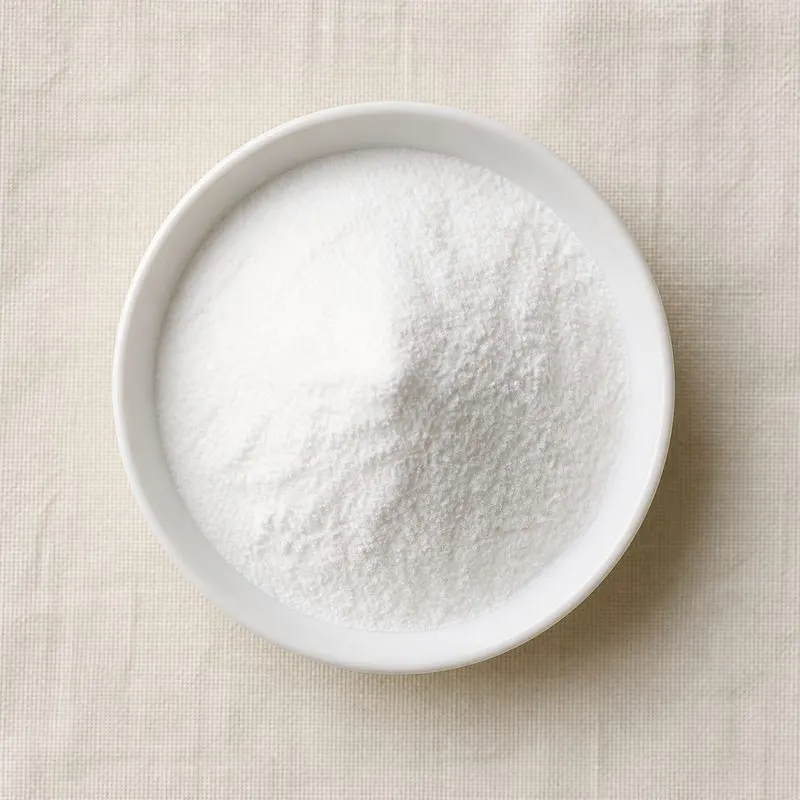
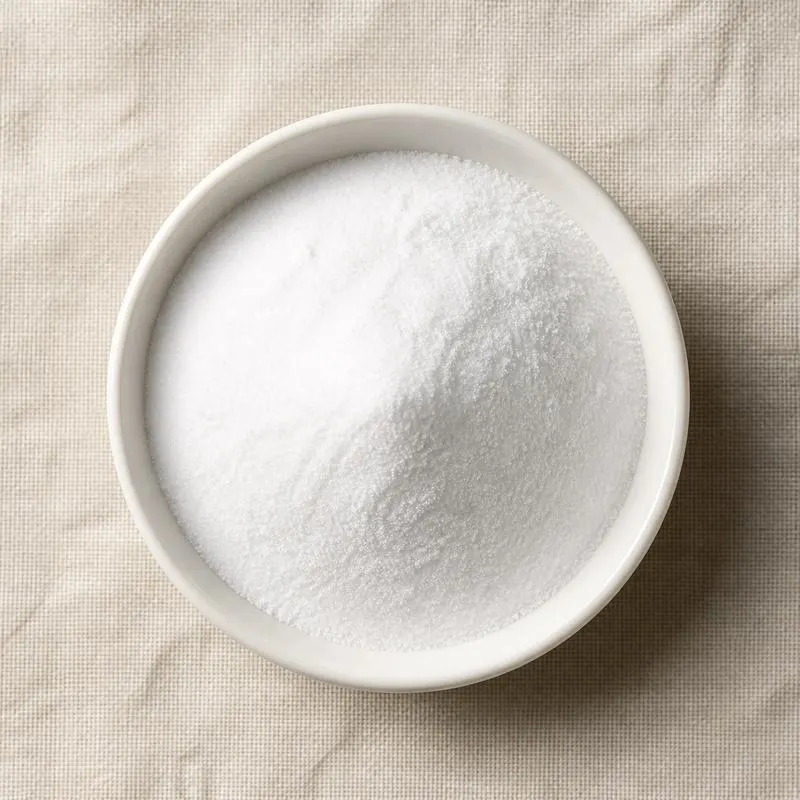
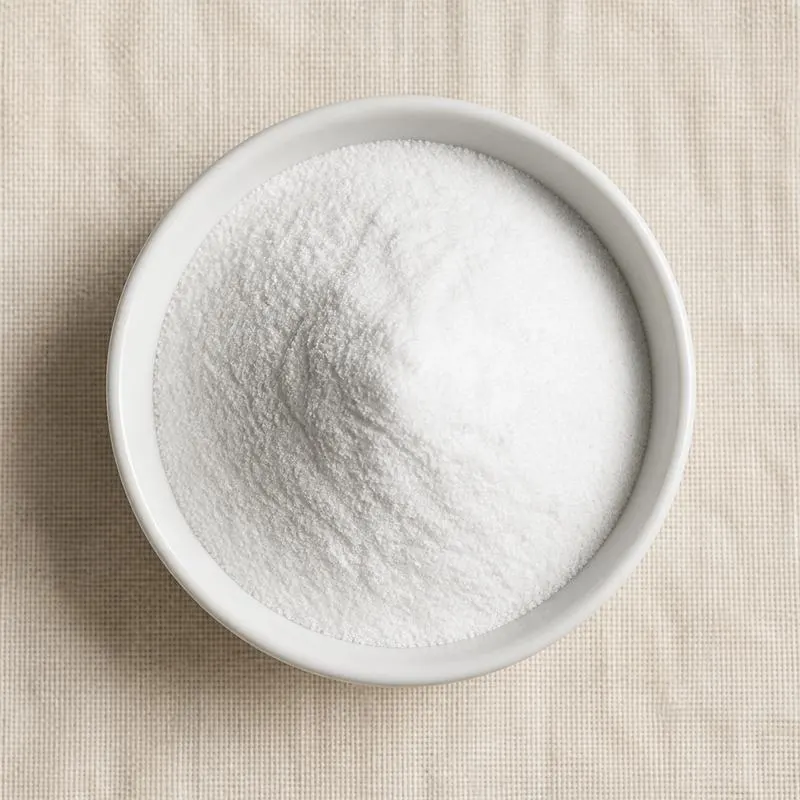
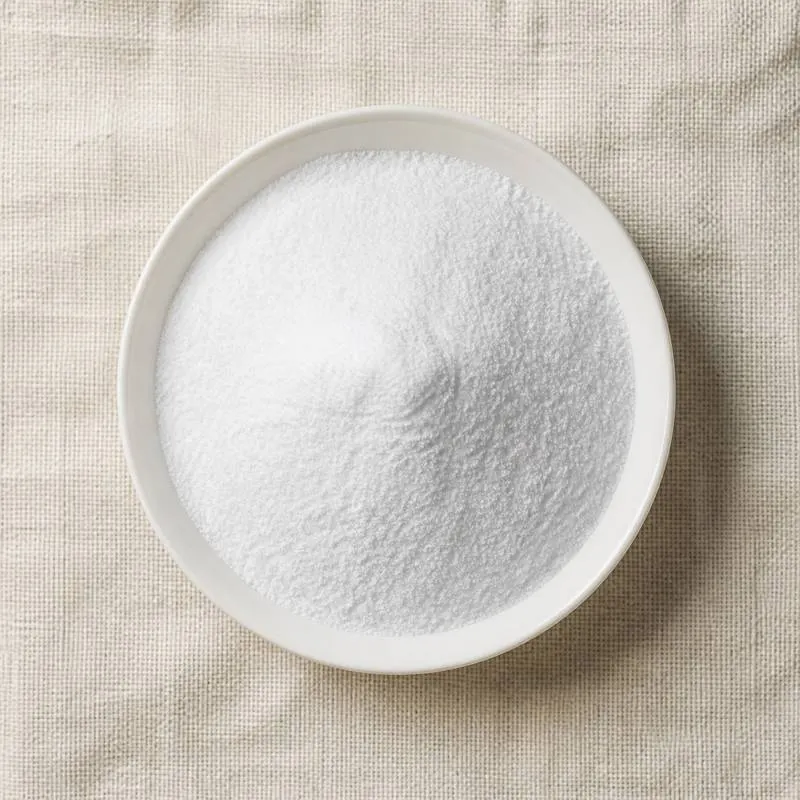
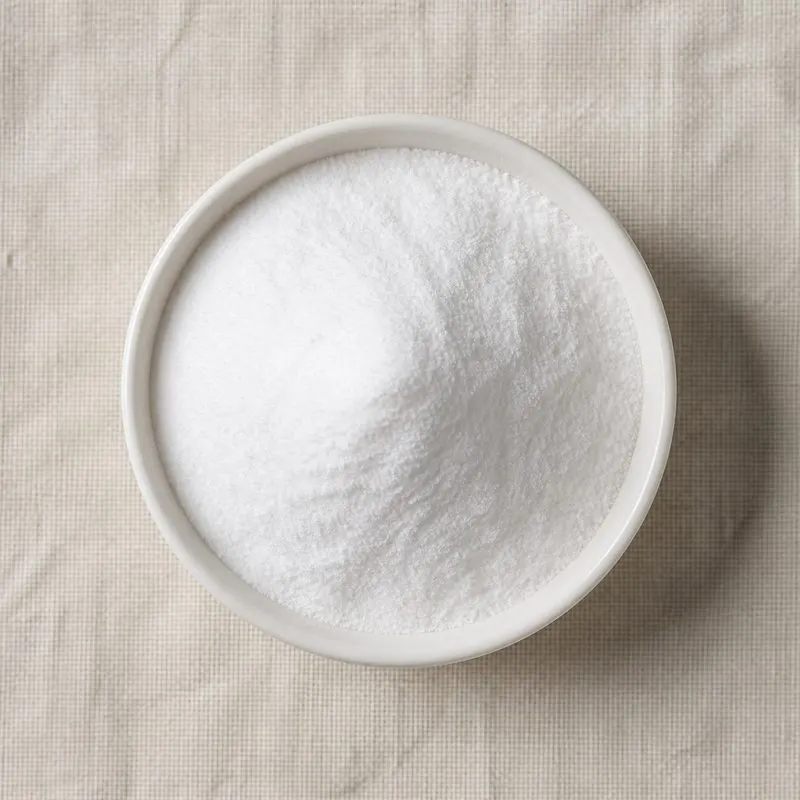
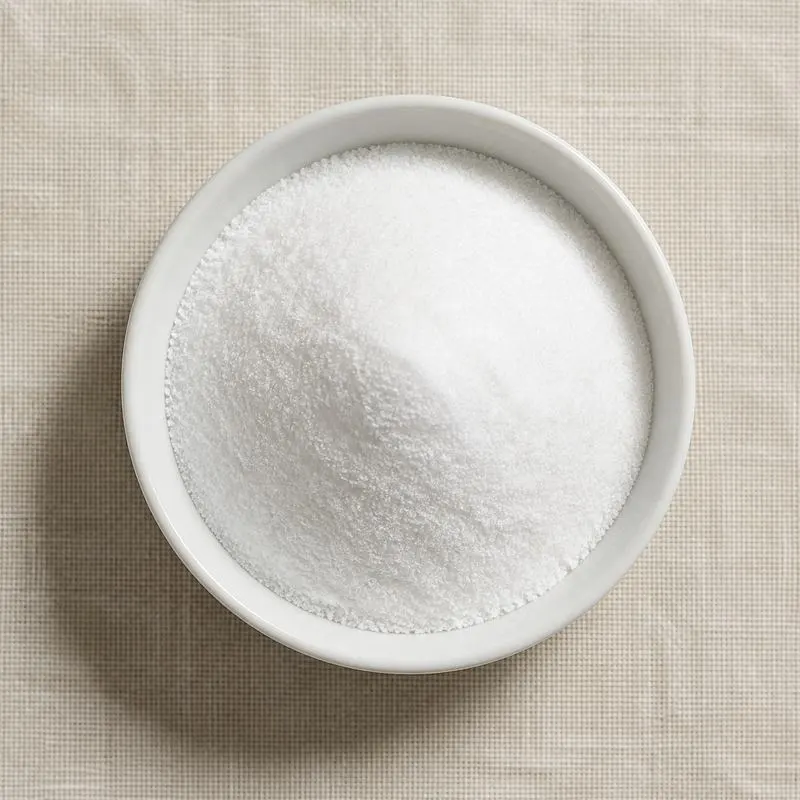
Rebaudioside M, commonly written as Reb M, is a minor steviol glycoside in the Stevia rebaudiana leaf and the closest known match to the taste profile of sucrose within the stevia family.
The molecule carries six glucose units arranged symmetrically around the steviol aglycone. That sugar density gives a slow sweet onset, low bitterness, and minimal lingering aftertaste at use levels.
We source bulk Rebaudioside M from top China manufacturers for our partners, working with several of them. The manufacturers are in Shandong and Shanghai. A smaller requirement can ship in a combined container with other ingredients.
Please send the grade you need, the volume and your destination port, and we will come back with a solution and a price.
or call +86-21-6858 0751
- Packaging
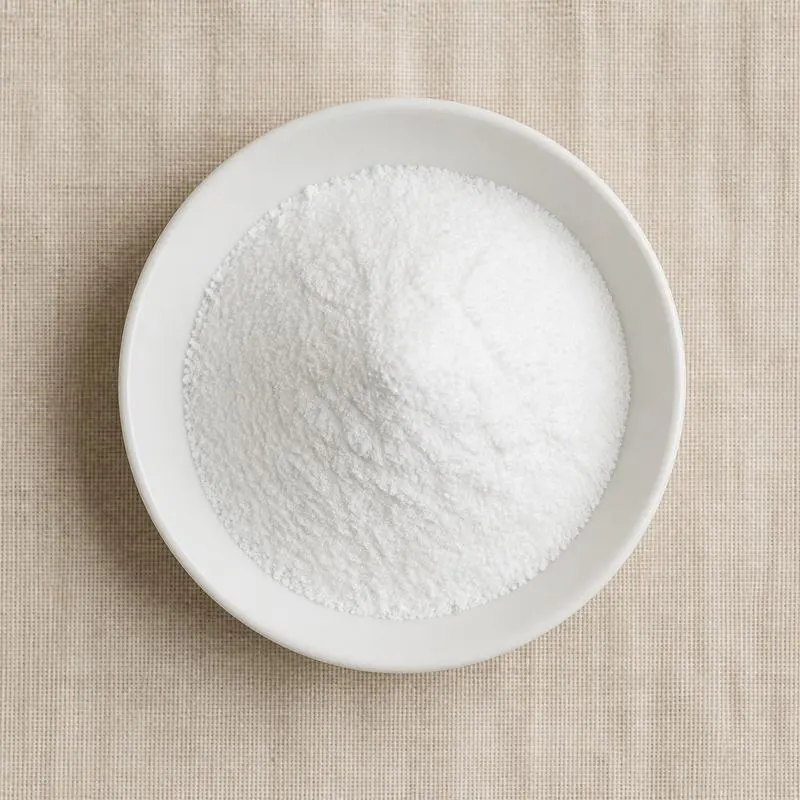
- 25 kg kraft paper bag with PE inner liner
- ISO 9001
- HACCP
- Halal
- Kosher
Specifications
| Item | Specification |
|---|---|
| Appearance | White to off-white powder |
| Rebaudioside M Content | ≥ 75% / ≥ 90% / ≥ 95% |
| Total Steviol Glycosides | ≥ 95.0% |
| Loss on Drying | ≤ 6.0% |
| Residue on Ignition | ≤ 1.0% |
| Heavy Metals (as Pb) | ≤ 1 ppm |
| Arsenic | ≤ 0.5 ppm |
| Total Plate Count | ≤ 1000 CFU/g |
| Sweetness | 200-300 times sweeter than sucrose |
| Solubility | Slightly soluble in water, 1 g/L at 25°C |
| Caloric Content | ~1% of sucrose calories |
| Stability | Resistant to heat, acid, and alkaline conditions |
Common Markets Grades
Reb M is graded by purity on a dry basis.
Commercial cuts span Reb M 50, Reb M 80, Reb M 90, Reb M 95, and Reb M 99. The lower-purity grades carry a balance of Reb D and other glycosides, while the higher cuts approach the practical limit of crystallisation purity.
The 95 and 99 percent grades are the standard for premium beverage, dairy, and confectionery formulations where the cleanest sucrose-like profile is required.
Blended grades combine Reb M with Reb D, Reb A, or erythritol to balance cost and performance. Soluble grades use particle engineering to address the relatively low aqueous solubility of pure Reb M.
Applications
- Premium zero-sugar carbonated soft drinks
- Flavoured sparkling waters and tonic waters
- Sports drinks, electrolyte mixes, and recovery beverages
- Drinking yogurt, flavoured milk, and plant-based dairy alternatives
- Reduced-sugar chocolate and confectionery
- Ice cream, sorbet, and frozen novelties
- Tabletop sweetener formulations targeting clean sucrose mimicry
- Sugar-reduced bakery fillings, frostings, and sauces
- Sports nutrition powders, gels, and protein bars
- Pediatric and clinical nutrition products
- Pharmaceutical syrups and chewables for taste masking
- Premium supplement gummies and lozenges
Brands Using Rebaudioside M
Widely-distributed consumer products that list Rebaudioside M on the ingredient label.
- ChobaniChobani Zero Sugar Vanilla Greek Yogurt ↗Sweetener system includes stevia extract (Reb M), allulose, and monk fruit extractLabel verified 2026-05-24
- ChobaniChobani Zero Sugar Mixed Berry Greek Yogurt ↗Sweetener system includes stevia extract (Reb M) along with allulose and monk fruitLabel verified 2026-05-24
- siggi'ssiggi's Vanilla Lower Sugar Skyr ↗Lower-sugar varieties sweetened with Stevia Reb M (refined stevia extract)Label verified 2026-05-24
- siggi'ssiggi's Strawberry Lower Sugar Skyr ↗Lower-sugar variety sweetened with Stevia Reb MLabel verified 2026-05-24
- Halo TopHalo Top Strawberry Light Ice Cream ↗Ingredient panel lists stevia leaf extract (Reb M)Label verified 2026-05-24
- Halo TopHalo Top Chocolate Light Ice Cream ↗Ingredient panel lists stevia leaf extract (Reb M)Label verified 2026-05-24
- Vital ProteinsVital Proteins Collagen Peptides Chocolate ↗Ingredients include collagen peptides (bovine), alkalized cocoa, natural flavours, sea salt, and stevia leaf Reb MLabel verified 2026-05-24
- Vital ProteinsVital Proteins Collagen Peptides Vanilla ↗Ingredient panel includes stevia leaf Reb M with milk protein isolate, MCT oil powder, monk fruitLabel verified 2026-05-24
Brand names, product names and logos are the property of their owners. They appear here as published evidence that the ingredient is used, taken from the brand's own label or website. Their appearance is not an endorsement, and it does not mean the brand buys from us or from any manufacturer listed on this site.
China Manufacturers of Rebaudioside M
Top Rebaudioside M manufacturers in China.
 Adorvia Biotechnology (Shanghai) Co., Ltd.1 ingredient in the directory
 Shandong Benyue Biological Technology Co., Ltd.5 ingredients in the directory
 Shandong Sanyuan Biotechnology Co., Ltd.4 ingredients in the directory
 Shanghai Enlogics Biotechnology Co., Ltd.3 ingredients in the directory
- Taste Legend Bio-Tech Co., Ltd.7 ingredients in the directory
Company names and logos are the property of the manufacturers themselves. They are listed here because our own directory records them as producing this ingredient. A listing is not an endorsement by them, and we do not represent them or speak on their behalf.
How We Help Source Rebaudioside M
Direct Factory Sourcing
We run the whole process: selecting the manufacturer from the top Chinese food ingredient producers, negotiating the price, verifying quality, and coordinating the logistics. You deal with us instead of with several factories at once.
Original Packaging and Documents from the Manufacturer
The manufacturer sends your Rebaudioside M out of its own factory in the original packing, through to your destination port. The COA, COO, MSDS, TDS and any certifications reach you from the manufacturer as well.
Free Samples and Lead Time
We send 100 to 500 g free for your own laboratory to test and you cover only the courier, usually within 2 to 3 working days. ETD is usually within 7 to 15 days once the order is confirmed, and we check that date against the factory's own manufacturing schedule before we give it to you.
Combined Shipment
We can load Rebaudioside M together with other ingredients such as Stevia, Erythritol and Maltitol into one 20' FCL. If your quantity is small, we can also ship LCL.
Regulatory Status
Reb M produced by enzymatic bioconversion falls within the steviol glycosides specification used by major regulators.
In the European Union it is covered under E960c, the sub-listing introduced for enzyme-modified steviol glycosides. The U.S. Food and Drug Administration accepts bioconverted Reb M under multiple GRAS notices that specifically cover the manufacturing route.
JECFA evaluated bioconverted Reb M and concluded that it meets the steviol glycosides specification, with the ADI expressed as steviol.
Kosher and Halal certifications are routinely available. Non-GMO Project verification is generally not available, because the production enzymes are sourced from genetically modified host organisms, even though no modified organism enters the final product.
Manufacturing Process
Native Reb M makes up well under one percent of total steviol glycosides in conventional stevia leaf, which makes pure leaf-derived supply uneconomical at commercial scale.
Nearly all commercial Reb M is produced by enzymatic bioconversion. A purified steviol glycoside feed, usually stevioside or Reb A, is reacted in aqueous solution with engineered UDP-glucosyltransferase enzymes plus a sucrose-driven glucose donor system.
The enzymes add the additional glucose units required to convert the feed into Reb D and finally Reb M. Process control over enzyme dose, residence time, and temperature determines the Reb D to Reb M ratio in the output.
After conversion, the reaction mass is clarified, the enzymes are removed by filtration, and the Reb M is recovered by adsorption on resin followed by crystallisation from ethanol or aqueous ethanol. Multiple recrystallisation stages lift purity into the 95 to 99 percent range.