Red Rice Red
Red rice red is a natural water-soluble food colourant extracted from the pericarp of red-grained rice, Oryza sativa L. The colouring principles are flavonoid pigments, chiefly proanthocyanidins together with associated catechin-type polyphenols, which give a red to reddish-brown hue. It is a plant extract and is not related to Monascus red, which is a fermentation pigment produced on rice by a mould rather than extracted from the grain itself.
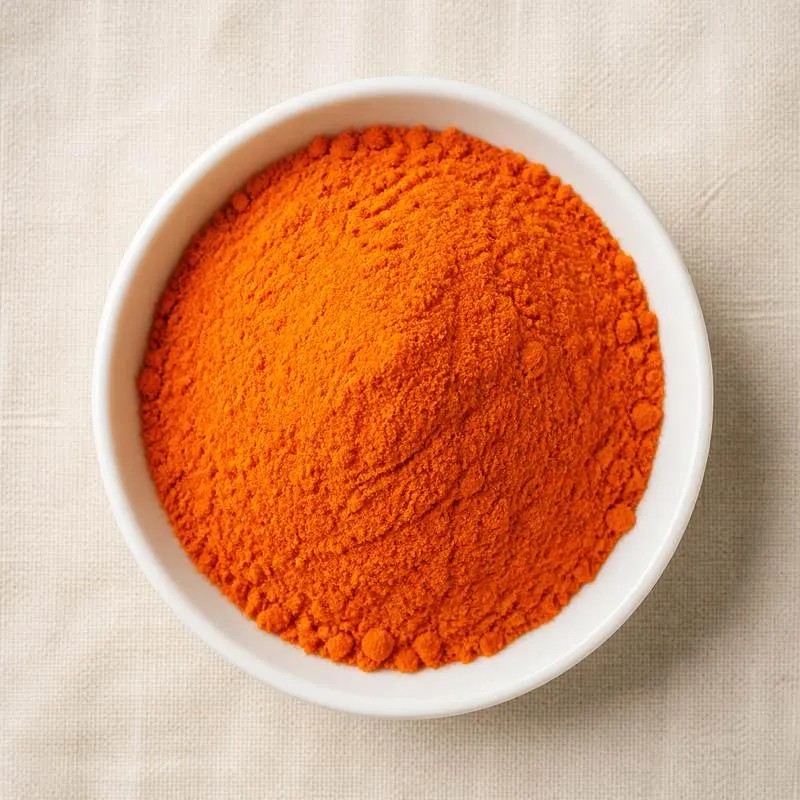
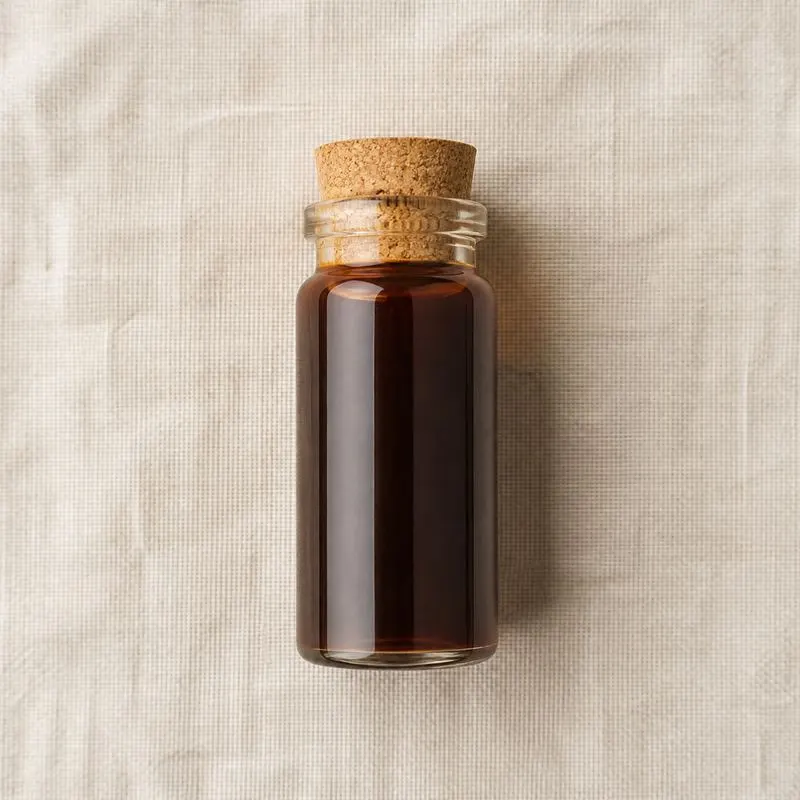
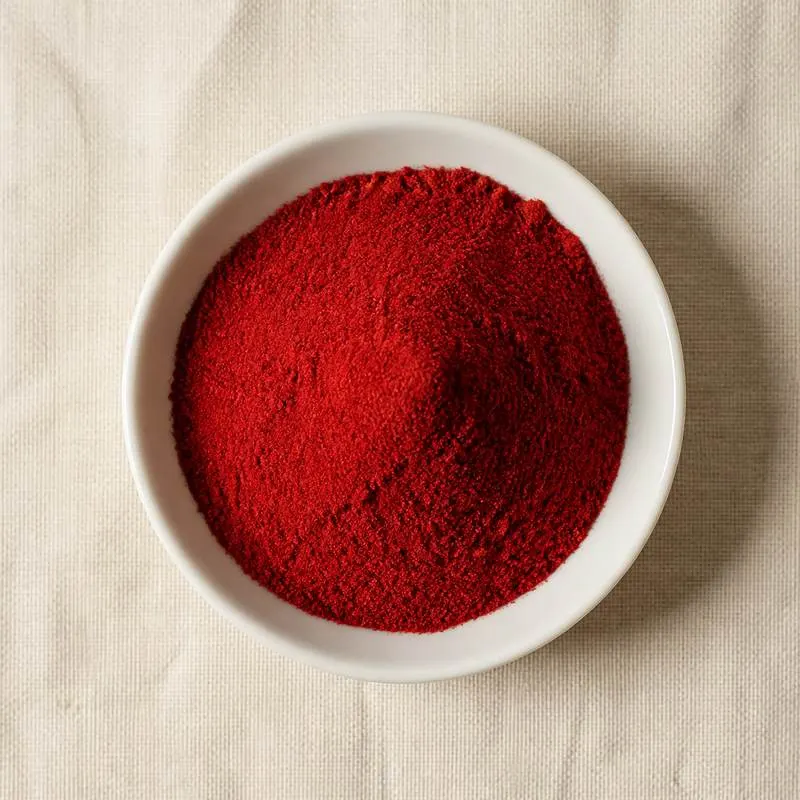
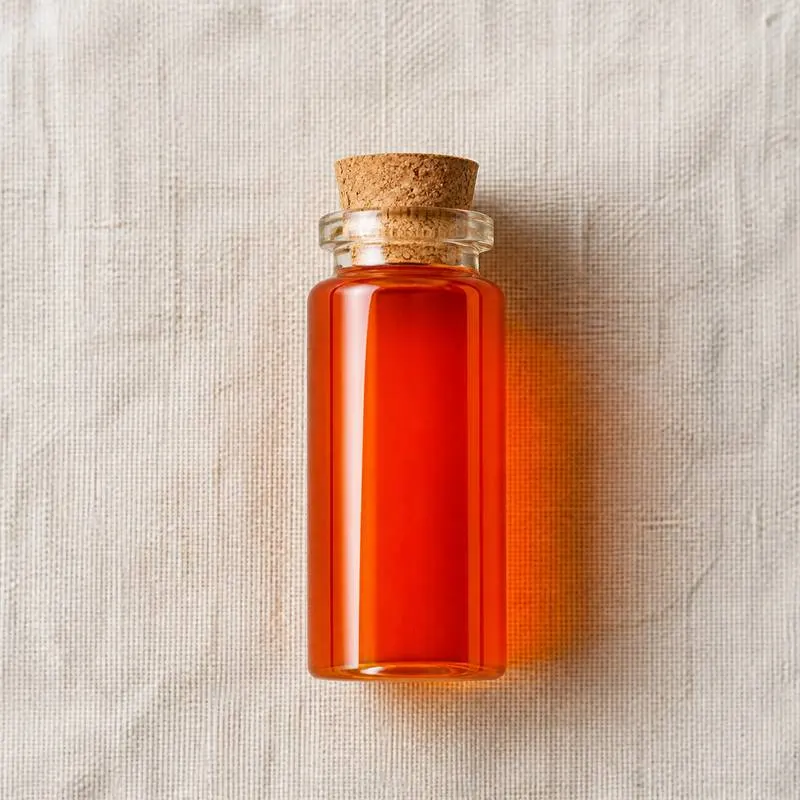
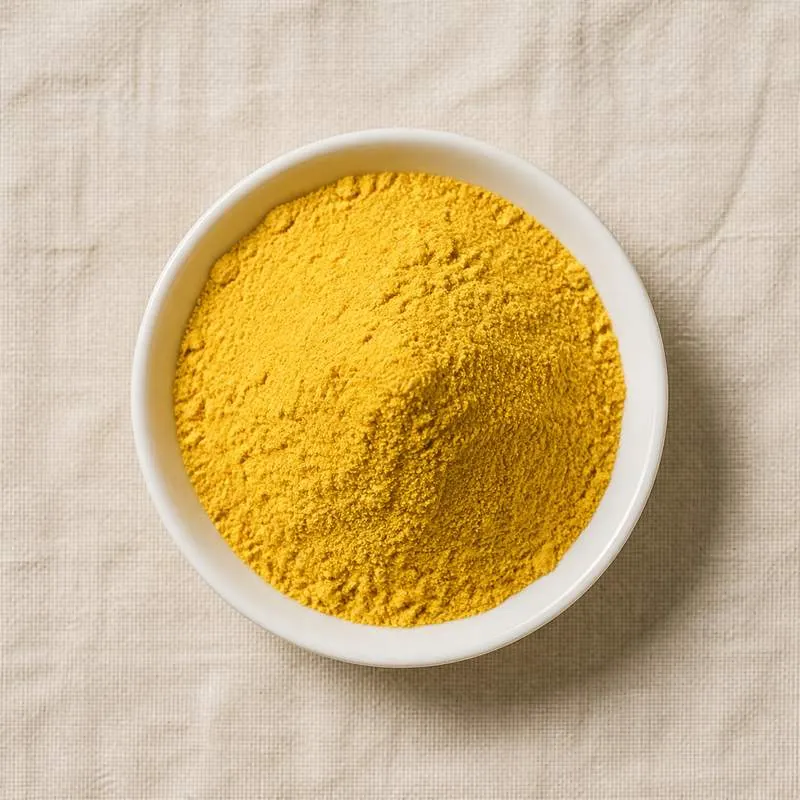
The commercial article is a dark red to purplish-red liquid concentrate or a reddish-brown free-flowing powder carried on maltodextrin. Both forms dissolve readily in water and in dilute ethanol and are poorly soluble in oils and fats. Colour strength is stated as a colour value measured by absorbance at about 500 nm.
Hue depends on pH. The pigment gives a clean red in acid systems below about pH 4, drifts towards brownish-red at neutrality, and turns dull brown under alkaline conditions. It tolerates ordinary pasteurisation and short high-temperature holds but fades on prolonged exposure to light, and its stability improves in the presence of ascorbic acid at low levels and in packaging that excludes oxygen.
We source bulk Red Rice Red from top China manufacturers for our partners. The manufacturer is in Shandong. A smaller requirement can ship in a combined container with other ingredients.
Please send the grade you need, the volume and your destination port, and we will come back with a solution and a price.
or call +86-21-6858 0751
- Function
- Colorant
Specifications
| Item | Specification |
|---|---|
| Appearance | Dark red to reddish-brown liquid or free-flowing powder |
| Colour Value E1%/1cm at 500 nm | 50 to 250 (powder), 20 to 100 (liquid) |
| Identification | Absorption maximum at 495 to 510 nm in acidified aqueous solution |
| Solubility | Soluble in water and dilute ethanol |
| Loss on Drying | Not more than 8.0 per cent (powder) |
| Ash | Not more than 5.0 per cent |
| pH of 1 per cent solution | 3.5 to 5.5 |
| Residual Ethanol | Not more than 0.5 per cent |
| Lead | Not more than 2 mg/kg |
| Arsenic | Not more than 1 mg/kg |
| Total Plate Count | Not more than 1000 cfu/g |
| Yeast and Mould | Not more than 100 cfu/g |
| Escherichia coli | Absent in 5 g |
| Salmonella | Absent in 25 g |
Common Markets Grades
Red rice red is traded mainly by colour value rather than by chemical assay. Liquid grades run from colour value 20 to 100 in acidified water or aqueous ethanol and are the usual choice for beverages, brines and sauces where added solids are unwelcome. Powder grades run from colour value 50 to 250, spray dried onto maltodextrin or dextrin, and are used in dry blends, seasoning premixes and confectionery.
Both grades are sold as food grade only. Options at order level cover carrier type for the powder, ethanol-free versions extracted with acidified water for markets that restrict solvent residues, and a decolourised-flavour version passed over adsorption resin to strip the cereal note that raw extracts carry into delicate applications.
Applications
- Marinated and braised meat products, where it reproduces the reddish-brown surface tone of soy-braised cooking
- Retorted and vacuum-packed poultry and pork, as a partial replacement for caramel colour and nitrite-derived colour
- Compound seasonings and sauce bases, where a cereal-derived colour matches the base flavour better than a fruit extract
- Soy sauce, vinegar drinks and cooking wines needing colour standardisation between production batches
- Hard candy, jelly and gummy confectionery in warm red and amber shades at acid pH
- Bakery fillings, cereal bars and puffed snack coatings, where the pigment survives short baking cycles
- Fermented soy products and pickled vegetables, holding colour through long ambient storage
- Aquatic surimi products and imitation crab sticks, applied in the surface colouring paste
China Manufacturers of Red Rice Red
Top Red Rice Red manufacturers in China.
Company names and logos are the property of the manufacturers themselves. They are listed here because our own directory records them as producing this ingredient. A listing is not an endorsement by them, and we do not represent them or speak on their behalf.
Regulatory Status
Red rice red is a colourant of regional rather than global standing. In the European Union it holds no E number and is not listed among the permitted food colours in the Union list, so it cannot be used as an added colour in EU food. In the United States it is not among the colour additives exempt from certification and has no listing of its own, although colour contributed by red rice used as a food in its own right stands on a different footing from an added extract. JECFA has not published a specification for it, and it does not appear in the Codex list of food colours.
The extract is permitted as a food colour in China and in several other Asian markets, where it is used mainly in meat, seasoning and confectionery categories at levels set by the local positive list. Exporters therefore treat it as a market-specific ingredient and confirm acceptability in the destination country before formulating with it.
Manufacturing Process
Production starts from red rice bran or milled red rice pericarp, the fraction removed when pigmented rice is polished. The raw material is milled to open the cell structure and extracted with acidified water or aqueous ethanol at moderate temperature, the acid holding the flavonoid pigments in their more stable and more strongly coloured form. Extraction is normally carried out in stages with countercurrent contact so that the last wash meets the freshest solids.
The miscella is separated from the spent bran by filtration or centrifugation, then passed over a macroporous adsorption resin that retains the pigment while starch, sugars, minerals and part of the cereal flavour pass through. Pigment is stripped from the resin with ethanol, the solvent is recovered under vacuum, and the concentrate is either standardised to a liquid colour value or blended with maltodextrin and spray dried to a powder. Finished lots are sieved, blended to a target colour value and packed away from light.