Monascus Red
Monascus Red is a fermentation-derived natural colourant produced by solid-state or submerged culture of the mould Monascus purpureus on rice or other starchy substrates. It is widely used across East and Southeast Asia as a red-to-burgundy colourant in processed meat, fermented bean curd, rice wine, and confectionery.
The principal pigments are a family of polyketide azaphilones, including monascin and ankaflavin (yellow), rubropunctatin and monascorubrin (orange), and rubropunctamine and monascorubramine (red). The red shades produced by reaction of the orange pigments with primary amines are the basis for the commercial red and burgundy grades.
Monascus Red is permitted as a natural colour in much of Asia. It does not carry an EU E number and is not approved as a colour additive by the U.S. Food and Drug Administration.
We source bulk Monascus Red from top China manufacturers for our partners, working with several of them. The manufacturers are mostly in Fujian, Guangdong and Beijing. A smaller requirement can ship in a combined container with other ingredients.
Please send the grade you need, the volume and your destination port, and we will come back with a solution and a price.
or call +86-21-6858 0751
- Packaging
- 250 kg plastic drum or 1,000 kg IBC tote
- Function
- Colorant
- ISO 9001
- HACCP
- Halal
- Kosher
Specifications
Grades / Types Available: Food Grade, Feed Grade
| Item | Specification |
|---|---|
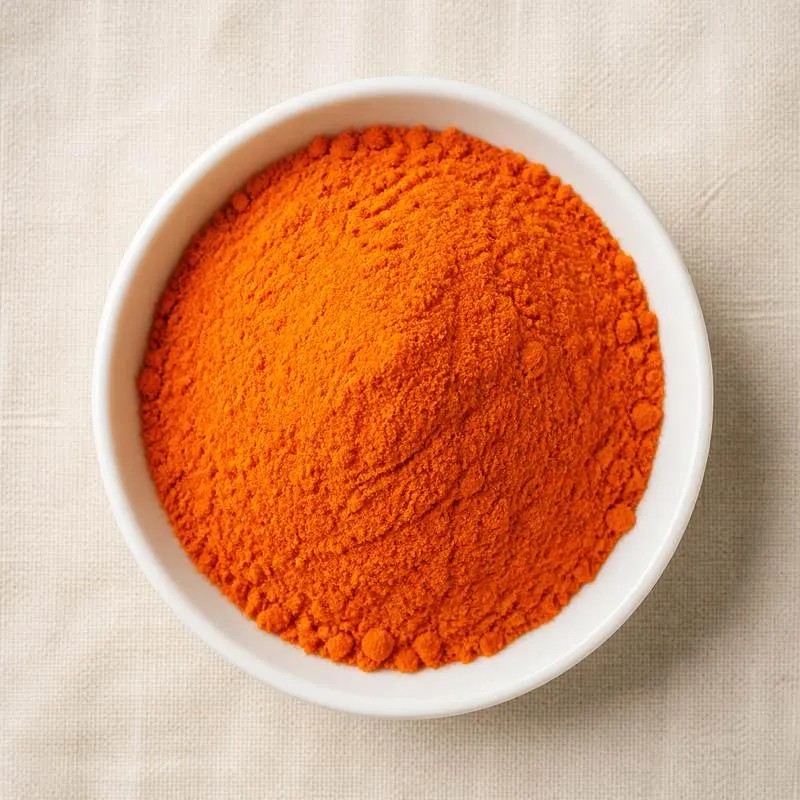
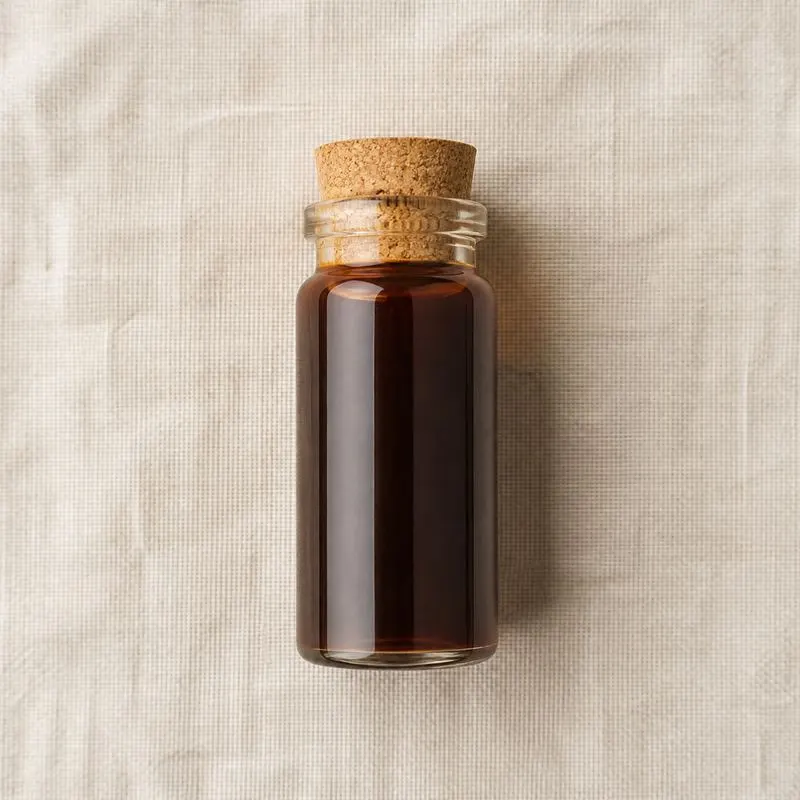
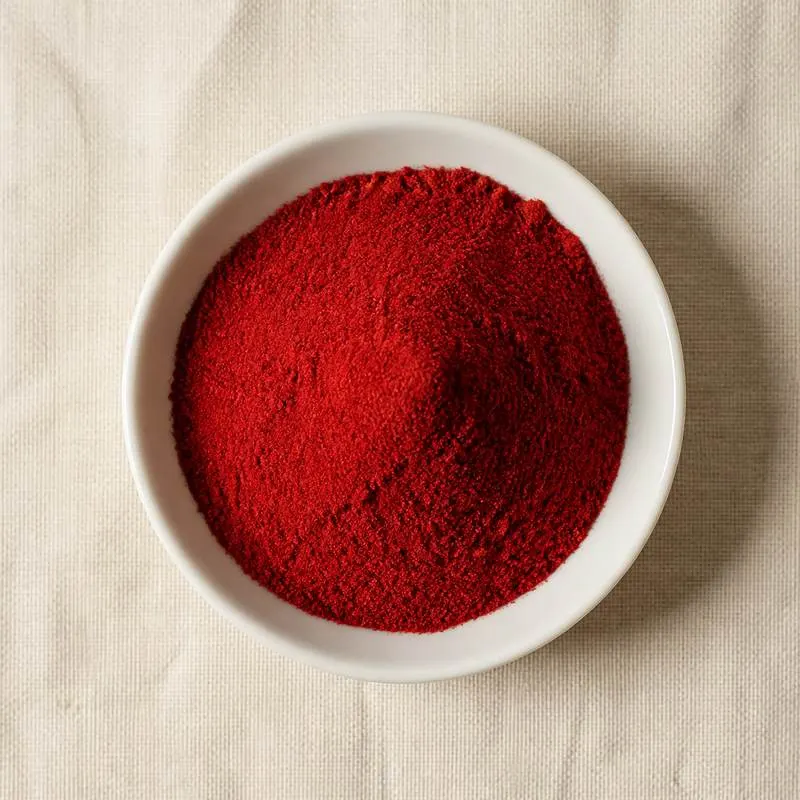
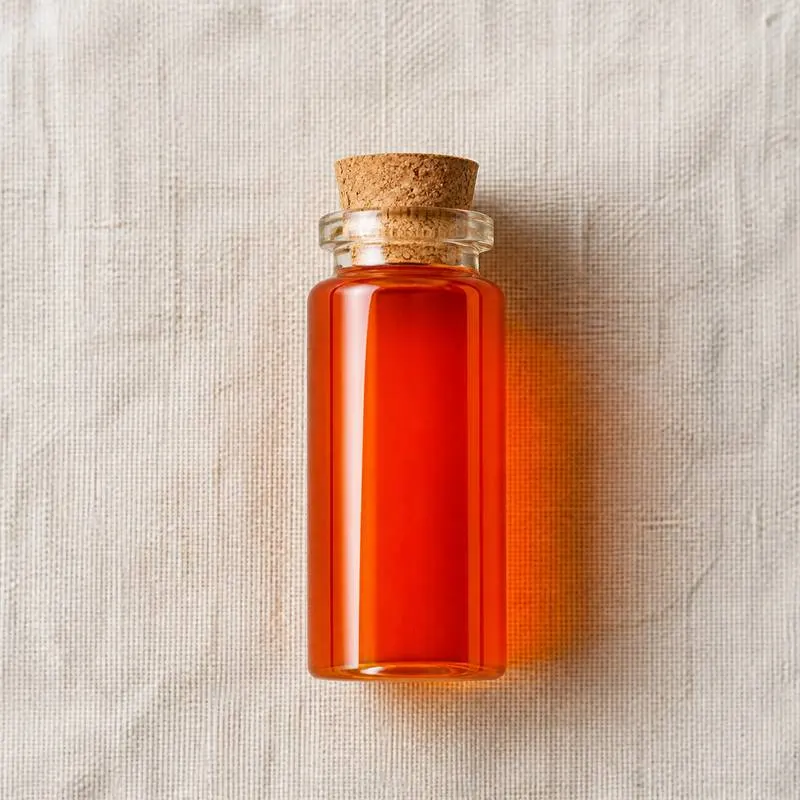
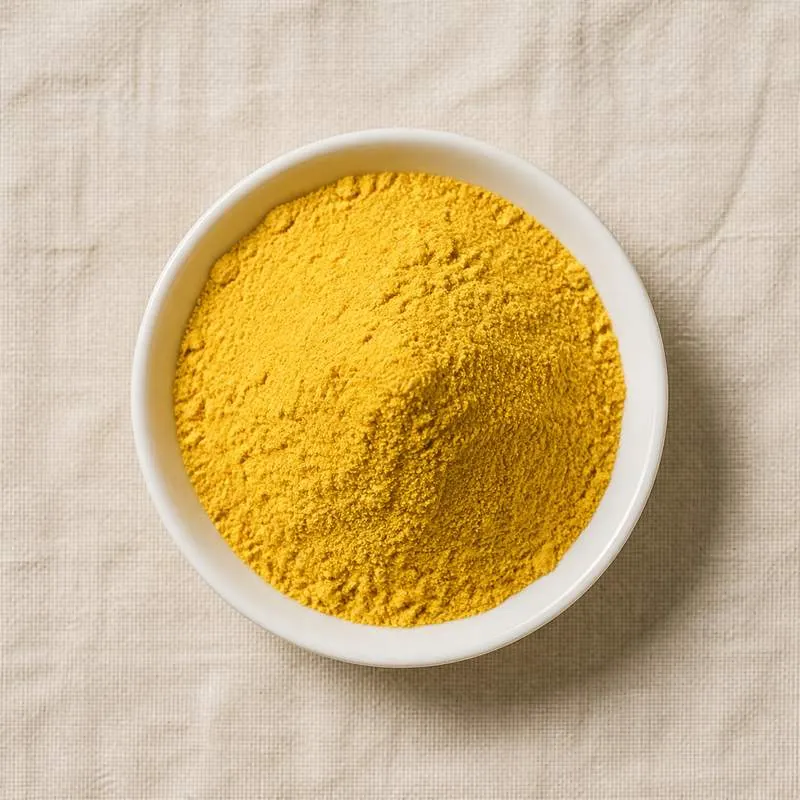
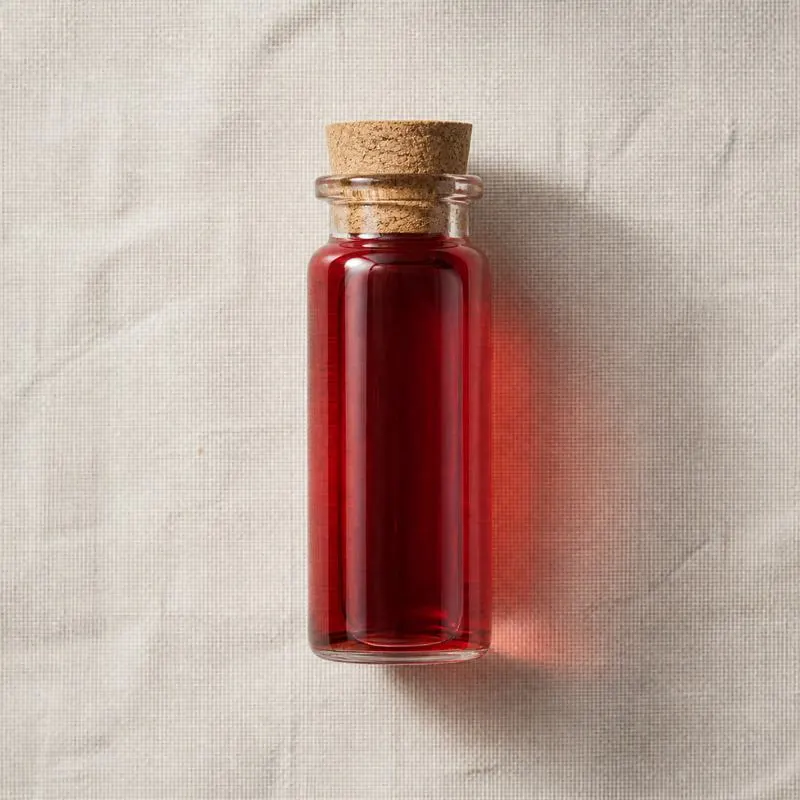
| Appearance | Dark red liquid or red-brown powder |
| Color Value (U/g) | ≥1,000 (powder) / ≥500 (liquid) |
| pH | 4.0–7.0 |
| Moisture | ≤6.0% (powder) |
| Citrinin | ≤0.2 mg/kg |
| Lead | ≤2.0 mg/kg |
| Arsenic | ≤1.0 mg/kg |
| Total Plate Count | ≤1,000 CFU/g |
| E. coli | Not detected |
| Shelf Life | 18 months |
| Purity/Assay (Food Grade) | ≥ 1.0% |
| Moisture/Loss on Drying | ≤ 8.0% |
| Heavy Metals | ≤ 10 mg/kg |
| Yeast & Mold | ≤ 100 cfu/g |
Common Markets Grades
Monascus Red is graded by colour value (E1%, 1 cm at the absorbance maximum near 500 nm) and by hue (red, burgundy, or yellow variants).
Standard red liquid grades at colour values of 100 to 300 carry aqueous ethanol or propylene glycol as the carrier, suited to meat injection brines and to fermented bean products.
Spray-dried red powders at colour values of 100, 200, and 400 are produced for sausage mixes, surimi, confectionery, and dry seasoning blends. A maltodextrin or dextrin carrier is typical.
Yellow Monascus grades are produced from the same fermentation by selection of strain and processing conditions that favor monascin and ankaflavin. Burgundy grades blend red and yellow pigment streams to achieve the warmer brown-red tones used in roast-style meat surfaces.
Citrinin-controlled grades, processed by strain selection and downstream purification to keep citrinin below the strictest regional limits, are increasingly standard for export-oriented food applications.
Applications
- Chinese-style sausages, lap cheong, and cured meat products
- Roast pork (char siu), red-cooked meats, and Cantonese barbecue surfaces
- Fermented red bean curd (furu) and pickled vegetable preparations
- Red rice wines, rice vinegars, and traditional fermented beverages
- Surimi and fish-cake products for surface red colour
- Confectionery including jellies, gummies, and panned coatings in Asian markets
- Bakery fillings and rice-cake (mochi-style) preparations
- Tofu products and plant-based meat analogues for red interior colour
- Pet food and treats in the natural-colour category
- Asian-style noodle sauces, marinades, and chili-paste blends
- Soy-based seasoning oils for visible warm colour in finished dishes
Brands Using Monascus Red
Widely-distributed consumer products that list Monascus Red on the ingredient label.
- Nature's BountyRed Yeast Rice 600 mg ↗Active ingredient: Red Yeast Rice Powder (Monascus purpureus) 1,200 mg per 2-capsule serving. Sold by Nature's Bounty as a dietary supplement.Label verified 2026-05-24
- NOW FoodsRed Yeast Rice 600 mg Veg Capsules ↗Product page states the supplement is produced by fermenting red yeast (Monascus purpureus) with white rice. Active ingredient is the Monascus-fermented rice.Label verified 2026-05-24
- NOW FoodsRed Yeast Rice Extract 1,200 mg Tablets ↗Red Yeast Rice Extract produced by Monascus purpureus fermentation; carefully produced to avoid citrinin.Label verified 2026-05-24
- Puritan's PrideRed Yeast Rice 600 mg ↗Puritan's Pride Red Yeast Rice 600 mg capsules with red yeast rice fermented from Monascus purpureus; other ingredients gelatin, rice flour, silica, magnesium stearate.Label verified 2026-05-24
Brand names, product names and logos are the property of their owners. They appear here as published evidence that the ingredient is used, taken from the brand's own label or website. Their appearance is not an endorsement, and it does not mean the brand buys from us or from any manufacturer listed on this site.
China Manufacturers of Monascus Red
Top Monascus Red manufacturers in China.
 Bionature Co., Ltd.8 ingredients in the directory
- Fuzhou Longlixin Biological Products Co., Ltd.3 ingredients in the directory
 Guangdong Kelong Biotechnology.Co., Ltd.2 ingredients in the directory
 Guangdong Tianyi Biotechnology Co., Ltd.4 ingredients in the directory
- Gutian County Fengchi Biotechnology Co., Ltd.2 ingredients in the directory
- Hubei Well-being Biotechnology Co., Ltd.7 ingredients in the directory
 Shandong Zhonghui Biotechnology Co., Ltd.6 ingredients in the directory
Company names and logos are the property of the manufacturers themselves. They are listed here because our own directory records them as producing this ingredient. A listing is not an endorsement by them, and we do not represent them or speak on their behalf.
How We Help Source Monascus Red
Direct Factory Sourcing
We run the whole process: selecting the manufacturer from the top Chinese food ingredient producers, negotiating the price, verifying quality, and coordinating the logistics. You deal with us instead of with several factories at once.
Original Packaging and Documents from the Manufacturer
The manufacturer sends your Monascus Red out of its own factory in the original packing, through to your destination port. The COA, COO, MSDS, TDS and any certifications reach you from the manufacturer as well.
Free Samples and Lead Time
We send 100 to 500 g free for your own laboratory to test and you cover only the courier, usually within 2 to 3 working days. ETD is usually within 7 to 15 days once the order is confirmed, and we check that date against the factory's own manufacturing schedule before we give it to you.
Combined Shipment
We can load Monascus Red together with other ingredients such as Beta Carotene, Caramel Colour and Lycopene into one 20' FCL. If your quantity is small, we can also ship LCL.
Regulatory Status
Monascus pigments are permitted as food colourants in much of East and Southeast Asia, including Japan, where they appear in the List of Existing Food Additives, and across many Southeast Asian markets that reference Japanese or Korean specifications.
The colourant is not approved as a food additive in the European Union and does not carry an E number. The European Food Safety Authority has expressed concerns about citrinin exposure from Monascus-fermented products and has set strict limits on citrinin in red yeast rice food supplements under Commission Regulation 2019/1901.
The U.S. Food and Drug Administration does not list Monascus pigments as approved colour additives. Red yeast rice products containing meaningful levels of monacolin K (lovastatin) have been treated as unapproved drugs by the agency.
JECFA has not established an ADI for Monascus pigments. Halal and Kosher certifications exist from producers that document the substrate and processing aids, although the broader supply base is variable.
Manufacturing Process
Monascus Red is produced by fermentation of Monascus purpureus, traditionally on steamed rice in shallow trays (the solid-state route that gives red yeast rice) and increasingly in submerged liquid culture for industrial colourant grades.
In the solid-state route, sterilised polished rice is inoculated with the mould, incubated under controlled humidity and temperature for one to two weeks, and harvested when the grains have developed a deep red colour throughout. The dried fermented rice is milled into a powder or extracted with aqueous ethanol to recover the pigment fraction.
In the submerged route, the mould is grown in stirred-tank fermenters on glucose or starch hydrolysates with appropriate nitrogen and mineral inputs. Strain selection focuses on high pigment yield, on shifting the pigment balance toward the red shades, and on minimising the secondary metabolite citrinin, which is a kidney toxin associated with some Monascus strains.
For colourant rather than red yeast rice supplement use, the fermentation broth is filtered, extracted, and processed through adsorbent or chromatographic steps that concentrate the azaphilone pigments and remove citrinin. The polished extract is standardised to colour value and either packaged as a liquid or spray-dried.