Rhamnose
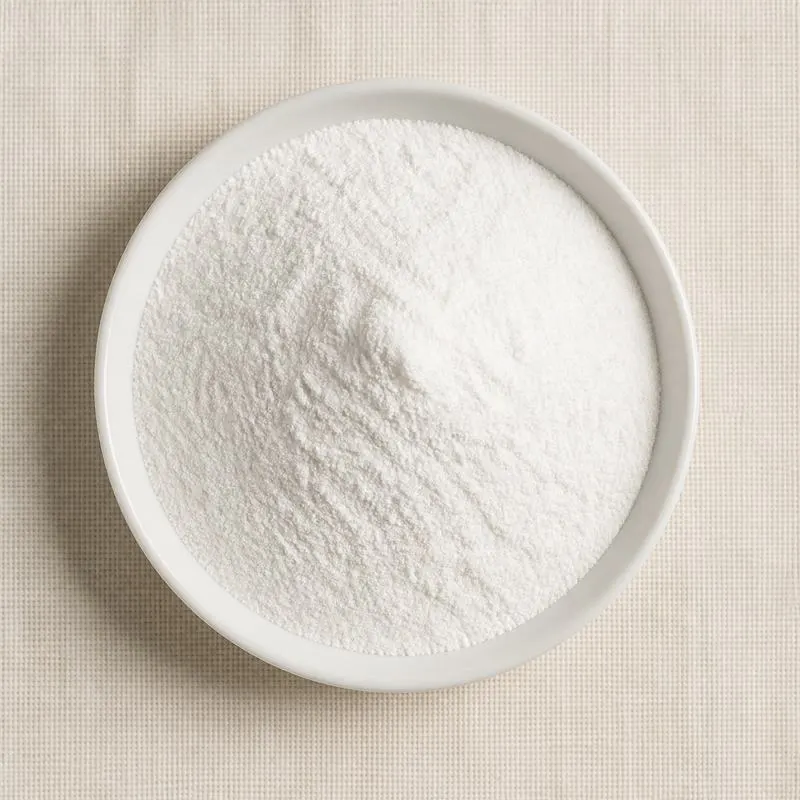
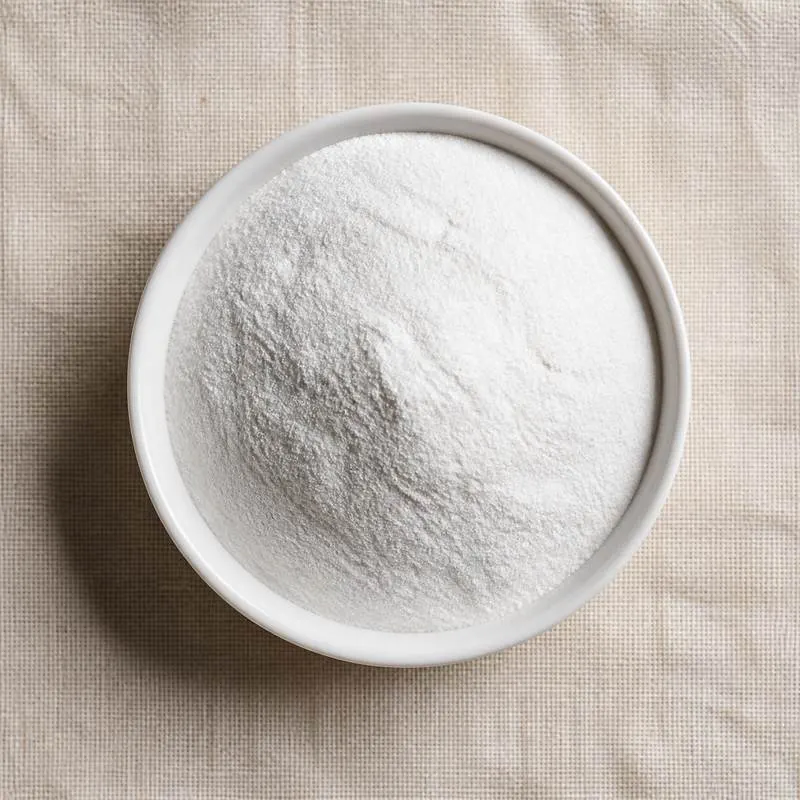
Rhamnose is the generic name for the natural deoxy sugar L-rhamnose, a 6-deoxy-L-mannose with the formal anhydrous formula C₆H₁₂O₅.
In essentially all commercial and biochemical contexts the unqualified term refers to the L-form, since the D-enantiomer occurs only rarely in nature and is not produced at commercial scale.
The commercial form is normally the monohydrate crystal, though many flavour-industry and biochemistry catalogues list it simply as rhamnose. It serves as a chiral building block, a flavour precursor, and the sugar moiety of important plant glycosides.
We source bulk Rhamnose from top China manufacturers for our partners. The manufacturer is in Zhejiang. A smaller requirement can ship in a combined container with other ingredients.
Please send the grade you need, the volume and your destination port, and we will come back with a solution and a price.
or call +86-21-6858 0751
- Packaging
- 25 kg kraft paper bag with PE inner liner
- ISO 9001
- HACCP
- Halal
- Kosher
Specifications
| Item | Specification |
|---|---|
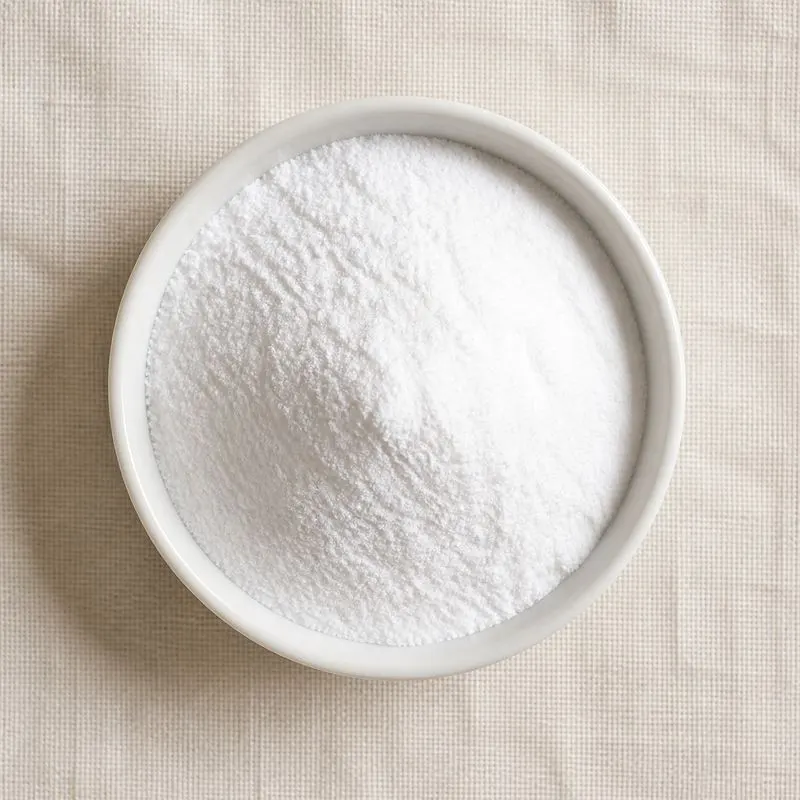
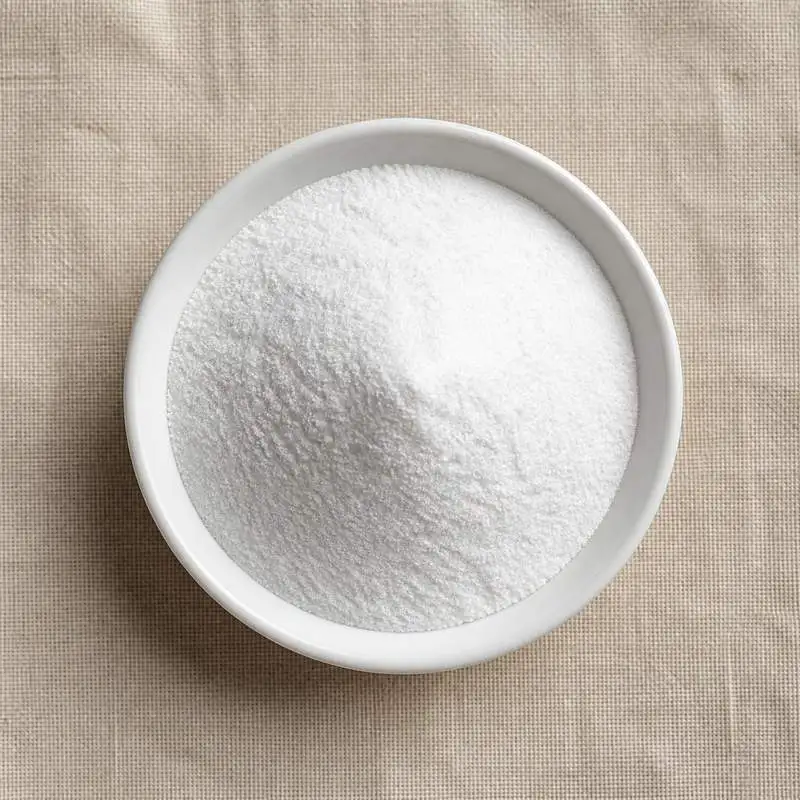
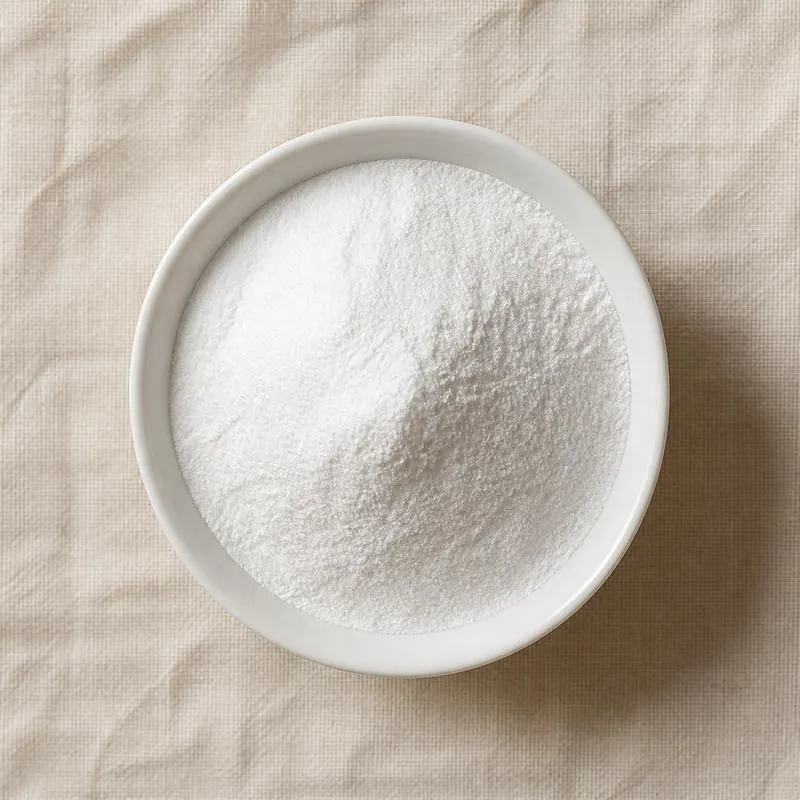
| Appearance | White crystalline powder |
| Assay (dried basis) | ≥ 98.0% |
| Specific Optical Rotation [α]D²⁰ | +7.0° to +9.5° (anhydrous) / −7.5° to −9.0° (L-form, equilibrium) |
| Loss on Drying | ≤ 0.5% |
| pH (10% solution) | 4.0–7.0 |
| Residue on Ignition | ≤ 0.1% |
| Heavy Metals (as Pb) | ≤ 5 mg/kg |
| Lead (as Pb) | ≤ 1 mg/kg |
| Arsenic (as As) | ≤ 1 mg/kg |
| Total Plate Count | ≤ 500 CFU/g |
| Yeast & Mold | ≤ 50 CFU/g |
| E. coli | Negative/g |
Common Markets Grades
Rhamnose is graded for biochemistry, flavour industry, and pharmaceutical research use.
The standard commercial form is the monohydrate crystal at 98 to 99 percent purity, used as a free-flowing white powder.
Anhydrous rhamnose grades are produced by careful drying of the monohydrate, for use in moisture-sensitive synthesis.
Pharmaceutical-grade material runs at 99.5 percent or higher purity for use in oligosaccharide synthesis and glycoconjugate research.
Bulk industrial grade is produced for fermentation feedstock and bioconversion applications, particularly for furaneol flavour production.
Applications
- Substrate for natural production of furaneol and related strawberry-pineapple flavour compounds
- Chiral building block in pharmaceutical and fine chemistry synthesis
- Component in oligosaccharide synthesis for glycomic research
- Sugar moiety in studies of plant flavonoid glycosides
- Substrate in fermentation media for specialty bioproducts
- Component of cosmetic actives targeting skin barrier and microbiome
- Reagent in biofilm and bacterial polysaccharide research
- Carbon source for selective microbial cultivation
- Reference compound in carbohydrate chromatography
- Specialty sweetener for research and pharmaceutical formulation work
- Source of L-rhamnose for biotechnological cascade conversions
Brands Using Rhamnose
Widely-distributed consumer products that list Rhamnose on the ingredient label.
- Vichy (L'Oreal)Vichy LiftActiv Supreme Firming Anti-Aging Night Cream ↗Vichy UK product page features LiftActiv Supreme Night Cream as formulated with rhamnose, a naturally-derived plant sugar extracted from silver birch; rhamnose appears in the INCI list as a key active.Label verified 2026-05-25
- Vichy (L'Oreal)Vichy Dercos Densi-Solutions Thickening Shampoo ↗Official Vichy UK product page states the formula is 'enriched in rhamnose and filloxane for stronger, thicker, healthy looking hair'; rhamnose is featured on the product page as a key ingredient.Label verified 2026-05-25
Brand names, product names and logos are the property of their owners. They appear here as published evidence that the ingredient is used, taken from the brand's own label or website. Their appearance is not an endorsement, and it does not mean the brand buys from us or from any manufacturer listed on this site.
China Manufacturers of Rhamnose
Top Rhamnose manufacturers in China.

Company names and logos are the property of the manufacturers themselves. They are listed here because our own directory records them as producing this ingredient. A listing is not an endorsement by them, and we do not represent them or speak on their behalf.
How We Help Source Rhamnose
Direct Factory Sourcing
We run the whole process: selecting the manufacturer from the top Chinese food ingredient producers, negotiating the price, verifying quality, and coordinating the logistics. You deal with us instead of with several factories at once.
Original Packaging and Documents from the Manufacturer
The manufacturer sends your Rhamnose out of its own factory in the original packing, through to your destination port. The COA, COO, MSDS, TDS and any certifications reach you from the manufacturer as well.
Free Samples and Lead Time
We send 100 to 500 g free for your own laboratory to test and you cover only the courier, usually within 2 to 3 working days. ETD is usually within 7 to 15 days once the order is confirmed, and we check that date against the factory's own manufacturing schedule before we give it to you.
Combined Shipment
We can load Rhamnose together with other ingredients such as Fructooligosaccharides, Dextrose and Dextrose Monohydrate into one 20' FCL. If your quantity is small, we can also ship LCL.
Regulatory Status
Rhamnose is recognised as a permitted starting material for natural flavour production under U.S. and European natural flavour regulations.
The U.S. FDA accepts L-rhamnose in flavour manufacture and as a research reagent. Pharmaceutical-grade material is covered under drug master files for specific synthetic processes.
EFSA and other European authorities have not flagged any safety concern at the modest exposures resulting from flavour and minor food use.
Kosher and Halal certifications are routinely available from leading manufacturers.
Manufacturing Process
Rhamnose is produced principally by hydrolysis of citrus flavonoid glycosides.
Naringin from grapefruit peel and quercitrin from oak bark are the dominant industrial starting materials. The glycoside is hydrolysed with mild acid or with α-L-rhamnosidase enzyme to release the aglycone and free L-rhamnose.
The aglycone is filtered out. The aqueous rhamnose-rich solution is decolorised with activated carbon, demineralized by ion exchange, and concentrated.
Crystallisation yields L-rhamnose monohydrate. The crystals are washed, dried under gentle conditions to preserve the crystal water, and milled.
An alternative biotechnology route ferments selected fungi or bacteria on rhamnose-rich substrates to produce purified rhamnose, particularly for high-end applications.