Rna
RNA in the ingredient trade means ribonucleic acid extracted from yeast biomass, normally Saccharomyces cerevisiae or Candida utilis, and sold as a purified sodium salt. It is a polymer of the four ribonucleotides adenylate, guanylate, cytidylate and uridylate linked through phosphodiester bonds, and its industrial value lies in being the cheapest concentrated source of those nucleotides.
Two markets take it. The larger is as feedstock for enzymatic hydrolysis into individual 5'-nucleotides, which are then converted into the umami flavour enhancers disodium inosinate and disodium guanylate or purified as the single nucleotides used in infant formula. The smaller market takes the intact polymer as a nutritional nucleotide source in feed and in supplements, where the free nucleotides released during digestion are the point.
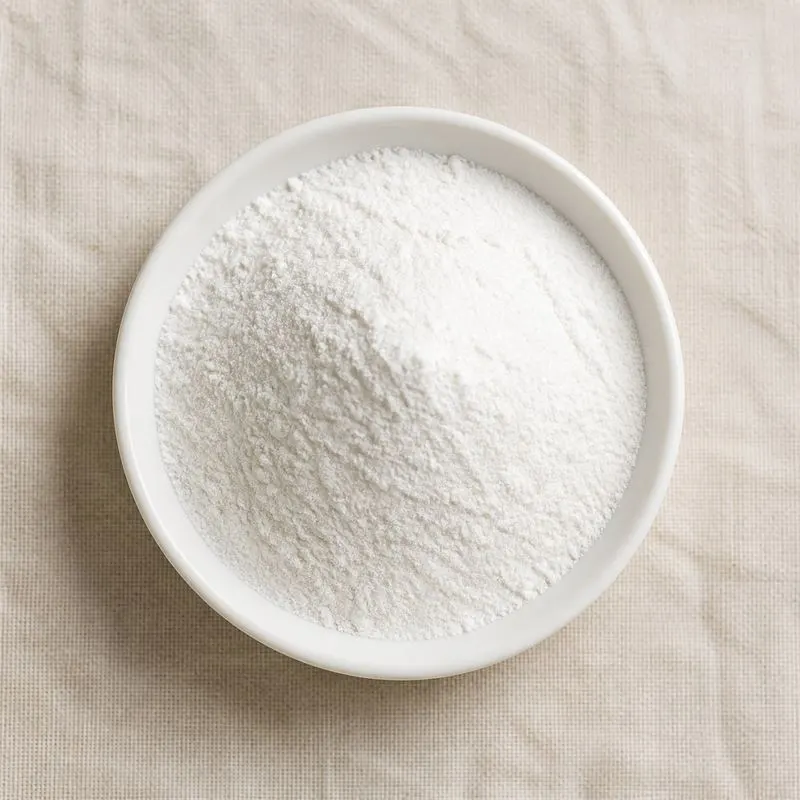
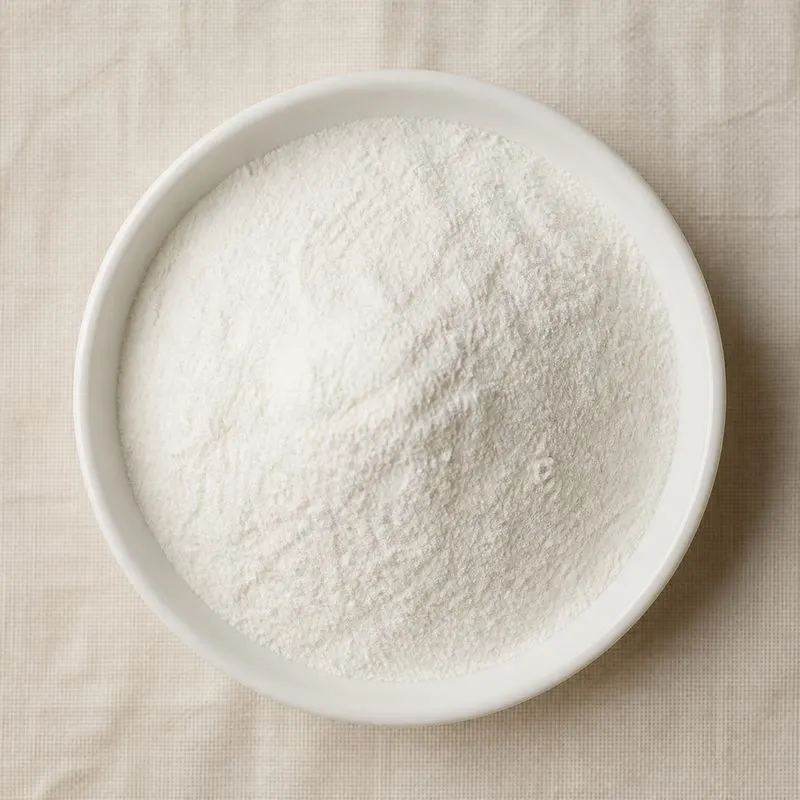
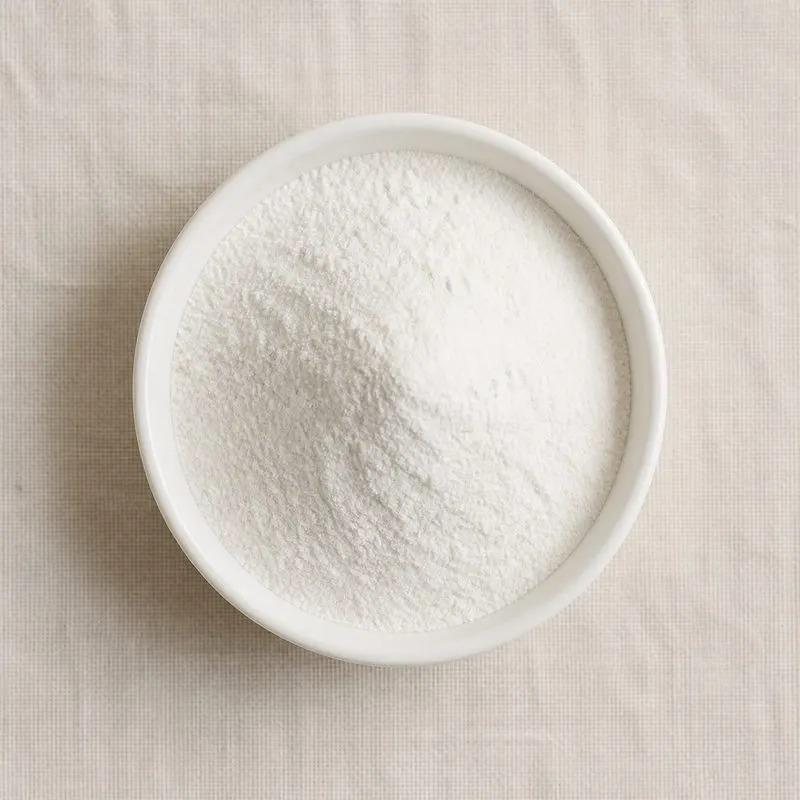
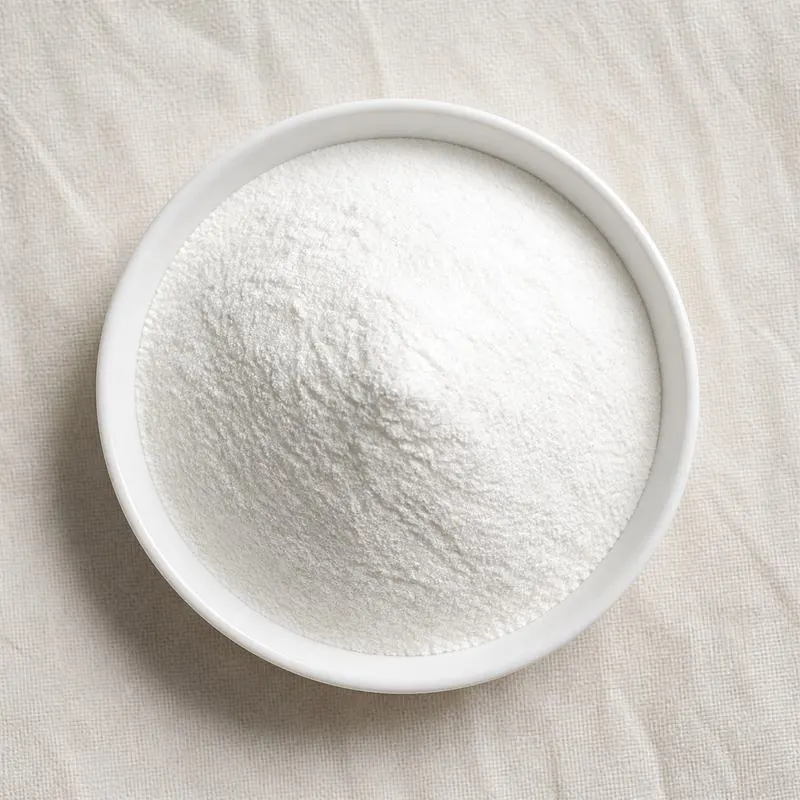
The commercial material is an off white to pale yellow powder, hygroscopic, with an RNA content commonly specified at a minimum of 70 or 80 percent on the dry basis. It is soluble in dilute alkali and only sparingly soluble in neutral water, so it is normally dissolved by raising the pH. The polymer is stable dry but hydrolyses in solution under heat or extremes of pH, which is precisely the reaction used downstream.
We source bulk Rna from top China manufacturers for our partners. The manufacturer is in Liaoning. A smaller requirement can ship in a combined container with other ingredients.
Please send the grade you need, the volume and your destination port, and we will come back with a solution and a price.
or call +86-21-6858 0751
- Function
- Probiotic
Specifications
| Item | Specification |
|---|---|
| Appearance | Off white to pale yellow powder |
| Odour | Slight, characteristic of yeast, free from putrid notes |
| RNA Content, dry basis | ≥ 80.0% by ultraviolet absorption |
| Identification | Ultraviolet maximum near 260 nm, positive ribose reaction |
| Protein, N x 6.25 | ≤ 6.0% |
| Loss on Drying | ≤ 8.0% |
| Ash | ≤ 10.0% |
| pH, 1% suspension | 5.5 to 7.5 |
| Heavy Metals as Pb | ≤ 10 mg/kg |
| Lead | ≤ 1.0 mg/kg |
| Arsenic | ≤ 1.0 mg/kg |
| Total Plate Count | ≤ 1,000 CFU/g |
| Yeast and Mould | ≤ 100 CFU/g |
| E. coli | Absent in 1 g |
| Salmonella | Absent in 25 g |
Common Markets Grades
The main grading variable is RNA content on the dry basis, with 70 percent and 80 percent minima the usual trade points and higher purity material produced where the downstream nucleotide separation demands it. Residual protein and ash are the other numbers a buyer looks at, since both carry through into the hydrolysate and add load to the ion exchange step.
Beyond purity, the material divides by intended use. Hydrolysis feedstock is bought on RNA content and price and is not required to meet the microbiological or sensory limits a food grade must. Food and supplement grade carries tighter heavy metal and microbiological specifications and a controlled colour and odour, and a feed grade is traded on RNA content alone. Particle size is not usually a specified property, since the powder is dissolved rather than dry blended.
Applications
- Feedstock for enzymatic hydrolysis to 5'-nucleotides, the dominant industrial outlet by volume
- Precursor to disodium inosinate and disodium guanylate, the purine nucleotide umami enhancers
- Source of the individual nucleotides added to infant formula to approximate the nucleotide content of human milk
- Nutritional nucleotide supplementation in piglet and calf starter feeds, where demand is high at weaning
- Aquaculture feed for shrimp and fish, where dietary nucleotides support gut and immune development
- Yeast extract manufacture, where controlled RNA hydrolysis generates the savoury nucleotide fraction in situ
- Microbiological and cell culture media, as a nitrogen and growth factor source
- Cosmetic formulations, where nucleotide preparations are used in skin conditioning products
China Manufacturers of Rna
Top Rna manufacturers in China.

Company names and logos are the property of the manufacturers themselves. They are listed here because our own directory records them as producing this ingredient. A listing is not an endorsement by them, and we do not represent them or speak on their behalf.
Regulatory Status
In the United States yeast derived ribonucleic acid is handled principally as a manufacturing intermediate, and the regulatory status attaches to the substances made from it: disodium inosinate and disodium guanylate are permitted flavour enhancers, and the individual nucleotides added to infant formula are subject to the infant formula nutrient requirements and to the general food additive and GRAS framework. Dried yeast and yeast products are themselves affirmed as generally recognised as safe for food use, and feed use falls under the animal food framework and the relevant ingredient definitions.
In the European Union RNA itself is a food ingredient or processing intermediate rather than a food additive, so it carries no E number, while the ribonucleotide flavour enhancers derived from it are authorised additives with their own numbers under the food additives regulation. Nucleotides permitted in infant and follow-on formula are listed in the delegated regulation covering those products, which sets out the chemical forms that may be used. Codex covers the derived flavour enhancers in its General Standard for Food Additives, and JECFA has evaluated the ribonucleotides as a group.
Manufacturing Process
Production starts from yeast grown specifically for the purpose, since RNA content falls as the culture ages and a young, rapidly growing cell carries far more of it. Biomass is produced by fed batch aerobic fermentation on molasses or a glucose substrate, harvested early in the growth phase, and concentrated by centrifugal separation into a cream. The cells are washed to remove residual medium.
The cream is then given a thermal or alkaline shock, typically a short high temperature hold or treatment with dilute sodium hydroxide, which permeabilises the cell and releases the nucleic acid into solution while inactivating the yeast's own ribonucleases before they can degrade the polymer. Cell debris and insoluble protein are removed by centrifugation and filtration, and the RNA is precipitated from the clarified liquor by acidification to its isoelectric range or by adding a water miscible solvent such as ethanol. The precipitate is recovered by centrifugation, washed to remove protein and salts, redissolved and reprecipitated where a higher purity grade is called for, then dried under vacuum or by spray drier and milled. Assay is by ultraviolet absorption or by colourimetric determination of ribose.