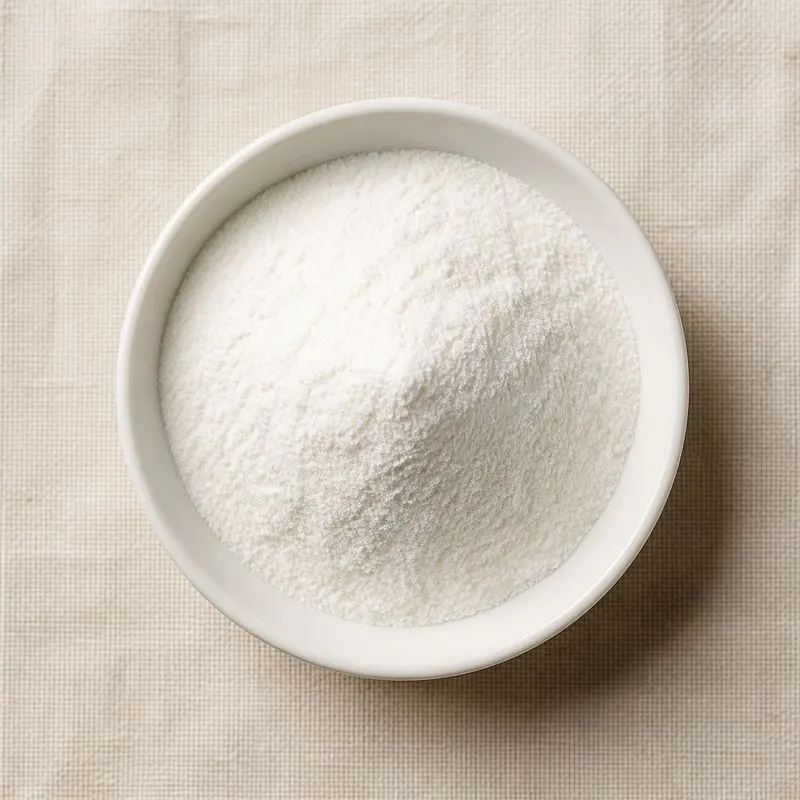
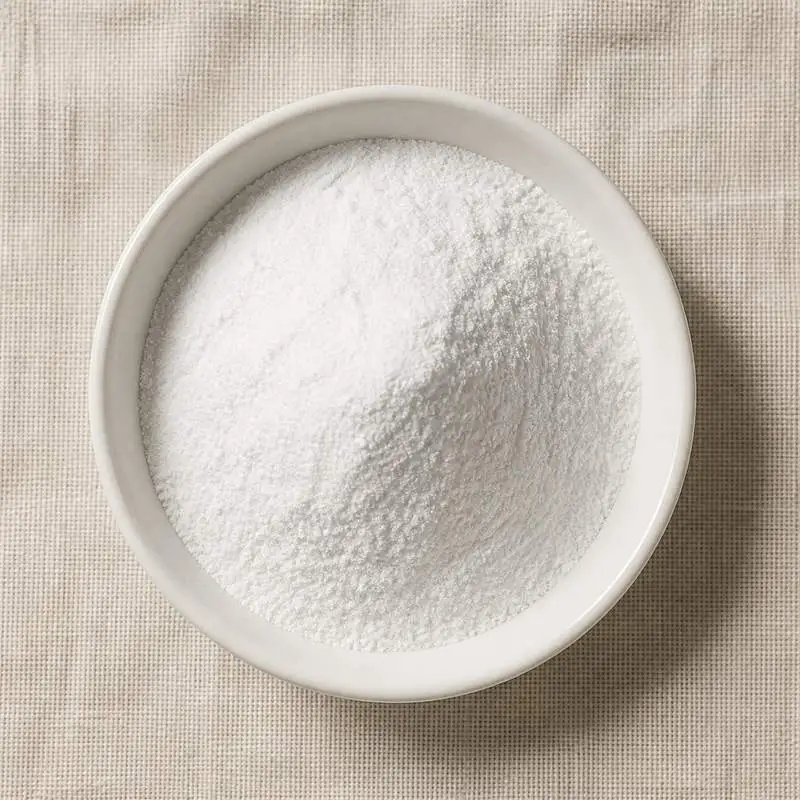
Salmon Essence
Salmon essence is the concentrated aqueous extract of salmon flesh, frames and trimmings, recovered by hot water or enzymatic extraction and reduced to a paste or dried to a powder. It belongs to the marine extract family alongside bonito, scallop and oyster extracts, and it is traded both as a savoury base that carries the flavour of cooked salmon and as a nutritive concentrate sold on its content of free amino acids and imidazole dipeptides, chiefly anserine and carnosine.
The ingredient consists of the soluble fraction of salmon muscle: free amino acids, low molecular weight peptides from partial hydrolysis of myofibrillar protein, nucleotides including inosinic acid, organic acids, and minerals. Anserine is the marker most often specified, because it is abundant in salmon muscle and is the basis of the ingredient's positioning in supplements.
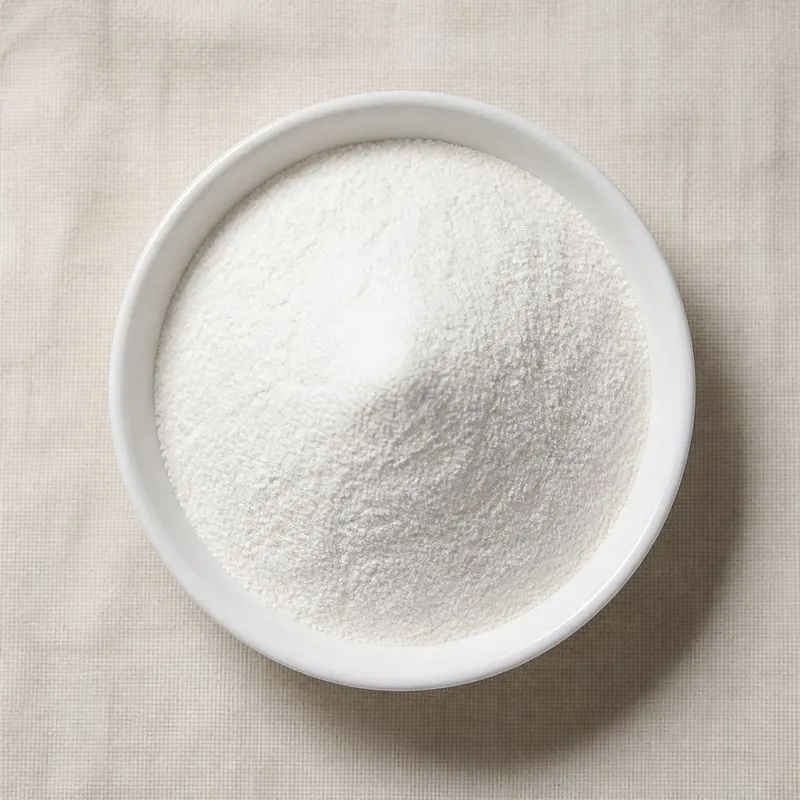
Commercial material is a light to dark brown viscous paste at around 40 to 60 percent solids, or a spray dried free flowing powder, usually carried on maltodextrin. Both forms are hygroscopic. The powder dissolves readily in warm water to give a clear to slightly hazy brown solution with a savoury, distinctly fishy aroma, and the extract is stable to pasteurisation and to retort, though prolonged heating in the presence of reducing sugars darkens it through Maillard browning.
We source bulk Salmon Essence from top China manufacturers for our partners. The manufacturer is in Shanghai. A smaller requirement can ship in a combined container with other ingredients.
Please send the grade you need, the volume and your destination port, and we will come back with a solution and a price.
or call +86-21-6858 0751
- Function
- Nutraceutical
Specifications
| Item | Specification |
|---|---|
| Appearance | Light brown to brown free flowing powder |
| Odour and taste | Characteristic savoury salmon aroma, umami taste |
| Total nitrogen, dry basis | Not less than 8.0 percent |
| Amino nitrogen | Not less than 3.0 percent |
| Anserine, HPLC | Not less than 10.0 percent for standardised grade |
| Loss on drying | Not more than 6.0 percent |
| Ash | Not more than 15.0 percent |
| Sodium chloride | Not more than 8.0 percent |
| Fat | Not more than 2.0 percent |
| pH, 1 percent solution | 5.5 to 7.0 |
| Histamine | Not more than 50 mg/kg |
| Lead | Not more than 0.5 mg/kg |
| Arsenic | Not more than 1.0 mg/kg |
| Mercury | Not more than 0.5 mg/kg |
| Total plate count | Not more than 10000 cfu/g |
| Yeast and mould | Not more than 100 cfu/g |
| Escherichia coli | Absent in 1 g |
| Salmonella | Absent in 25 g |
Common Markets Grades
Two families are traded. Culinary or seasoning grade is sold on solids, salt and nitrogen content, in paste and in spray dried powder, with the powder declared as an extract percentage on a maltodextrin or salt carrier. Standardised nutraceutical grade is sold on anserine content, commonly declared at 10 or 30 percent, and is deodorised and decolourised more heavily so that the marine note does not carry into a capsule or a drink.
Within each family buyers specify salt added or salt free, degree of hydrolysis where a protease has been used, and low bitterness grades produced with an exopeptidase finish that clips the bitter hydrophobic peptides. Deodorised and low odour cuts, kosher and halal certification, and non-GMO carrier declarations are common additions. Species identification by PCR is often required, since the feedstock is a fishery by-product and substitution with other salmonids or with generic white fish is a known issue.
Applications
- Retort soups, chowders and bisques, where the extract supplies the cooked salmon note that flesh alone loses during sterilisation
- Seafood sauces, dressings and mayonnaise style products, contributing savoury depth without visible particulate
- Instant noodle and rice seasoning sachets, as the dried marine base of the flavour system
- Surimi and fish cake formulations, restoring flavour lost during the washing of the mince
- Savoury snack and cracker seasonings in East Asian markets, where salmon is an established flavour direction
- Anserine standardised supplements in capsule, tablet and stick pack form, marketed on purine metabolism and exercise recovery
- Amino acid drinks and jelly sticks, using deodorised powder that stays clear in an acidic beverage
- Premium pet food and cat treat palatants, where marine extracts drive acceptance
- Aquaculture and companion animal feed attractants, as a soluble stimulant coated onto extruded pellets
- Culinary bases for foodservice, sold as paste for dilution into stocks and glazes
China Manufacturers of Salmon Essence
Top Salmon Essence manufacturers in China.

Company names and logos are the property of the manufacturers themselves. They are listed here because our own directory records them as producing this ingredient. A listing is not an endorsement by them, and we do not represent them or speak on their behalf.
Regulatory Status
In the United States a salmon extract prepared by cooking and concentrating edible fish tissue is treated as a food ingredient rather than as a food additive, and the operation falls under the seafood HACCP requirements in 21 CFR Part 123 as well as the preventive controls rules for human food. Where a protease is used, that enzyme must itself be an approved or GRAS food processing aid for the stated use. Fish must be declared as a major food allergen on any finished product containing the extract. Nutraceutical grades standardised for anserine are sold as dietary ingredients under the supplement framework, with manufacture under 21 CFR Part 111.
In the European Union the culinary extract is regulated as a food ingredient, not an additive, so it has no E number; the plant must be approved for products of animal origin and fish allergen labelling applies. A concentrated fraction standardised well beyond the composition of the traditional extract may fall within the novel food framework, and material intended for that use is assessed case by case. Codex has no commodity standard specific to fish extract, though the general standards on contaminants and on food hygiene apply, and JECFA has not evaluated it as an additive. Histamine is the contaminant of practical importance and is controlled by specification and by chilled handling of the incoming raw material.
Manufacturing Process
Salmon frames, heads and trimmings left after filleting are washed, minced and charged to a jacketed extraction vessel with water. Extraction is carried out hot, at temperatures around eighty to ninety degrees Celsius for a culinary base, or at a lower temperature with an added food grade protease where a higher yield of peptides and free amino acids is wanted. The enzyme is then inactivated by a short heat step. The slurry is separated on a decanter centrifuge, the bone and insoluble protein residue is diverted to meal, and the liquor is passed through a disc separator to strip the oil, which is recovered as a separate salmon oil stream.
The defatted liquor is clarified by filtration or by a ceramic membrane, then decolourised and deodorised on activated carbon, more heavily for nutraceutical grades than for culinary ones. Concentration is by falling film or plate evaporation under vacuum, kept at low temperature to limit browning, and gives the paste grade directly. For powder, the concentrate is standardised with maltodextrin, pasteurised, and spray dried in a tall form drier, then sieved, checked for metal and packed in lined drums or foil lined bags. Nutraceutical grades add an ion exchange or nanofiltration step ahead of drying to raise the anserine declaration and to remove salt.