Salmon Nasal Cartilage
Salmon nasal cartilage is the cartilaginous tissue of the snout of chum and other Pacific salmon, recovered as a by product of fish processing and used as the raw material for proteoglycan. It is the industrial source of that ingredient because the tissue is unusually rich in the aggrecan type proteoglycan and because the heads, which have little other food value, are available in volume during the season.
Proteoglycan is a bottlebrush macromolecule in which a core protein carries dozens of covalently attached glycosaminoglycan chains, chiefly chondroitin sulphate, giving a molecule of very high molecular weight and very high negative charge density. Alongside it the cartilage carries type II collagen, hyaluronic acid, free chondroitin sulphate and minor cartilage proteins. It is the proteoglycan fraction that the nutraceutical trade buys, and finished extracts are specified on it.
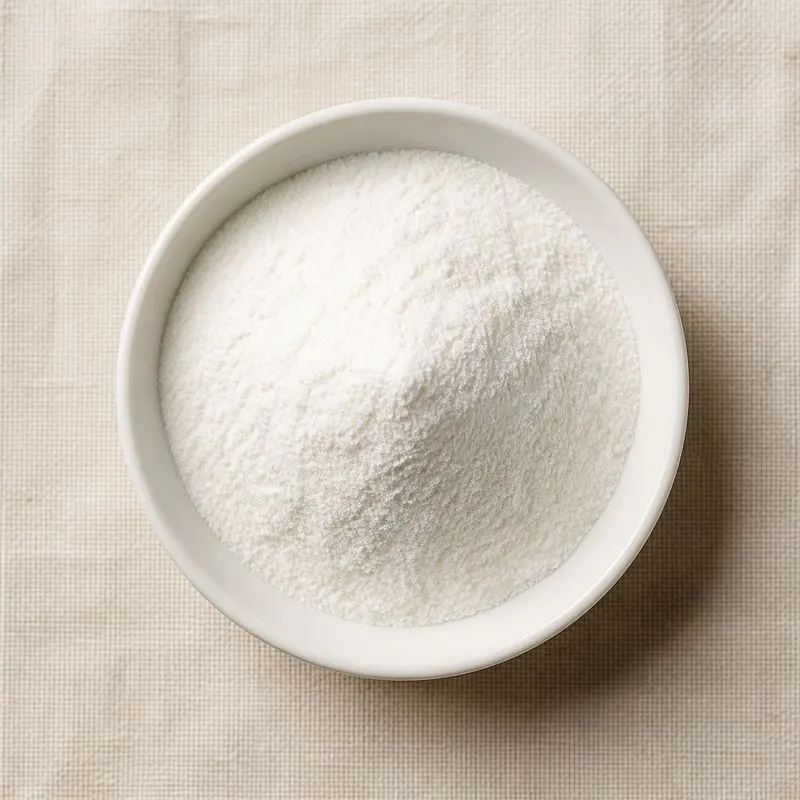
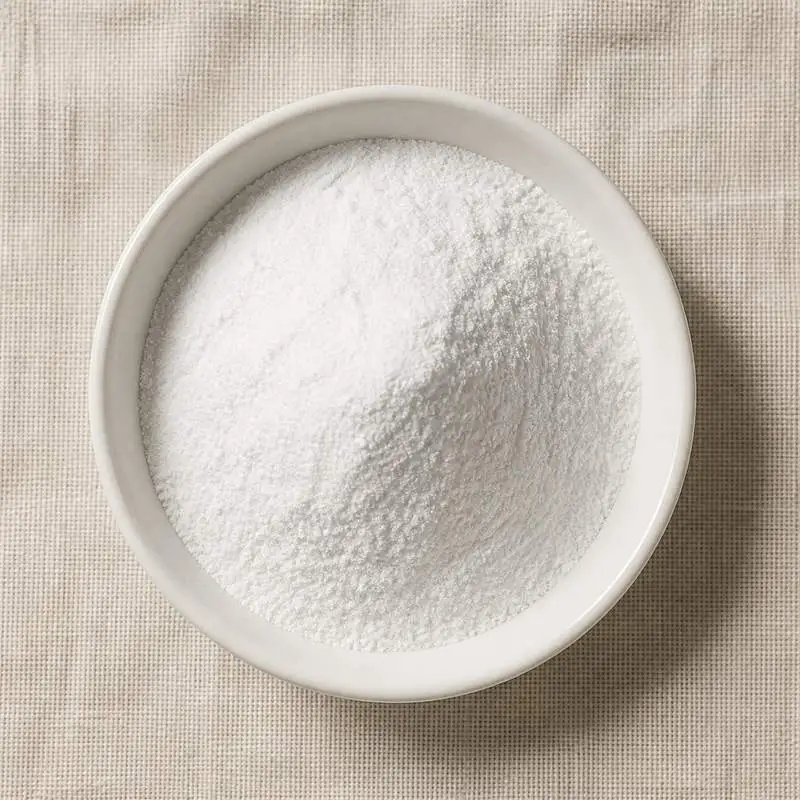
The dried cartilage itself is pale cream chips, granules or powder. Extracts are white to pale yellow hygroscopic powders. Proteoglycan is water soluble and gives viscous solutions at low concentration because of the extended, heavily hydrated structure of the molecule, and viscosity falls sharply if the core protein is cleaved or the chains are shortened. The molecule is stable in neutral aqueous solution but is degraded by strong acid, by heat above about 80 degrees Celsius and by proteases, which is why the extraction process is run cold and mild and why the manufacturing route rather than the assay is what distinguishes grades.
We source bulk Salmon Nasal Cartilage from top China manufacturers for our partners. The manufacturer is in Shanghai. A smaller requirement can ship in a combined container with other ingredients.
Please send the grade you need, the volume and your destination port, and we will come back with a solution and a price.
or call +86-21-6858 0751
- Function
- Nutraceutical
Specifications
| Item | Specification |
|---|---|
| Appearance | White to pale yellow powder, free of visible foreign matter |
| Odour and taste | Faint characteristic marine, free of putrid notes |
| Identification | Glycosaminoglycan profile conforms to salmon cartilage proteoglycan reference |
| Proteoglycan content, dry basis | 30.0 percent minimum |
| Chondroitin sulphate | 15.0 percent minimum |
| Crude protein | 20.0 to 45.0 percent |
| Loss on drying | 8.0 percent maximum |
| Residue on ignition | 20.0 percent maximum |
| pH, 1 percent aqueous solution | 5.0 to 7.5 |
| Residual acetic acid | 1.0 percent maximum |
| Mercury | 0.5 mg/kg maximum |
| Lead | 1.0 mg/kg maximum |
| Cadmium | 0.5 mg/kg maximum |
| Arsenic | 1.0 mg/kg maximum |
| Total plate count | 3,000 cfu/g maximum |
| Yeast and mould | 100 cfu/g maximum |
| Escherichia coli | Absent in 1 g |
| Salmonella | Absent in 25 g |
Common Markets Grades
The raw material is traded as frozen cartilage, as dried and milled cartilage powder, and as defatted cartilage meal, specified on protein, ash and residual soft tissue. This form is sold as a whole cartilage ingredient rather than as a purified active.
Extract grades are defined by proteoglycan content and by the extraction chemistry. Dilute acetic acid extraction is the route that yields intact high molecular weight proteoglycan and is specified where viscosity and molecular integrity matter; grades run from around 10 percent proteoglycan in crude extracts to 30 percent and above in purified material, with high purity grades above 90 percent traded in small volume for research and cosmetic use. Enzymatically digested and hydrolysed grades give a lower molecular weight, lower viscosity product with better solubility and are specified by their peptide and glycosaminoglycan content instead.
Related fractions from the same tissue are traded separately: chondroitin sulphate specified on assay and molecular weight, type II collagen and its undenatured form, and hyaluronic acid. Buyers across the range specify the fish species and origin, the season, allergen documentation, and a heavy metal package appropriate to a marine raw material. Food, supplement and cosmetic grades differ mainly in their microbiological limits and in the residual solvent and acid specification.
Applications
- Joint health supplements, the principal outlet, where proteoglycan is dosed alone or with glucosamine, chondroitin sulphate and type II collagen
- Skin and beauty from within supplements, where proteoglycan is positioned on moisture retention and dermal support
- Functional beverages, jellies and drinkable collagen products, where hydrolysed grades dissolve without building viscosity
- Chondroitin sulphate production, where the cartilage is the feedstock for a separately purified glycosaminoglycan
- Type II collagen ingredients, both hydrolysed and undenatured, drawn from the same tissue
- Cosmetic serums, creams and masks, where proteoglycan acts as a humectant and film former in the same role as hyaluronic acid
- Combination bone and cartilage formulations, blended with calcium, vitamin D and vitamin K
- Sports and mobility products aimed at joint comfort during training
- Pet supplements, where cartilage powder and proteoglycan are used in canine and feline joint products
China Manufacturers of Salmon Nasal Cartilage
Top Salmon Nasal Cartilage manufacturers in China.

Company names and logos are the property of the manufacturers themselves. They are listed here because our own directory records them as producing this ingredient. A listing is not an endorsement by them, and we do not represent them or speak on their behalf.
Regulatory Status
In the United States salmon nasal cartilage and its proteoglycan extract are used as dietary ingredients under the Dietary Supplement Health and Education Act, with manufacture subject to current good manufacturing practice at 21 CFR Part 111 and a new dietary ingredient notification expected where a pre-1994 marketing history cannot be shown. There is no food additive regulation covering proteoglycan, so use in conventional food would rest on an independent GRAS conclusion for the specified conditions of use. Fish is a major food allergen and must be declared with the species named under the Food Allergen Labelling and Consumer Protection Act. Handling of the raw cartilage falls under the seafood hazard analysis and critical control point regulation at 21 CFR Part 123. Claims are limited to structure and function statements, since no authorised health claim covers joint ingredients.
In the European Union proteoglycan preparations from salmon nasal cartilage have no established history of significant consumption before May 1997 and fall within the scope of the Novel Food Regulation, Regulation (EU) 2015/2283, requiring authorisation and entry on the Union list before food or food supplement use. Fish must be declared as an allergen under the Food Information to Consumers Regulation. The hygiene rules for fishery products in Regulation (EC) No 853/2004 govern the collection and processing of fish by products intended for human consumption, and material that enters as an animal by product rather than as food is additionally subject to Regulation (EC) No 1069/2009. The finished ingredient is subject to the statutory maximum levels for heavy metals in fishery products, in particular mercury, lead and cadmium. Cosmetic use falls under Regulation (EC) No 1223/2009. Codex Alimentarius has no standard covering proteoglycan; its general standard for contaminants and its code of practice for fish and fishery products provide the applicable international reference.
Manufacturing Process
Salmon heads are collected during the processing season and either used fresh or frozen. The nasal cartilage, a firm translucent block in the snout, is cut out by hand or by mechanical trimming, then washed to remove blood, skin and adhering muscle. Cleaning matters, because residual soft tissue carries protease activity and raises the protein and lipid load in the extract.
Cleaned cartilage is minced and defatted, usually by washing with water and, where necessary, with a short solvent or alkaline treatment, then the tissue is extracted. The route that defines the ingredient is extraction with dilute acetic acid at low temperature over a period of hours to days. The acid loosens the collagen network and releases the proteoglycan into solution without cleaving the core protein, which is what distinguishes this method from the harsh alkaline and proteolytic routes historically used on cartilage and which is why the resulting molecule retains its high molecular weight. Enzymatic routes are used instead where a low viscosity hydrolysate is the objective, digesting the tissue with a food grade protease at controlled temperature and pH.
The extract is separated from the residual collagen matrix by centrifugation and filtration, then neutralised. Purification is by a combination of steps chosen for the target grade: ultrafiltration and diafiltration to remove salt, acid and low molecular weight peptides while retaining the proteoglycan; ion exchange chromatography, which works well because the molecule is strongly anionic; and alcohol precipitation to recover the polysaccharide rich fraction. Activated carbon treatment removes colour and odour.
The purified concentrate is sterile filtered where the grade requires it and dried, by spray drying at a low outlet temperature or by lyophilisation for the high molecular weight grades. Dried powder is milled, sieved, assayed for proteoglycan and packed with desiccant behind a moisture barrier. The residual collagen matrix is recovered as a collagen or gelatine raw material rather than discarded.