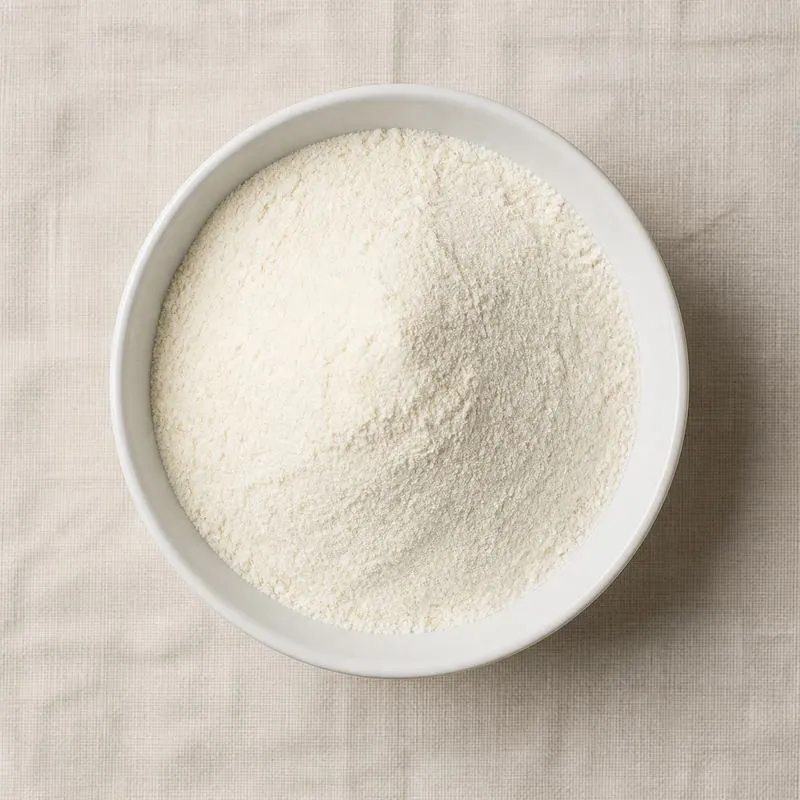
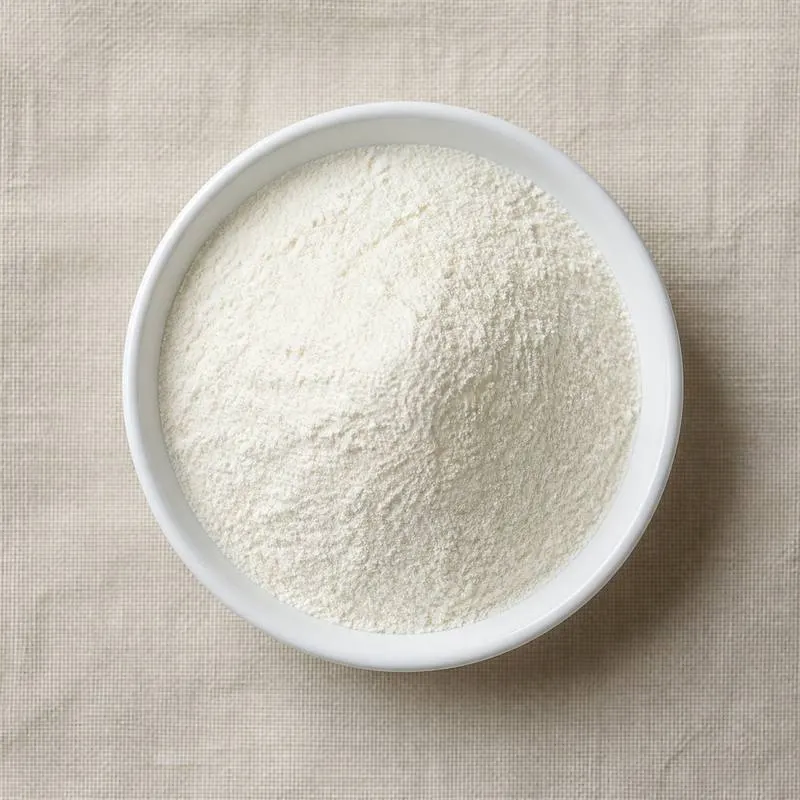
Sea Cucumber Peptide
Sea Cucumber Peptide is an enzymatic hydrolysate of the body wall of sea cucumbers, marine echinoderms of the class Holothuroidea, processed into a low molecular weight water-soluble protein fraction.
Common source species include Apostichopus japonicus, the Japanese sea cucumber that dominates the Chinese aquaculture industry, and Holothuria scabra, the sandfish, alongside several tropical species from Southeast Asia.
We source bulk Sea Cucumber Peptide from top China manufacturers for our partners, working with several of them. The manufacturers are in Shandong and Fujian. A smaller requirement can ship in a combined container with other ingredients.
Please send the grade you need, the volume and your destination port, and we will come back with a solution and a price.
or call +86-21-6858 0751
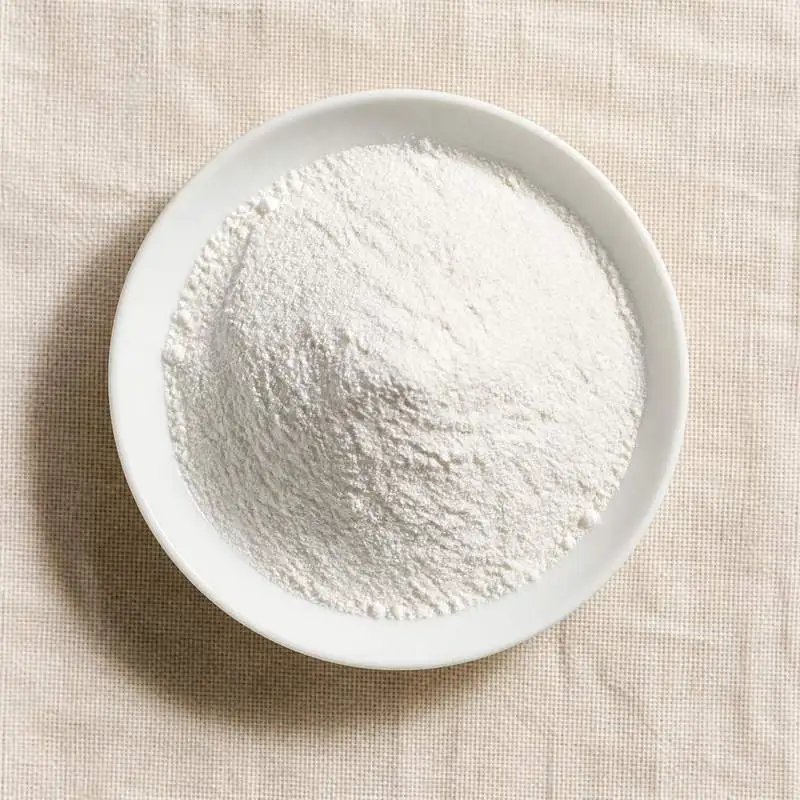
- Packaging
- 25 kg kraft paper bag with PE inner liner
- ISO 9001
- HACCP
- Halal
- Kosher
Specifications
Grades / Types Available: Food Grade
| Item | Specification |
|---|---|
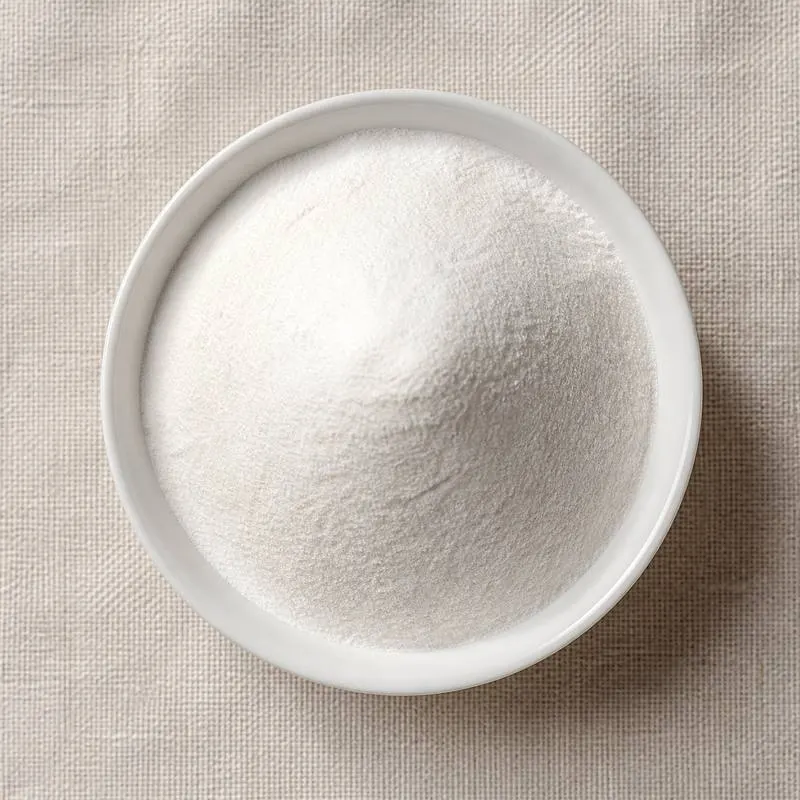
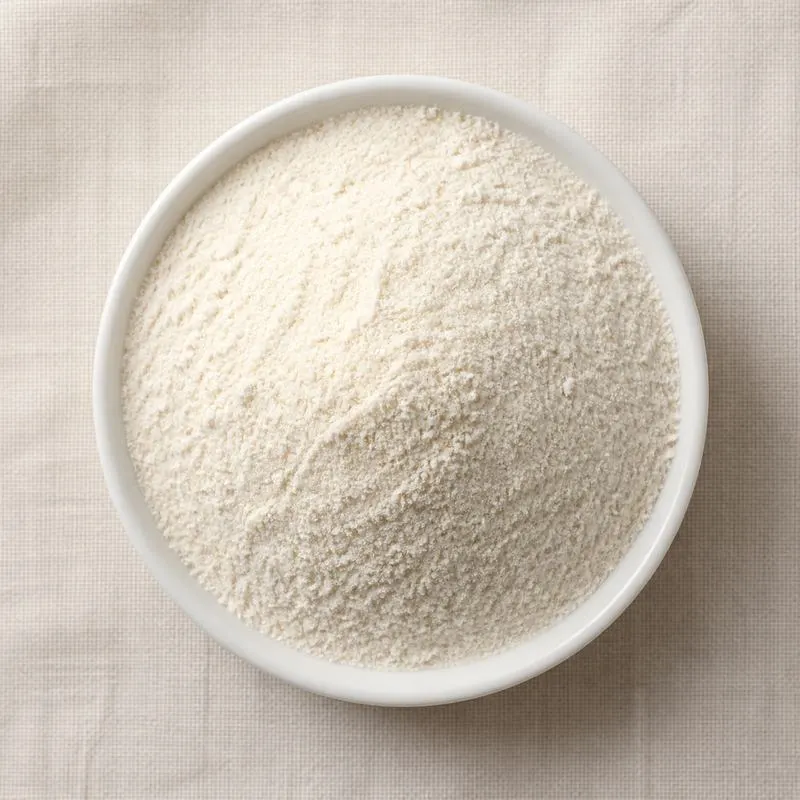
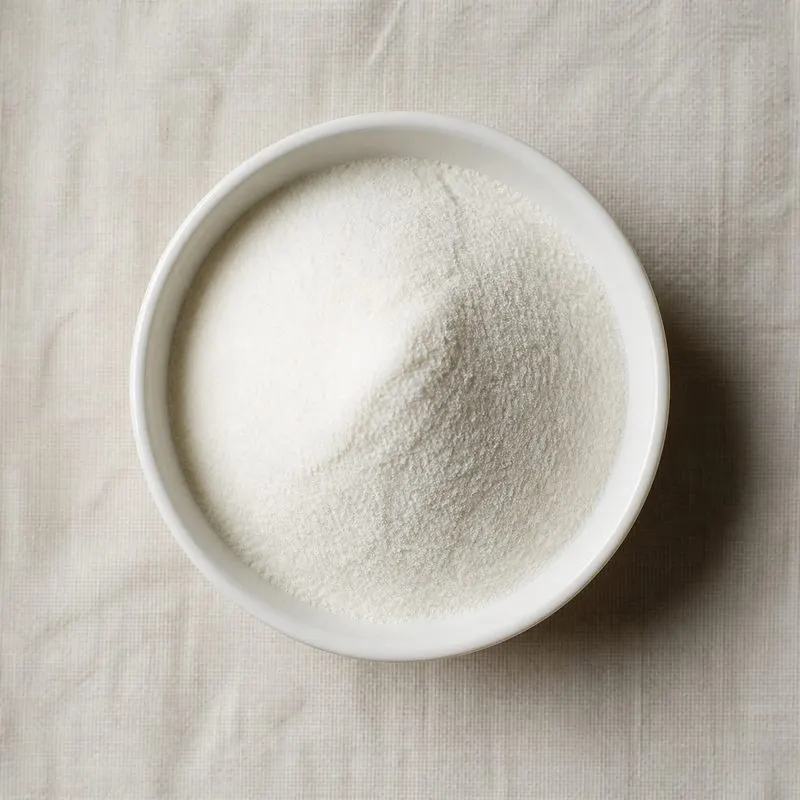
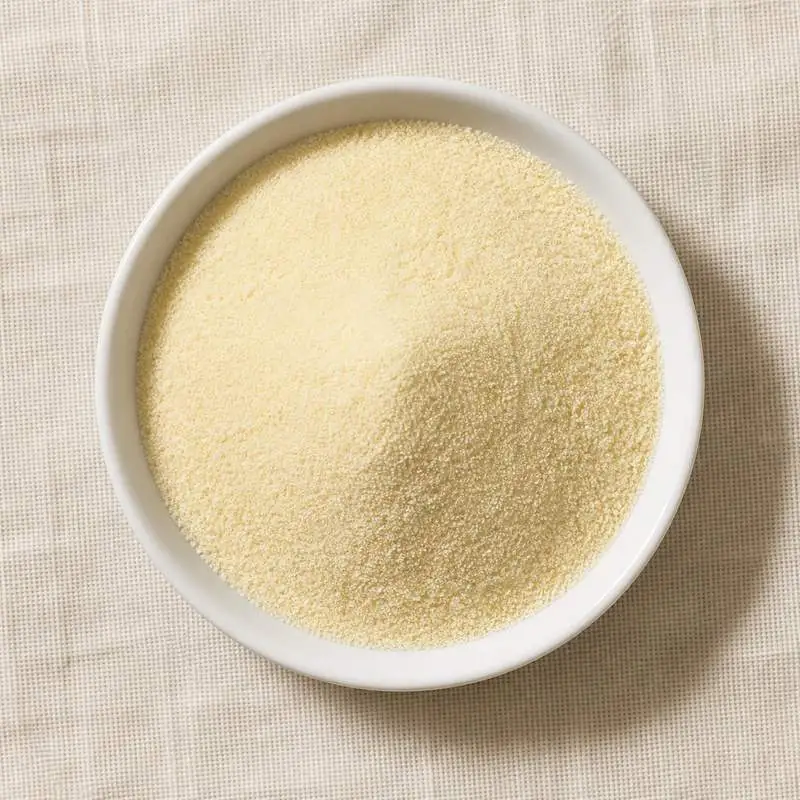
| Appearance | Light yellow to tan free-flowing powder |
| Protein (N×6.25, dry basis) | ≥ 80.0% |
| Peptide Content (< 2,000 Da) | ≥ 80.0% |
| Chondroitin Sulfate | ≥ 1.0% |
| Saponin Content | ≥ 0.5% |
| Moisture | ≤ 7.0% |
| Ash | ≤ 8.0% |
| Fat | ≤ 2.0% |
| pH (1% solution) | 5.5–7.5 |
| Solubility | ≥ 95.0% |
| Heavy Metals (as Pb) | ≤ 2 mg/kg |
| Lead (as Pb) | ≤ 0.5 mg/kg |
| Arsenic (as As) | ≤ 1 mg/kg |
| Mercury (as Hg) | ≤ 0.5 mg/kg |
| Total Plate Count | ≤ 10,000 CFU/g |
| Yeast & Mold | ≤ 100 CFU/g |
| E. coli | Negative/g |
| Salmonella | Negative/25g |
| Inorganic Arsenic (ppm) | ≤ 0.5 |
| Sea Cucumber Polysaccharide (%) | ≥ 2 |
| Coliforms (cfu/g) | n=5 , c=2 , m=10 , M=100 |
| Pathogens (cfu/g) | Not Detectable |
Common Markets Grades
Sea Cucumber Peptide is graded by peptide molecular weight, protein content, and the residual content of the characteristic sea cucumber components such as mucopolysaccharides and saponins.
Standard food grade typically delivers 80 to 90 percent protein on a dry basis, with most peptides below 5000 Daltons. This grade is the standard choice for capsules, tablets, and oral liquid products.
Oligopeptide grade is hydrolysed further and filtered to push average molecular weight below 1000 Daltons. It is the format used in premium tonic shots and clinical nutrition applications.
Some premium product lines explicitly retain a defined level of sea cucumber polysaccharide, marketed as a sea cucumber peptide and polysaccharide complex, which carries a price premium over a pure peptide product. Source species is the other major price differentiator, with Apostichopus japonicus material trading well above tropical species hydrolysates.
Applications
- Premium tonic oral liquid shots in the East Asian health food channel
- Capsule and tablet supplements positioned around joint comfort, immune support, and general vitality
- Combination supplements with marine collagen, glucosamine, or chondroitin in joint formulas
- Senior-targeted health products in the Chinese, Korean, and Japanese markets
- Clinical and post-surgical nutrition formats
- Sports nutrition recovery products seeking a premium marine protein source
- Functional jellies and gummies in the beauty-from-within and joint support categories
- Skincare essences, serums, and ampoules in the high-end Asian beauty channel
- Hair-care ampoules and scalp treatments in salon products
- Premium pet supplements for senior cats and dogs in the Asian market
Brands Using Sea Cucumber Peptide
Widely-distributed consumer products that list Sea Cucumber Peptide on the ingredient label.
- SwansonSwanson Premium Sea Cucumber 500 mg ↗A whole sea-cucumber capsule supplying 500 mg of sea-cucumber protein and peptide fractions with naturally occurring chondroitin sulphate.Label verified 2026-05-24
- Deep Blue Health New ZealandDeep Blue Health Sea Cucumber Capsules ↗Wild Pacific sea-cucumber capsules (500 mg) delivering sea-cucumber peptide, chondroitin sulphate, triterpene glycosides and immune-active amino acids for joint and immune support.Label verified 2026-05-24
- Arctic StarArctic Star Wild Iceland Sea Cucumber Capsules ↗Capsules of wild-caught Atlantic sea cucumber from Iceland, 400 to 500 mg each, sold under the Chinese-Canadian 北极星海参 brand.Label verified 2026-05-24
Brand names, product names and logos are the property of their owners. They appear here as published evidence that the ingredient is used, taken from the brand's own label or website. Their appearance is not an endorsement, and it does not mean the brand buys from us or from any manufacturer listed on this site.
China Manufacturers of Sea Cucumber Peptide
Top Sea Cucumber Peptide manufacturers in China.
 Dezhou Lanli Biotechnology Co., Ltd.10 ingredients in the directory
- Fujian Public Health Biotechnology Co., Ltd.4 ingredients in the directory
 Lankun Marine Biotechnology (Yantai) Co., Ltd.12 ingredients in the directory
 Shandong Hailongyuan Bio-tech Co., Ltd.10 ingredients in the directory
Company names and logos are the property of the manufacturers themselves. They are listed here because our own directory records them as producing this ingredient. A listing is not an endorsement by them, and we do not represent them or speak on their behalf.
How We Help Source Sea Cucumber Peptide
Direct Factory Sourcing
We run the whole process: selecting the manufacturer from the top Chinese food ingredient producers, negotiating the price, verifying quality, and coordinating the logistics. You deal with us instead of with several factories at once.
Original Packaging and Documents from the Manufacturer
The manufacturer sends your Sea Cucumber Peptide out of its own factory in the original packing, through to your destination port. The COA, COO, MSDS, TDS and any certifications reach you from the manufacturer as well.
Free Samples and Lead Time
We send 100 to 500 g free for your own laboratory to test and you cover only the courier, usually within 2 to 3 working days. ETD is usually within 7 to 15 days once the order is confirmed, and we check that date against the factory's own manufacturing schedule before we give it to you.
Combined Shipment
We can load Sea Cucumber Peptide together with other ingredients such as Collagen Peptide, Soy Protein Isolate and Fish Collagen Peptide into one 20' FCL. If your quantity is small, we can also ship LCL.
Regulatory Status
Sea Cucumber Peptide is treated as a conventional food ingredient in China, where it falls under general food protein hydrolysate provisions. Multiple specific sea cucumber peptide products carry Blue Hat health-food registrations.
In Japan and Korea, sea cucumber has a long traditional food use, and hydrolysates from established source species are treated as food ingredients.
The United States accepts the ingredient as a food component with self-affirmed GRAS, subject to FDA seafood HACCP requirements. The animal is taxonomically distinct from molluscs and crustaceans and is not on the major US allergen list, but clear species labelling remains good practice.
In the European Union, hydrolysates from established food species of sea cucumber generally fall under traditional food provisions, although the relatively narrow EU consumption history means operators may seek individual confirmation for specific products.
Sustainability is a meaningful concern in the broader sea cucumber category. Several wild tropical species are listed on CITES Appendix II, and reputable suppliers source from licensed aquaculture rather than wild stocks, particularly for Apostichopus japonicus.
Manufacturing Process
Production starts with cleaned sea cucumber body wall, frequently sourced from the trim and undersized animals from the dried sea cucumber trade. Internal organs are typically removed at the primary processing stage.
The body wall is rich in collagen, mucopolysaccharides, and a tough extracellular matrix that is partly responsible for the distinctive chewy texture of dried sea cucumber. This matrix requires more aggressive pretreatment than fish muscle to make the protein accessible to enzymes.
The cleaned tissue is ground, often with an initial alkaline soak to loosen the matrix, then digested with food-grade proteases. Alcalase, papain, and bromelain are common, used in combination with neutrase or flavourzyme to manage the bitterness that can develop with deep hydrolysis of collagen-rich material.
The hydrolysate is heat-inactivated, centrifuged, and filtered through successive membranes. Ultrafiltration is standard, with the polysaccharide fraction either retained or separated depending on the target product specification.
The clarified stream is decolorised, deodorised, concentrated under vacuum, and spray-dried. Production is overwhelmingly concentrated in China, with the largest plants in Shandong, Liaoning, and Fujian.