Sealwort
Sealwort is the dried rhizome of Polygonatum species, chiefly Polygonatum sibiricum, Polygonatum cyrtonema and Polygonatum kingianum, known in the Chinese trade as huangjing and used both as a food raw material and as the starting material for standardised polysaccharide extracts.
The rhizome is dominated by a fructan-type polysaccharide fraction built largely of fructose and glucose units, which is the component extracts are standardised on. Alongside it sit steroidal saponins of the diosgenin and sarsasapogenin series, homoisoflavonoids, free sugars and mucilage. The raw rhizome is acrid and irritant, so traditional processing involves repeated steaming and sun drying, a treatment that hydrolyses part of the polysaccharide to reducing sugars, darkens the tissue through Maillard reaction, and removes the irritancy.
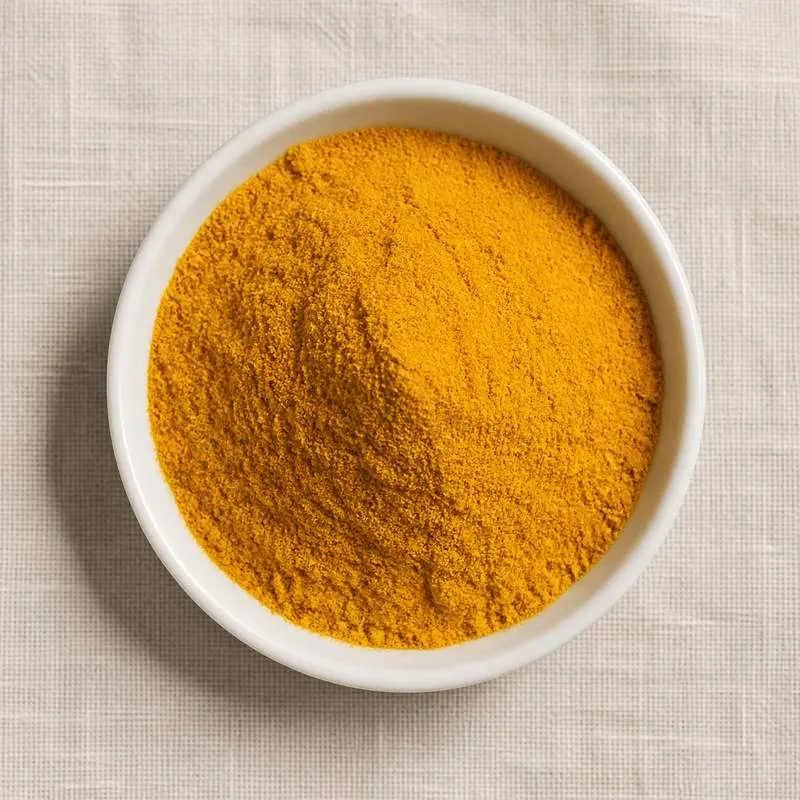
Sealwort trades as dried whole or sliced rhizome, as a nine-times steamed dark product, and as a spray-dried extract powder standardised on polysaccharide content. The extract is a light to dark brown powder, freely soluble in water to a slightly viscous solution and insoluble in ethanol above about 70 percent, which is the basis of the alcohol precipitation used to purify it. The polysaccharide is stable to pasteurisation but is progressively hydrolysed at low pH under prolonged heat.
We source bulk Sealwort from top China manufacturers for our partners. The manufacturer is in Shanghai. A smaller requirement can ship in a combined container with other ingredients.
Please send the grade you need, the volume and your destination port, and we will come back with a solution and a price.
or call +86-21-6858 0751
- Function
- Plant extract
Specifications
| Item | Specification |
|---|---|
| Appearance | Light to dark brown fine powder |
| Botanical source | Polygonatum sibiricum, dried rhizome |
| Polysaccharide as anhydroglucose | 50.0 percent minimum |
| Identification | Conforms by thin layer chromatography against reference |
| Extract ratio | 10:1 |
| Loss on drying | 7.0 percent maximum |
| Sulphated ash | 6.0 percent maximum |
| Particle size | 100 percent through 80 mesh |
| Residual ethanol | 0.5 percent maximum |
| Lead | 1.0 ppm maximum |
| Arsenic | 1.0 ppm maximum |
| Total plate count | 10,000 cfu per gram maximum |
| Yeast and mould | 500 cfu per gram maximum |
| E. coli | Negative in 1 gram |
| Salmonella | Negative in 25 grams |
Common Markets Grades
The crude drug is graded by species, by size and by degree of processing. Raw dried slices are the base grade; steamed material is sold by the number of steam and dry cycles applied, with the nine-cycle product commanding the highest price and showing the darkest colour and highest reducing sugar content. Whole rhizome is graded on piece size and on the absence of fibrous neck and rootlet.
Extracts are traded either as ratio extracts, commonly 4:1 to 20:1 without an assay, or as standardised grades declaring polysaccharide at 10, 30, 50 or 70 percent measured as anhydroglucose by the phenol sulphuric acid method. A saponin-standardised grade exists but is a much smaller trade. Powders are milled to pass 80 mesh, with instant granulated grades produced by fluid bed agglomeration for sachet drinks. Where the pure extract proves too hygroscopic to handle, a maltodextrin-carried spray-dried grade is sold with the carrier declared.
Applications
- Traditional Chinese herbal decoction pieces and granules, where the steamed rhizome is the dispensed form
- Herbal tonic drinks and instant sachet beverages, using the water-soluble standardised polysaccharide extract
- Immune-support and energy supplement capsules, blended with astragalus and other polysaccharide-bearing botanicals
- Compound herbal soup bases and stewing packs sold to households and catering
- Medicated wines and herbal liqueurs, where the steamed rhizome is macerated in spirit
- Functional confectionery including herbal jellies, pastes and chewable tablets
- Cosmetic serums and moisturisers, where the polysaccharide fraction is used as a natural humectant
- Fermentation substrates for postbiotic and enzyme drink products, using the rhizome's fructan as a carbon source
Brands Using Sealwort
Widely-distributed consumer products that list Sealwort on the ingredient label.
Brand names, product names and logos are the property of their owners. They appear here as published evidence that the ingredient is used, taken from the brand's own label or website. Their appearance is not an endorsement, and it does not mean the brand buys from us or from any manufacturer listed on this site.
China Manufacturers of Sealwort
Top Sealwort manufacturers in China.
Company names and logos are the property of the manufacturers themselves. They are listed here because our own directory records them as producing this ingredient. A listing is not an endorsement by them, and we do not represent them or speak on their behalf.
Regulatory Status
In the United States Polygonatum rhizome and its extracts are marketed as dietary ingredients under the Dietary Supplement Health and Education Act. The material is not GRAS-listed and has no food additive regulation, so use in conventional foods rests on a determination made by the user and documented accordingly. Labels must identify the Polygonatum species and the plant part, since the genus covers several traded species with different profiles, and must not carry disease claims.
In the European Union sealwort has no E number, being a botanical ingredient rather than an additive. Its route to market turns on the novel food rules: Polygonatum rhizome preparations without demonstrated significant consumption in the Union before May 1997 require novel food authorisation, and national botanical lists further govern which member states permit it in food supplements. Where the material is presented with a health claim, the claim must be authorised under the EU nutrition and health claims framework. No Codex commodity standard or JECFA specification covers sealwort, although the Codex general standard for contaminants applies to the traded dried rhizome.
Manufacturing Process
Rhizomes are lifted from three to four year old plantings in autumn, washed free of soil, and trimmed of rootlets and stem necks. The traditional route then applies repeated cycles of atmospheric steaming followed by sun or hot air drying; each cycle drives further hydrolysis and browning, and the material is turned to the required number of cycles before final drying to below about 13 percent moisture. Processed rhizome destined for the crude drug trade is sliced and packed at this point.
For extract production the dried rhizome is milled and extracted with hot water, typically at 80 to 95 degrees Celsius over several stages, since the target polysaccharide is water soluble and does not require alcohol. The pooled extract is filtered or centrifuged to remove starch and fibre, then concentrated under vacuum. Purification is by ethanol precipitation: ethanol is added to bring the mixture above roughly 70 percent, at which point the polysaccharide falls out and is separated by centrifugation while sugars, saponins and pigments stay in solution. The precipitate is redissolved, optionally deproteinised and decolourised on resin or carbon, concentrated again, and spray dried. The dried powder is milled, screened and blended to the declared polysaccharide assay.