Seatrose
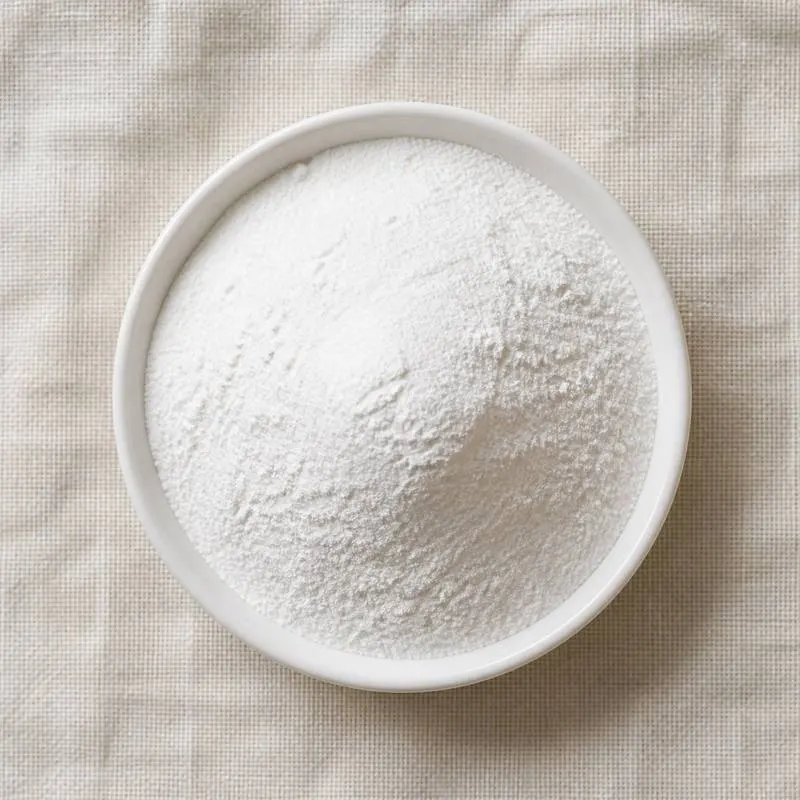
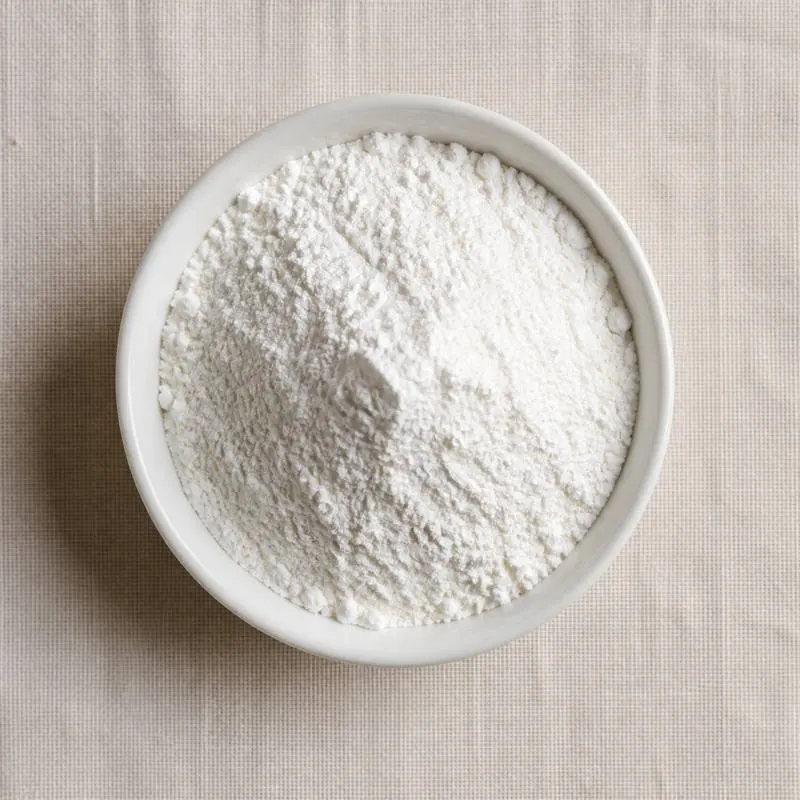
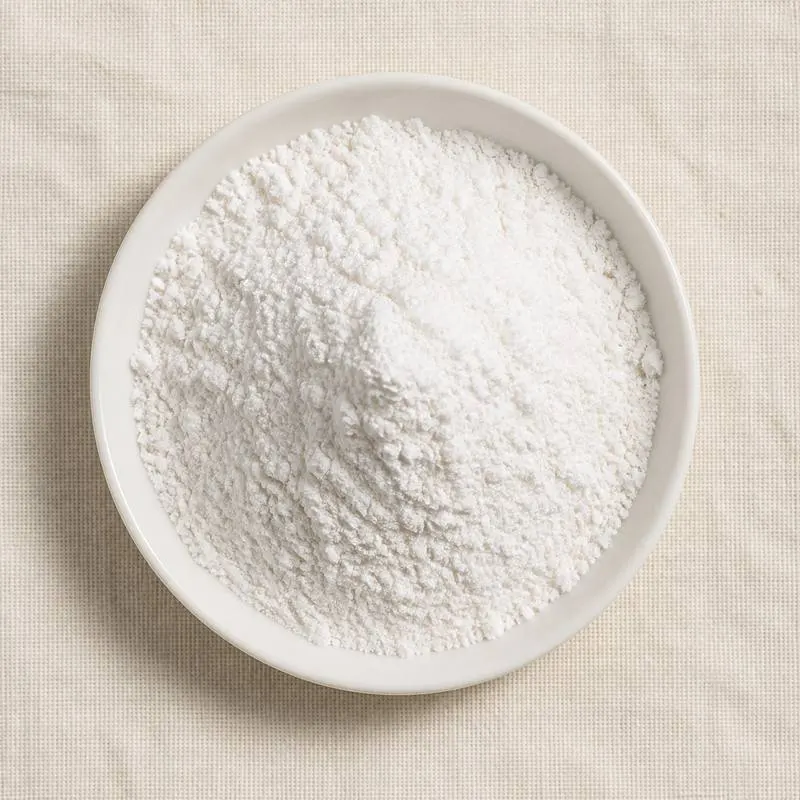
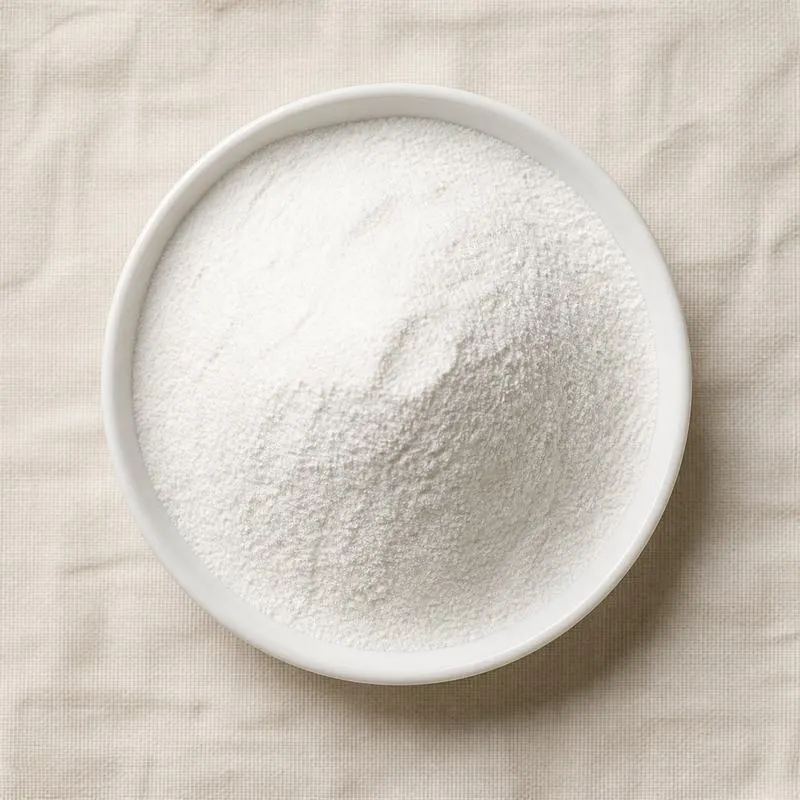
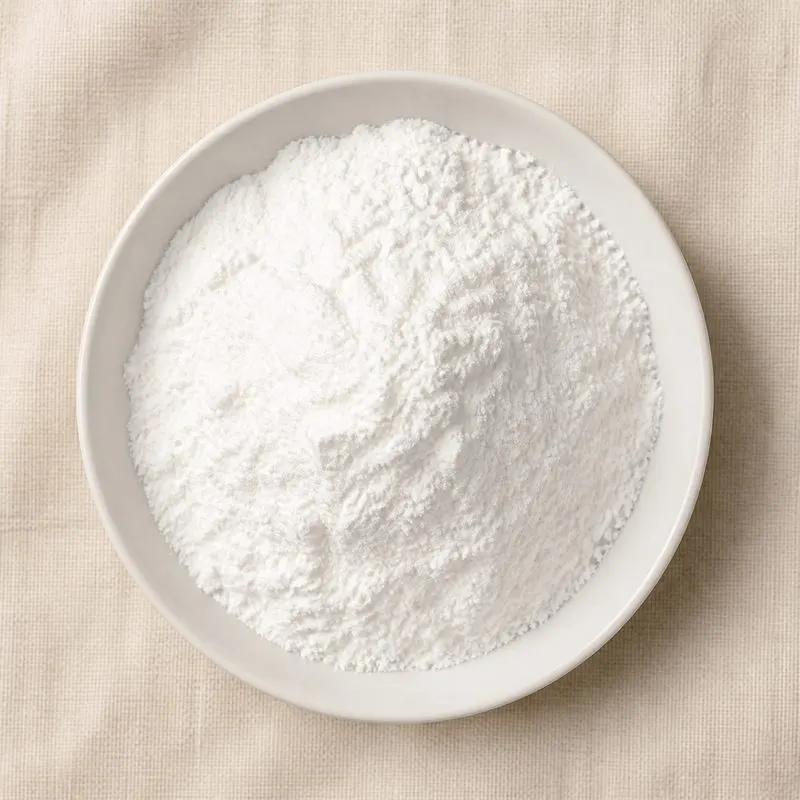
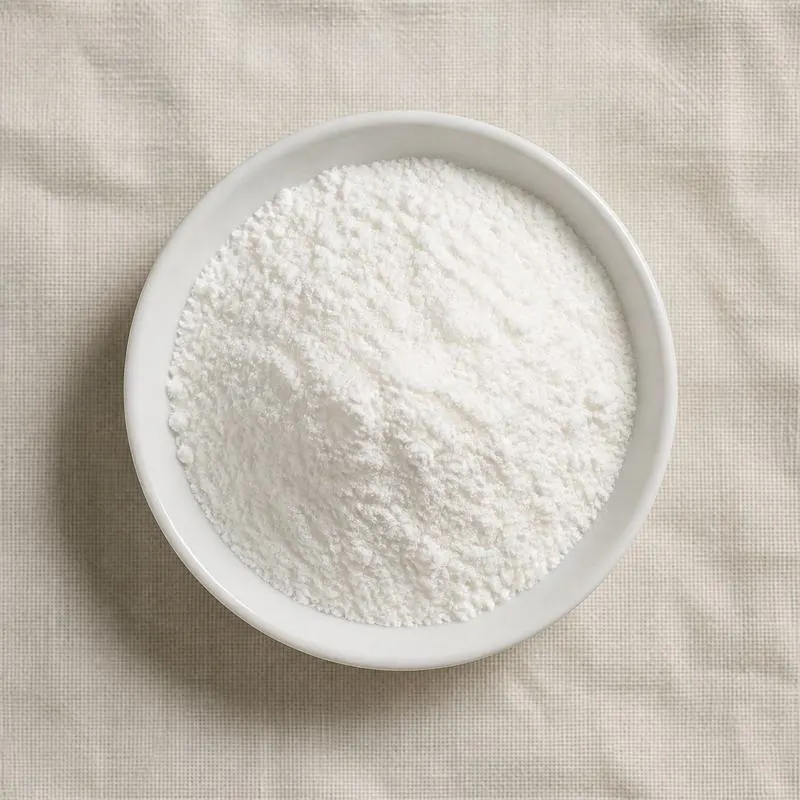
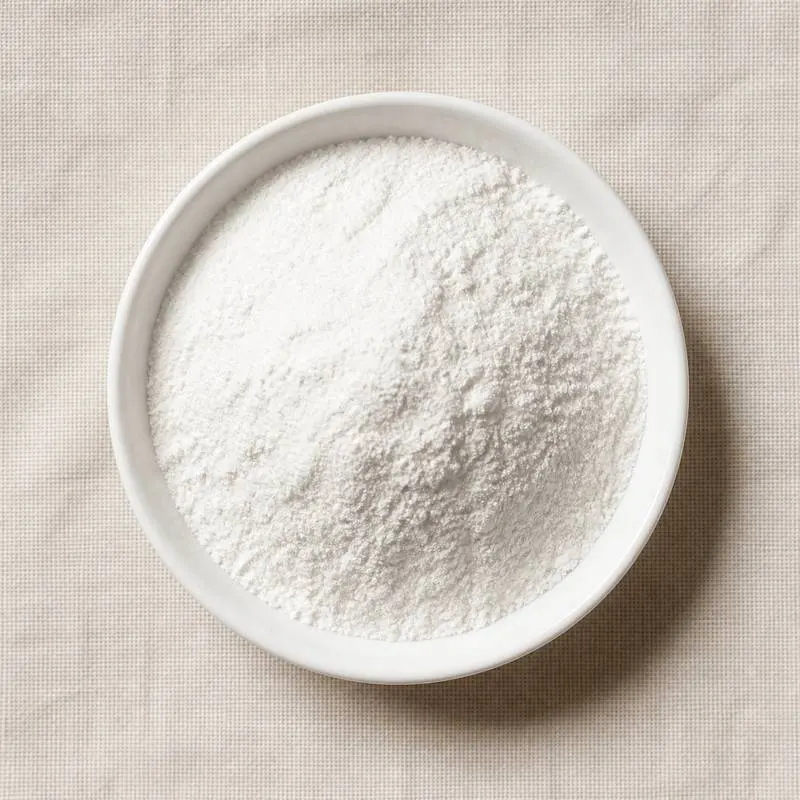
Seatrose is a high-purity trehalose product sold as a free-flowing crystalline powder for food, beverage, cosmetic, and pharmaceutical formulation.
Trehalose is a non-reducing disaccharide of two glucose units linked by an α,α-1,1 glycosidic bond. Seatrose grade material gives the full set of properties associated with the sugar: mild sweetness, low hygroscopicity, protein and lipid stabilisation, and ice-crystal control in frozen systems.
We source bulk Seatrose from top China manufacturers for our partners. The manufacturer is in Guangdong. A smaller requirement can ship in a combined container with other ingredients.
Please send the grade you need, the volume and your destination port, and we will come back with a solution and a price.
or call +86-21-6858 0751
- Packaging
- 25 kg kraft paper bag with PE inner liner
- Function
- Texturisers
- ISO 9001
- HACCP
- Halal
- Kosher
Specifications
| Item | Specification |
|---|---|
| Appearance | Off-white to light tan free-flowing powder |
| Total dietary fiber | ≥ 75.0% (standard) or ≥ 90.0% (premium) |
| Moisture | ≤ 8.0% |
| Ash | ≤ 15.0% |
| pH (1% solution) | 5.5 to 7.5 |
| Heavy metals (as Pb) | ≤ 2 mg/kg |
| Total arsenic | ≤ 3 mg/kg |
| Inorganic arsenic | ≤ 1 mg/kg |
| Total plate count | ≤ 5000 cfu/g |
| Pathogens | Negative per 25 g |
Common Markets Grades
There are two grades of Seatrose, food and pharmaceutical.
Standard food-grade is a fine white crystalline powder at 98 percent minimum trehalose dihydrate, with moisture around 9.5 percent reflecting the bound crystal water.
Anhydrous grade is dried under controlled conditions and used in pharmaceutical freeze drying and other low-water applications.
Pharmaceutical-grade material complies with the relevant pharmacopoeia monographs for trehalose, with tight specifications on residual solvents, heavy metals, and microbial limits.
Spray-dried and agglomerated formats are produced for direct dry-blending into beverage powders, supplement premixes, and instant formulations.
Applications
- Frozen desserts and ice cream for ice-crystal control and clean sweetness
- Bakery products for moisture retention, crumb softness, and shelf life
- Confectionery for crystallisation control and reduced sweetness intensity
- Pharmaceutical freeze-dried biologics including antibodies, vaccines, and enzymes
- Cosmetic skincare for protein and lipid stabilisation in serums and creams
- Functional beverages and sports nutrition for steady glucose release
- Sushi, surimi, and dried seafood for protein structure preservation
- Dried and powdered dairy for browning control and flavour retention
- Probiotic and live-culture protection during drying and storage
China Manufacturers of Seatrose
Top Seatrose manufacturers in China.

Company names and logos are the property of the manufacturers themselves. They are listed here because our own directory records them as producing this ingredient. A listing is not an endorsement by them, and we do not represent them or speak on their behalf.
How We Help Source Seatrose
Direct Factory Sourcing
We run the whole process: selecting the manufacturer from the top Chinese food ingredient producers, negotiating the price, verifying quality, and coordinating the logistics. You deal with us instead of with several factories at once.
Original Packaging and Documents from the Manufacturer
The manufacturer sends your Seatrose out of its own factory in the original packing, through to your destination port. The COA, COO, MSDS, TDS and any certifications reach you from the manufacturer as well.
Free Samples and Lead Time
We send 100 to 500 g free for your own laboratory to test and you cover only the courier, usually within 2 to 3 working days. ETD is usually within 7 to 15 days once the order is confirmed, and we check that date against the factory's own manufacturing schedule before we give it to you.
Combined Shipment
We can load Seatrose together with other ingredients such as Modified Starch, Corn Starch and Pea Starch into one 20' FCL. If your quantity is small, we can also ship LCL.
Regulatory Status
Trehalose, the active component of Seatrose, has broad regulatory approval.
The U.S. FDA accepted Hayashibara's GRAS notice for trehalose in 2000 for use as a food ingredient. The EU authorised trehalose as a Novel Food in 2001 and now treats it as an ordinary food ingredient.
JECFA evaluated trehalose and assigned an ADI not specified. The Codex framework treats it as a sugar in international trade.
Pharmaceutical use is supported by monographs in the Japanese Pharmacopoeia and growing acceptance in the U.S. and European systems as a parenteral excipient.
Halal and Kosher certifications are routinely available because the source is starch and the process is microbial.
Manufacturing Process
Seatrose, like other commercial trehalose, is produced by enzymatic conversion of starch.
The process was pioneered by the Japanese company Hayashibara in the mid-1990s. Maltodextrin produced from corn or tapioca starch is treated with a two-enzyme system: maltooligosyl trehalose synthase (MTSase) and maltooligosyl trehalose trehalohydrolase (MTHase).
MTSase isomerises the reducing-end α-1,4 bond of a maltooligosaccharide into an α,α-1,1 bond, creating a trehalose moiety. MTHase then cleaves off the trehalose unit, leaving a shorter maltooligosaccharide that re-enters the reaction.
The hydrolysate is filtered, decolorised through activated carbon, demineralized through ion exchange, concentrated under vacuum, and crystallised.
The crystals are washed, dewatered in a centrifuge, dried in a fluid-bed dryer to the target moisture, and screened to specification particle size.