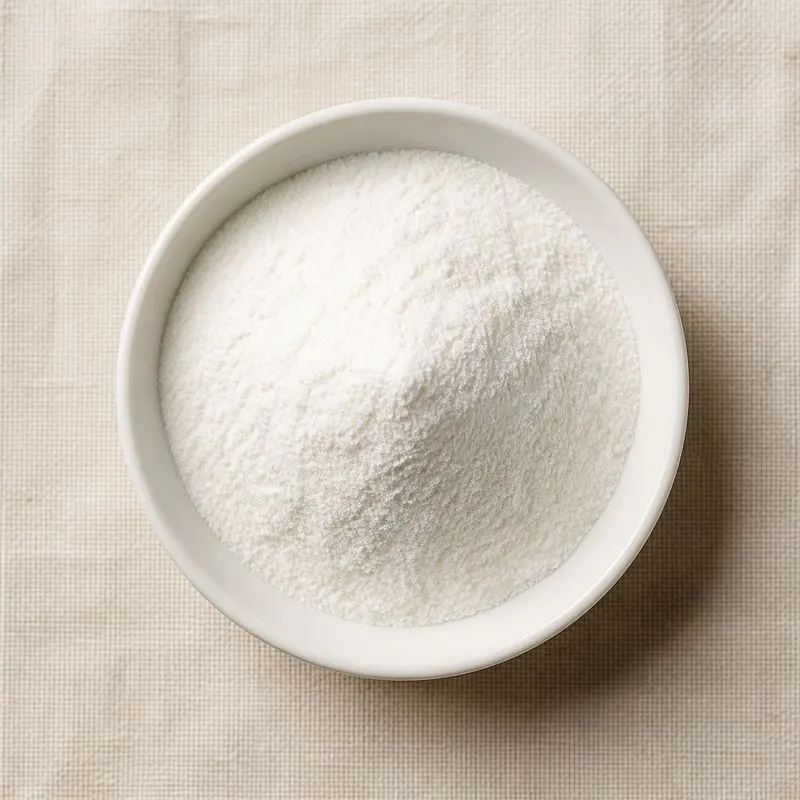
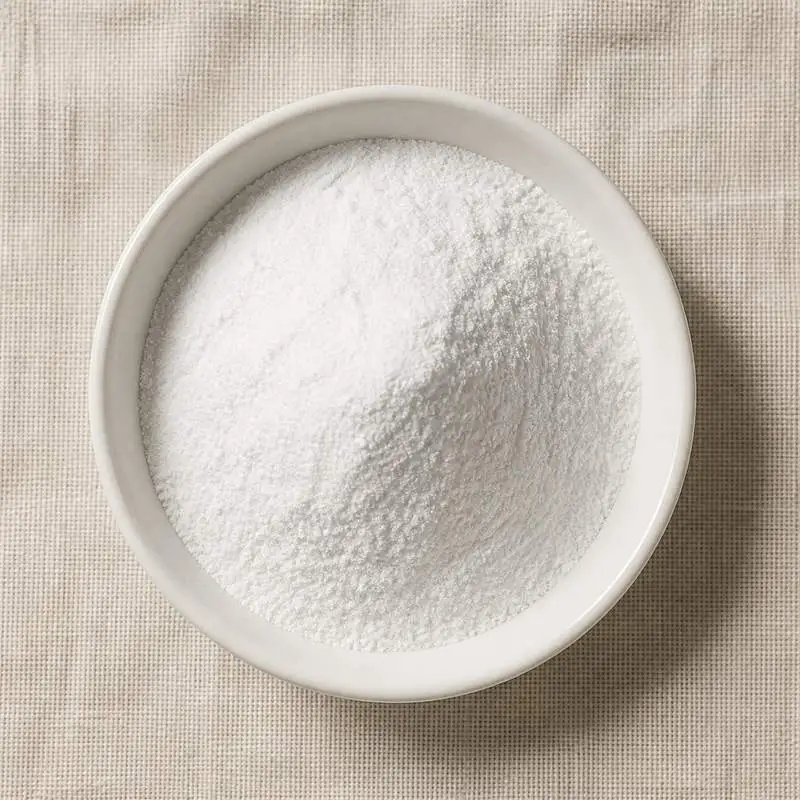
Shark Cartilage
Shark Cartilage is a dried and milled powder prepared from the cartilaginous skeleton of sharks, traditionally promoted as a source of chondroitin sulphate, mucopolysaccharides, and minor protein fractions for joint-health supplements.
The ingredient sits under significant sustainability and species-sourcing scrutiny. Several shark species are listed under CITES, and the trade is increasingly governed by source documentation requirements that buyers and formulators are expected to evaluate seriously before sourcing.
We source bulk Shark Cartilage from top China manufacturers for our partners. The manufacturers are in Zhejiang. A smaller requirement can ship in a combined container with other ingredients.
Please send the grade you need, the volume and your destination port, and we will come back with a solution and a price.
or call +86-21-6858 0751
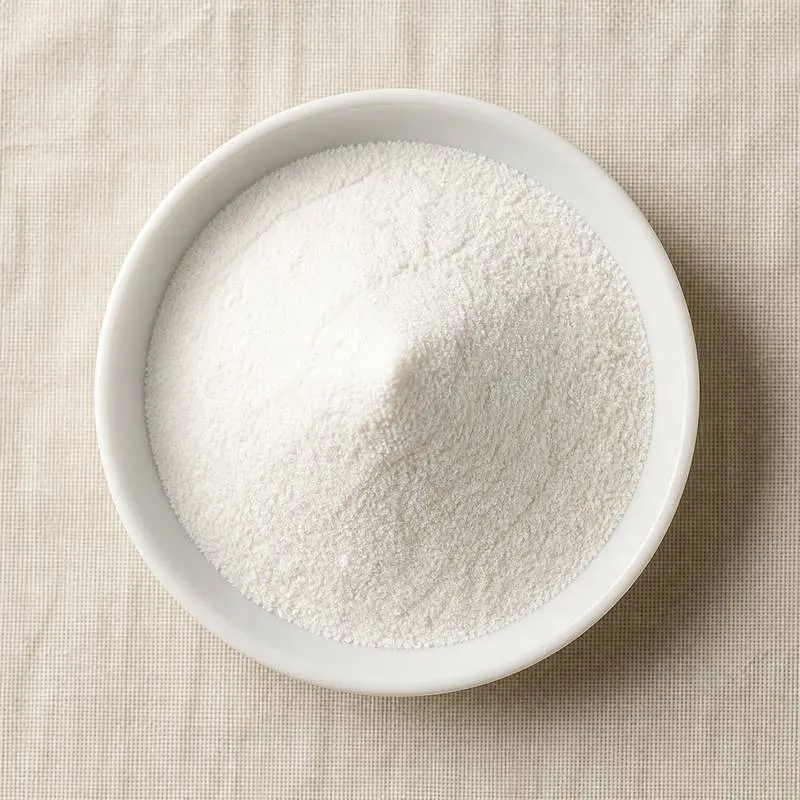
- Packaging
- 25 kg kraft paper bag with PE inner liner
- ISO 9001
- HACCP
- Halal
- Kosher
Specifications
| Item | Specification |
|---|---|
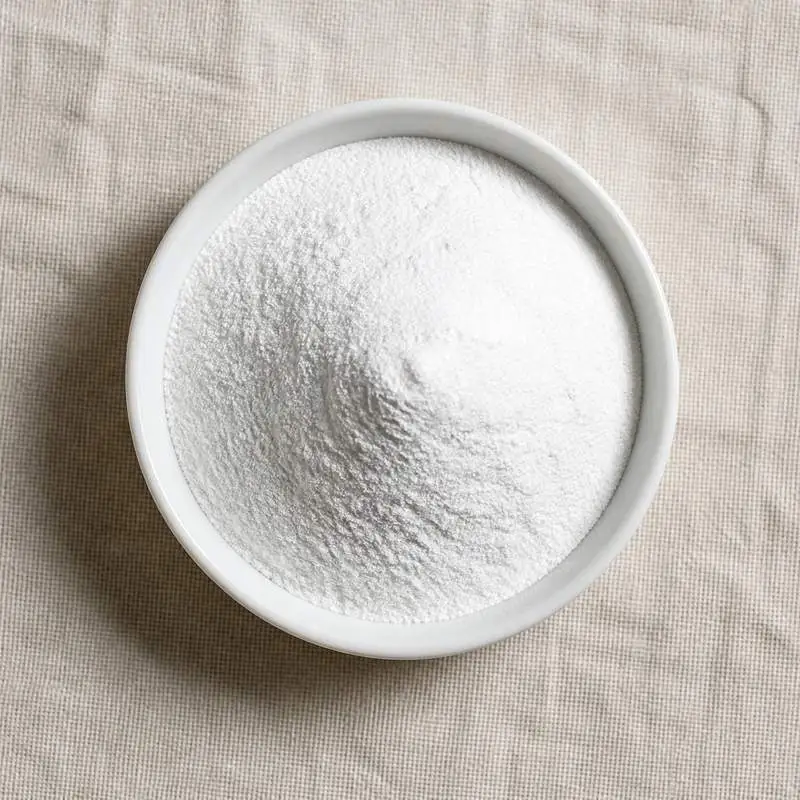
| Appearance | White to cream fine powder |
| Chondroitin Sulfate | ≥15% |
| Protein | ≥40% |
| Calcium | ≥18% |
| Phosphorus | ≥8% |
| Moisture | ≤8.0% |
| Fat | ≤1.0% |
| Ash | ≤50% |
| Fineness (80 mesh) | ≥95% |
| Heavy Metals (as Pb) | ≤2 mg/kg |
| Mercury | ≤0.5 mg/kg |
| Total Plate Count | ≤10,000 cfu/g |
| Salmonella | Absent in 25g |
| Loss on drying | NMT 10% |
| Mineral matters | NLT 45.0% |
| Carbohydrates | NLT 10.0% |
| Total Bacteria Count | NMT1000Cfu/g |
| Yeast & Molds | NMT100Cfu/g |
| E.Coli | Negative |
Common Markets Grades
Shark cartilage is sold in three grades: a crude standard powder, a leaner high-protein powder, and a partially purified chondroitin concentrate.
Standard shark cartilage powder is a finely milled off-white to cream-coloured material, typically at 90 percent or higher dry matter, with chondroitin sulphate content variable by source and processing.
A higher-protein lean grade with reduced ash content is produced for capsule and tablet use where dosage density matters.
A chondroitin-sulphate-enriched grade is produced by partial extraction and concentration, sold at 20 percent or higher chondroitin sulphate content. Most modern chondroitin sulphate ingredient supply has moved away from shark to bovine, porcine, and chicken sternum sources for sustainability and cost reasons.
Reliable suppliers will provide species identification, geographic origin, and CITES documentation for the source material. Buyers should treat absence of this paperwork as a serious red flag.
Applications
- Joint-health capsules and tablets in legacy product lines
- Combination supplements with glucosamine and MSM
- Senior nutrition products positioned around mobility
- Veterinary joint formulations for dogs and horses in some markets
- Traditional medicine preparations in selected Asian markets
- Source material for chondroitin sulphate extraction in legacy supply chains
- Sports nutrition products focused on connective tissue support
- Research reagents for cartilage biology studies
Brands Using Shark Cartilage
Widely-distributed consumer products that list Shark Cartilage on the ingredient label.
- NOW FoodsShark Cartilage 750 mg Capsules ↗Capsules supplying 750 mg dried shark cartilage from food-harvested sharks, a source of naturally occurring calcium and glycosaminoglycans.Label verified 2026-05-24
- SolgarShark Cartilage 750 mg Capsules ↗Solgar Shark Cartilage 750 mg capsules contain 100% pure Australian shark cartilage processed without chemicals, radiation or heat.Label verified 2026-05-24
Brand names, product names and logos are the property of their owners. They appear here as published evidence that the ingredient is used, taken from the brand's own label or website. Their appearance is not an endorsement, and it does not mean the brand buys from us or from any manufacturer listed on this site.
China Manufacturers of Shark Cartilage
Top Shark Cartilage manufacturers in China.
 HS NUTRA Co., Ltd.7 ingredients in the directory
 Jiaxing Nudikon Lifescience Co., Ltd.4 ingredients in the directory
Company names and logos are the property of the manufacturers themselves. They are listed here because our own directory records them as producing this ingredient. A listing is not an endorsement by them, and we do not represent them or speak on their behalf.
How We Help Source Shark Cartilage
Direct Factory Sourcing
We run the whole process: selecting the manufacturer from the top Chinese food ingredient producers, negotiating the price, verifying quality, and coordinating the logistics. You deal with us instead of with several factories at once.
Original Packaging and Documents from the Manufacturer
The manufacturer sends your Shark Cartilage out of its own factory in the original packing, through to your destination port. The COA, COO, MSDS, TDS and any certifications reach you from the manufacturer as well.
Free Samples and Lead Time
We send 100 to 500 g free for your own laboratory to test and you cover only the courier, usually within 2 to 3 working days. ETD is usually within 7 to 15 days once the order is confirmed, and we check that date against the factory's own manufacturing schedule before we give it to you.
Combined Shipment
We can load Shark Cartilage together with other ingredients such as Arachidonic Acid, Coenzyme Q10 and Chondroitin Sulphate Sodium into one 20' FCL. If your quantity is small, we can also ship LCL.
Regulatory Status
Shark cartilage is regulated as a food supplement or dietary ingredient in most major markets, with the main regulatory issue being the source-species and trade-control rules rather than the food-safety classification.
Several shark species relevant to the cartilage trade are listed in CITES Appendix II, requiring export permits and proof that the harvest is not detrimental to wild populations. Hammerhead sharks, silky sharks, oceanic whitetip, mako, and several others sit on this list.
The IUCN Red List rates a large share of pelagic shark species as Vulnerable, Endangered, or Critically Endangered, with overfishing and the fin trade as principal drivers.
The European Union and several other major markets prohibit shark finning at sea and require fins to be landed naturally attached. Some jurisdictions have moved further to restrict trade in specific species entirely.
Buyers should perform supply chain due diligence including species DNA testing where origin claims are not fully documented, and should weigh the sustainability case against alternative chondroitin sources from bovine, porcine, chicken sternum, or fish (non-shark) origin.
Manufacturing Process
Production starts with cartilage recovered from sharks landed in fishery operations. The cartilage is separated from soft tissue, washed, and either fresh-processed or frozen for transport to the processing site.
The cleaned cartilage is cooked or solvent-defatted to remove residual lipids and proteins, then dried under controlled conditions. Drying methods include vacuum drying, low-temperature air drying, and freeze drying, with the choice driven by target moisture and colour specifications.
Dried cartilage is milled to a defined particle size, typically passing 80 mesh for capsule fill applications, and sieved to remove oversize material. The milled powder is blended for lot homogeneity.
For chondroitin-sulphate-enriched grades, the dried cartilage is hydrolysed with alkali and then digested with a protease, with the released glycosaminoglycans recovered by precipitation or membrane separation.
Modern processing facilities operate under a documented chain of custody for the source fishery, with species verification and CITES paperwork as part of the production record.