Sichuan Pepper Extract
Sichuan pepper extract is prepared from the dried pericarp of Zanthoxylum bungeanum and related species, the husk of a fruit that is unrelated to black pepper and to chilli. It is traded for a sensory effect no other spice delivers, the tingling and buzzing numbness known in Chinese as ma, alongside its citrus and floral aroma.
Two compound classes account for that. The pungent alkylamides, principally hydroxy-alpha-sanshool with hydroxy-beta-sanshool and the hydroxy-gamma forms, are unsaturated fatty acid amides that act on mechanoreceptors and produce the vibrating tingle rather than the heat of capsaicin or the sharpness of piperine. The volatile fraction, recovered as an essential oil, is dominated by limonene, linalool, sabinene and geraniol and supplies the bright citrus top note. A pericarp extract carries both; a distilled oil carries only the second.
Oleoresin is a viscous dark green to brown material, oil soluble and effectively insoluble in water, so aqueous applications use emulsions or carrier powders. The sanshools are the fragile part of the molecule set, oxidising and isomerising on exposure to air, heat and light, which is why extracts are held cold under nitrogen and why ground pericarp loses its tingle within months.
We source bulk Sichuan Pepper Extract from top China manufacturers for our partners. The manufacturers are in Chongqing and Henan. A smaller requirement can ship in a combined container with other ingredients.
Please send the grade you need, the volume and your destination port, and we will come back with a solution and a price.
or call +86-21-6858 0751
- Function
- Plant extract
Specifications
| Item | Specification |
|---|---|
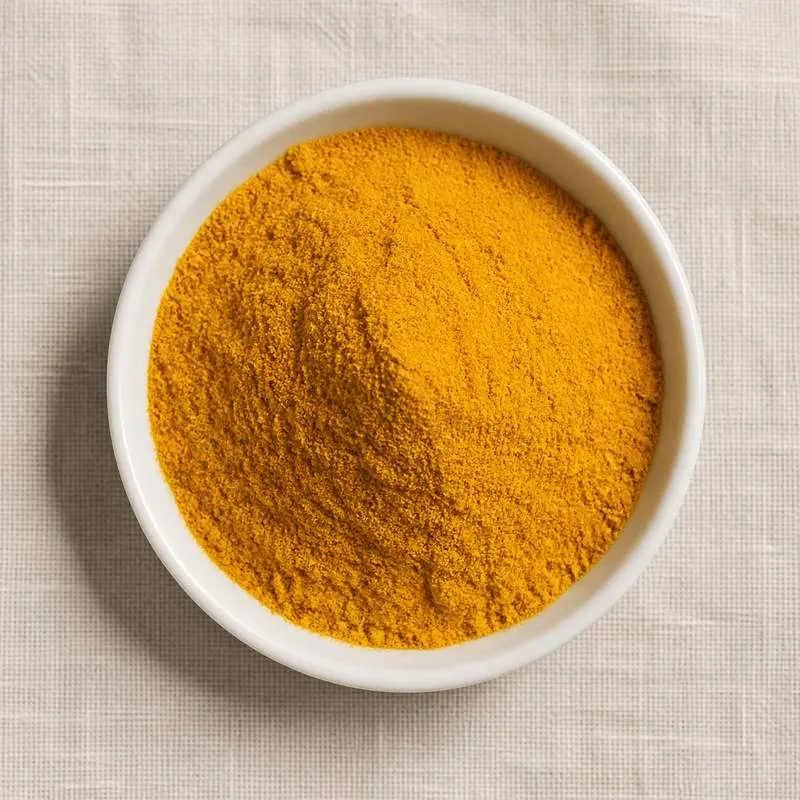
| Appearance | Viscous dark green to brown oleoresin or free-flowing dispersible powder |
| Flavour effect | Pronounced tingling numbness with citrus aroma |
| Hydroxy-alpha-sanshool (HPLC) | 3.0 percent minimum |
| Total sanshools | 5.0 percent minimum |
| Volatile oil | 8.0 ml/100 g minimum for oleoresin |
| Identification | GC and HPLC profile conform to Zanthoxylum bungeanum reference |
| Seed content of raw material | 2.0 percent maximum |
| Loss on drying (dispersible powder) | 5.0 percent maximum |
| Total ash (dispersible powder) | 8.0 percent maximum |
| Residual solvents (ethanol) | 5000 mg/kg maximum |
| Lead | 2.0 mg/kg maximum |
| Arsenic | 1.0 mg/kg maximum |
| Total plate count | 10000 cfu/g maximum |
| Salmonella | Absent in 25 g |
Common Markets Grades
Three articles are traded. Sichuan pepper essential oil is a steam distilled volatile oil specified on limonene and linalool, aromatic but with no numbing effect. Oleoresin is a solvent or carbon dioxide extract carrying both the volatiles and the sanshools, and it is the article bought where the tingle is wanted, quoted on total sanshool or on hydroxy-alpha-sanshool content by HPLC, commonly 2 to 10 percent, alongside a volatile oil figure.
Supercritical carbon dioxide extract is the third grade and is preferred for high sanshool material, since the amides survive better without heat or solvent stripping. Buyers should specify the species and the colour type, because red Sichuan pepper from Zanthoxylum bungeanum and green pepper from Zanthoxylum schinifolium differ substantially in aroma and in numbing intensity. Dispersible powders made by plating oleoresin onto salt, dextrose or maltodextrin are used for dry seasoning blends, and encapsulated emulsions for beverages and sauces.
Applications
- Sichuan and Chongqing style seasoning blends, hotpot bases and mala sauces, where the numbing effect is the defining characteristic
- Chilli oil and infused condiment oils
- Instant noodle seasoning sachets and soup bases
- Snack and extruded product seasonings applied as a dry topical dust
- Processed meat and marinated products in Chinese style preparations
- Braising and stewing spice packs, replacing whole pericarp for consistency
- Ready meals and frozen dishes requiring a heat-stable pungency
- Cocktail bitters and spirit botanicals, where the tingle is used as a texture effect
- Confectionery and dessert applications exploring the numbing sensation
- Fragrance compounding using the citrus volatile fraction
China Manufacturers of Sichuan Pepper Extract
Top Sichuan Pepper Extract manufacturers in China.
 Chongqing Huacui Bio-technology Co., Ltd.10 ingredients in the directory
- Nanyang Plant Essence Extraction Co., Ltd.18 ingredients in the directory
Company names and logos are the property of the manufacturers themselves. They are listed here because our own directory records them as producing this ingredient. A listing is not an endorsement by them, and we do not represent them or speak on their behalf.
Regulatory Status
In the United States Zanthoxylum species are listed among the spices and natural seasonings generally recognised as safe for their intended use in food, and Sichuan pepper oil and oleoresin carry FEMA GRAS numbers as flavouring substances, so their use is at levels consistent with good manufacturing practice. The trade has a specific regulatory history: imports of Sichuan pepper were restricted for a period because the husk was a potential carrier of citrus canker, and the restriction was lifted subject to a heat treatment requirement, which remains the reason much imported material arrives heat treated.
In the European Union Sichuan pepper extracts are flavouring preparations obtained from a food source and are handled under the flavourings regulation without individual authorisation. There is no E number. Plant health rules relating to Citrus pathogens have historically applied to the raw material, and the general contaminant and hygiene legislation for dried spices applies to the finished article. Codex has adopted standards for a number of dried spices and the general provisions on contaminants and food hygiene apply to this one, though no Codex commodity standard is specific to Sichuan pepper.
Manufacturing Process
Dried pericarp is separated from the black seeds, which carry a bitter fixed oil and are removed because they dilute the extract and spoil the flavour. The husk is cleaned, destoned and metal separated, then coarsely ground immediately before processing, since both the volatiles and the sanshools begin to degrade once the material is milled.
Where an essential oil is wanted the ground husk is steam distilled for several hours and the oil is separated from the aqueous distillate by density, dried and filtered. For oleoresin the ground husk is percolated with ethanol or acetone in a countercurrent extractor and the miscella is desolventised under vacuum at the lowest workable temperature, since the sanshools decompose if the stripping is run hot. Supercritical carbon dioxide extraction is increasingly used for the numbing grades, with liquefied carbon dioxide passing through the bed under controlled pressure and the extract dropping out in a separator when the pressure is released, which avoids heat and leaves no solvent residue. The extract is assayed for sanshool and volatile oil, standardised by blending, then either filled as oleoresin under nitrogen or dispersed onto a carrier and spray dried into a free-flowing powder.