Sorbitan Monolaurate
Sorbitan Monolaurate, sold as Span 20, is a non-ionic lipophilic emulsifier with CAS number 1338-39-2 and E number E493 in the European Union. The HLB is approximately 8.6, the highest of the four mainstream Span monoesters.
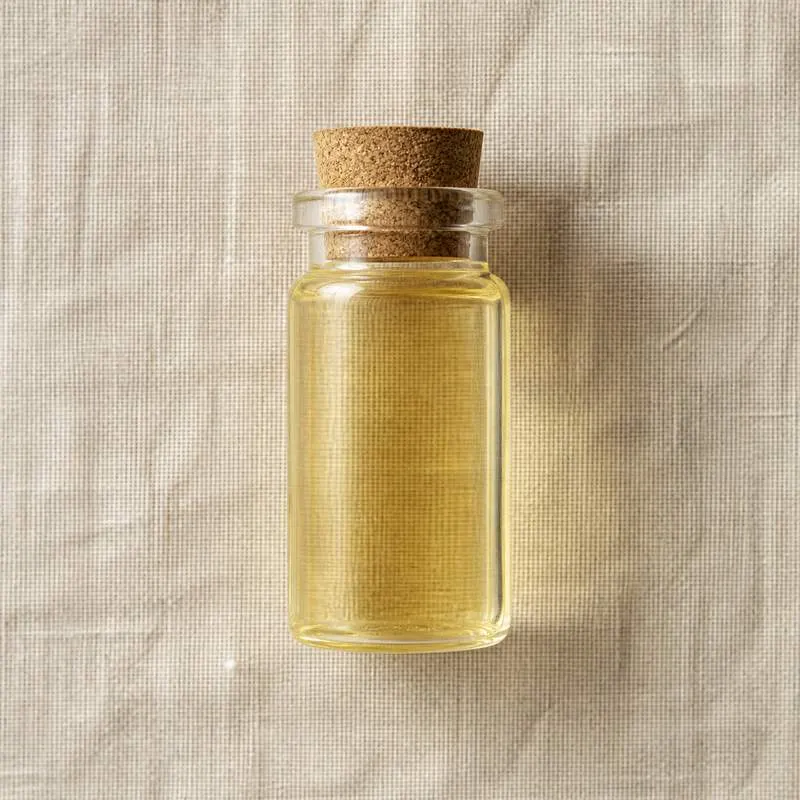
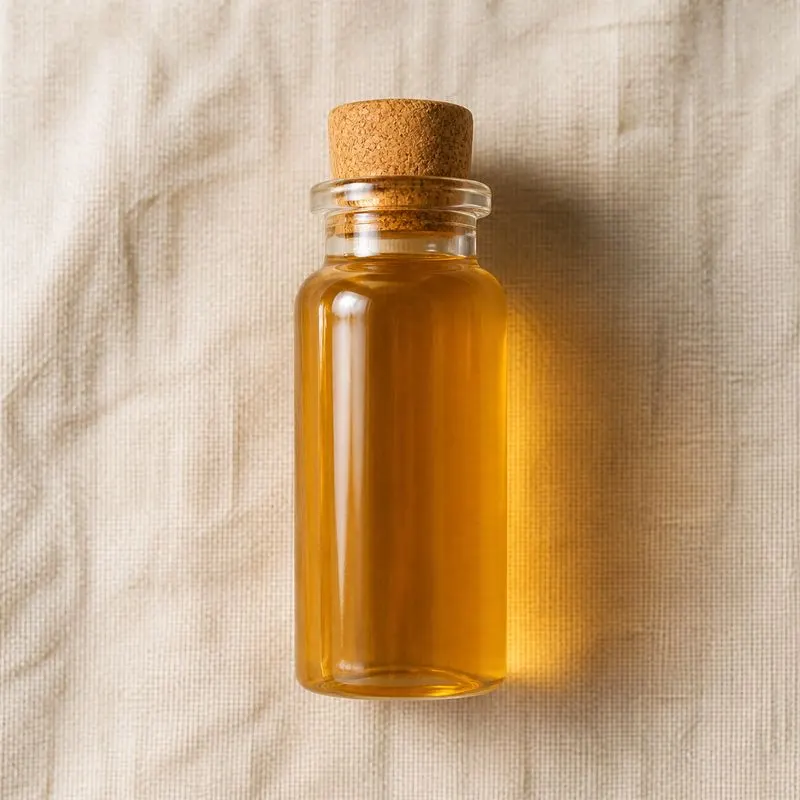
The molecule pairs a sorbitan core with a single lauric acid (C12:0) ester at the primary hydroxyl. At room temperature it is a yellow viscous liquid that dissolves in warm oils and disperses in water with mild agitation.
We source bulk Sorbitan Monolaurate from top China manufacturers for our partners. The manufacturer is in Guangdong. A smaller requirement can ship in a combined container with other ingredients.
Please send the grade you need, the volume and your destination port, and we will come back with a solution and a price.
or call +86-21-6858 0751
- Packaging
- 190 kg steel drum or 25 kg jerrican
- ISO 9001
- HACCP
- Halal
- Kosher
Specifications
Grades / Types Available: Food Grade, Pharmaceutical Grade
| Item | Specification |
|---|---|
| Appearance | Amber viscous oily liquid |
| Acid Value | ≤ 8.0 mg KOH/g |
| Saponification Value | 158-170 mg KOH/g |
| Hydroxyl Value | 330-358 mg KOH/g |
| Water Content | ≤ 1.5% |
| HLB Value | 8.6 |
| Heavy Metals (as Pb) | ≤ 2 mg/kg |
| Purity/Assay (Food Grade) | ~ 100% |
| pH | 6.0 – 8.0 (5% aqueous solution) |
Common Markets Grades
Span 20 trades in four grades: food, pharmaceutical, cosmetic, and industrial.
Food grade meets the JECFA specification for E493 with controlled hydroxyl value (330-358 mg KOH/g), saponification value (158-170 mg KOH/g), acid value below 7, and water below 1.5 percent.
USP-NF and Ph. Eur. pharmaceutical grade adds heavy metal limits, peroxide value control, and tighter purity specifications.
Cosmetic grade carries a slightly relaxed assay for use in lotions, creams, and colour cosmetics.
Industrial grade is produced for explosives emulsions, oil-field demulsifiers, and metalworking fluids without the food-grade purity controls.
Plant-source lauric acid (palm kernel or coconut) is the standard supply route; Kosher, Halal, and RSPO-certified palm grades are widely available.
Applications
- Ice cream and frozen desserts as a co-emulsifier paired with polysorbate 80
- Cake mixes, icings, and bakery glazes for emulsion stability
- Cosmetic water-in-oil creams, lotions, and sunscreens as a co-emulsifier
- Pharmaceutical creams, ointments, and topical preparations
- Vaccine adjuvant systems including squalene-based emulsions paired with polysorbate 80
- Colour cosmetic foundations and concealers for pigment dispersion
- Industrial agrochemical emulsifiable concentrates as a co-surfactant
- Oil-field demulsifier and corrosion inhibitor formulations
- Metalworking and rolling fluids as the lipid-phase emulsifier
- Polishes, waxes, and coating compositions as a wetting agent
China Manufacturers of Sorbitan Monolaurate
Top Sorbitan Monolaurate manufacturers in China.

Company names and logos are the property of the manufacturers themselves. They are listed here because our own directory records them as producing this ingredient. A listing is not an endorsement by them, and we do not represent them or speak on their behalf.
How We Help Source Sorbitan Monolaurate
Direct Factory Sourcing
We run the whole process: selecting the manufacturer from the top Chinese food ingredient producers, negotiating the price, verifying quality, and coordinating the logistics. You deal with us instead of with several factories at once.
Original Packaging and Documents from the Manufacturer
The manufacturer sends your Sorbitan Monolaurate out of its own factory in the original packing, through to your destination port. The COA, COO, MSDS, TDS and any certifications reach you from the manufacturer as well.
Free Samples and Lead Time
We send 100 to 500 g free for your own laboratory to test and you cover only the courier, usually within 2 to 3 working days. ETD is usually within 7 to 15 days once the order is confirmed, and we check that date against the factory's own manufacturing schedule before we give it to you.
Combined Shipment
We can load Sorbitan Monolaurate together with other ingredients such as Polyglycerol Esters of Fatty Acids, Non-Dairy Creamer and Mono- and Diglycerides of Fatty Acids into one 20' FCL. If your quantity is small, we can also ship LCL.
Regulatory Status
Sorbitan monolaurate is approved as a food additive and pharmaceutical excipient in essentially every regulated market.
In the European Union it carries the E number E493 within the sorbitan esters family. The European Food Safety Authority re-evaluated the sorbitan esters group in 2017 and confirmed a group acceptable daily intake expressed as sorbitan.
The U.S. Food and Drug Administration permits sorbitan monolaurate for direct food use under specific category provisions and for indirect food contact under 21 CFR 175-178 for paper coatings, adhesives, and packaging.
JECFA assigned the sorbitan esters group an ADI expressed as sorbitan. Pharmacopoeial monographs for sorbitan monolaurate appear in USP-NF and Ph. Eur.
Kosher and Halal certifications are widely available when the lauric acid source (palm-kernel or coconut) is documented.
Manufacturing Process
Span 20 is produced by direct esterification of sorbitol with lauric acid.
Sorbitol is first dehydrated to sorbitan by heating under vacuum with an acid or base catalyst at 150 to 200 degrees Celsius. A single water molecule is eliminated, producing a five-membered tetrahydrofuran ring with three free hydroxyl groups. A small fraction undergoes a second dehydration to isosorbide; this isosorbide content is a controlled impurity.
The sorbitan is then esterified with lauric acid at 200 to 230 degrees Celsius under nitrogen with an alkaline catalyst such as sodium hydroxide or sodium acetate. The molar ratio of sorbitan to lauric acid is held close to 1:1 to favor the monoester.
The reaction is followed by acid value until the target specification is reached. The catalyst is neutralised with phosphoric or citric acid and the crude product is bleached with activated carbon. Span 20 is packaged hot in pails, drums, or totes as a clear yellow viscous liquid.
The reaction can be run as a one-pot dehydration and esterification by careful temperature staging, which is the standard for commercial production.