Sorbitol Syrup
Sorbitol syrup is a concentrated aqueous solution of D-sorbitol, the six carbon sugar alcohol obtained by hydrogenating glucose, normally sold at about 70 percent dry solids. Depending on the purity of the glucose feed it also contains a proportion of hydrogenated oligosaccharides, principally maltitol and hydrogenated maltotriose, which are what keep the syrup from setting solid.
Functionally it is a humectant, a plasticiser and a bulk sweetener in one. It is roughly 60 percent as sweet as sucrose, delivers about 2.6 kilocalories per gram, and is non cariogenic because oral bacteria ferment it only slowly. Its strong affinity for water holds moisture in a finished product, softens texture and depresses water activity, which is why it appears in confectionery, baked goods and toothpaste as often as it appears as a sweetener.
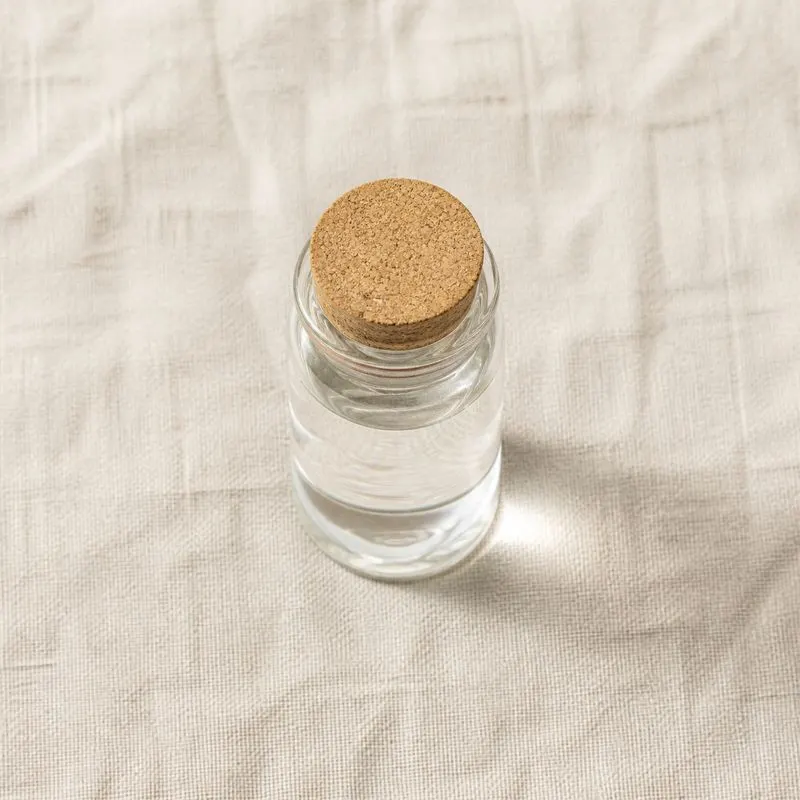
The syrup is a clear, colourless, viscous liquid, fully miscible with water and with glycerol, and insoluble in fats. It has no reducing groups, so it does not take part in Maillard browning and stays colour stable through baking and retorting. It is chemically stable across a wide pH range and resists the acid hydrolysis and heat degradation that affect sucrose syrups. Crystallisation is the main handling risk, and non crystallising grades are formulated specifically to avoid it during cold storage.
We source bulk Sorbitol Syrup from top China manufacturers for our partners. The manufacturer is in Zhejiang. A smaller requirement can ship in a combined container with other ingredients.
Please send the grade you need, the volume and your destination port, and we will come back with a solution and a price.
or call +86-21-6858 0751
- Function
- Sweetener
Specifications
| Item | Specification |
|---|---|
| Appearance | Clear, colourless, odourless viscous liquid, free of foreign matter |
| Total solids | 69.0 to 71.0 percent |
| D-sorbitol on dry substance | 70.0 percent minimum, non crystallising grade |
| Total hydrogenated saccharides on dry substance | 99.0 percent minimum |
| Identification | Infrared spectrum and HPLC conform to reference standard |
| Reducing sugars, as glucose | 0.3 percent maximum on dry substance |
| Refractive index at 20 degrees Celsius | 1.455 to 1.465 |
| pH, 20 percent aqueous solution | 5.0 to 7.0 |
| Sulphated ash | 0.1 percent maximum on dry substance |
| Chloride | 50 mg/kg maximum |
| Sulphate | 100 mg/kg maximum |
| Nickel | 2 mg/kg maximum |
| Lead | 0.5 mg/kg maximum |
| Arsenic | 0.5 mg/kg maximum |
| Total plate count | 100 cfu/g maximum |
| Yeast and mould | 50 cfu/g maximum |
Common Markets Grades
Grades are set by two variables, the sorbitol content of the dry solids and the total solids of the syrup. Crystallising grades run at 91 percent or more sorbitol on dry substance and are used where the syrup is to be crystallised or where high sorbitol purity is required. Non crystallising grades sit near 70 percent sorbitol on dry substance, with the balance made up of maltitol and higher hydrogenated saccharides, and are the standard article for confectionery and oral care. Total solids are traded at 70 percent as the norm, with 85 percent high solids syrup offered for freight economy and low solids grades below 70 percent for direct dosing.
Pharmaceutical grade syrup is made to the USP-NF and European Pharmacopoeia monographs for sorbitol solution and non crystallising sorbitol solution, and carries tighter limits on reducing sugars, nickel and conductivity than food grade material. Crystalline sorbitol powder is produced from the same hydrogenation train but is a separate article and is not interchangeable with the syrup.
Applications
- Toothpaste and mouthwash, as the humectant and sweetener base that keeps the paste extrudable and does not feed oral bacteria
- Sugar free chewing gum, holding the gum base soft and preventing it hardening in the pack
- Sugar free hard boiled and chewy confectionery, replacing sucrose and glucose syrup as the bulk sweetener without browning during cook
- Surimi and frozen fish paste, acting as a cryoprotectant that limits protein denaturation during frozen storage
- Baked goods, cake fillings and soft cookies, where it holds moisture in the crumb and extends the eating quality of the product
- Dried fruit and fruit fillings, controlling water activity so the fruit stays plump without microbial growth
- Pharmaceutical syrups and elixirs, as a sugar free vehicle that also masks bitterness in the active
- Ice cream and frozen desserts, depressing the freezing point and softening the scooped texture
- Table sauces and dressings, contributing body and mouthfeel without adding fermentable sugar
Brands Using Sorbitol Syrup
Widely-distributed consumer products that list Sorbitol Syrup on the ingredient label.
- HariboMAOAM Stripes ↗A fruit and cola flavour chewy sweet whose ingredient list gives sorbitol syrup as the humectant, after sugar, glucose syrup and palm fat.Label verified 2026-08-31
- HariboMAOAM Pinballs ↗A chewy sweet with a soft filling that lists sorbitol syrup as its humectant on the ingredient panel.Label verified 2026-08-31
- Werther's OriginalSoft Caramels ↗A chewy caramel sweet whose ingredient list names sorbitol syrup as the humectant alongside glucose syrup, sugar and condensed skimmed milk.Label verified 2026-08-31
- Lebkuchen SchmidtChocolate and Truffle Selection ↗A boxed praline and truffle assortment whose ingredient list names sorbitol syrup as the humectant.Label verified 2026-08-31
Brand names, product names and logos are the property of their owners. They appear here as published evidence that the ingredient is used, taken from the brand's own label or website. Their appearance is not an endorsement, and it does not mean the brand buys from us or from any manufacturer listed on this site.
China Manufacturers of Sorbitol Syrup
Top Sorbitol Syrup manufacturers in China.
Company names and logos are the property of the manufacturers themselves. They are listed here because our own directory records them as producing this ingredient. A listing is not an endorsement by them, and we do not represent them or speak on their behalf.
Regulatory Status
In the United States the Food and Drug Administration affirms sorbitol as generally recognised as safe for use in food under 21 CFR 184.1835, which covers both the crystalline material and the syrup and sets out the food categories and conditions of use. Foods whose reasonably foreseeable consumption may result in a daily intake of 50 grams of sorbitol must bear a statement that excess consumption may have a laxative effect. The USP-NF monographs for sorbitol, sorbitol solution and non crystallising sorbitol solution govern pharmaceutical use.
In the European Union sorbitol and sorbitol syrup are authorised as E 420, with the syrup designated E 420 (ii), under the food additives framework, and are permitted quantum satis in a broad set of categories. EU labelling requires the statement that excessive consumption may produce laxative effects on foods containing more than 10 percent added polyols. JECFA has evaluated sorbitol and sorbitol syrup and maintains specification monographs for both, and Codex lists them among the permitted additives in the General Standard for Food Additives.
Manufacturing Process
Production begins with a glucose syrup made by enzymatic liquefaction and saccharification of starch, usually from maize or wheat. The dextrose equivalent of that syrup determines the grade to be made, since a highly saccharified, high dextrose feed hydrogenates to high purity sorbitol while a lower dextrose feed retains maltose and maltotriose that hydrogenate to maltitol and higher polyols. The syrup is refined over activated carbon and mixed bed ion exchange to remove colour, protein and salts, because catalyst poisons must be excluded before hydrogenation.
The purified glucose solution is hydrogenated with hydrogen gas over a Raney nickel or a supported ruthenium catalyst in a batch or continuous reactor at elevated temperature and pressure, which reduces the aldehyde group of glucose to a primary alcohol. The reactor effluent is filtered to recover the catalyst, then passed again over ion exchange resin to strip dissolved nickel and any organic acids formed during the reaction, and over carbon for final decolourisation. The polished solution is evaporated under vacuum to the target solids, cooled, checked for sorbitol content and residual reducing sugar, and stored in heated tanks or filled into drums and bulk containers.