Soy Isoflavones
Soy isoflavones are a group of phenolic compounds concentrated in the soybean, sold as a standardised extract whose declared assay covers the three principal isoflavone families: genistein, daidzein and glycitein, together with their glucoside and conjugated forms.
In the intact bean the great majority of the isoflavone is present not as the free aglycone but as beta-glucosides, chiefly genistin, daidzin and glycitin, along with their malonyl and acetyl esters. This matters commercially because assay methods that measure total isoflavone as aglycone equivalents give a different number from those that measure the glucosides as they stand, and an 80 percent extract on one basis is not equivalent to an 80 percent extract on the other. Isoflavones concentrate in the hypocotyl or germ of the bean rather than the cotyledon, which is why germ is the preferred feedstock where it can be separated.
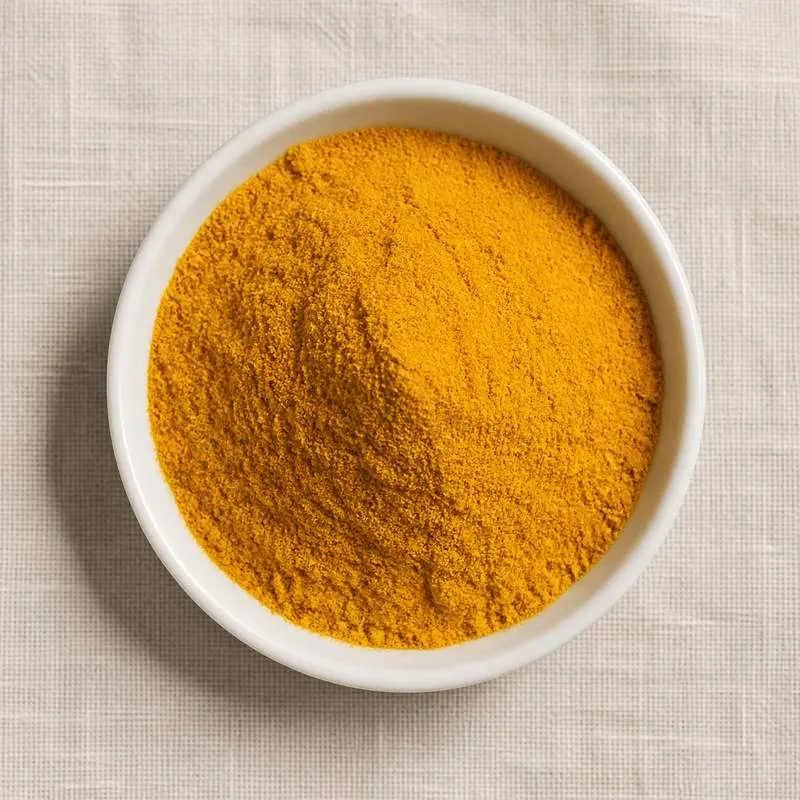
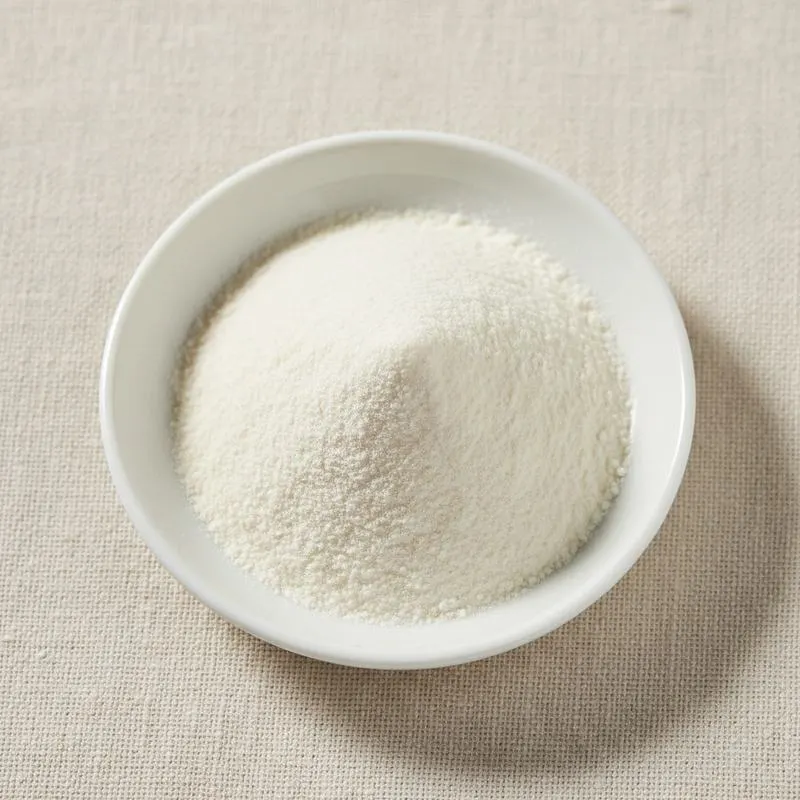
Commercial extract is a light yellow to pale brown fine powder with a faint beany odour. The glucosides are sparingly soluble in cold water and dissolve readily in aqueous ethanol and in warm alkaline solution; the free aglycones are markedly less water soluble again. The compounds are thermally stable through normal food processing, though prolonged heating converts malonyl glucosides to acetyl and free glucoside forms and shifts the profile reported on analysis.
We source bulk Soy Isoflavones from top China manufacturers for our partners. The manufacturer is in Shandong. A smaller requirement can ship in a combined container with other ingredients.
Please send the grade you need, the volume and your destination port, and we will come back with a solution and a price.
or call +86-21-6858 0751
Specifications
| Item | Specification |
|---|---|
| Appearance | Light yellow to pale brown fine powder |
| Botanical source | Glycine max, defatted germ and meal |
| Total isoflavones by HPLC | 40.0 percent minimum, aglycone equivalents |
| Genistein group | 15.0 percent minimum |
| Daidzein group | 10.0 percent minimum |
| Identification | Conforms by HPLC against reference standard |
| Loss on drying | 5.0 percent maximum |
| Sulphated ash | 5.0 percent maximum |
| Particle size | 100 percent through 80 mesh |
| Residual ethanol | 0.5 percent maximum |
| Lead | 1.0 ppm maximum |
| Arsenic | 1.0 ppm maximum |
| Total plate count | 10,000 cfu per gram maximum |
| Yeast and mould | 500 cfu per gram maximum |
| E. coli | Negative in 1 gram |
| Salmonella | Negative in 25 grams |
Common Markets Grades
The standard trade grades are 10, 20, 40 and 80 percent total isoflavones, with the basis of assay, aglycone equivalents or glucoside as-is, stated on the certificate. A 40 percent grade is the standard grade for capsules and tablets; 80 percent is used where dose per capsule is limited. Below 10 percent the material is better described as a soy germ powder than as an extract.
A separate grade is the aglycone-converted extract, in which the glucosides have been hydrolysed enzymatically to free genistein, daidzein and glycitein; this is traded at 40 to 90 percent aglycone and sells at a premium. Single-compound isolates of genistein and daidzein at 98 percent are sold for reference and high-purity work. Powders are milled to pass 80 mesh, with granulated grades for direct compression and water-dispersible grades carrying a solubilising carrier for beverage use. The origin of the feedstock is a specification point in its own right, since buyers routinely require non-GMO identity preserved soy and segregation documentation.
Applications
- Women's health supplements for the menopausal market, the largest single application, in capsule and tablet form
- Bone-health formulations, blended with calcium and vitamin D
- Soy protein based meal replacements and nutrition powders, where a declared isoflavone level supports positioning
- Functional dairy alternatives and fortified soy drinks, using the water-dispersible grade
- Nutrition bars and functional confectionery, where the powder is dry blended
- Cosmetic creams and serums, where isoflavones are used in the anti-ageing segment
- Aglycone-converted grades in premium supplements marketed on absorption
- Analytical reference material, using the 98 percent genistein or daidzein isolate
Brands Using Soy Isoflavones
Widely-distributed consumer products that list Soy Isoflavones on the ingredient label.
- NutricostSoy Isoflavones 150 mg Capsules ↗Each vegetarian capsule supplies 150 mg of soy isoflavones as the sole active ingredient.Label verified 2026-08-31
- Nature's WayEstroSoy Premium Blend ↗A menopause blend whose fermented soy bean extract is standardised to 6% isoflavones, giving 40.2 mg of soy isoflavones per serving.Label verified 2026-08-31
Brand names, product names and logos are the property of their owners. They appear here as published evidence that the ingredient is used, taken from the brand's own label or website. Their appearance is not an endorsement, and it does not mean the brand buys from us or from any manufacturer listed on this site.
China Manufacturers of Soy Isoflavones
Top Soy Isoflavones manufacturers in China.

Company names and logos are the property of the manufacturers themselves. They are listed here because our own directory records them as producing this ingredient. A listing is not an endorsement by them, and we do not represent them or speak on their behalf.
Regulatory Status
In the United States soy isoflavone extracts are marketed as dietary ingredients under the Dietary Supplement Health and Education Act, supported in most cases by pre-1994 marketing history. They are not the subject of a food additive regulation, and a concentrated isoflavone extract is not covered by the GRAS status of soy protein products, so a firm adding one to a conventional food makes its own determination. Soybeans are a major food allergen in the United States and soy-derived ingredients must be declared accordingly. Structure-function claims are permitted with the standard disclaimer.
In the European Union soy isoflavones have no E number, being nutritional ingredients rather than additives. Member states permit isoflavone-containing food supplements subject to national rules, and the European Food Safety Authority has assessed the safety of isoflavone supplements for peri- and post-menopausal women, concluding on the evidence available at the time that no health concern was identified for the intake levels and durations considered. No health claim on isoflavones has been authorised under the EU nutrition and health claims framework, so claims of that kind cannot be made. Soybeans and products thereof are a listed allergen requiring declaration. No Codex commodity standard or JECFA specification applies to the extract.
Manufacturing Process
Production starts from defatted soybean meal, from soy hypocotyl separated during dehulling, or from soy molasses, the syrupy by-product left after soy protein concentrate manufacture, in which isoflavones concentrate. Germ is the richest feedstock and gives the shortest route; molasses is the cheapest and requires more purification.
The feedstock is extracted with aqueous ethanol, typically 50 to 80 percent, at moderate temperature, since the isoflavone glucosides dissolve well in that solvent while protein and much of the carbohydrate do not. The extract is filtered and the ethanol recovered by vacuum distillation, giving a concentrated aqueous solution which is loaded onto a macroporous adsorption resin column. The resin retains the isoflavones while sugars, oligosaccharides, saponins and salts pass through to waste. After a water wash the column is eluted with ethanol, and the strength of the eluting solvent together with the fraction cut sets the final assay. Where an aglycone product is wanted, the concentrated eluate is treated with a beta-glucosidase at controlled pH and temperature to cleave the sugar before the final purification. The eluate is concentrated under vacuum, decolourised where required, and spray dried, then milled, screened and blended to the declared assay.