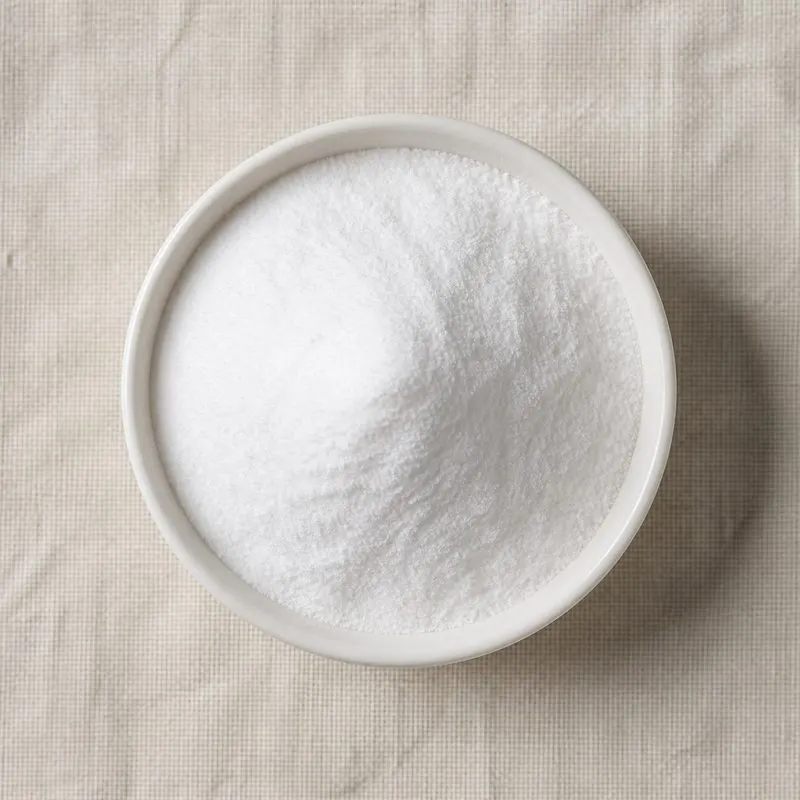
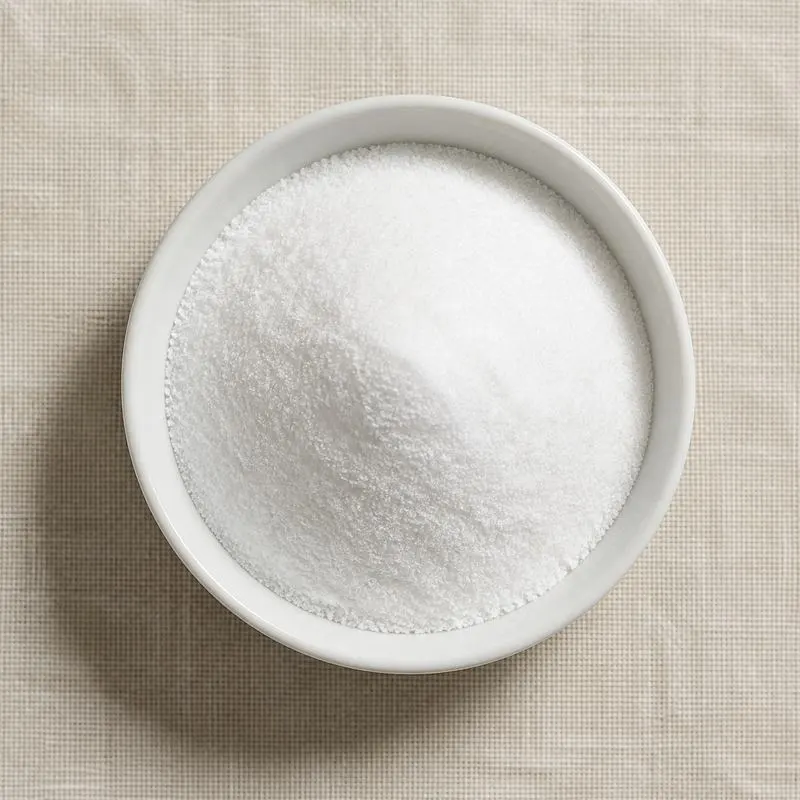
Sucrose Syrup
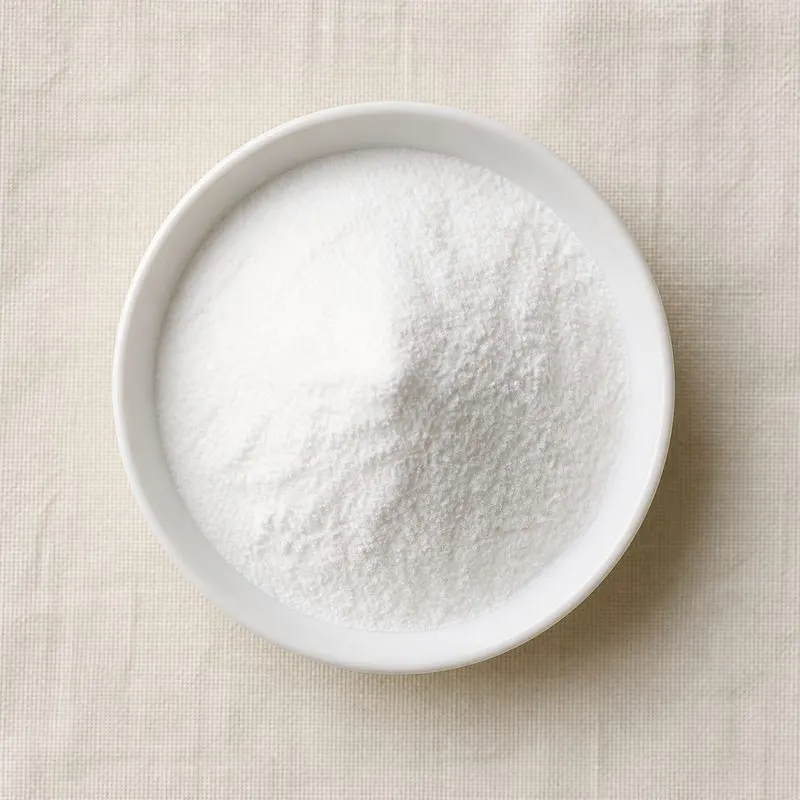
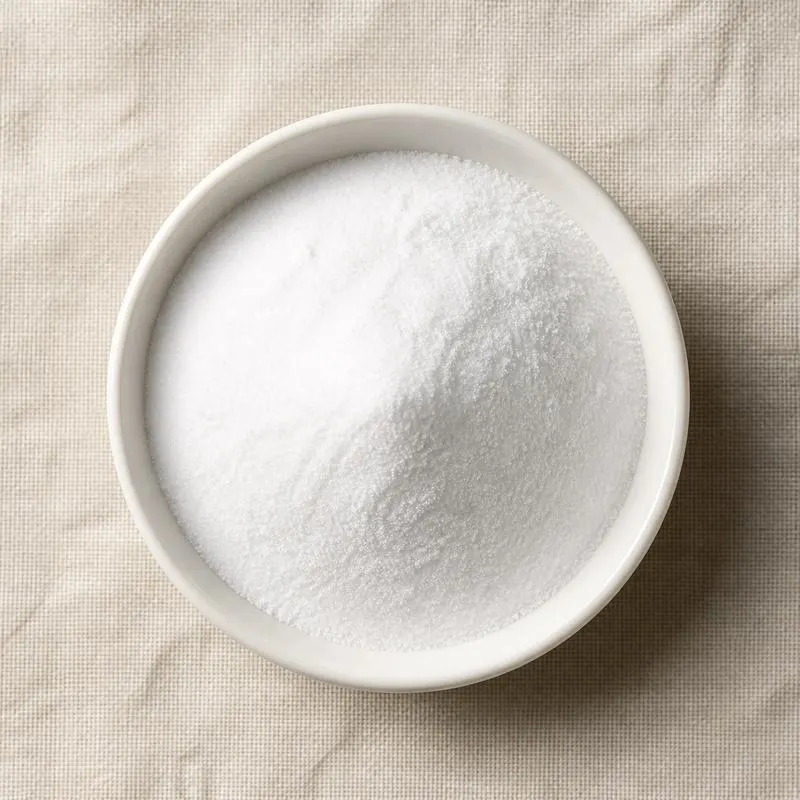
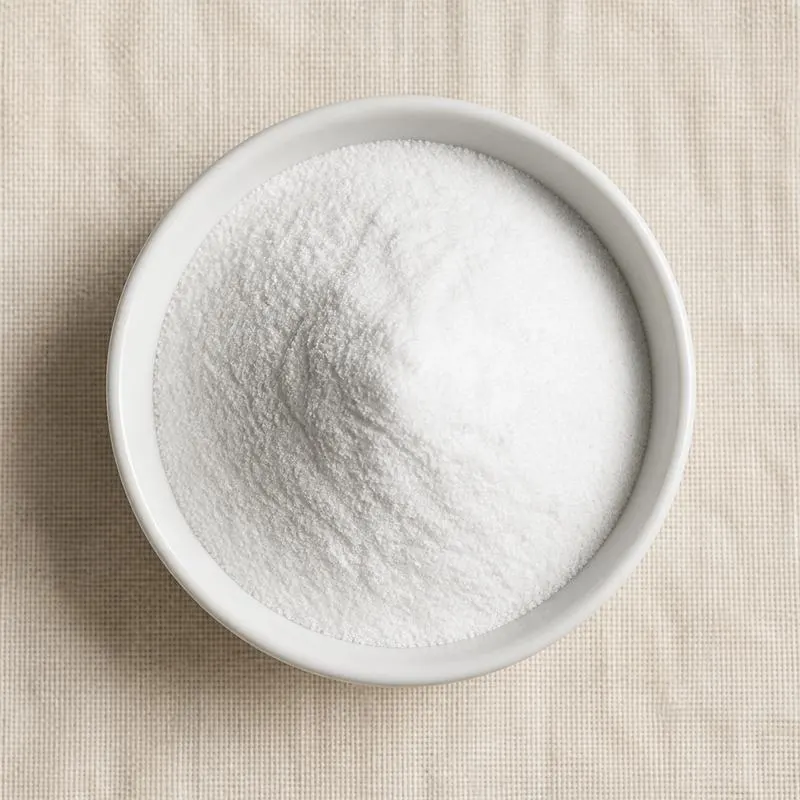
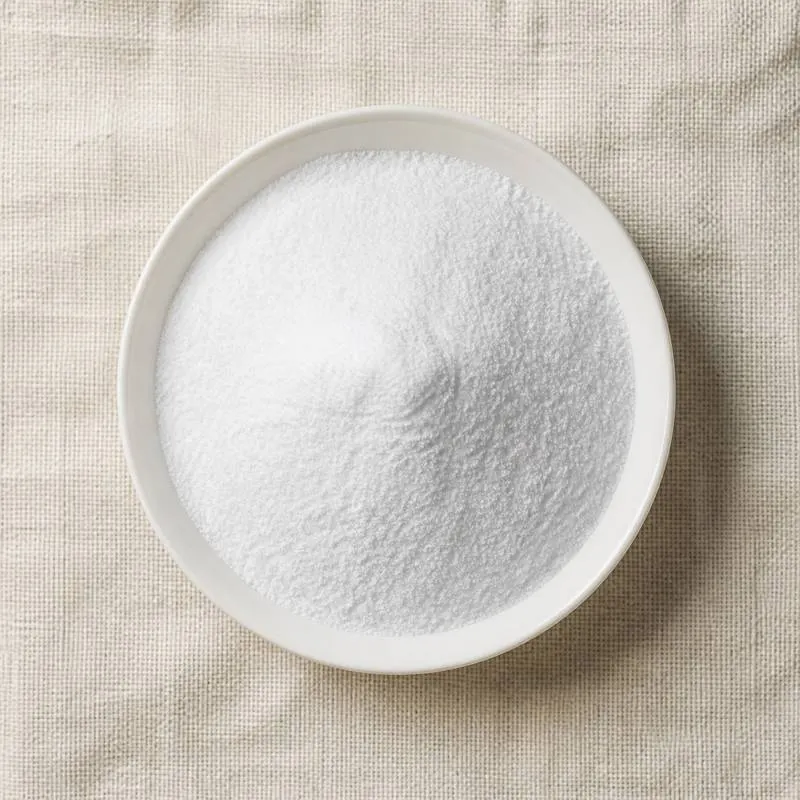
Sucrose syrup, also traded as liquid sugar or liquid sucrose, is a concentrated aqueous solution of refined sucrose, normally sold at 66 to 68 degrees Brix. It is the same sweetener as crystalline sugar delivered in a form that can be pumped, metered and dosed rather than tipped, weighed and dissolved.
The solids figure is not arbitrary. Sucrose saturates water at roughly 67 percent at ambient temperature, so a syrup held near that point carries the maximum sugar that will stay in solution without seeding crystals in a cold tank, while remaining concentrated enough that water is not being shipped unnecessarily. Below about 60 Brix the syrup becomes microbiologically vulnerable and needs preservation or cold storage; above 68 Brix it grains out in winter.
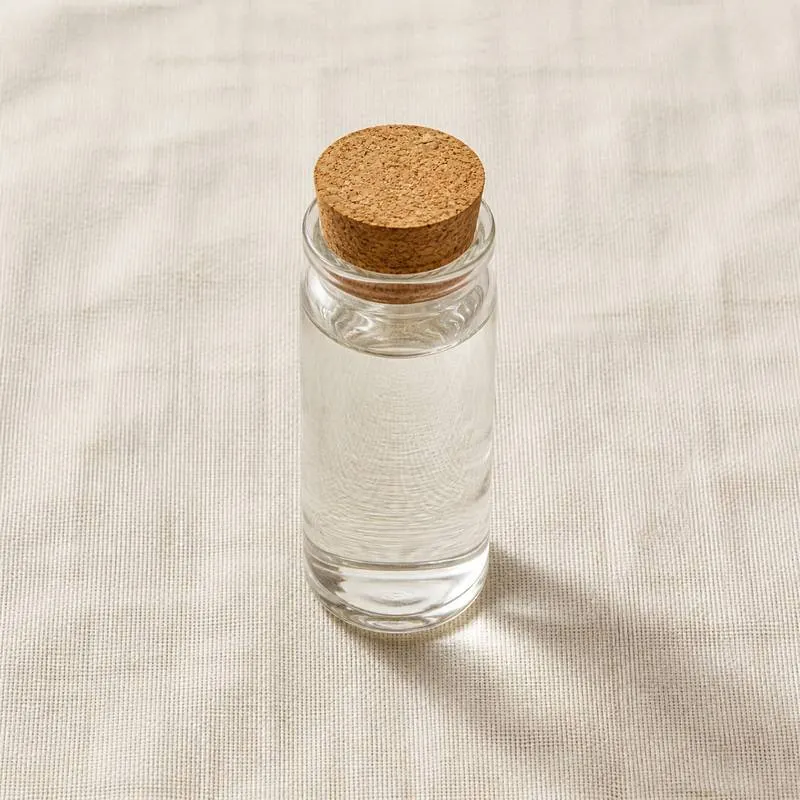
The finished syrup is a clear, colourless to pale straw liquid, low in ash and colour, and essentially free of invert sugar in the standard grade. It is non reducing, so it does not brown on its own during pasteurisation, and it is fully miscible with water. Its main handling requirements are that tanks and lines are kept clean, since a dilute sugar film supports rapid microbial growth, and that storage temperature is held steady, since a temperature drop is what precipitates crystallisation on tank walls.
We source bulk Sucrose Syrup from top China manufacturers for our partners. The manufacturer is in Guangxi. A smaller requirement can ship in a combined container with other ingredients.
Please send the grade you need, the volume and your destination port, and we will come back with a solution and a price.
or call +86-21-6858 0751
- Function
- Sweetener
Specifications
| Item | Specification |
|---|---|
| Appearance | Clear, colourless to pale straw liquid, free of sediment and haze |
| Total soluble solids | 67.0 plus or minus 0.5 degrees Brix |
| Sucrose on dry solids | 99.5 percent minimum |
| Invert sugar | 0.3 percent maximum on dry solids |
| Colour | 35 ICUMSA units maximum |
| Turbidity | Clear at 20 degrees Celsius, no visible haze |
| pH | 6.0 to 7.5 |
| Sulphated ash | 0.03 percent maximum on dry solids |
| Sulphur dioxide | 10 mg/kg maximum |
| Lead | 0.1 mg/kg maximum |
| Arsenic | 0.5 mg/kg maximum |
| Total plate count | 100 cfu/10 g maximum |
| Yeast | 10 cfu/10 g maximum |
| Mould | 10 cfu/10 g maximum |
| Salmonella | Absent in 25 g |
Common Markets Grades
The principal traded grade is pure sucrose syrup at 67 Brix, made from refined white sugar and specified on colour, ash and invert sugar. A partially inverted grade, in which a controlled fraction of the sucrose has been hydrolysed to glucose and fructose, is offered where crystallisation resistance, higher solids or a reducing sugar contribution to browning is wanted; total invert syrup, in which hydrolysis is taken close to completion, is a related but separate article.
Golden or caramelised grades are cooked to develop colour and flavour for bakery and sauce applications. Low colour, low ash and low turbidity grades are made for clear carbonated drinks and for spirits, where any haze or off note would show. Preserved grades carrying a permitted preservative are produced for food service and for customers without aseptic storage; ultraviolet treated and membrane filtered grades serve the same purpose without an additive. Organic certified syrup made from organic cane sugar is a separate line.
Applications
- Carbonated soft drinks and cordials, metered directly into the proportioner in place of a dissolving station and simple syrup room
- Ice tea, lemonade and flavoured water production, where instant dissolution in cold water is required
- Brewing and distilling, as a fermentable adjunct dosed into the wort or wash
- Bakery mixes and cake batters, where a liquid sugar disperses evenly and contributes part of the recipe water
- Ice cream and frozen dessert mixes, added to the wet phase before pasteurisation and homogenisation
- Jams, fruit preparations and fruit fillings, setting the Brix of the finished preparation
- Canned fruit packing syrups, diluted to the declared light, heavy or extra heavy grade
- Confectionery cooking, blended with glucose syrup as the sugar phase of a boiled sweet or caramel
- Bar mixers, cocktail syrups and liqueur production, as the sugar component that will not recrystallise when chilled
China Manufacturers of Sucrose Syrup
Top Sucrose Syrup manufacturers in China.
Company names and logos are the property of the manufacturers themselves. They are listed here because our own directory records them as producing this ingredient. A listing is not an endorsement by them, and we do not represent them or speak on their behalf.
Regulatory Status
In the United States the Food and Drug Administration affirms sucrose as generally recognised as safe under 21 CFR 184.1854, and liquid sugar is simply that substance in solution, labelled as sugar or as liquid sugar. Invert sugar syrup has its own affirmation at 21 CFR 184.1859, which is the relevant citation where a partially or fully inverted grade is used. The Food Chemicals Codex carries identity and purity specifications for both sucrose and invert sugar.
In the European Union liquid sugar, invert sugar solution and invert sugar syrup are named products under the sugars directive, which fixes their dry matter and invert sugar limits and reserves those descriptions. They are foods rather than food additives and carry no E number. Codex maintains standards for sugars covering white sugar and related products, which set the basis for international trade specifications. Where a preservative is added to a syrup for food service, that preservative is the regulated component and must be declared on the label.
Manufacturing Process
Refined white sugar is fed continuously into a dissolver with softened, treated water and dissolved with heat and agitation to a slight excess above the target Brix. The hot liquor passes through a coarse filter to remove any packaging debris and undissolved matter, then through a decolourisation stage on activated carbon or a decolourising ion exchange resin, which removes the trace colour bodies carried on the crystal surface and any colour developed during dissolution.
The decolourised liquor is polish filtered through a plate and frame or membrane filter to remove carbon fines and to reduce turbidity, then standardised to the exact Brix by controlled water addition against an inline refractometer. Where a partially inverted grade is being made, the liquor is instead held at controlled temperature and low pH, or treated with invertase, until the target invert level is reached, then neutralised. The syrup is pasteurised or ultraviolet treated, cooled through a plate exchanger, and pumped to insulated storage tanks fitted with sterile air filters and ultraviolet headspace lamps, or filled hot into drums and intermediate bulk containers. Bulk syrup is shipped in dedicated food grade road tankers.