Sunflower Pectin
Sunflower Pectin is a low methoxyl pectin extracted from the sunflower head, the disc shaped capitulum left after the seed has been removed and pressed for oil.
Like all pectins it is a polymer of α-1,4-linked D-galacturonic acid with rhamnogalacturonan regions carrying arabinan and galactan side chains. What distinguishes the sunflower source is its natural degree of esterification, which sits low, typically in the region of 25 to 40 percent, so the material behaves as a low methoxyl pectin straight out of extraction without the alkaline or enzymatic de-esterification that citrus and apple pectin need to reach the same class. Galacturonic acid content is high and the neutral sugar side chain content is comparatively low.
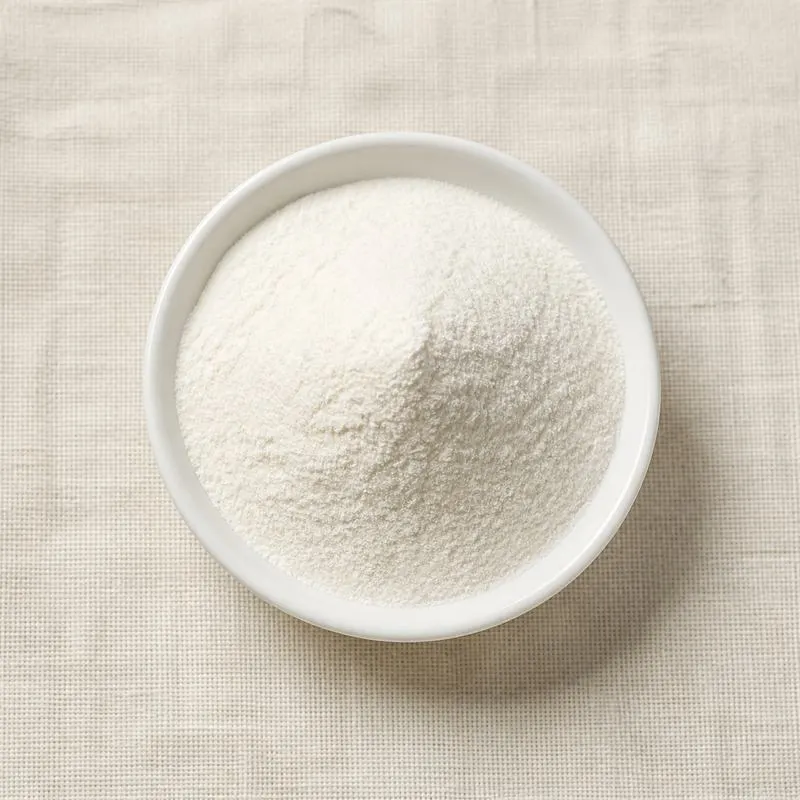
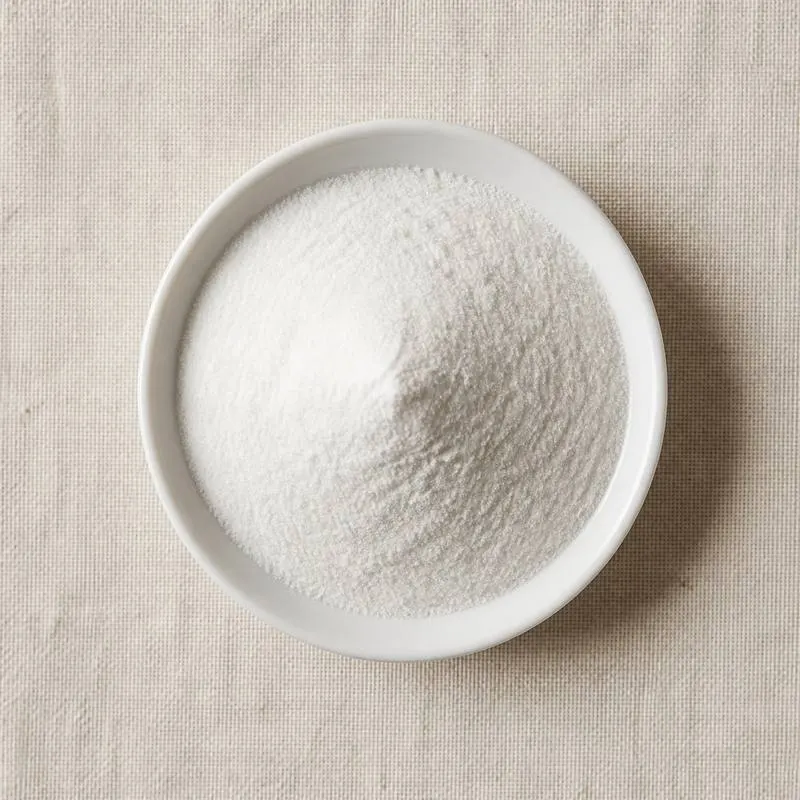
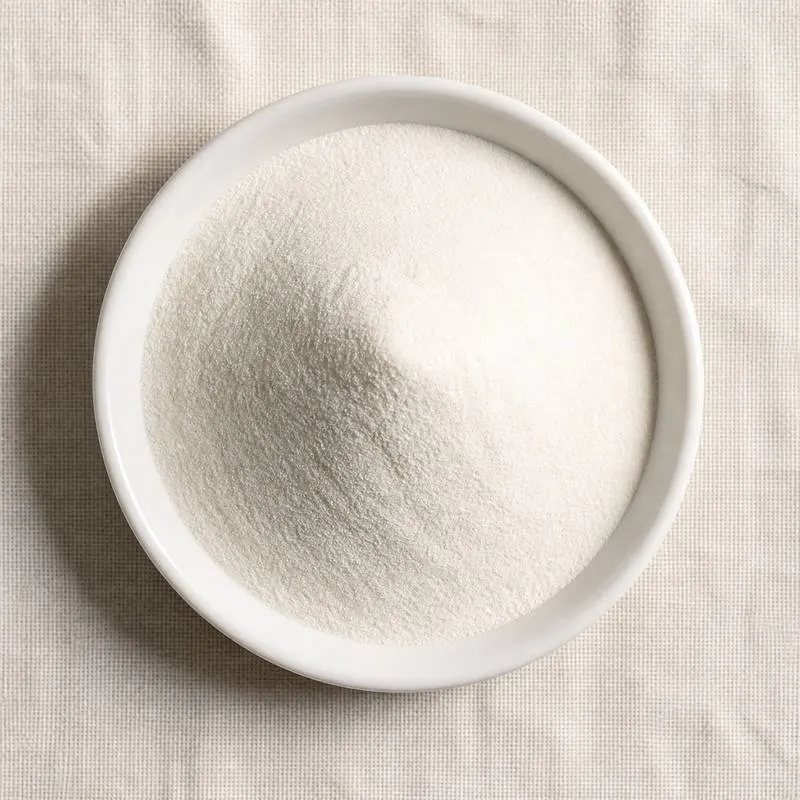
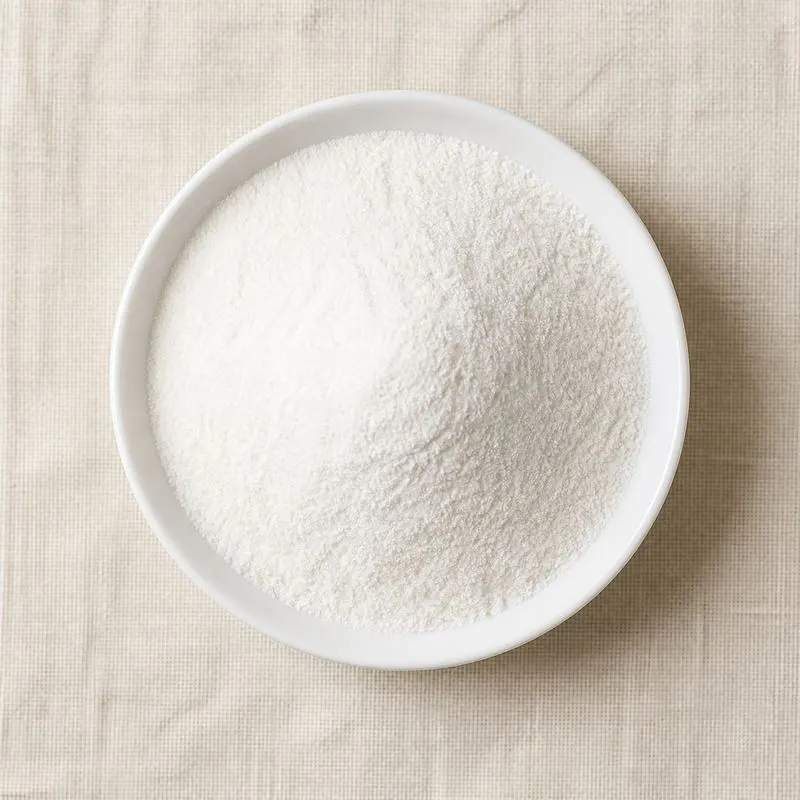
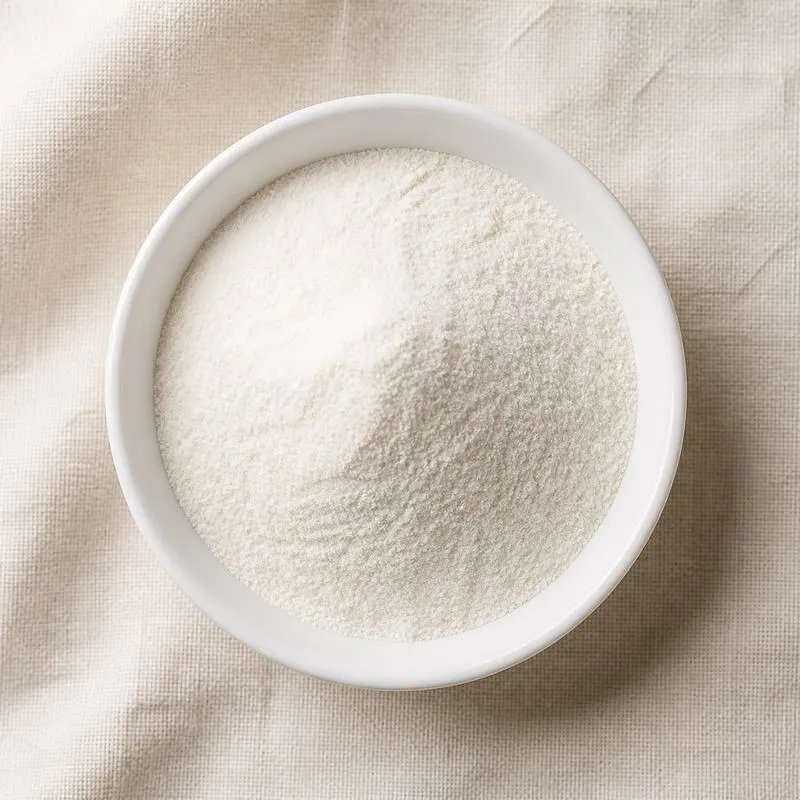
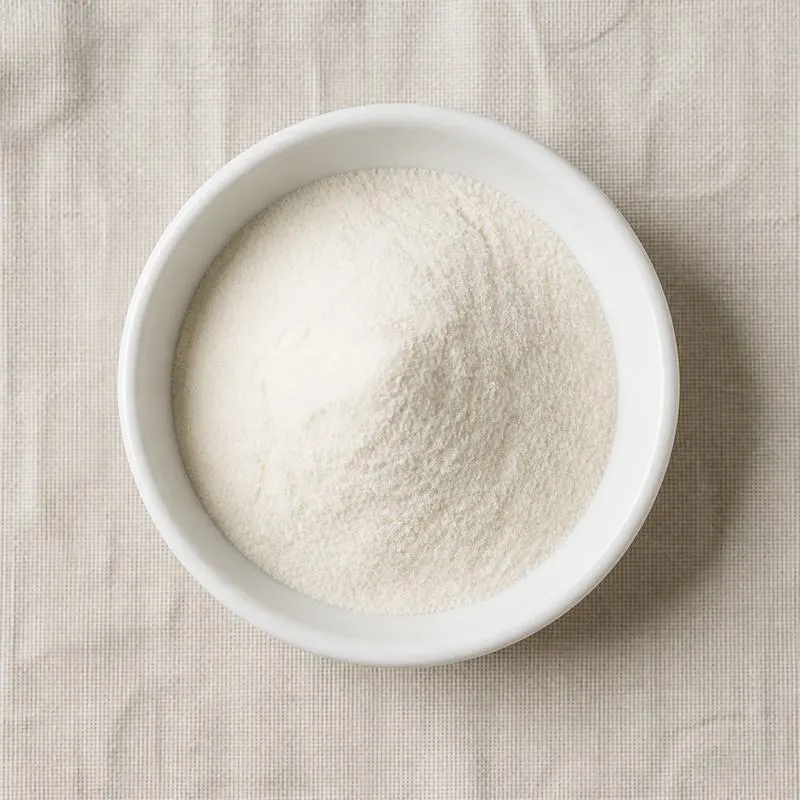
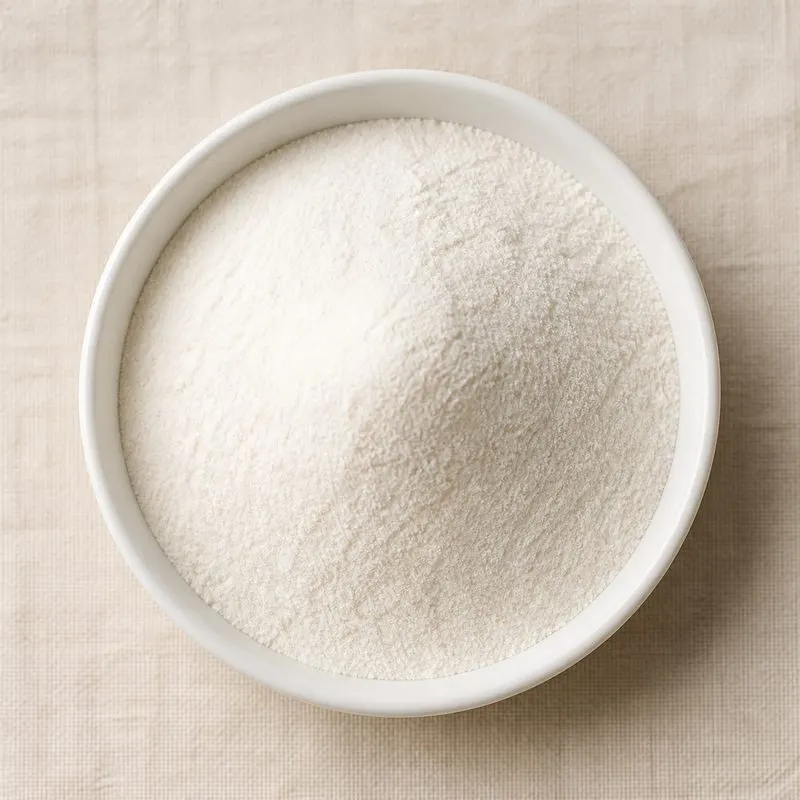
It is a cream to light beige powder that disperses in water and hydrates on heating. Gelation does not depend on sugar or on low pH; it requires calcium, which cross links the free carboxyl groups into an egg box structure, and the gel that results is set by calcium level rather than by soluble solids. That makes the material suited to reduced sugar and neutral pH systems where a high methoxyl pectin would not set at all. Solutions are heat stable and lose viscosity under prolonged acid heating.
We source bulk Sunflower Pectin from top China manufacturers for our partners. The manufacturer is in Inner Mongolia. A smaller requirement can ship in a combined container with other ingredients.
Please send the grade you need, the volume and your destination port, and we will come back with a solution and a price.
or call +86-21-6858 0751
- Function
- Thickener / Hydrocolloid
Specifications
| Item | Specification |
|---|---|
| Appearance | Cream to light beige powder |
| Galacturonic Acid | ≥ 65% on ash free dry basis |
| Degree of Esterification | 25 to 40% |
| Identification | Gel formation with calcium ions, positive pectin colour reaction |
| Gel Strength | Standardised to declared grade, ± 5% |
| Loss on Drying | ≤ 12% |
| Total Ash | ≤ 10% |
| pH, 1% solution | 3.0 to 4.5 |
| Residual Isopropanol | ≤ 1.0% |
| Lead | ≤ 2.0 mg/kg |
| Arsenic | ≤ 1.0 mg/kg |
| Total Plate Count | ≤ 5,000 cfu/g |
| Yeast and Mould | ≤ 300 cfu/g |
| Salmonella | Absent in 25 g |
Common Markets Grades
Sunflower pectin is traded as a low methoxyl pectin and is graded by galacturonic acid content, degree of esterification, calcium reactivity and gel strength measured under stated calcium and soluble solids conditions. Conventional and amidated variants both exist, the amidated form giving a more tolerant set across a wider calcium window.
Standardisation with sucrose or dextrose to a declared gel grade is normal practice, as it is for citrus pectin, so the labelled activity rather than the raw assay is what a formulator works from. Mesh is usually 60 to 100. Because the raw material is a by-product of sunflower oil processing rather than of citrus juicing, non-citrus and allergen-free positioning is part of why the grade is specified, and organic and non-GMO declarations follow the oilseed supply chain.
Applications
- Reduced sugar and no added sugar jams, where the calcium set works without the high soluble solids a conventional pectin needs
- Fruit preparations for yoghurt, holding fruit pieces in suspension and surviving the pumping step
- Neutral pH dairy desserts and milk gels, where the calcium already present in milk drives the set
- Bakery fillings and fruit bases that must hold shape through baking without boiling out
- Plant based yoghurts and fermented alternatives, giving body and reducing whey separation
- Confectionery jellies, in combination with controlled calcium addition for a short clean bite
- Beverage systems as a protein protective colloid in acidified drinks
- Low fat spreads and dressings, structuring the water phase in place of removed fat
- Edible films and coatings, where the calcium cross linked network casts a coherent layer
China Manufacturers of Sunflower Pectin
Top Sunflower Pectin manufacturers in China.
Company names and logos are the property of the manufacturers themselves. They are listed here because our own directory records them as producing this ingredient. A listing is not an endorsement by them, and we do not represent them or speak on their behalf.
Regulatory Status
Regulation (EC) No 1333/2008 authorises pectin in the European Union as E440, with E440(i) covering pectin and E440(ii) amidated pectin. The purity criteria in the specifications regulation define pectin by its galacturonic acid content and by extraction from suitable edible plant material, and citrus peel and apple pomace are the sources named in practice, so a sunflower derived pectin must be demonstrated to meet those identity and purity criteria for the source to be acceptable.
In the United States pectin is affirmed as GRAS under 21 CFR 184.1588 for use in food. JECFA has evaluated pectins and published identity and purity specifications, and Codex lists pectins in the General Standard for Food Additives as a thickener, gelling agent and stabiliser. Because sunflower is a less established commercial source than citrus or apple, the supporting documentation for source and process is the point a buyer verifies before use in a regulated market.
Manufacturing Process
The feedstock is the sunflower head residue, sometimes called the capitulum or head meal, collected at the oil mill after threshing. It is dried and milled to open the tissue, then extracted in hot dilute acid, usually with nitric or hydrochloric acid at a pH near 2 and a temperature of 70 to 90 degrees Celsius, which solubilises the pectin from the cell wall. Extraction is kept as short as the yield allows because prolonged hot acid conditions strip methyl esters and depolymerise the chain.
The extract is separated from the spent solids by pressing and filtration, clarified, and often decoloured on activated carbon since sunflower tissue carries more pigment than citrus peel. It is then concentrated by vacuum evaporation or ultrafiltration and precipitated with isopropanol or ethanol. The fibrous precipitate is pressed, washed with fresh alcohol to remove residual sugars and salts, dried under vacuum, milled and screened. Finished pectin is blended with sugar to a standardised gel grade, and the alcohol is recovered by distillation.