Transglutaminase
Transglutaminase is an enzyme that catalyses the formation of a covalent bond between the gamma carboxamide group of a glutamine residue and the epsilon amino group of a lysine residue in a protein, releasing ammonia and creating a cross link between or within protein chains. The commercial food enzyme is the microbial form produced by fermentation of Streptomyces mobaraensis, a calcium independent enzyme of roughly 38 kilodaltons that is easier to use industrially than the calcium dependent transglutaminases found in animal tissue.
Cross linking is what the enzyme is bought for. Joining separate protein molecules into a network raises gel strength, water holding and heat stability, binds separate pieces of meat or fish into a single restructured mass, firms dairy gels and improves the gas holding capacity of a dough. Activity is expressed in units per gram measured on a standard substrate, and the practical dose is set by the protein content of the food, the time and the temperature rather than by the weight of the food alone.
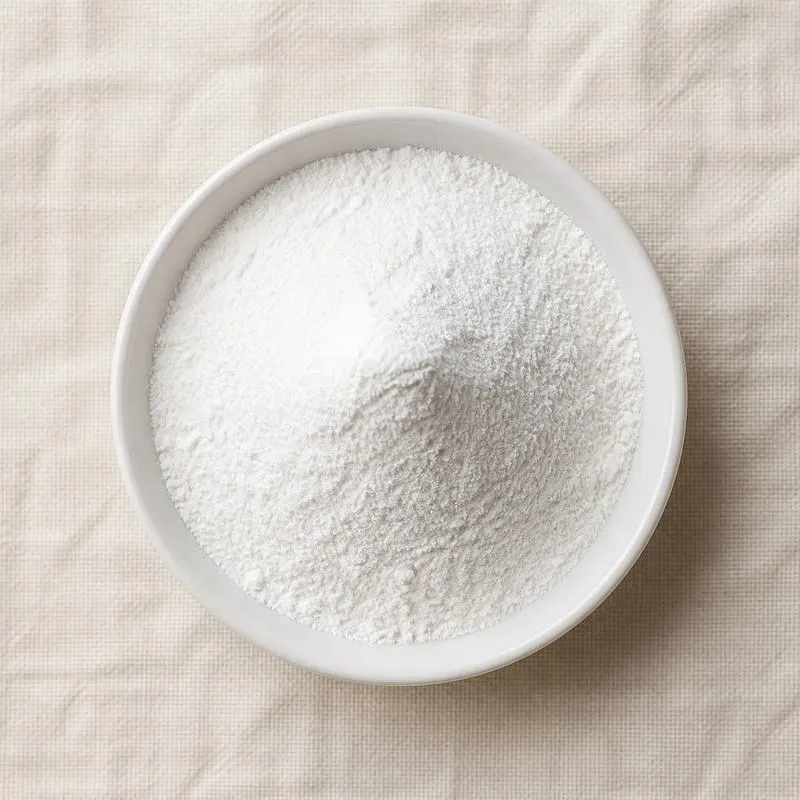
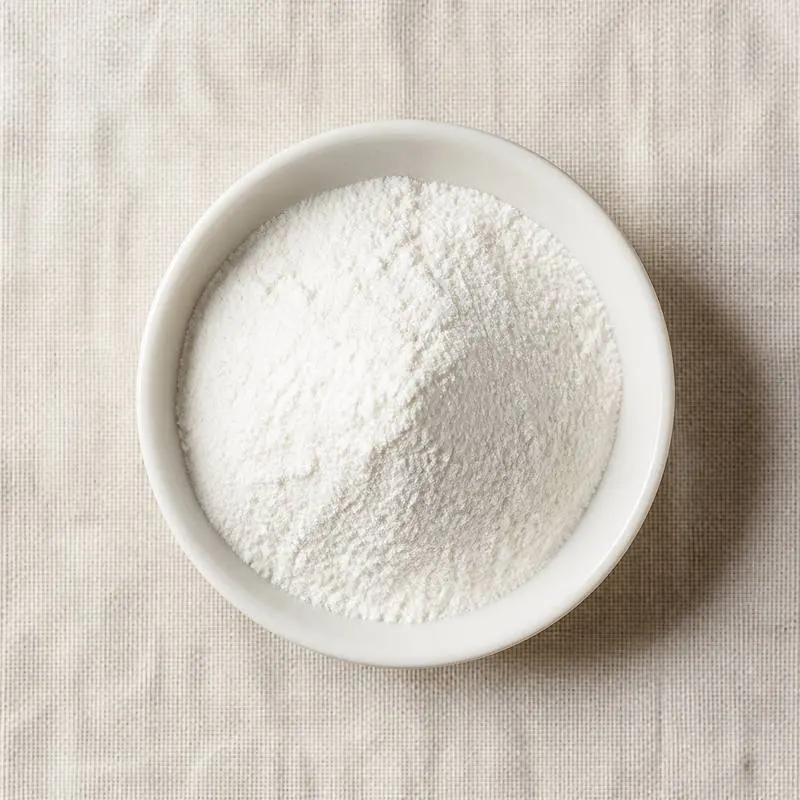
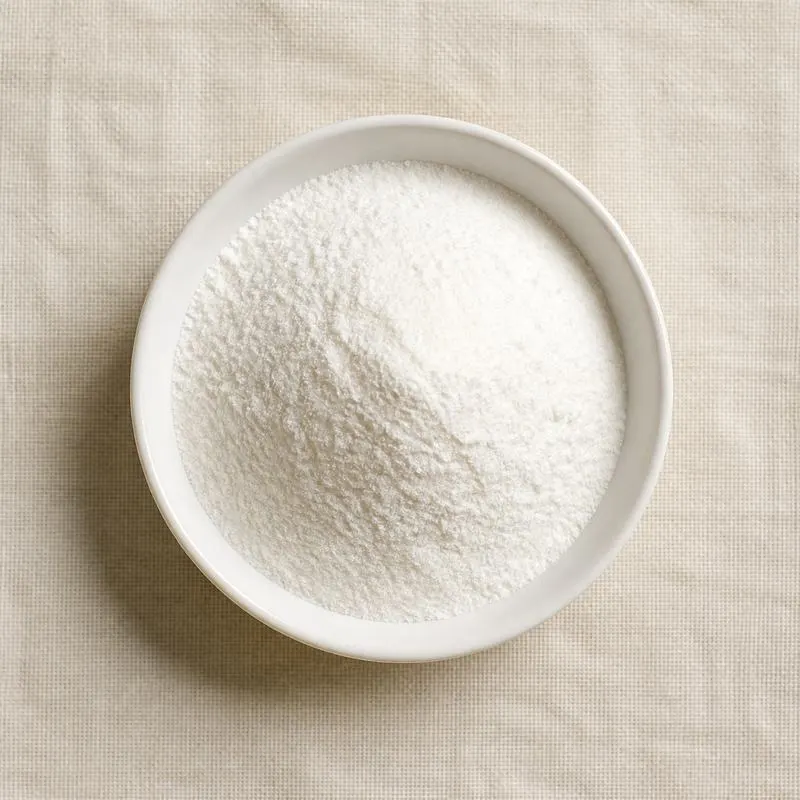
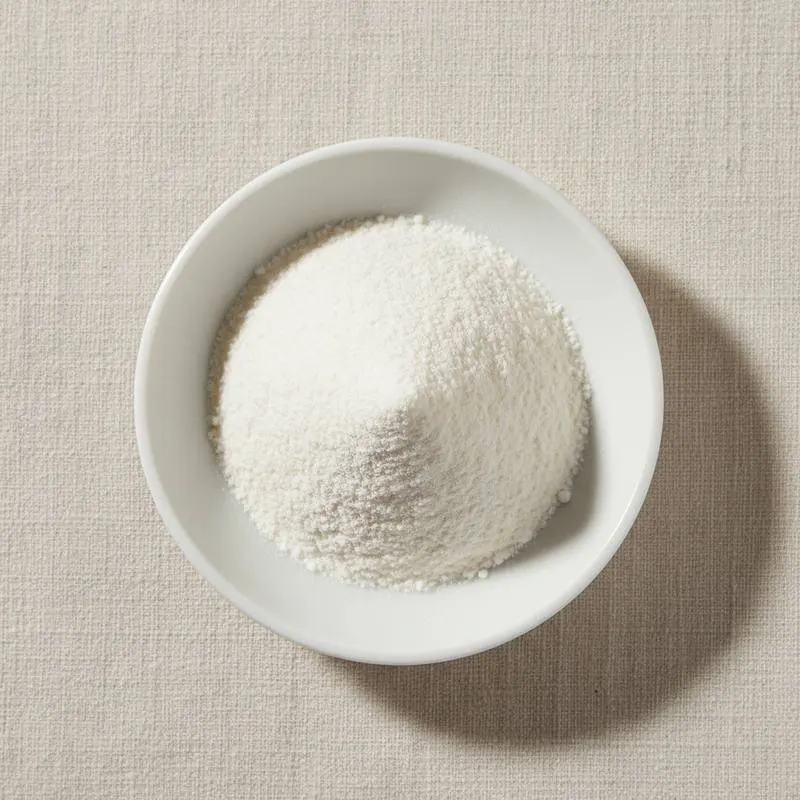
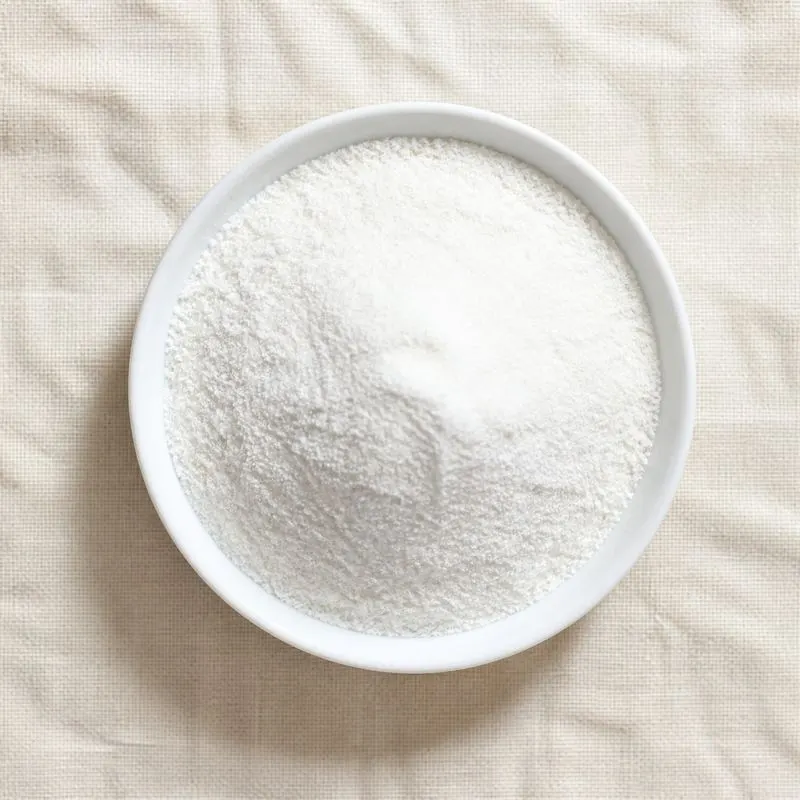
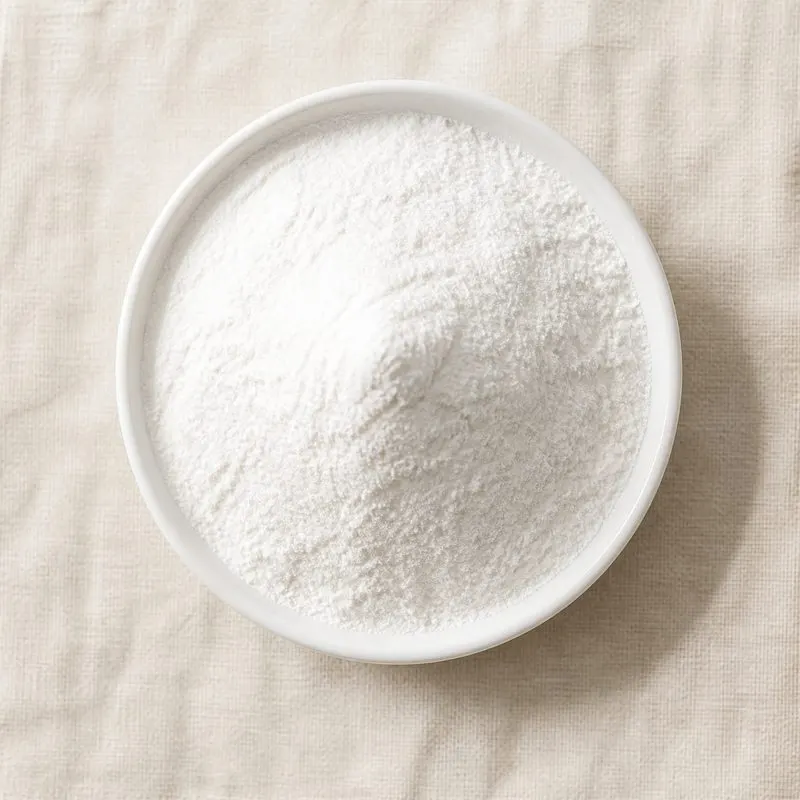
Commercial preparations are free flowing off white to pale tan powders in which the active enzyme is diluted onto maltodextrin or another carrier, often together with sodium caseinate, a phosphate or a reducing agent that assists the reaction. The enzyme works over roughly pH 5 to 8 with an optimum near neutral, is active from refrigeration temperature up to around 55 degrees Celsius, and is inactivated by cooking, so it functions during preparation and holding rather than in the finished cooked product.
We source bulk Transglutaminase from top China manufacturers for our partners, working with several of them. The manufacturers are mostly in Guangdong, Guangxi and Shandong. A smaller requirement can ship in a combined container with other ingredients.
Please send the grade you need, the volume and your destination port, and we will come back with a solution and a price.
or call +86-21-6858 0751
Specifications
| Item | Specification |
|---|---|
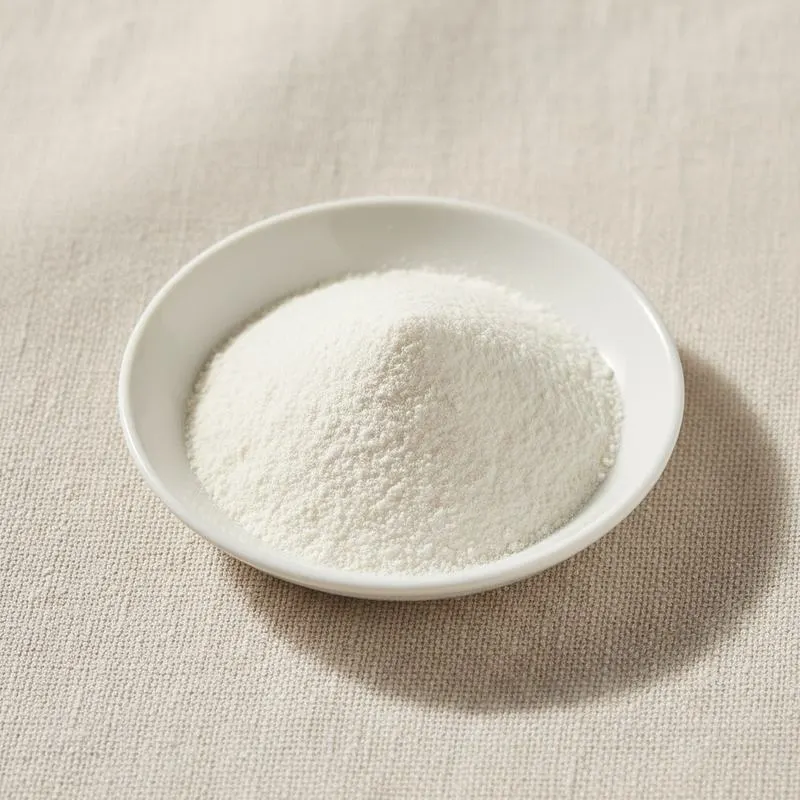
| Appearance | Off white to pale tan free flowing powder |
| Odour | Slight and characteristic, free from foreign notes |
| Identification | Cross linking activity confirmed on standard protein substrate |
| Activity | 100 units per gram, ± 10% of declared |
| Loss on drying | ≤ 8.0% |
| pH, 1% solution | 5.5 to 7.5 |
| Lead | ≤ 5 mg/kg |
| Arsenic | ≤ 3 mg/kg |
| Total plate count | ≤ 50000 cfu/g |
| Yeast and mould | ≤ 100 cfu/g |
| Coliforms | ≤ 30 cfu/g |
| Escherichia coli | Absent in 25 g |
| Salmonella | Absent in 25 g |
| Antimicrobial activity | Not detected |
Common Markets Grades
Grades are described by declared activity and by the formulation around the enzyme. Straight enzyme preparations diluted on maltodextrin, commonly at 100 units per gram, are used where the food already contains enough of the right protein. Compounded grades add sodium caseinate as a substrate rich carrier for binding meat and fish pieces, or gelatin, phosphate and a reducing agent for specific restructured products, and these are dosed on the total blend rather than on enzyme units.
The trade also separates grades by application, one formulation for restructured meat and another for yoghurt or noodle use, and by whether they carry dairy protein, which matters for allergen declaration and for vegan lines. Kosher, halal and non genetically modified documentation is specified alongside, and liquid preparations are used for continuous dosing in dairy plants. Storage is part of the grade description, since most preparations are shipped and held chilled or frozen to protect activity.
Applications
- Restructured meat and poultry, binding trimmings and whole muscle pieces into a formed product without added phosphate
- Surimi and fish products, raising gel strength and elasticity
- Sausage and emulsified meat, improving firmness, slice quality and cooking yield
- Yoghurt and fermented dairy, strengthening the gel and reducing syneresis at lower solids
- Cheese and cheese analogues, improving yield and firmness by cross linking casein
- Noodles and pasta, strengthening the gluten network and reducing cooking loss
- Bread and bakery doughs, improving dough stability and gas retention in weak flour
- Plant based meat analogues, building texture in soy and pea protein systems that lack gluten
- Tofu and soy protein gels, giving a firmer set with less coagulant
Brands Using Transglutaminase
Widely-distributed consumer products that list Transglutaminase on the ingredient label.
- JUST EggFolded Plant Egg ↗Plant based folded egg patty made from mung bean protein whose ingredient list includes transglutaminase.Label verified 2026-08-31
- Jus-RolGluten Free Puff Pastry Sheet ↗Ready rolled gluten free puff pastry that lists transglutaminase as its flour treatment agent.Label verified 2026-08-31
- BuitoniPasta Sfoglia Senza Glutine ↗Gluten free chilled puff pastry sheet whose Italian ingredient list names transglutaminasi as the flour treatment agent.Label verified 2026-08-31
Brand names, product names and logos are the property of their owners. They appear here as published evidence that the ingredient is used, taken from the brand's own label or website. Their appearance is not an endorsement, and it does not mean the brand buys from us or from any manufacturer listed on this site.
China Manufacturers of Transglutaminase
Top Transglutaminase manufacturers in China.
 Guangdong Kelong Biotechnology.Co., Ltd.2 ingredients in the directory
- Leveking Biotech Co., Ltd.5 ingredients in the directory
 Nanning Doing-higher Bio-tech Co., Ltd.4 ingredients in the directory
 Yota Bio-engineering Co., Ltd.10 ingredients in the directory
 Zhejiang Silver Elephant Bioengineering Co., Ltd.12 ingredients in the directory
Company names and logos are the property of the manufacturers themselves. They are listed here because our own directory records them as producing this ingredient. A listing is not an endorsement by them, and we do not represent them or speak on their behalf.
Regulatory Status
In the United States microbial transglutaminase from Streptomyces mobaraensis has been the subject of generally recognised as safe determinations notified to the Food and Drug Administration, covering its use as an enzyme in meat, fish, dairy and bakery applications. It is normally used as a processing aid, and labelling follows the general rules for ingredients and processing aids together with allergen declaration for any dairy or other allergenic component carried in the preparation. Meat and poultry applications are additionally subject to the labelling requirements of the Department of Agriculture, which has historically required that restructured products formed from separate pieces be identified as such.
In the European Union Regulation 1332/2008 governs food enzymes, under which every enzyme must be assessed and entered in a Union list before it may be used, and the European Food Safety Authority evaluates applications. Until that list is complete, enzymes may be marketed under transitional arrangements according to the national rules of the member state concerned, and an individual enzyme preparation must be checked against the current status of the Union list. JECFA has evaluated transglutaminase from Streptomyces mobaraensis and maintains a specification monograph for the enzyme preparation, and the general Codex principles for enzyme preparations used as processing aids apply.
Manufacturing Process
The enzyme is produced by submerged fermentation. A production strain of Streptomyces mobaraensis is carried through a seed train and inoculated into a stirred, aerated fermenter charged with a medium of peptone, starch or glucose and mineral salts. The fermentation is run at around 30 degrees Celsius under controlled pH, temperature and dissolved oxygen for two to four days, during which the organism secretes the enzyme into the broth in its active form after cleavage of a pro sequence.
Downstream the biomass is separated by centrifugation and filtration, and the clarified broth is concentrated and desalted by ultrafiltration on a membrane that retains the enzyme while allowing salts and small molecules through. Purification by ion exchange or adsorption chromatography follows where a higher specific activity is required, and the purified concentrate is stabilised, then dried gently by freeze drying or low temperature spray drying, since the enzyme loses activity above about 60 degrees Celsius. The dried enzyme is blended with maltodextrin and any formulation components to the declared activity, sieved, and packed in moisture barrier foil, usually for chilled or frozen distribution. Release testing covers activity on a standard substrate, microbiological quality and the general purity requirements for food enzyme preparations.