Sweet Potato Concentrate Juice
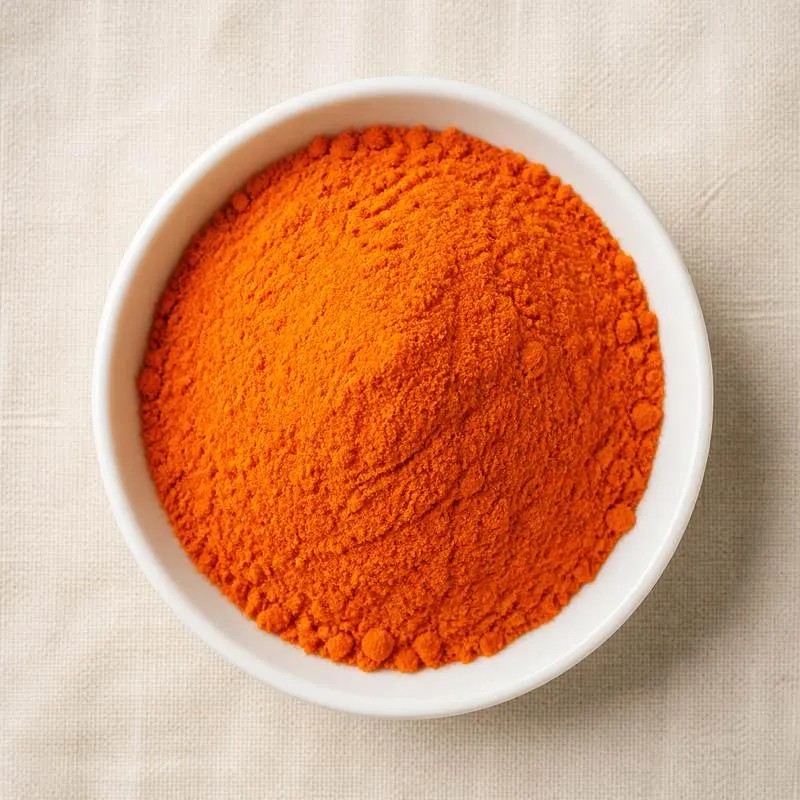
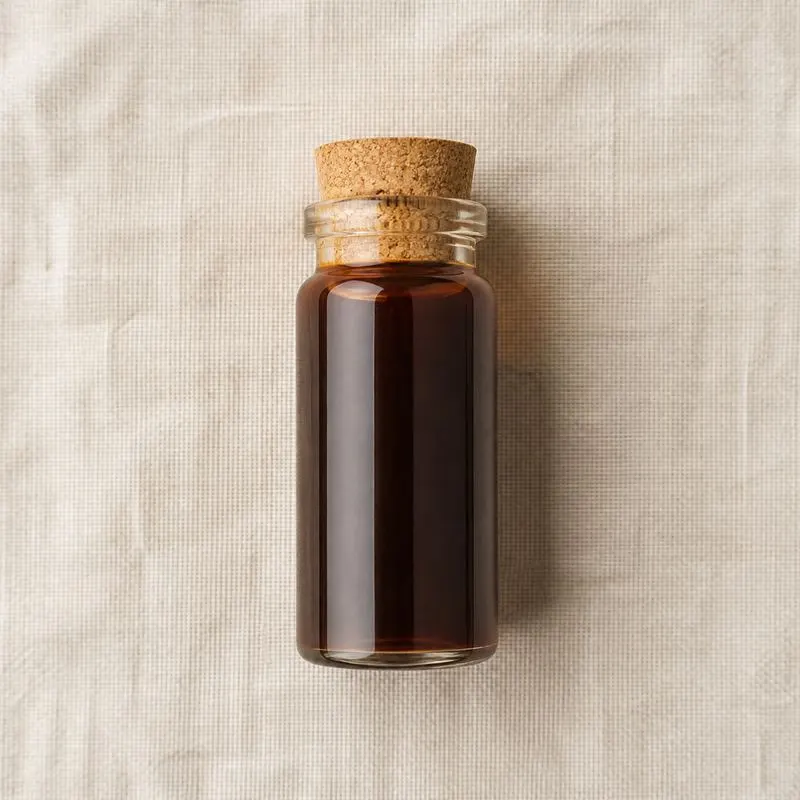
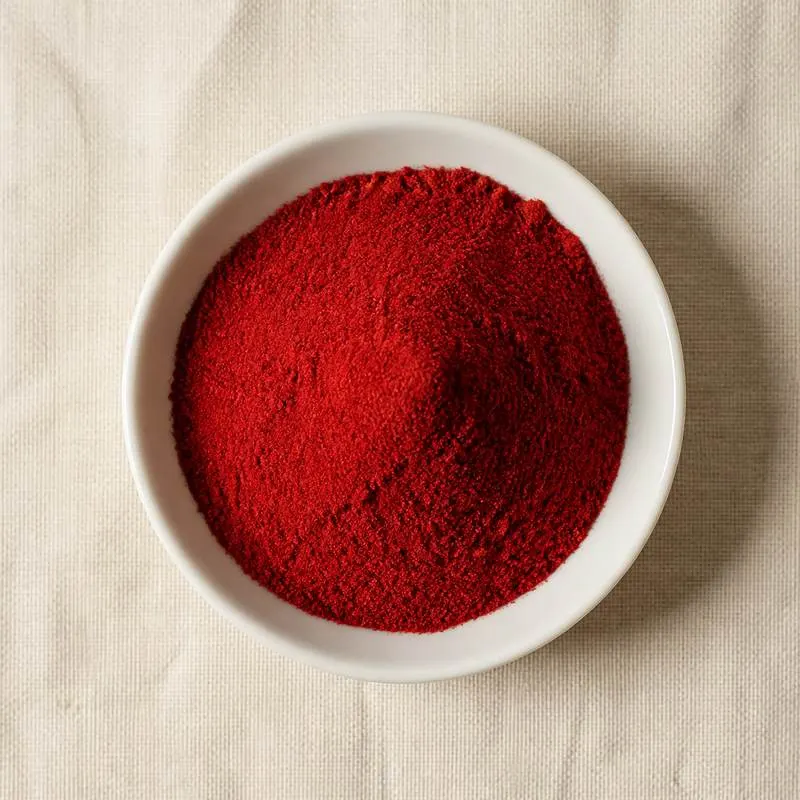
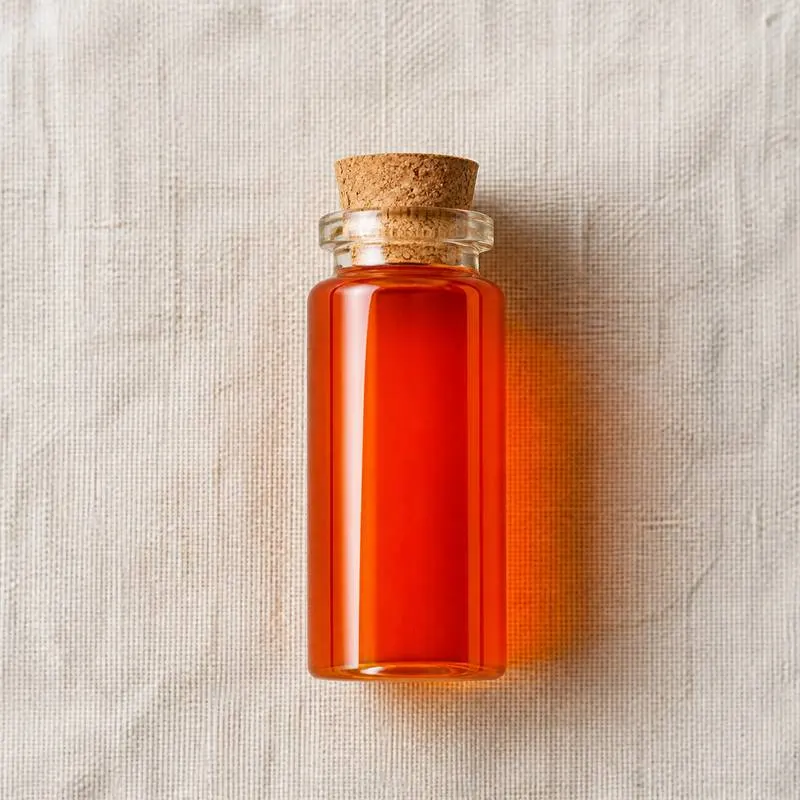
Sweet potato concentrate juice is the juice pressed from sweet potato roots, Ipomoea batatas, clarified and evaporated to a stable soluble solids level. Purple-fleshed cultivars give a red to purple concentrate carrying acylated anthocyanins, and orange-fleshed cultivars give an orange concentrate carrying carotenoids. It differs from a sweet potato colour extract in that no adsorption resin step is used to isolate the pigment, so the concentrate retains the sugars, organic acids, minerals and flavour of the root along with the colour.
The commercial article is a viscous liquid, typically 40 to 65 degrees Brix, packed in aseptic bags in drums or frozen in pails. A spray-dried powder version on a starch or maltodextrin carrier is also traded where liquid handling and cold chain are impractical. The concentrate is fully miscible with water and with aqueous alcohol, and is not oil soluble.
Because it is a juice rather than an isolated additive, it is used in two ways. It contributes colour, in which case it is handled as a colouring foodstuff, and it contributes solids, sweetness and a root flavour note, which can be desirable in vegetable blends and unwanted in delicate systems. Colour behaviour follows the pigment class: the purple type is red at low pH and shifts blue as pH rises, the orange type does not change with pH but is oxygen sensitive.
We source bulk Sweet Potato Concentrate Juice from top China manufacturers for our partners. The manufacturer is in Shandong. A smaller requirement can ship in a combined container with other ingredients.
Please send the grade you need, the volume and your destination port, and we will come back with a solution and a price.
or call +86-21-6858 0751
- Function
- Colorant
Specifications
| Item | Specification |
|---|---|
| Appearance | Viscous purple-red or orange liquid, free from foreign matter |
| Soluble Solids | 65 plus or minus 1 degrees Brix at 20 degrees Celsius |
| Colour Value E1%/1cm at 530 nm | 10 to 40 (purple type) |
| pH | 3.2 to 4.5 |
| Titratable Acidity | 0.5 to 2.0 per cent as citric acid |
| Viscosity at 20 degrees Celsius | Pourable, not more than 5000 mPa s |
| Starch | Negative to iodine test |
| Lead | Not more than 0.3 mg/kg |
| Arsenic | Not more than 0.2 mg/kg |
| Patulin | Not detected |
| Total Plate Count | Not more than 100 cfu/g |
| Yeast and Mould | Not more than 20 cfu/g |
| Escherichia coli | Absent in 5 g |
| Salmonella | Absent in 25 g |
Common Markets Grades
Grading is by soluble solids and by colour. Clarified concentrates at 65 degrees Brix are the standard for ambient distribution, while 40 to 50 degrees Brix cloudy or single-strength grades are sold frozen where a fuller root character is wanted. Colour is stated as a colour value at about 530 nm for purple material and as total carotenoid content for orange material.
Options at order level cover clarified or cloudy, acidified or unacidified, organic certification, and a deodorised grade in which part of the earthy note is stripped by gentle vacuum stripping before final evaporation. All grades are food grade. Powder versions are specified additionally on carrier type and on residual moisture.
Applications
- Vegetable and fruit juice blends, contributing colour and soluble solids without an added colour declaration in markets that allow colouring foodstuffs
- Smoothies and chilled drinks in taro and purple-vegetable positioning
- Yoghurt and fermented milk fruit preparations, where the acid base suits the purple pigment
- Ice cream, sorbet and frozen dessert bases
- Bakery fillings, sweet doughs and steamed buns, where the root sugars also contribute browning
- Confectionery syrups, jellies and fruit chews
- Infant and toddler purees and pouches, as a vegetable component rather than an additive
- Sauces, glazes and marinades needing a natural sweetness and warm colour
- Nutritional and meal replacement beverages sold on a whole-vegetable claim
China Manufacturers of Sweet Potato Concentrate Juice
Top Sweet Potato Concentrate Juice manufacturers in China.
Company names and logos are the property of the manufacturers themselves. They are listed here because our own directory records them as producing this ingredient. A listing is not an endorsement by them, and we do not represent them or speak on their behalf.
Regulatory Status
Sweet potato concentrate juice is treated as a food ingredient rather than as a food additive when it is used in a way that a consumer would recognise as adding a vegetable to the food. In the European Union that route is the colouring foodstuff route: a concentrate produced by non-selective physical processes, without selective extraction of the pigment, may be used as an ingredient and is declared by its ingredient name rather than with an E number, whereas a selectively purified pigment would fall under the colour E163 and its authorisation conditions. The distinction depends on whether the process selectively enriches the pigment, so the manufacturing route determines the classification.
In the United States, the listings for colour additives exempt from certification in 21 CFR Part 73 cover fruit and vegetable juice colour, and sweet potato juice concentrate used for colour falls under those provisions, while use as an ordinary food ingredient sits outside colour additive regulation. Codex addresses concentrated vegetable juices through its general standards for fruit and vegetable juices and nectars rather than through the additive framework.
Manufacturing Process
Roots are washed, sorted and either rasped or milled into a mash. A short heat step deactivates polyphenol oxidase, which would otherwise brown the juice within minutes of pressing, and for purple material the mash is acidified at the same time to stabilise the anthocyanin. The mash is treated with pectinase and, where a high yield is required, with amylase to break down the starch that would otherwise make the juice unmanageably viscous.
Juice is separated on a decanter or belt press, and the pomace is dried separately as a fibre. The juice is clarified by centrifugation and filtration, or left cloudy where that is specified, then evaporated in a multiple-effect or falling-film evaporator under vacuum at low temperature to protect the pigment. Aroma stripped in the first effect can be returned to the concentrate where the root character is wanted. Concentrate is pasteurised, standardised to Brix and colour, and filled aseptically or frozen; powder grades are instead blended with carrier and spray dried.