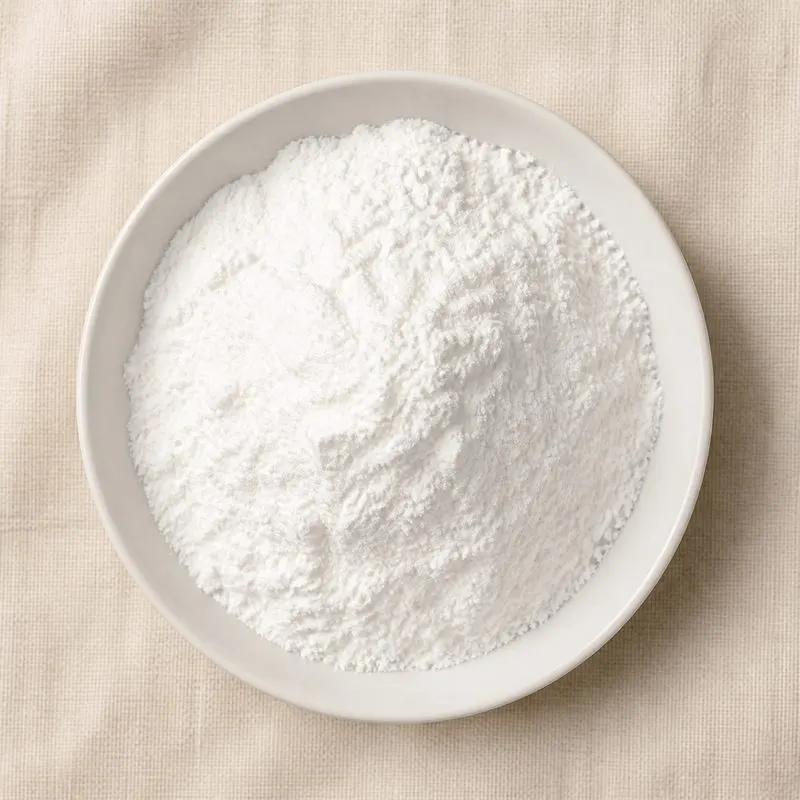
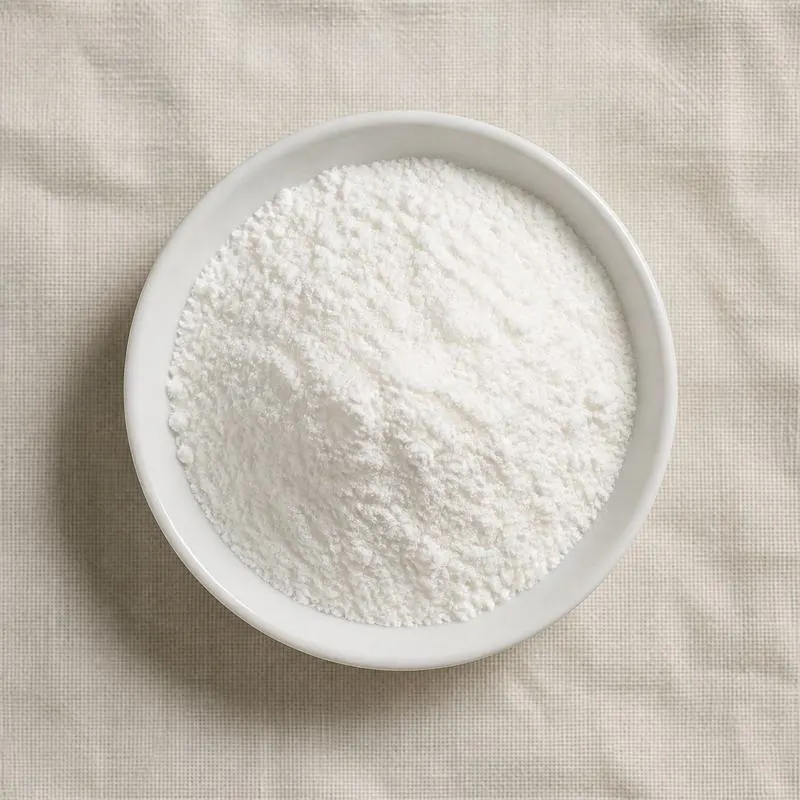
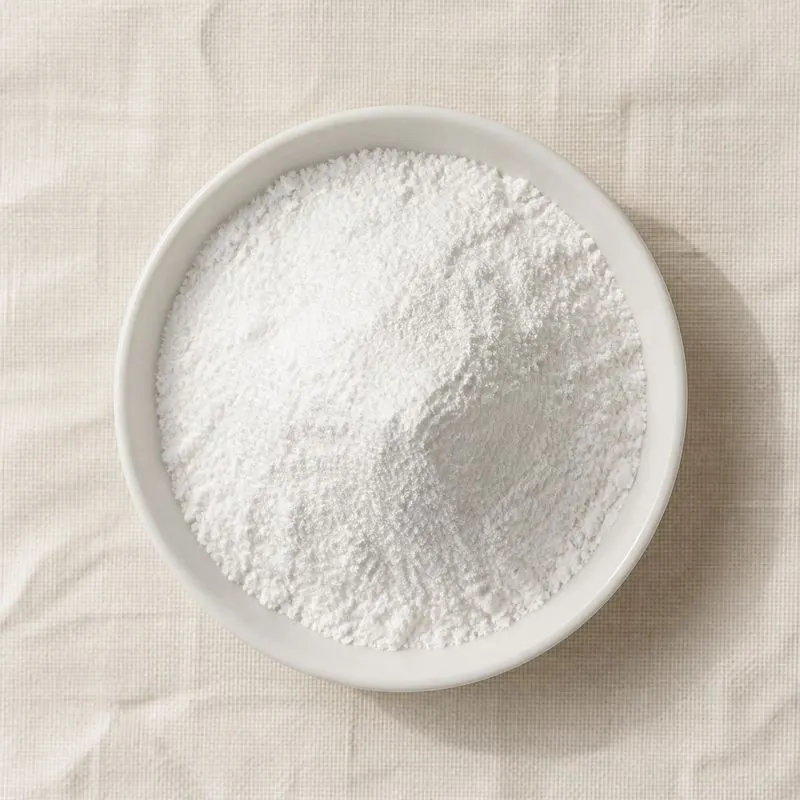
Sweet Potato Starch
Sweet potato starch is the native starch extracted from the storage roots of Ipomoea batatas by rasping, screening out the fibre and pigment-bearing cell debris, washing the released granules and drying them without chemical modification.
It sits functionally between potato and maize starch. The granules are oval to polygonal and mostly 10 to 25 micrometres across, and the starch contains roughly 18 to 22 percent amylose. Gelatinisation begins around 65 to 75 degrees Celsius, higher than potato starch, and the paste it forms is moderately clear, firm-bodied and strongly retrograding. That last property is the commercially important one: on cooling, the amylose re-associates into a tough elastic network, which is exactly what is wanted in the transparent starch noodles and vermicelli that account for much of the demand.
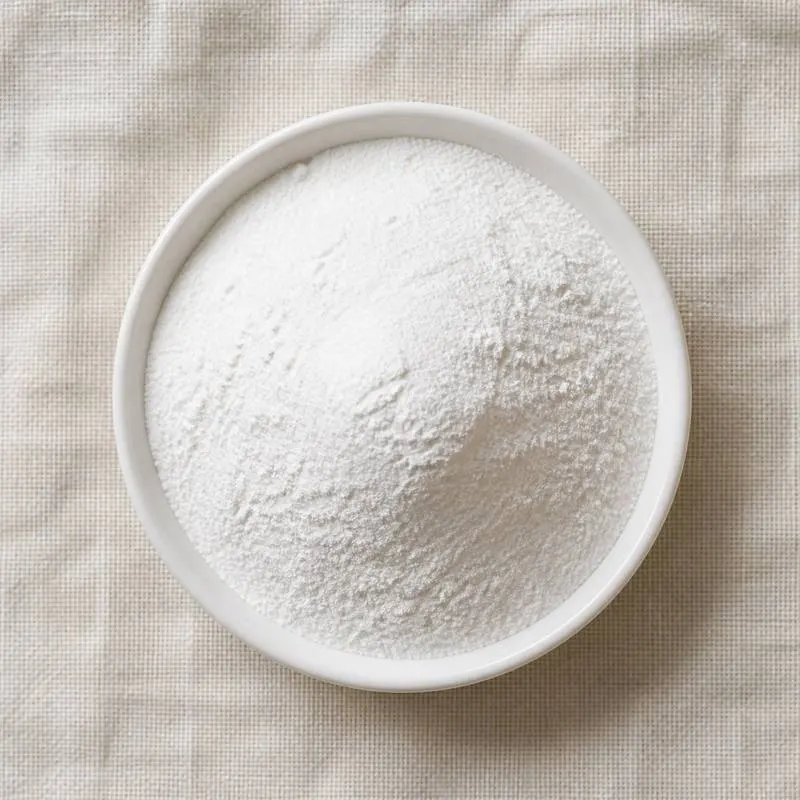
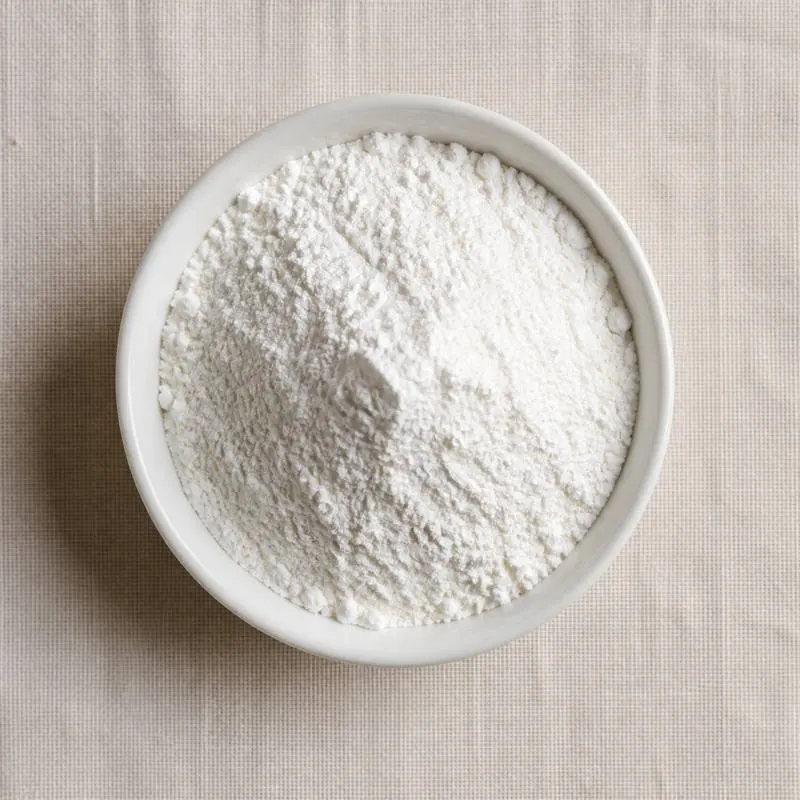
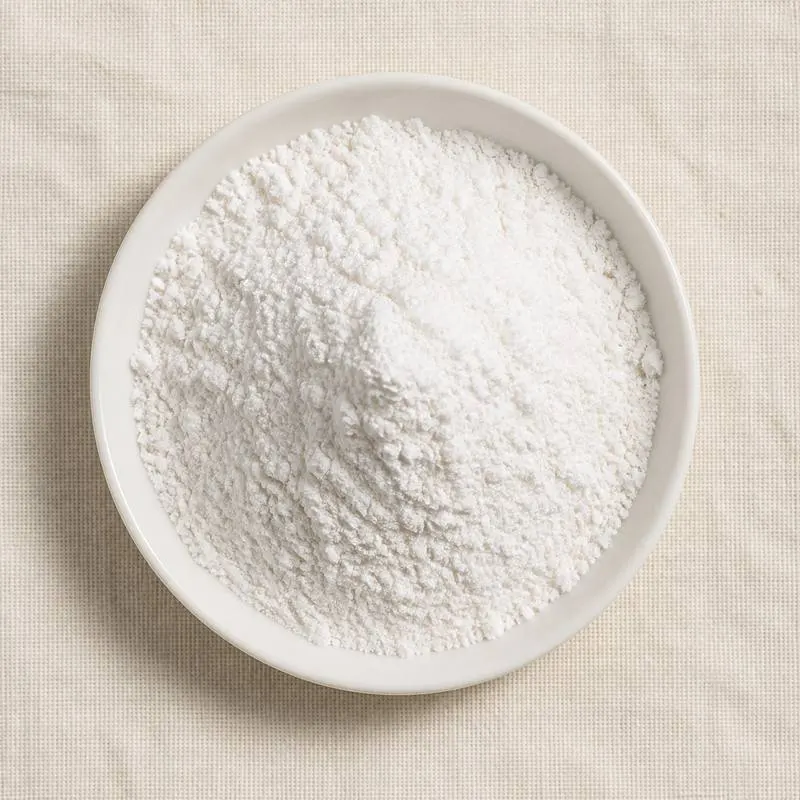
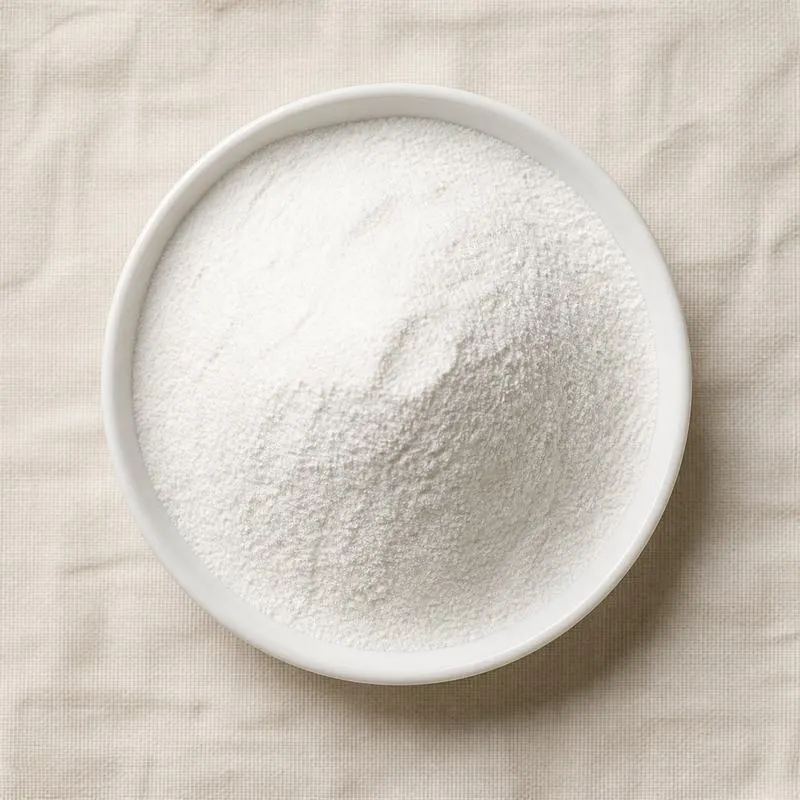
It is a white to slightly greyish free-flowing powder. Colour is the usual quality problem, because polyphenols in the root oxidise rapidly once the tissue is opened and will grey the starch unless the wash train is fast and well controlled. The granular powder is insoluble in cold water, has a bland flavour with a faint earthy note, and contains no gluten.
We source bulk Sweet Potato Starch from top China manufacturers for our partners. The manufacturer is in Hebei. A smaller requirement can ship in a combined container with other ingredients.
Please send the grade you need, the volume and your destination port, and we will come back with a solution and a price.
or call +86-21-6858 0751
- Function
- Texturisers
Specifications
| Item | Specification |
|---|---|
| Appearance | White free-flowing powder, free of foreign matter |
| Odour and Taste | Bland, characteristic, free of foreign odour |
| Identification | Positive starch reaction with iodine solution |
| Starch Content, dry basis | Not less than 97.0% |
| Moisture | Not more than 14.0% |
| Protein, dry basis | Not more than 0.3% |
| Ash | Not more than 0.4% |
| Fat | Not more than 0.1% |
| pH, 10% slurry | 5.5 to 7.5 |
| Whiteness | Not less than 90 |
| Specks per square decimetre | Not more than 8 |
| Particle Size | Not less than 99% through 100 mesh |
| Sulphur Dioxide | Not more than 30 mg/kg |
| Lead | Not more than 0.5 mg/kg |
| Arsenic | Not more than 0.5 mg/kg |
| Total Plate Count | Not more than 10,000 CFU/g |
| Yeast and Mould | Not more than 100 CFU/g |
| Salmonella | Absent in 25 g |
Common Markets Grades
Sweet potato starch is traded as a native product in food and industrial grades, distinguished mainly by whiteness, ash and residual protein. Noodle grade, the largest food application, is specified by whiteness, by the strength of the gel it forms and by low fibre and speck counts, since visible specks carry straight through into the finished translucent noodle. Standard food grade for general thickening carries looser colour limits.
Beyond colour, buyers specify mesh, usually 100 or 120 mesh, moisture and viscosity. A sedimented or air-dried village-scale product is still traded in some markets alongside modern washed and flash dried material, and the two differ substantially in ash, protein and microbiology, so the drying route should be confirmed on an enquiry. Pregelatinised and modified sweet potato starches are made on the same base but are sold under their own names. Purple-fleshed varieties yield a starch that carries residual anthocyanin colour and is handled as a separate lot.
Applications
- Transparent starch noodles and vermicelli, where strong retrogradation supplies the chewy elastic bite and the translucent appearance
- Hot pot and glass noodle products, holding texture through prolonged simmering
- Frying batters and coatings for Chinese and Korean fried chicken, giving a coarse crisp crust that stays crisp on standing
- Sweet potato and tapioca style chewy balls and dessert dumplings
- Processed meat and fish products, binding water and firming the cooked gel
- Sauces, gravies and thick soups requiring an opaque firm body
- Glucose syrup, maltose syrup and fermentation feedstock as a hydrolysis substrate
- Feedstock for modified starch production, including acetylated and cross-linked derivatives
- Bakery and gluten-free formulations as a structural starch with neutral flavour
- Paper sizing and adhesive manufacture in industrial grades
China Manufacturers of Sweet Potato Starch
Top Sweet Potato Starch manufacturers in China.
Company names and logos are the property of the manufacturers themselves. They are listed here because our own directory records them as producing this ingredient. A listing is not an endorsement by them, and we do not represent them or speak on their behalf.
Regulatory Status
Native sweet potato starch is a food ingredient rather than a food additive. It carries no E number, requires no additive authorisation and is declared on ingredient lists as sweet potato starch or starch.
In the United States starches obtained from edible roots by physical separation are accepted as generally recognised as safe when used in accordance with good manufacturing practice, and the product is regulated through the general food safety framework rather than through an additive listing. In the European Union it falls under general food law and the contaminants regulation rather than the additives regulation, and where sulphite is used as a processing aid the residue must sit within the limits that apply to sulphur dioxide, with labelling required above the declaration threshold. Codex maintains a standard for edible starches covering identity and purity for native starches of this kind. Sweet potato is not a declarable allergen in either jurisdiction, and the starch is commonly certified below the 20 mg/kg gluten threshold for gluten-free claims.
Manufacturing Process
Harvested roots are delivered to the plant, washed in a drum washer to remove soil and stones, and rasped or hammer milled into a fine mash that tears the parenchyma cells open and frees the granules. Speed matters at this stage, because polyphenol oxidase begins browning the exposed tissue within minutes, so the mash is diluted immediately with a large volume of water and moved forward without holding, sometimes with a low dose of sulphite as an antioxidant processing aid.
The diluted mash passes over curved screens or a centrifugal sieve where the fibre and cell wall material are washed out and drawn off as a co-product for feed. The crude starch milk is then refined through a countercurrent hydrocyclone train, which strips soluble protein, pigment, fine fibre and sugars until the starch reaches the required purity and whiteness. The refined milk is dewatered on a peeler centrifuge or vacuum belt filter to a cake of roughly 38 to 42 percent moisture, then flash dried in a short hot air pass to 12 to 14 percent moisture, cooled, sifted and passed over magnets and a metal detector before packing. Process water is recovered and recycled through the wash train to limit fresh water use and effluent load.