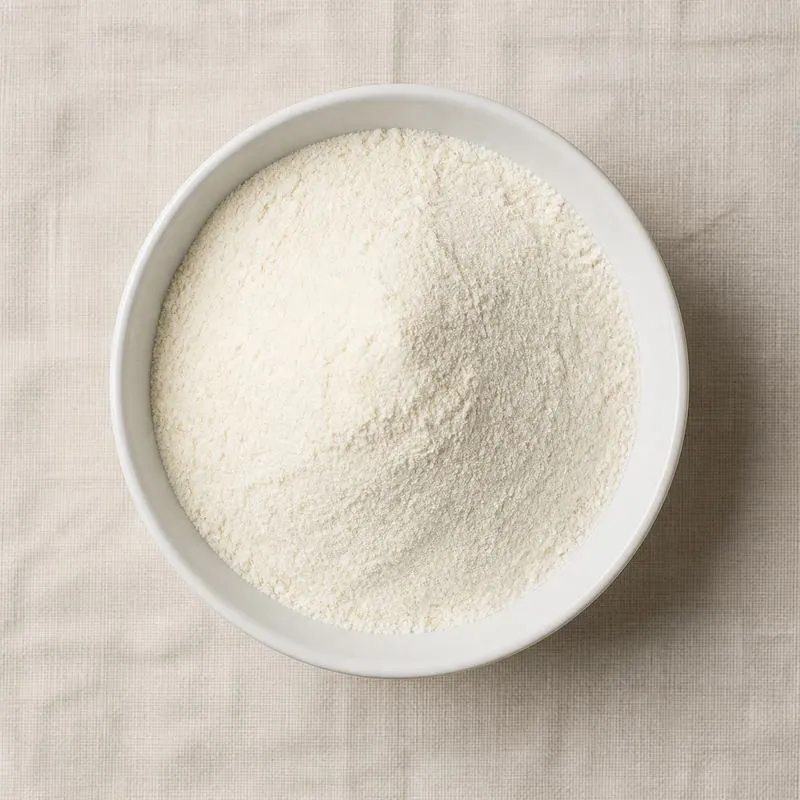
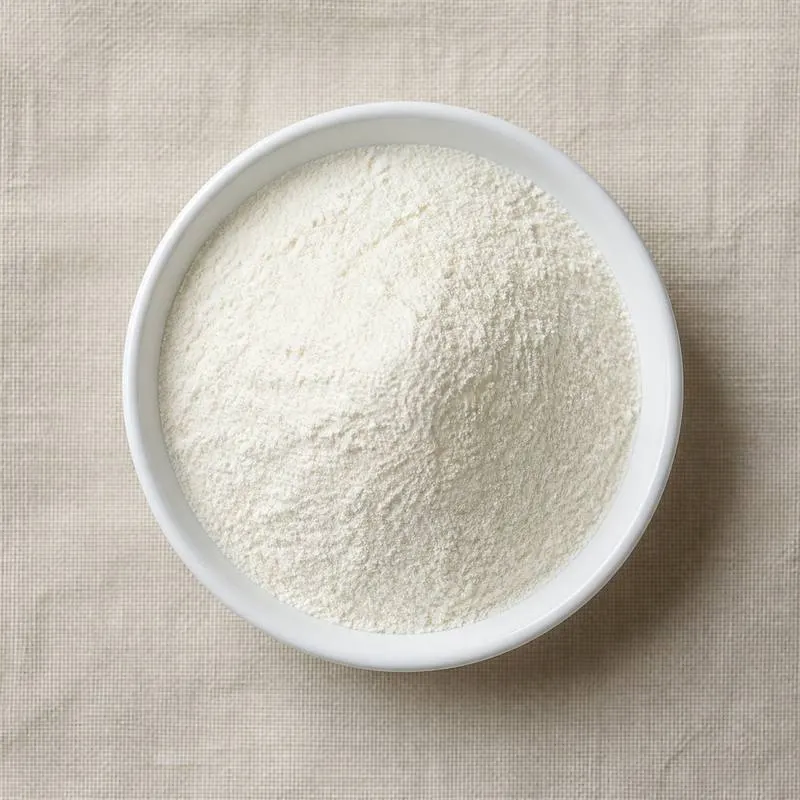
Textured Pea Protein
Textured Pea Protein is a porous, fibrous food material produced by thermomechanical extrusion of pea protein isolate or concentrate. It is commonly abbreviated as TPP.
The dry product rehydrates rapidly in water or broth and delivers a chewy, meat-like bite. It is the leading non-soy substrate for plant-based meat analogues and the platform behind much of the recent growth in vegan ground meat, nugget, and strip products.
We source bulk Textured Pea Protein from top China manufacturers for our partners. The manufacturer is in Shandong. A smaller requirement can ship in a combined container with other ingredients.
Please send the grade you need, the volume and your destination port, and we will come back with a solution and a price.
or call +86-21-6858 0751
- Packaging
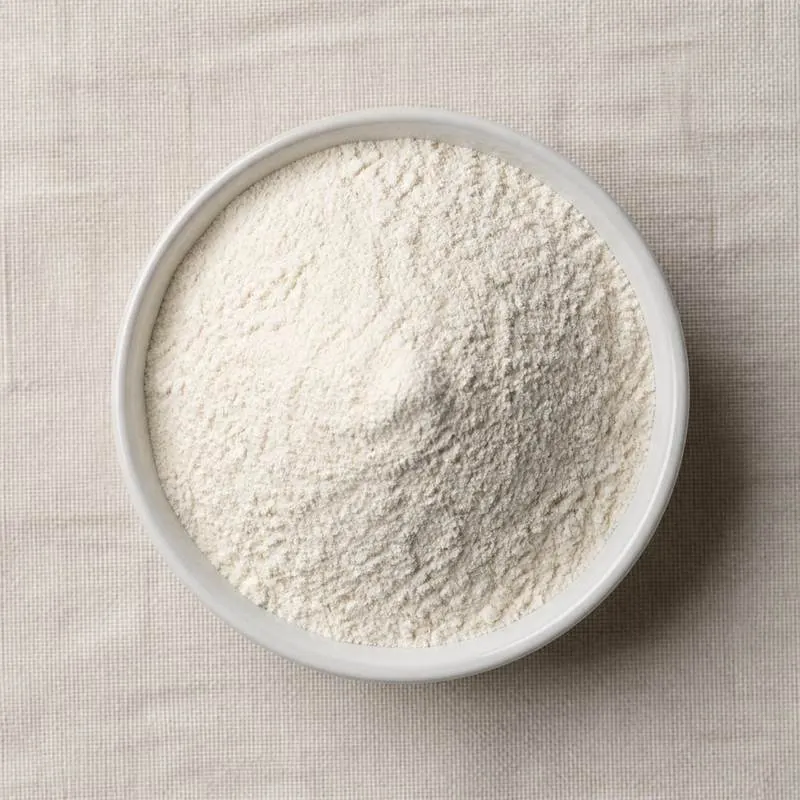
- 25 kg kraft paper bag with PE inner liner
- ISO 9001
- HACCP
- Halal
- Kosher
Specifications
| Item | Specification |
|---|---|
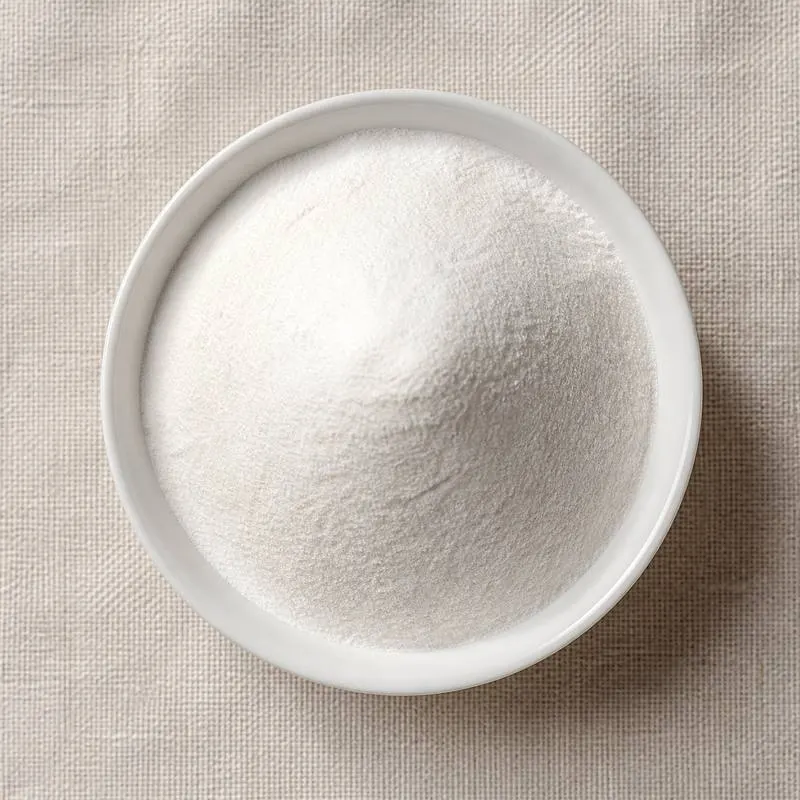
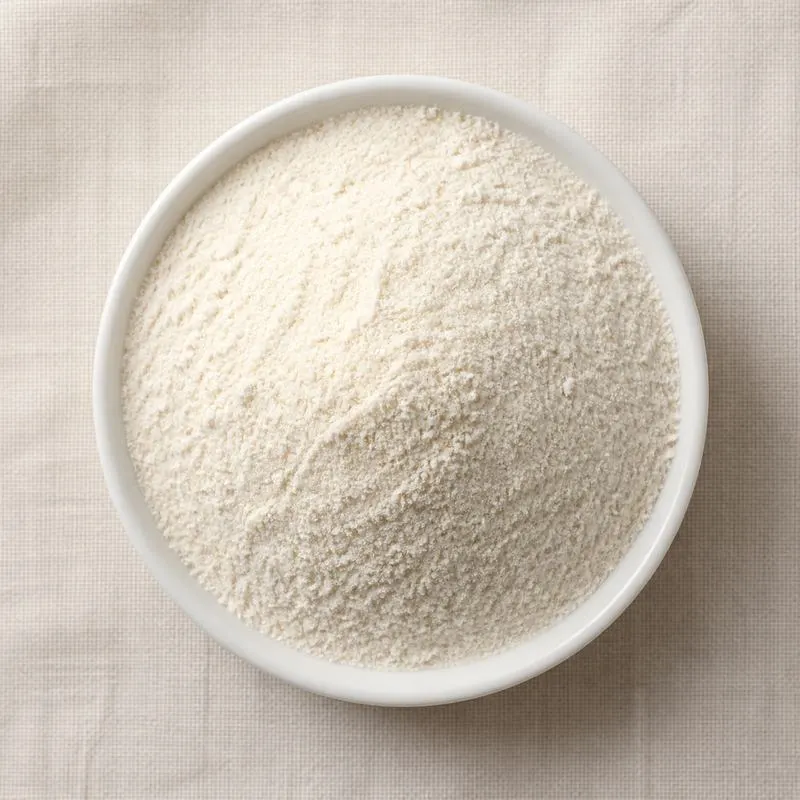
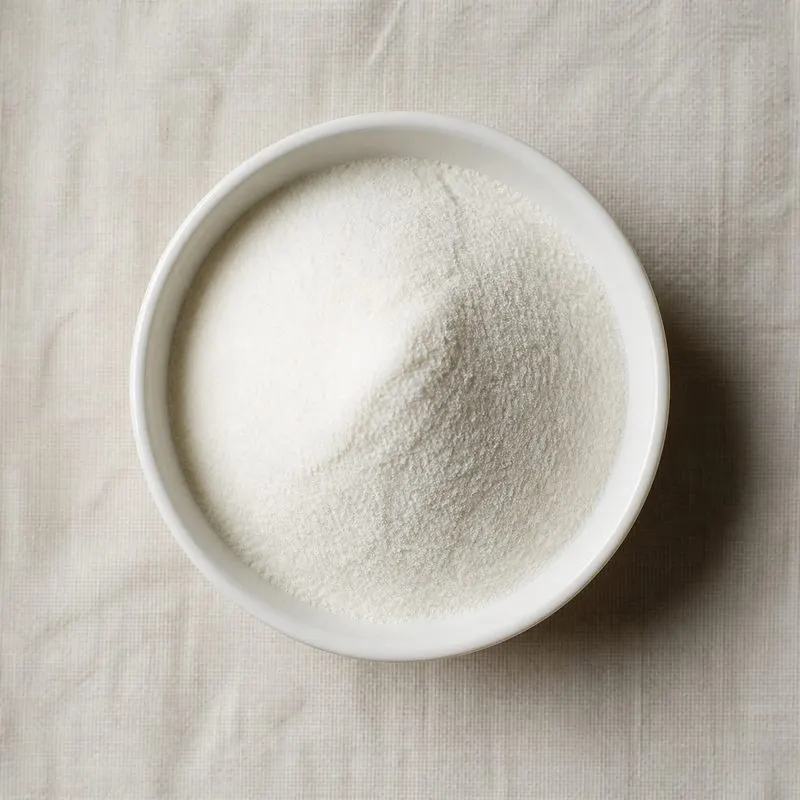
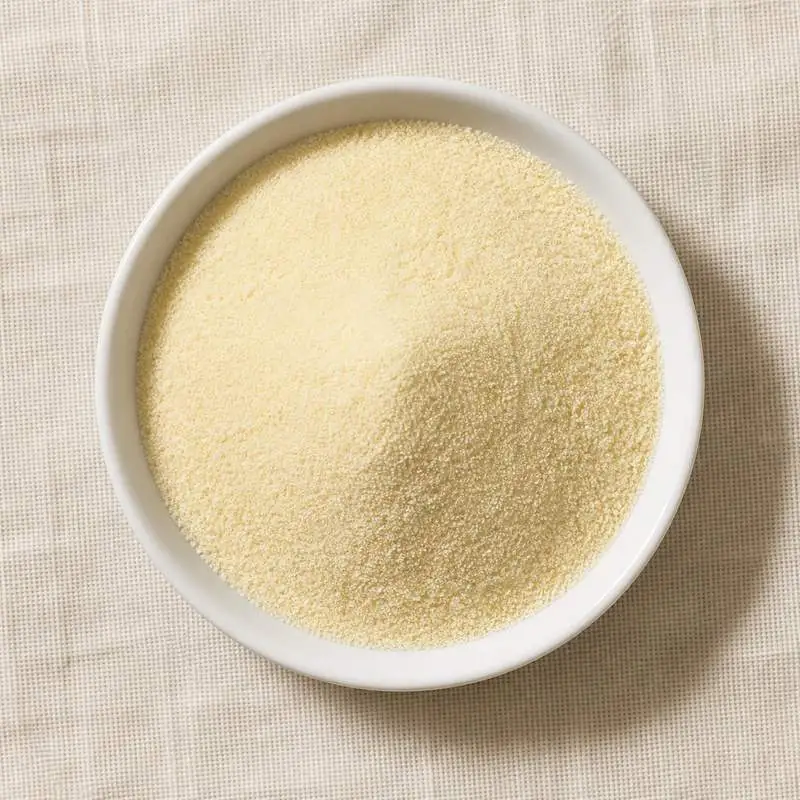
| Appearance | Light yellow to tan extruded chunks/flakes |
| Protein (dry basis) | ≥55% |
| Moisture | ≤10% |
| Fat | ≤2.0% |
| Ash | ≤7.0% |
| Fibre | ≤5.0% |
| Rehydration Ratio | ≥2.5× |
| Bulk Density | 180–280 g/L |
| Gluten | <20 ppm |
| Heavy Metals (as Pb) | ≤2 mg/kg |
| Total Plate Count | ≤10,000 cfu/g |
| Salmonella | Absent in 25g |
Common Markets Grades
Textured Pea Protein is graded by protein content, fibre length, and particle geometry.
Concentrate-based grades run at 55 to 65 percent protein and target mainstream meat-extender and meat-analogue applications.
Isolate-based grades run at 75 to 80 percent protein and target premium plant-meat formulations where higher protein per serving and finer texture are wanted.
Shape grades include fine mince (2 to 4 mm) for nuggets and patties, medium chunks (8 to 12 mm) for stir-fry and curry, and large strips up to 40 mm for jerky and pulled-meat analogues.
Long-fibre grades produced on high-moisture extruders carry visible directional fibres and sell as chicken-breast or pulled-pork style materials. These typically ship in refrigerated or frozen format rather than dry.
Applications
- Premium plant-based burgers and patties
- Chicken-style nuggets, strips, and tenders
- Pulled-pork and pulled-chicken style analogues for tacos and sandwiches
- Plant-based jerky and savory snacks
- Frozen meat-free ready meals at retail and foodservice
- Vegan deli slices and luncheon-style products
- High-protein pasta sauces and ready bowls
- Soy-free meat alternatives for the allergen-sensitive market
- Halal and Kosher meat analogues for catering and institutional use
- Sports-nutrition meal kits
- Plant-based meatballs, sausages, and Bolognese sauces
- Export shelf-stable plant-protein curries and stews
Brands Using Textured Pea Protein
Widely-distributed consumer products that list Textured Pea Protein on the ingredient label.
- Beyond MeatBeyond Beef Plant-Based Ground ↗Beyond Meat's official Beyond Beef page states the product is made with pea, mung bean, and rice protein in a textured plant-protein structure designed to mimic the look, cook and taste of ground beef.Label verified 2026-05-24
- Beyond MeatBeyond Burger ↗A burger patty built from pea and rice protein extruded into a fibrous, meat-like texture.Label verified 2026-05-24
Brand names, product names and logos are the property of their owners. They appear here as published evidence that the ingredient is used, taken from the brand's own label or website. Their appearance is not an endorsement, and it does not mean the brand buys from us or from any manufacturer listed on this site.
China Manufacturers of Textured Pea Protein
Top Textured Pea Protein manufacturers in China.

Company names and logos are the property of the manufacturers themselves. They are listed here because our own directory records them as producing this ingredient. A listing is not an endorsement by them, and we do not represent them or speak on their behalf.
How We Help Source Textured Pea Protein
Direct Factory Sourcing
We run the whole process: selecting the manufacturer from the top Chinese food ingredient producers, negotiating the price, verifying quality, and coordinating the logistics. You deal with us instead of with several factories at once.
Original Packaging and Documents from the Manufacturer
The manufacturer sends your Textured Pea Protein out of its own factory in the original packing, through to your destination port. The COA, COO, MSDS, TDS and any certifications reach you from the manufacturer as well.
Free Samples and Lead Time
We send 100 to 500 g free for your own laboratory to test and you cover only the courier, usually within 2 to 3 working days. ETD is usually within 7 to 15 days once the order is confirmed, and we check that date against the factory's own manufacturing schedule before we give it to you.
Combined Shipment
We can load Textured Pea Protein together with other ingredients such as Collagen Peptide, Soy Protein Isolate and Fish Collagen Peptide into one 20' FCL. If your quantity is small, we can also ship LCL.
Regulatory Status
Textured Pea Protein is regulated as a conventional food ingredient.
In the United States it is treated as a standard food ingredient. Pea is not a federally listed major allergen, supporting clean-label and allergen-friendly positioning relative to soy-based alternatives.
The European Union accepts textured pea protein as a standard ingredient under EU food law. Pea is not on the mandatory allergen list under Regulation (EU) 1169/2011.
No commercial GMO yellow pea is in cultivation, so the supply chain is non-GMO by default. Organic, Kosher, Halal, Vegan, and Non-GMO Project certifications are widely available.
Codex Alimentarius general food ingredient standards apply. Where the texturized product carries added vitamins, minerals, or flavourings, the relevant CXS standards for those classes also apply.
Manufacturing Process
Production starts from pea protein concentrate or isolate. The dry input is conditioned with water and fed into a twin-screw extruder.
Two distinct extrusion modes are in commercial use.
Low-moisture extrusion at 25 to 30 percent in-barrel water and barrel temperatures of 150 to 170 degrees Celsius produces puffed, sponge-like pieces that are dried to under 8 percent moisture and shipped as a shelf-stable dry ingredient. These are the classic TPP chunks that rehydrate two to three times in water or broth.
High-moisture extrusion at 55 to 70 percent in-barrel water with a long cooling die at the discharge produces dense, hydrated, aligned-fibre material that exits the die already cooked and ready to use. This is the texture platform behind most current premium plant-meat brands.
The cooling die is the critical element. It holds the protein matrix above its melting temperature long enough for the polymer chains to align under the laminar flow profile, then chills the material below its glass transition before discharge, locking the fibre structure in place.
Finished low-moisture material is dried, screened, and packed. High-moisture material is produced refrigerated or frozen.