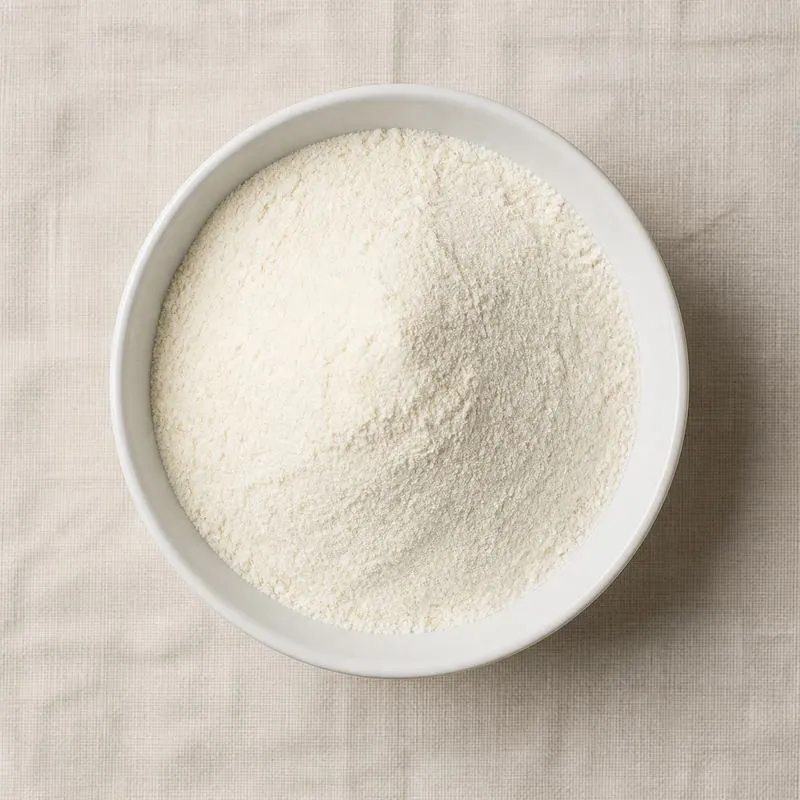
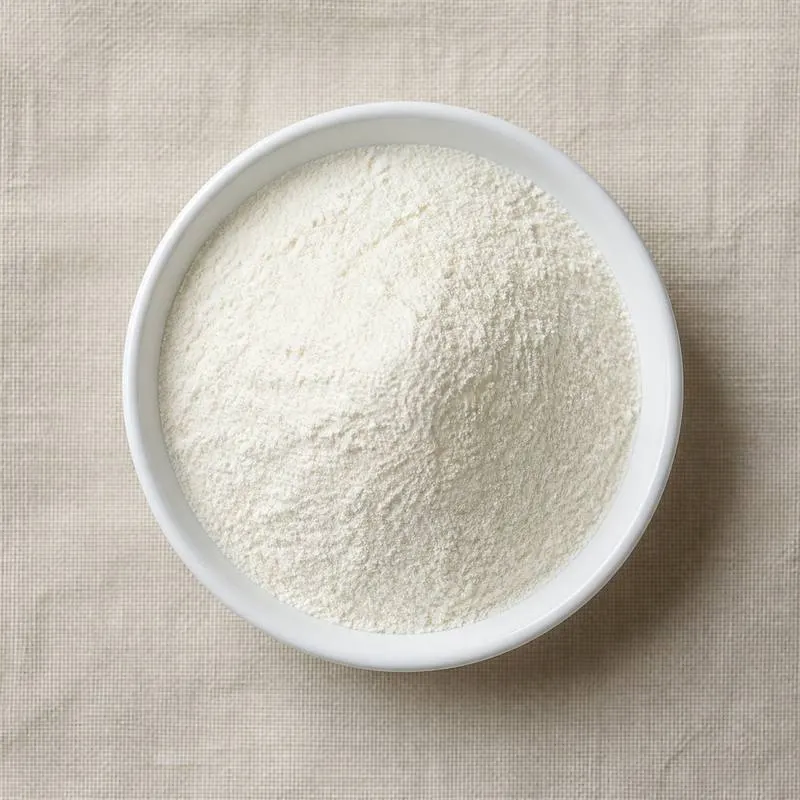
Pea Protein Isolate
Pea Protein Isolate is the highest-purity form of pea protein, produced by wet fractionation of yellow field peas (Pisum sativum) and concentrated to 80 to 85 percent protein on a dry basis.
The isolate is the standard protein of the modern plant-based food industry, used wherever neutral flavour, allergen-friendly positioning, and high protein density are required.
We source bulk Pea Protein Isolate from top China manufacturers for our partners. The manufacturer is in Shandong. A smaller requirement can ship in a combined container with other ingredients.
Please send the grade you need, the volume and your destination port, and we will come back with a solution and a price.
or call +86-21-6858 0751
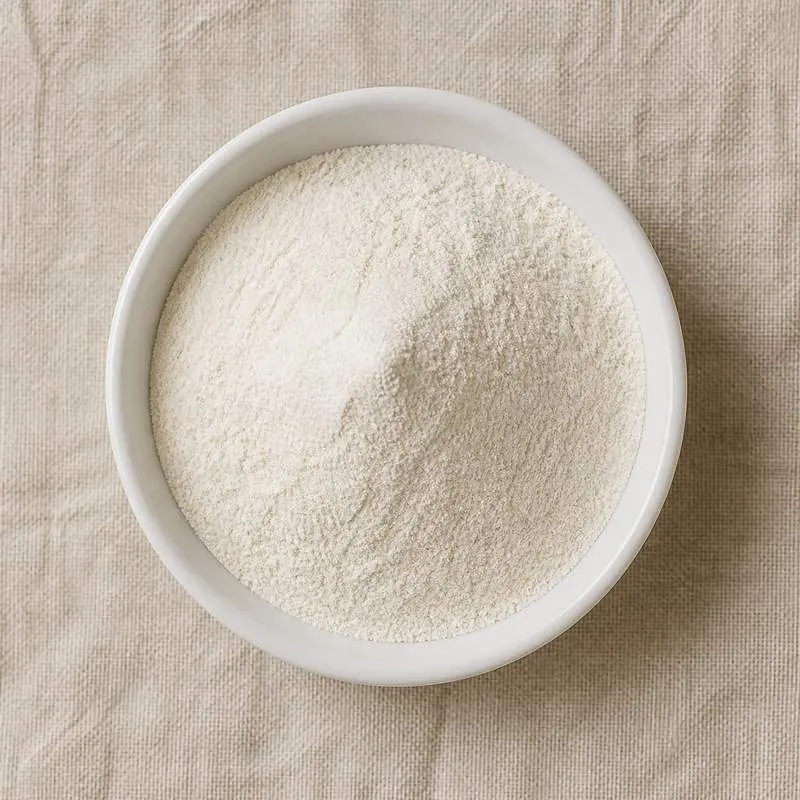
- Packaging
- 25 kg kraft paper bag with PE inner liner
- ISO 9001
- HACCP
- Halal
- Kosher
Specifications
| Item | Specification |
|---|---|
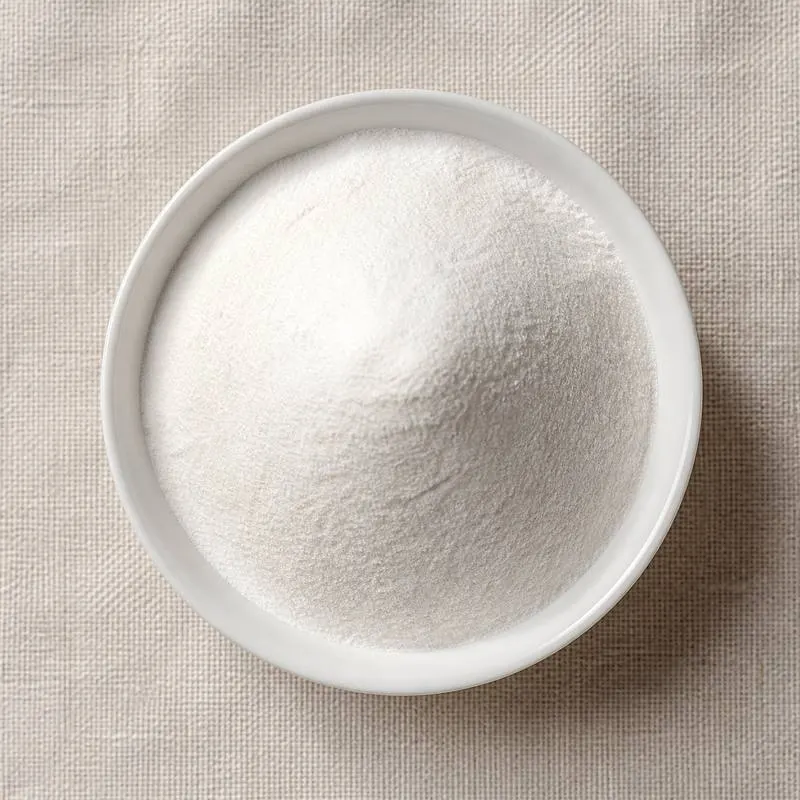
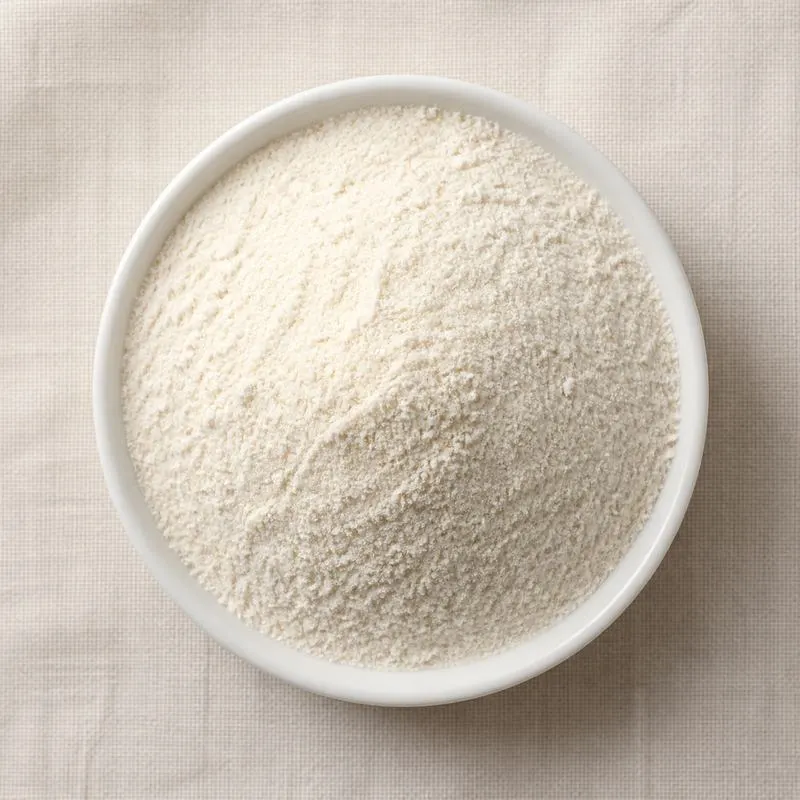
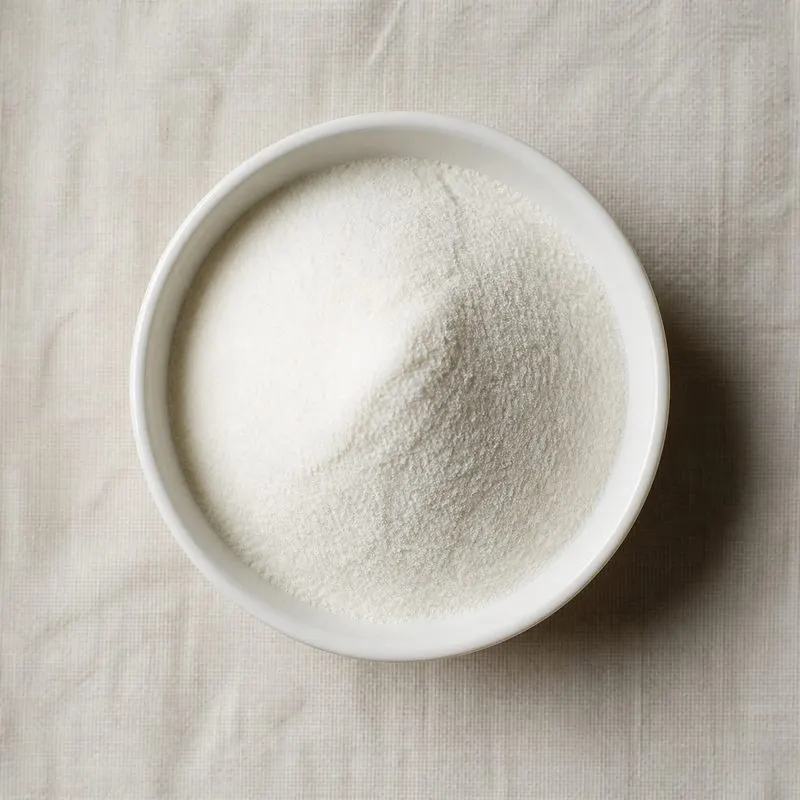
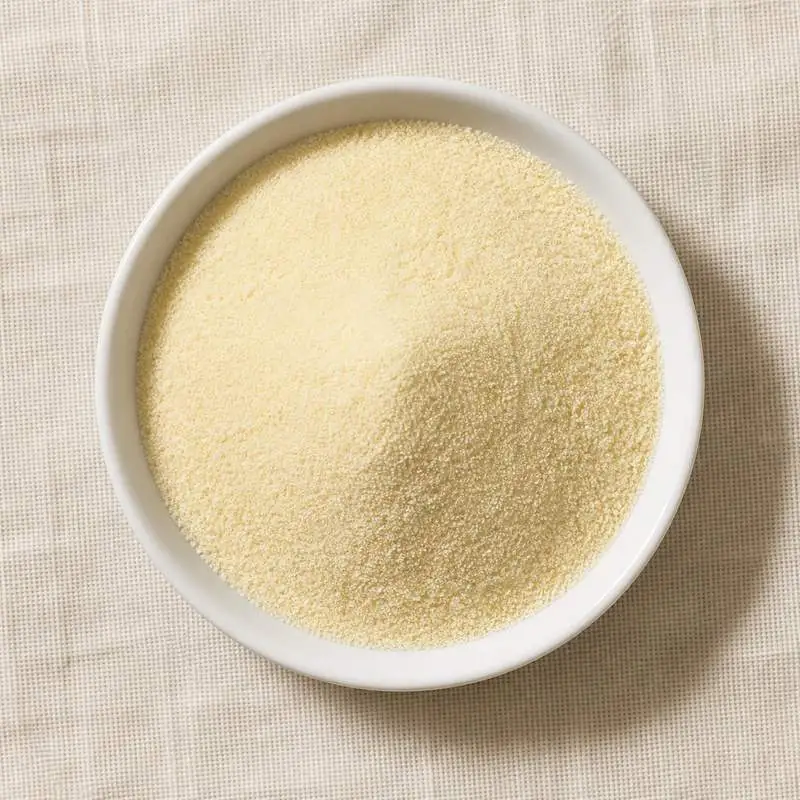
| Appearance | Light yellow fine powder |
| Protein (dry basis, N×6.25) | ≥80% |
| Moisture | ≤7.0% |
| Fat | ≤5.0% |
| Ash | ≤6.0% |
| Fibre | ≤2.0% |
| pH (1% sol.) | 6.5–7.5 |
| Solubility | ≥85% (at pH 7) |
| Particle Size (100 mesh) | ≥95% |
| Gluten | <20 ppm |
| Heavy Metals (as Pb) | ≤2 mg/kg |
| Total Plate Count | ≤10,000 cfu/g |
| Salmonella | Absent in 25g |
Common Markets Grades
Pea Protein Isolate is graded by functional behaviour more than by composition, since the protein content of all major commercial grades sits within a narrow 80 to 85 percent band.
Soluble grades are tuned for clear beverages, ready-to-drink shakes, and acid-stable formulations. Particle size and isoelectric precipitation conditions are controlled to maximise dispersion at neutral pH.
Gelling grades are designed for meat analogues and binders. The protein retains higher molecular weight and forms firm heat-set gels that mimic cooked meat texture.
Emulsifying grades target plant milk, creamers, and dressings, with optimised vicilin to legumin ratio for stable oil-in-water emulsions.
Foaming and whipping grades target plant-based whipped toppings and dairy alternatives.
Specialty grades include hydrolysed isolate for sports nutrition, deflavored isolate for beverage use, and organic isolate for clean-label brands.
Applications
- Plant-based meat: burgers, sausages, nuggets, and ground analogues
- Pea milks and barista-grade pea milk for coffee
- Vegan yogurts, ice cream, and dairy alternatives
- Sports nutrition powders at 20 to 30 grams of protein per serving
- Ready-to-drink protein shakes in dairy-free and vegan ranges
- Protein bars seeking dairy-free and soy-free positioning
- Plant-based egg alternatives for scrambles and baking
- Clinical nutrition for patients with dairy or soy allergies
- Geriatric nutrition for sarcopenia prevention
- High-protein breakfast cereals and granolas
- Vegan creamers and whippable plant cream
- Hydrolysate feedstock for pea peptide manufacture
Brands Using Pea Protein Isolate
Widely-distributed consumer products that list Pea Protein Isolate on the ingredient label.
- Naked NutritionNaked Pea Protein Powder ↗A pea protein isolate produced by mechanical water extraction from yellow split peas, with no added chemicals.Label verified 2026-05-24
- Naked NutritionVanilla Naked Pea Protein Powder ↗Naked Nutrition's official Vanilla Naked Pea page lists yellow pea protein isolate as the primary ingredient along with organic coconut sugar and natural vanilla flavour.Label verified 2026-05-24
- NOW SportsNOW Sports Pea Protein Pure Unflavored ↗NOW Sports' official Pea Protein Pure Unflavored powder page lists yellow pea protein isolate as the sole ingredient.Label verified 2026-05-24
- VegaVega Protein + Recovery ↗Vega's official Protein + Recovery product page identifies the pea protein in its plant protein blend as a pea protein isolate.Label verified 2026-05-24
Brand names, product names and logos are the property of their owners. They appear here as published evidence that the ingredient is used, taken from the brand's own label or website. Their appearance is not an endorsement, and it does not mean the brand buys from us or from any manufacturer listed on this site.
China Manufacturers of Pea Protein Isolate
Top Pea Protein Isolate manufacturers in China.
Company names and logos are the property of the manufacturers themselves. They are listed here because our own directory records them as producing this ingredient. A listing is not an endorsement by them, and we do not represent them or speak on their behalf.
How We Help Source Pea Protein Isolate
Direct Factory Sourcing
We run the whole process: selecting the manufacturer from the top Chinese food ingredient producers, negotiating the price, verifying quality, and coordinating the logistics. You deal with us instead of with several factories at once.
Original Packaging and Documents from the Manufacturer
The manufacturer sends your Pea Protein Isolate out of its own factory in the original packing, through to your destination port. The COA, COO, MSDS, TDS and any certifications reach you from the manufacturer as well.
Free Samples and Lead Time
We send 100 to 500 g free for your own laboratory to test and you cover only the courier, usually within 2 to 3 working days. ETD is usually within 7 to 15 days once the order is confirmed, and we check that date against the factory's own manufacturing schedule before we give it to you.
Combined Shipment
We can load Pea Protein Isolate together with other ingredients such as Collagen Peptide, Soy Protein Isolate and Fish Collagen Peptide into one 20' FCL. If your quantity is small, we can also ship LCL.
Regulatory Status
Pea Protein Isolate is treated as a conventional food ingredient.
In the United States it carries multiple GRAS notifications and is permitted for general food use including infant and toddler nutrition adjuncts. There is no mandatory pea allergen labelling at the federal level.
The European Union accepts pea protein isolate as a standard food ingredient. Pea is not on the EU mandatory allergen list, which is the basis of much of the ingredient's commercial positioning.
No genetically modified yellow pea is in commercial cultivation, so essentially all supply is non-GMO by default. Organic, Kosher, Halal, Vegan, and Non-GMO Project certifications are widely available.
Codex Alimentarius general food ingredient standards apply, alongside relevant contaminant and residue limits for cereal and pulse crops.
Manufacturing Process
Production begins with cleaned and dehulled yellow peas, typically of high-protein varieties grown under contract in Canada, France, China, or the United States.
The peas are wet milled and slurried in alkaline water at pH 8 to 9 to dissolve the storage proteins. The slurry passes through decanter centrifuges that separate the insoluble fibre and the dense starch fraction.
The clarified protein liquor is acidified with food-grade hydrochloric or sulphuric acid to pH 4.5, the isoelectric point of pea protein. The protein precipitates as a curd.
The curd is washed to remove residual sugars, salts, and antinutritional factors such as trypsin inhibitors and saponins. It is then neutralised back to pH 6.5 to 7.5 with food-grade alkali.
The neutralised slurry is pasteurised, deodorised under vacuum, and spray-dried into a fine off-white powder. Modern plants integrate enzyme treatment and adsorbent steps before drying to reduce the residual beany off-flavour.
Co-products from the process include pea starch, pea fibre, and pea soluble fraction, all of which carry independent commercial value.