Pea Protein Concentrate
Pea protein concentrate is the protein enriched fraction of the yellow field pea, Pisum sativum, containing roughly 50 to 70 percent protein on a dry basis, sitting between pea flour and pea protein isolate in both purity and price.
Pea protein is dominated by the globulins legumin and vicilin, with a smaller albumin fraction that carries most of the soluble antinutrients. Concentrate differs from isolate in that it retains part of the starch, fibre and soluble sugar of the seed, which lowers protein content but keeps more of the native protein structure intact when made by the dry route. That structure is what gives concentrate its water binding and gelling behaviour.
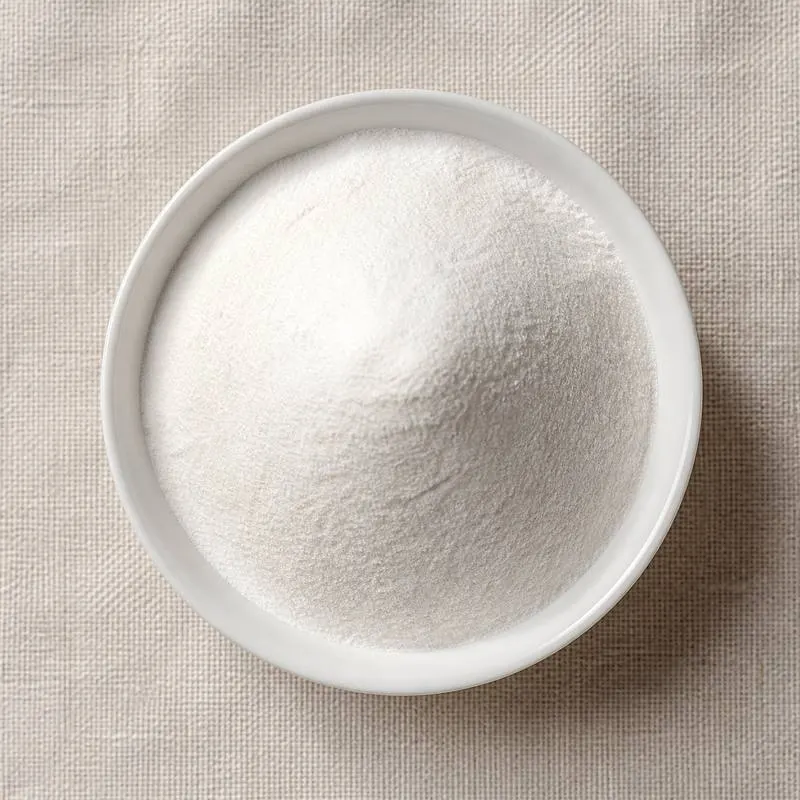
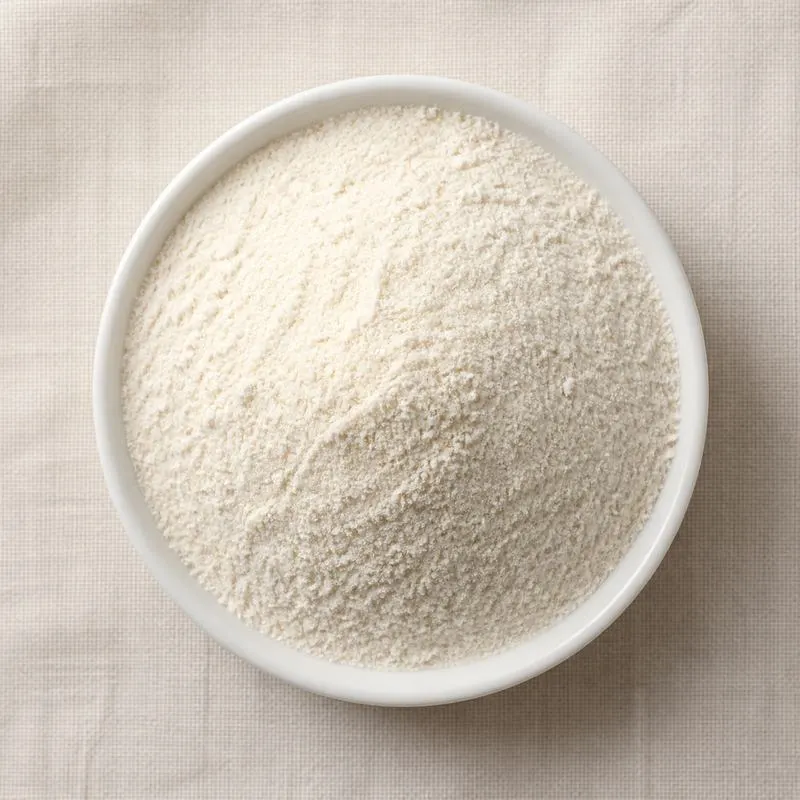
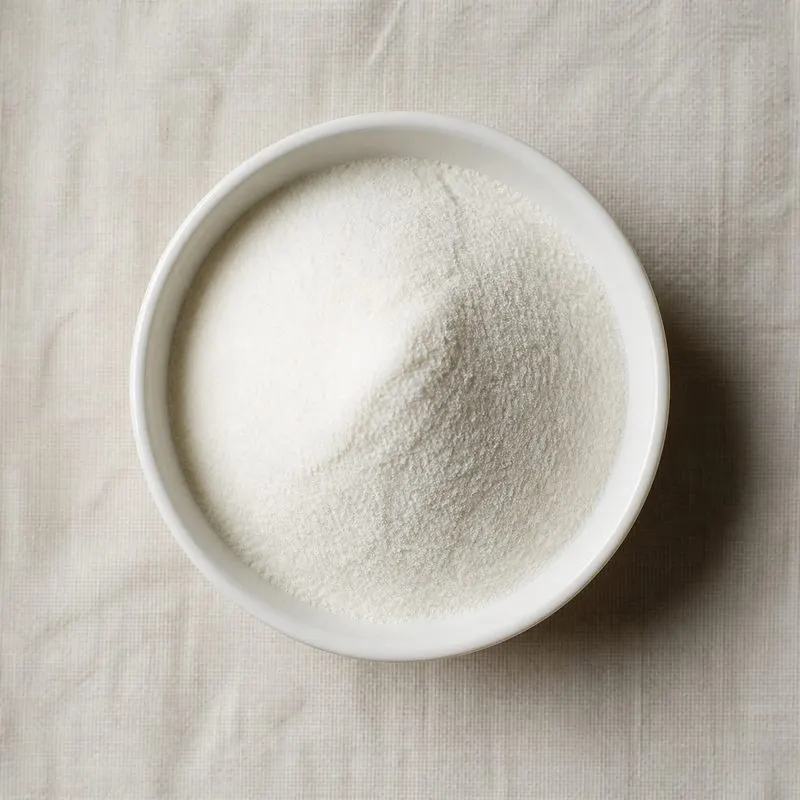
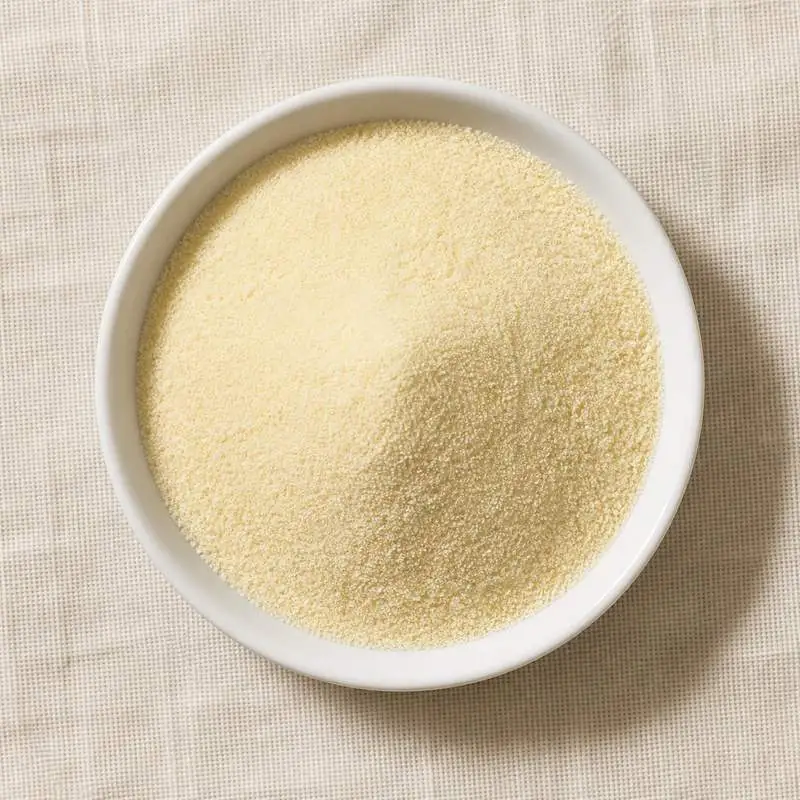
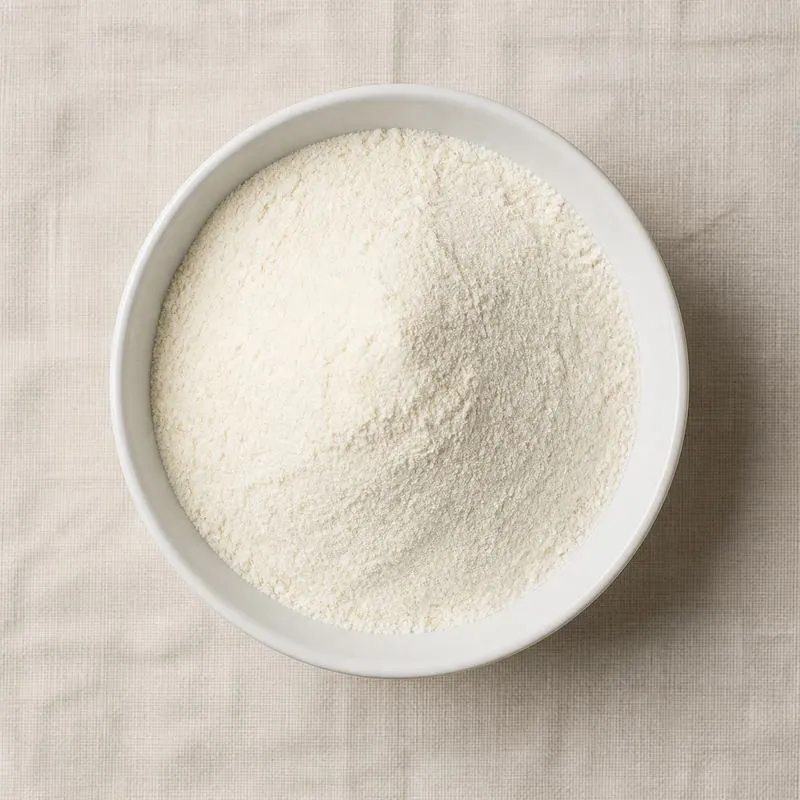
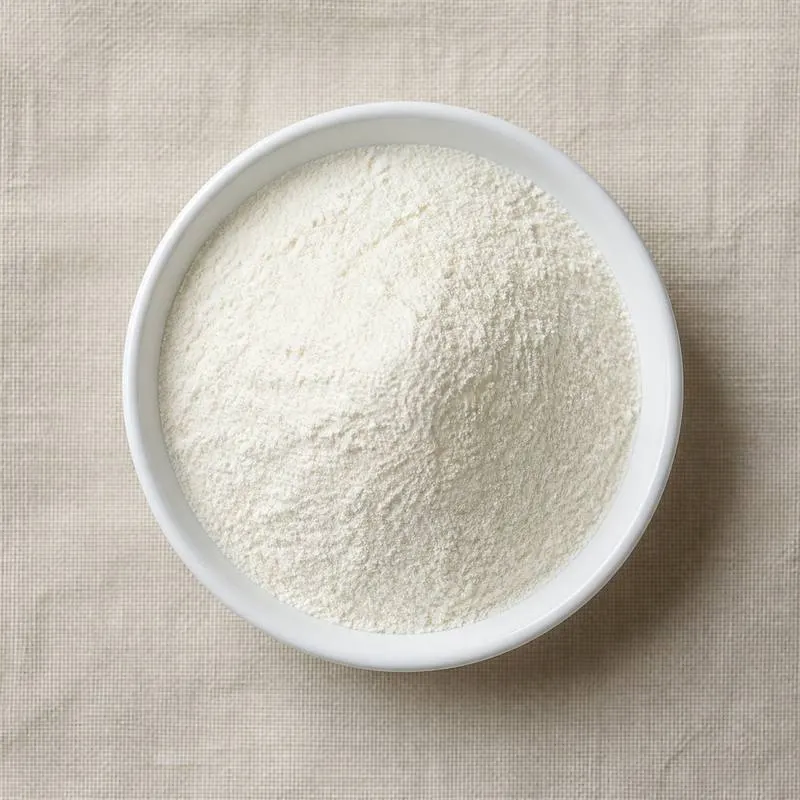
The powder is cream to pale yellow with a distinct pea note that becomes more noticeable at high inclusion, and it is the flavour rather than the nutrition that most often limits how much can be used. Solubility follows the classic globulin curve, at a minimum near pH 4.5 and improving above pH 7, so the ingredient disperses rather than dissolves and settles out of a clear acid drink. It hydrates strongly, forms a heat set gel above about 80 degrees Celsius in concentrated dispersion, and emulsifies fat well enough to stabilise a meat or dairy alternative system.
We source bulk Pea Protein Concentrate from top China manufacturers for our partners. The manufacturer is in Shandong. A smaller requirement can ship in a combined container with other ingredients.
Please send the grade you need, the volume and your destination port, and we will come back with a solution and a price.
or call +86-21-6858 0751
- Function
- Protein
Specifications
| Item | Specification |
|---|---|
| Appearance | Cream to pale yellow free flowing powder |
| Odour and Taste | Characteristic pea note, free from bitter, musty or rancid flavour |
| Protein (N x 6.25, dry basis) | Minimum 55.0% |
| Moisture | Maximum 9.0% |
| Fat | Maximum 3.0% |
| Ash | Maximum 6.0% |
| Starch | Maximum 15.0% |
| Crude Fibre | Maximum 4.0% |
| Particle Size | Minimum 95% through 100 mesh |
| Water Absorption | 250 to 350% of sample weight |
| Lead | Maximum 0.5 mg/kg |
| Arsenic | Maximum 0.5 mg/kg |
| Total Plate Count | Maximum 20,000 cfu/g |
| Escherichia coli and Salmonella | Absent in 25 g |
Common Markets Grades
The principal split is between dry and wet processed material. Air classified concentrate, made by fine milling and centrifugal separation of the small protein bodies from the larger starch granules, runs 50 to 60 percent protein, uses no water or chemicals, retains native functionality and a fuller pea flavour, and is the cheaper grade. Wet processed concentrate, made by a partial alkaline extraction or by washing out soluble sugars, reaches the high sixties with a cleaner flavour and lower antinutrient content.
Within each route, buyers specify particle size, usually 95 percent or more through a 100 mesh screen for beverages and bars, and choose between standard, instantised and textured formats, the last produced by extrusion for meat analogue work. Organic certified lots are traded at a higher price, and non genetically modified status is automatic, since no genetically modified pea is grown commercially. Low flavour grades processed with additional washing or with a deodorisation step are specified where the pea note would be objectionable, and hydrolysed pea protein is a separate product rather than a grade of concentrate.
Applications
- Meat analogue patties and mince, where it binds water and fat and holds the structure through cooking
- Extruded textured protein pieces, used as the feedstock to the extruder for chunks and strips
- Plant protein powders and blends, paired with rice or oat protein to balance the limiting sulphur amino acids
- Nutrition bars, contributing protein and water binding that keeps texture soft over shelf life
- Dairy alternative drinks and yoghurt style products, where gelation and emulsification build body
- Bakery and snack products marketed on protein and fibre content
- Soups, sauces and ready meals, used for body and emulsion stability
- Gluten free baking, where pulse protein improves crumb structure in starch heavy recipes
- Pet food, used as a plant protein in grain free and limited ingredient formulations
- Aquaculture and livestock feed, substituting for part of the soy and fishmeal protein
China Manufacturers of Pea Protein Concentrate
Top Pea Protein Concentrate manufacturers in China.
Company names and logos are the property of the manufacturers themselves. They are listed here because our own directory records them as producing this ingredient. A listing is not an endorsement by them, and we do not represent them or speak on their behalf.
Regulatory Status
In the United States pea protein is a conventional food ingredient used under good manufacturing practice, supported by generally recognised as safe conclusions covering food use, with no food additive listing required. Peas are not among the major food allergens requiring declaration under the Food Allergen Labelling and Consumer Protection Act, which is a substantial part of the commercial case for pea protein against soy. The ingredient is still named in the ingredient statement in the ordinary way, and manufacturers often carry a voluntary cross contact statement where the site also handles listed allergens.
In the European Union pea protein has a long history of food consumption and is a food ingredient rather than a novel food when produced by conventional dry or wet processing, and it carries no E number since it is not an additive. Peas are not listed in Annex II of Regulation (EU) No 1169/2011, so no allergen emphasis is required. Where extraction solvents are used they fall under the extraction solvents directive, and Codex covers the product class through its standard for vegetable protein products, which defines concentrates by minimum protein content on a dry basis. Feed applications are governed separately by the feed hygiene and undesirable substances rules.
Manufacturing Process
Cleaned yellow peas are dehulled and milled to a fine flour. In the dry route the flour is passed through an impact or jet mill that detaches the small protein bodies from the larger starch granules without breaking them, and an air classifier then separates the two by aerodynamic size, producing a protein rich fine fraction and a starch rich coarse fraction. Some plants recycle the coarse fraction through a second milling and classification pass to lift the yield. This route uses no water and no chemicals and its practical ceiling is around 60 percent protein, because a proportion of small starch granules always follows the protein.
The wet route disperses the flour in water and raises the pH to around 8 to 9 with food grade alkali, dissolving the globulins while starch and fibre remain insoluble and are drawn off on decanter centrifuges and hydrocyclones for recovery as pea starch and pea fibre. For a concentrate rather than an isolate, the protein liquor is either only partly purified or is recombined with a controlled proportion of the fine fibre before drying, rather than being taken through a full isoelectric precipitation. The slurry is then concentrated under vacuum, pasteurised and spray dried, and the powder is milled, sieved, checked for metal and packed. Textured grades are diverted into a twin screw extruder before drying, where heat and shear align the protein into fibres.