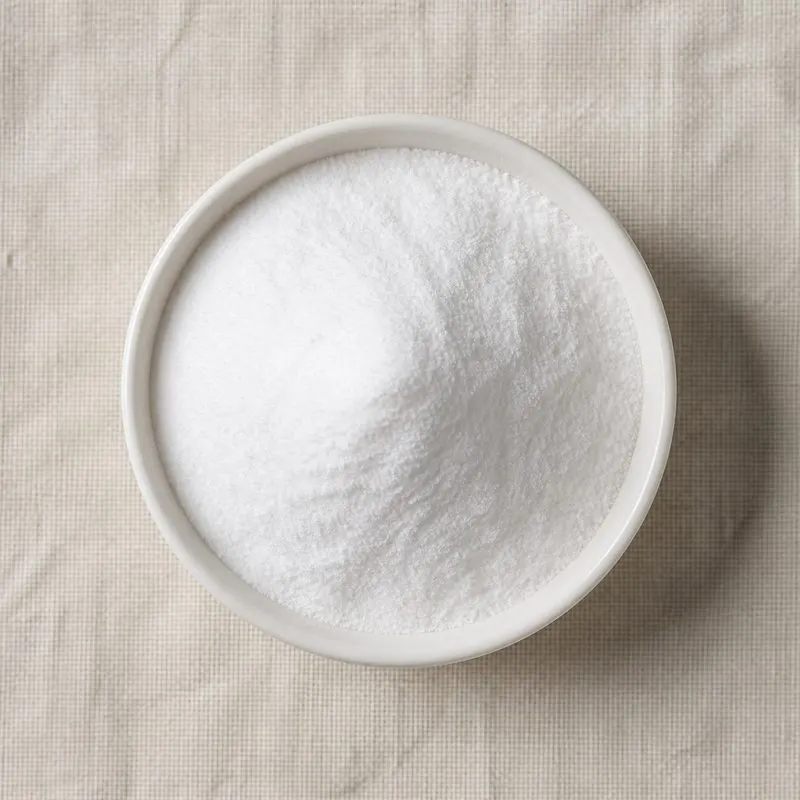
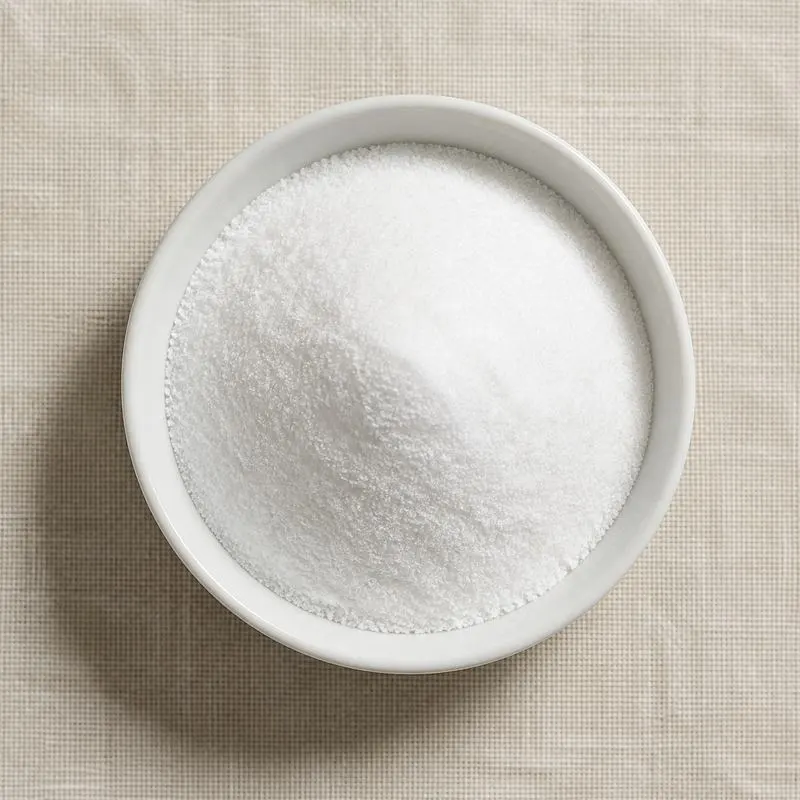
Trilobatin
Trilobatin is a dihydrochalcone glycoside found in the leaves of Lithocarpus litseifolius, a small evergreen oak known across southern China as sweet tea or duo-ye tea, with the CAS number 4192-90-9.
The molecule is reported to be roughly 300 times sweeter than sucrose by weight and carries a clean, lingering sweetness with a faint cooling finish, distinct from the licorice and menthol tones of other natural high-intensity sweeteners.
We source bulk Trilobatin from top China manufacturers for our partners. The manufacturer is in Shandong. A smaller requirement can ship in a combined container with other ingredients.
Please send the grade you need, the volume and your destination port, and we will come back with a solution and a price.
or call +86-21-6858 0751
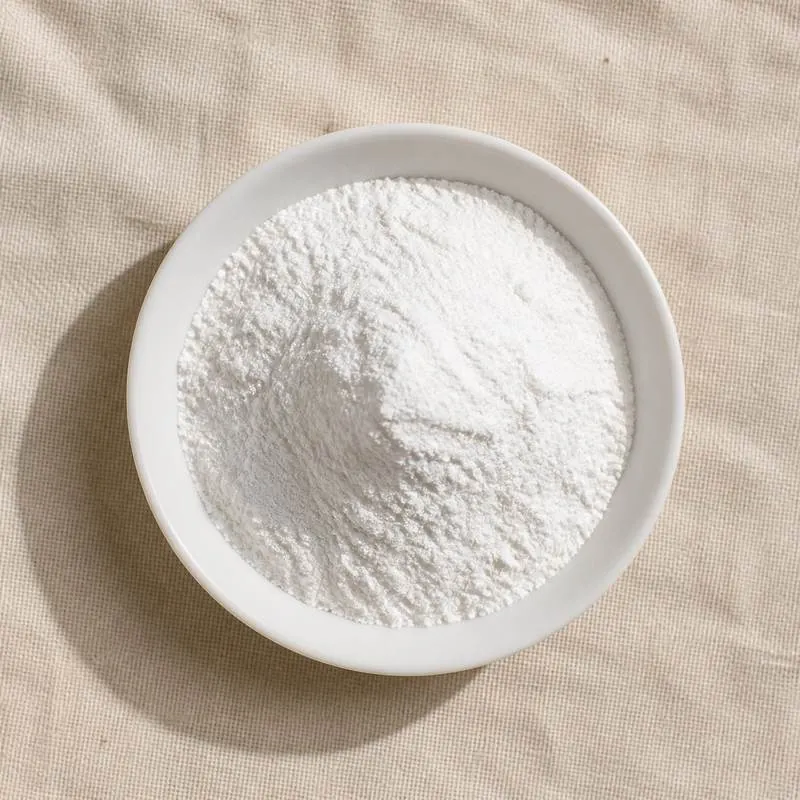
- Packaging
- 25 kg kraft paper bag with PE inner liner
- ISO 9001
- HACCP
- Halal
- Kosher
Specifications
| Item | Specification |
|---|---|
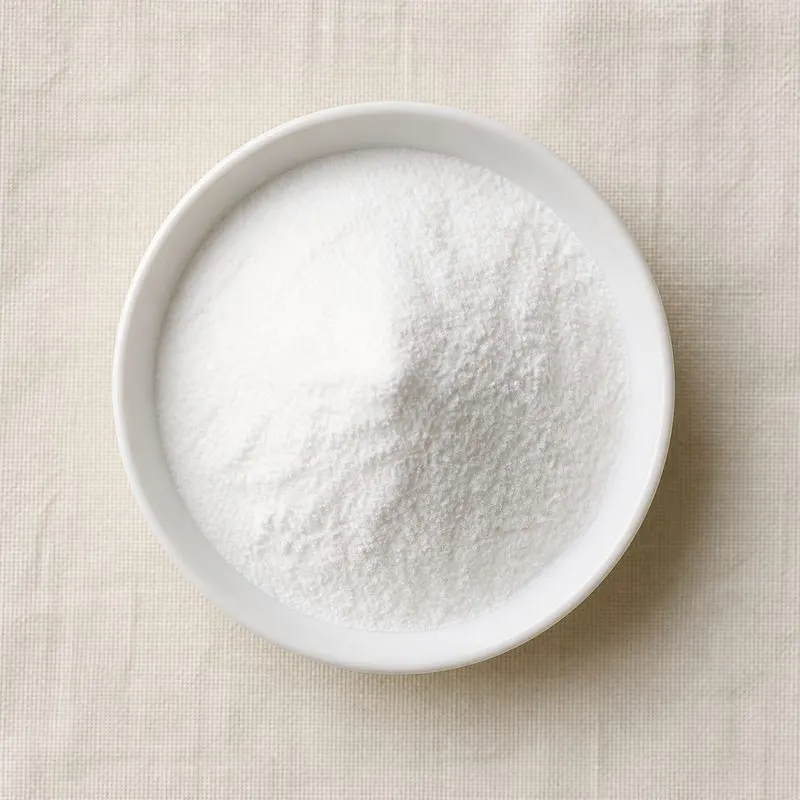
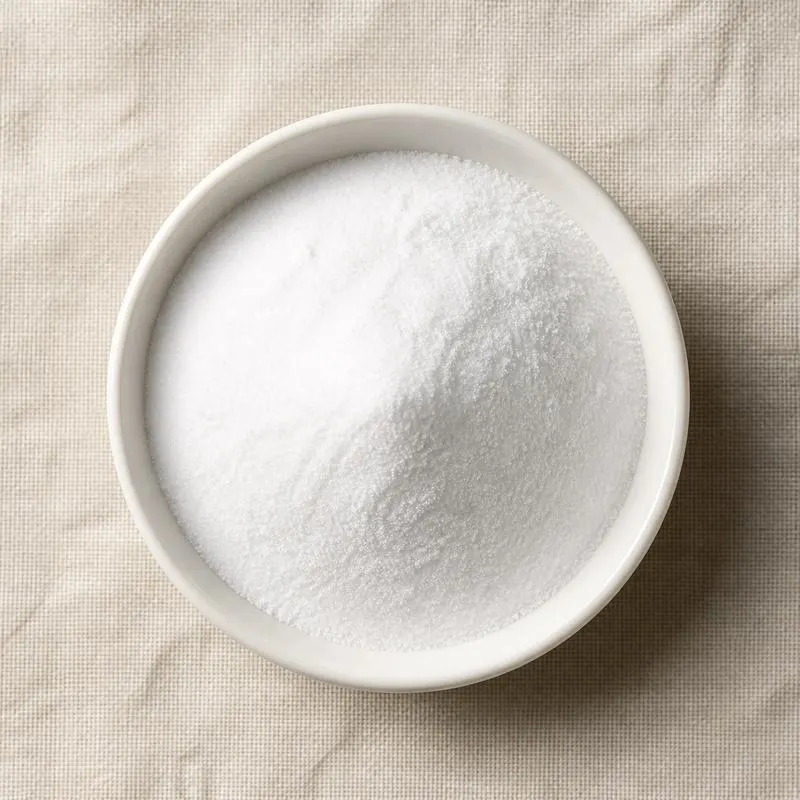
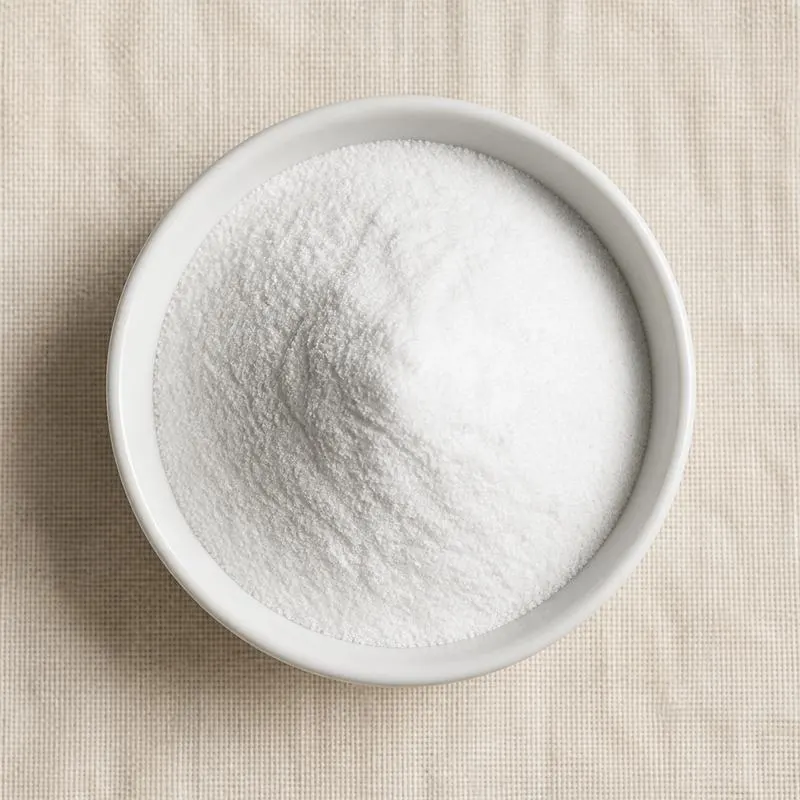
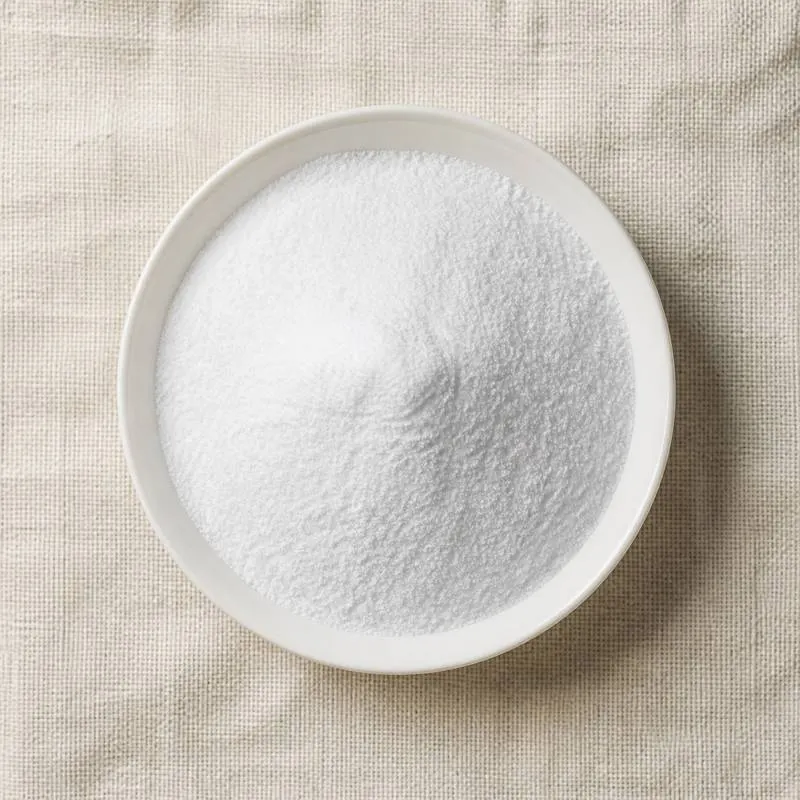
| Appearance | White to off-white powder |
| Assay (HPLC) | ≥ 90.0% |
| Loss on Drying | ≤ 5.0% |
| Residue on Ignition | ≤ 0.5% |
| Heavy Metals (as Pb) | ≤ 10 ppm |
| Total Plate Count | ≤ 1000 CFU/g |
| Sweetness | 300 times sweeter than sucrose |
| Solubility | 0.7 g/L at 25°C; dissolves in hot water and ethanol |
| Properties | Non-hygroscopic, non-deliquescent, stable |
Common Markets Grades
Trilobatin is graded by HPLC assay, typically at 50 percent, 80 percent, 90 percent, and 98 percent purity on a dry basis.
The 50 percent and 80 percent grades are sweet tea extract, where the trilobatin is accompanied by phlorizin and minor flavonoids, and they serve traditional tea blends and herbal beverage formats.
The 90 percent and 98 percent grades are isolated trilobatin, sold as a pale yellow to off-white powder, and used as a high-intensity sweetener in tabletop formats, ready-to-drink beverages, and functional supplements.
Specifications include limits on residual solvents (ethanol or methanol used in extraction), heavy metals, and microbiological purity. Particle-size cuts are produced for direct addition to dry blends or aqueous dispersion in liquid formulations.
Applications
- Sweet tea blends and herbal infusions in traditional southern Chinese formats
- Tabletop high-intensity sweetener formulations in combination with erythritol or allulose
- Ready-to-drink teas, herbal beverages, and functional shots
- Low-sugar carbonated soft drinks and flavoured waters
- Confectionery including hard candy, chewing gum, and breath mints
- Dairy desserts and reduced-sugar yogurts in selected Asian markets
- Throat lozenges and herbal pastilles
- Sports nutrition powders and electrolyte sticks
- Pharmaceutical syrups as a sweetener and bitterness masker
- Functional supplements positioned for metabolic and antioxidant support
- Oral-care formulations including toothpaste and mouthwash
- Cocktail bitters and craft beverage development
China Manufacturers of Trilobatin
Top Trilobatin manufacturers in China.

Company names and logos are the property of the manufacturers themselves. They are listed here because our own directory records them as producing this ingredient. A listing is not an endorsement by them, and we do not represent them or speak on their behalf.
How We Help Source Trilobatin
Direct Factory Sourcing
We run the whole process: selecting the manufacturer from the top Chinese food ingredient producers, negotiating the price, verifying quality, and coordinating the logistics. You deal with us instead of with several factories at once.
Original Packaging and Documents from the Manufacturer
The manufacturer sends your Trilobatin out of its own factory in the original packing, through to your destination port. The COA, COO, MSDS, TDS and any certifications reach you from the manufacturer as well.
Free Samples and Lead Time
We send 100 to 500 g free for your own laboratory to test and you cover only the courier, usually within 2 to 3 working days. ETD is usually within 7 to 15 days once the order is confirmed, and we check that date against the factory's own manufacturing schedule before we give it to you.
Combined Shipment
We can load Trilobatin together with other ingredients such as Stevia, Erythritol and Maltitol into one 20' FCL. If your quantity is small, we can also ship LCL.
Regulatory Status
Trilobatin and sweet tea extract have a long history of traditional food use in southern China and adjacent regions, and are accepted as natural sweeteners in several Asian markets.
In the European Union, trilobatin and concentrated sweet tea extracts are treated as novel foods under Regulation (EU) 2015/2283 and require pre-market authorisation, which has not been granted for use as a sweetener at the time of writing.
In the United States, neither trilobatin nor Lithocarpus litseifolius extract holds a published FDA GRAS notification as a sweetener, although both can be sold for ingredient research and for dietary supplement use under DSHEA, where the supplier carries responsibility for safety substantiation.
Japan and Korea have evaluated sweet tea extract under their respective natural flavour and food additive frameworks. Kosher and Halal certifications exist from Chinese producers with appropriate audit history.
Manufacturing Process
Trilobatin is produced almost entirely by extraction of the dried leaves of Lithocarpus litseifolius, cultivated and wild-harvested across the mountains of Guangxi, Guizhou, Hunan, and Yunnan in southern China.
The leaves are dried, milled, and extracted with hot water or with food-grade ethanol-water mixtures. The crude extract is filtered, concentrated under vacuum, and decolorised with activated carbon.
Macroporous adsorption resin chromatography is used to separate trilobatin from phlorizin (a structural isomer) and from minor flavonoids. The trilobatin-rich fraction is eluted with ethanol-water, concentrated, and crystallised to yield material at 90 to 98 percent purity.
Some producers complement the extraction route with enzymatic transglycosylation, converting phloretin or phlorizin into trilobatin to balance yield. Each lot is verified by HPLC against a reference standard and tested for residual solvents, heavy metals, and microbiological purity.