Sweet Tea Extract
Sweet Tea Extract is a natural sweetener and flavour concentrate prepared from the leaves of Lithocarpus litseifolius (Hance) Chun, a broad-leaved evergreen tree of the Fagaceae family native to southern China, known regionally as tian cha or sweet tea.
The sweetness comes from a pair of dihydrochalcone glycosides, trilobatin and phlorizin, which together can deliver up to 200 to 300 times the sweetness of sucrose at high purity.
The extract also carries phloretin and related dihydrochalcones with antioxidant and dermatological interest, plus minor flavonoids that contribute to a clean herbal-tea background flavour.
We source bulk Sweet Tea Extract from top China manufacturers for our partners. The manufacturer is in Hunan. A smaller requirement can ship in a combined container with other ingredients.
Please send the grade you need, the volume and your destination port, and we will come back with a solution and a price.
or call +86-21-6858 0751
- Packaging
- 25 kg fibre drum with double PE liner
- ISO 9001
- HACCP
- Halal
- Kosher
Specifications
Grades / Types Available: Rubusoside 70%, Rubusoside 80%, Rubusoside 85%, Rubusoside 95%
| Item | Specification |
|---|---|
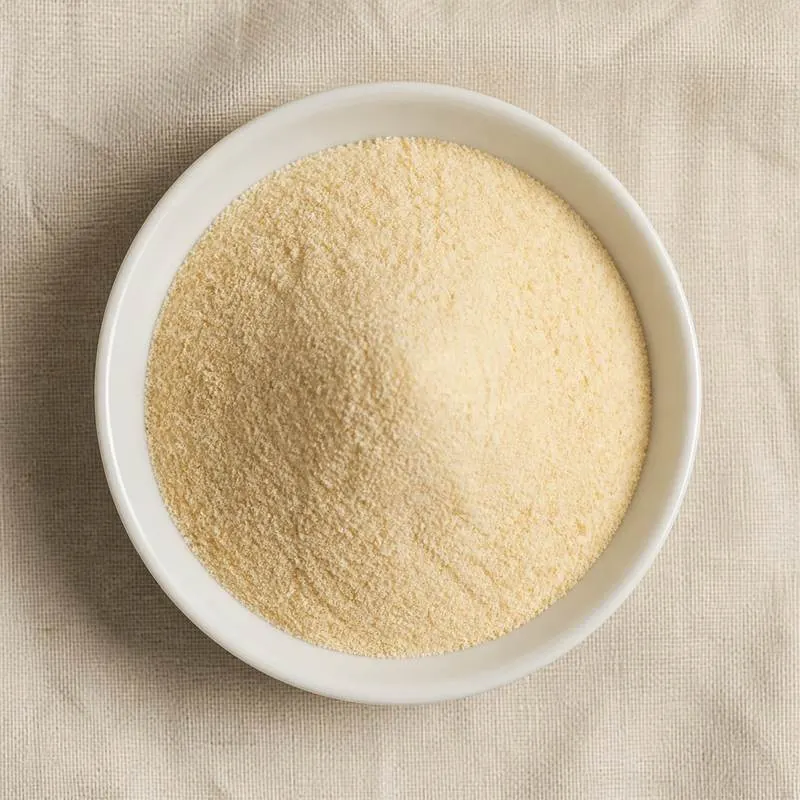
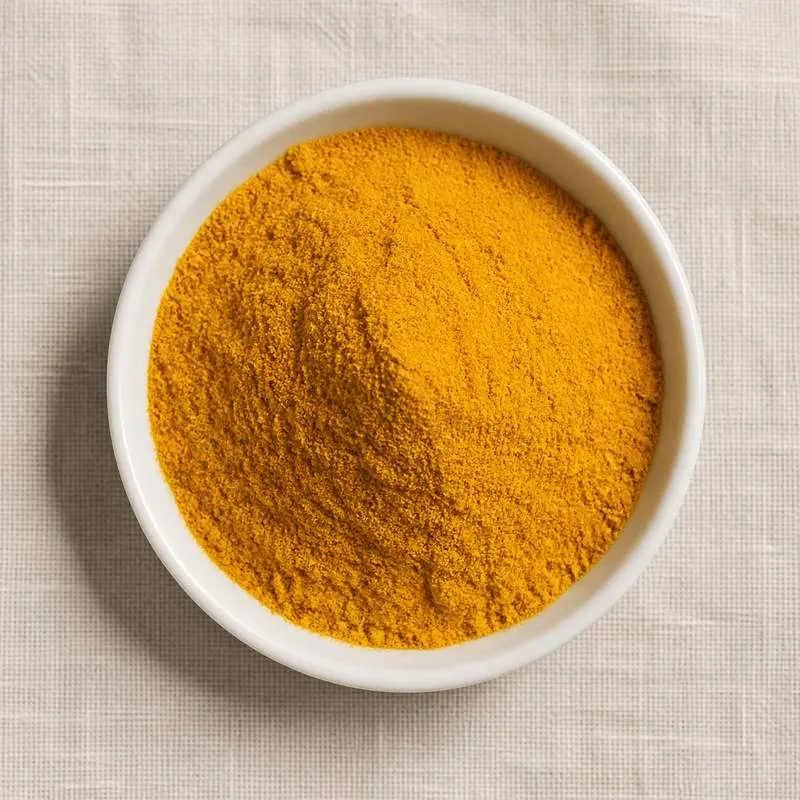
| Appearance | Light yellow to white powder |
| Rubusoside Content | ≥ 70% / ≥ 90% |
| Loss on Drying | ≤ 5.0% |
| Residue on Ignition | ≤ 1.0% |
| Heavy Metals (as Pb) | ≤ 2 ppm |
| Total Plate Count | ≤ 1000 CFU/g |
| Rubusoside 70% | 140 |
| Rubusoside 80% | 160 |
| Rubusoside 85% | 170 |
| Rubusoside 95% | 200 |
Common Markets Grades
Sweet Tea Extract is graded by total dihydrochalcone content and by the trilobatin to phlorizin ratio.
Beverage and food grades are typically standardised at 40 percent, 60 percent, and 80 percent total sweet glycosides by HPLC, with trilobatin as the dominant constituent at 70 to 90 percent of that total.
High-purity grades reach 90 percent and 98 percent trilobatin, sold for premium tabletop sweetener blends and for research and pharmaceutical applications.
A separate phlorizin-enriched grade is produced for cosmetic and supplement formulators interested in the dihydrochalcone's documented effects on glucose transport and skin pigmentation.
Native ratio sweet tea leaf extracts at 20 to 30 percent total dihydrochalcones serve as clean-label whole-leaf inputs for traditional tea beverage applications.
Spray-dried powders on maltodextrin or co-spray-dried with erythritol sell as functional sweetener systems for direct sugar replacement.
Applications
- Sugar-reduced beverages including teas, juices, and flavoured waters
- Tabletop sweetener blends as sachets and tablets, often combined with erythritol
- Traditional Chinese sweet tea (tian cha) ready-to-drink products
- Functional beverages positioned around blood-sugar balance
- Dairy products: yogurt, flavoured milk, and frozen desserts
- Bakery and confectionery for caloric reduction applications
- Sugar-free chewing gum, hard candy, and lozenges
- Sports nutrition and meal-replacement powder bases
- Pharmaceutical syrups and lozenges for flavour masking
- Cosmetic skin-brightening and anti-aging serums leveraging phlorizin and phloretin
- Hair-care products targeting scalp health and follicle support
- Dietary supplements positioned around metabolic and antioxidant claims
Brands Using Sweet Tea Extract
Widely-distributed consumer products that list Sweet Tea Extract on the ingredient label.
Brand names, product names and logos are the property of their owners. They appear here as published evidence that the ingredient is used, taken from the brand's own label or website. Their appearance is not an endorsement, and it does not mean the brand buys from us or from any manufacturer listed on this site.
China Manufacturers of Sweet Tea Extract
Top Sweet Tea Extract manufacturers in China.

Company names and logos are the property of the manufacturers themselves. They are listed here because our own directory records them as producing this ingredient. A listing is not an endorsement by them, and we do not represent them or speak on their behalf.
How We Help Source Sweet Tea Extract
Direct Factory Sourcing
We run the whole process: selecting the manufacturer from the top Chinese food ingredient producers, negotiating the price, verifying quality, and coordinating the logistics. You deal with us instead of with several factories at once.
Original Packaging and Documents from the Manufacturer
The manufacturer sends your Sweet Tea Extract out of its own factory in the original packing, through to your destination port. The COA, COO, MSDS, TDS and any certifications reach you from the manufacturer as well.
Free Samples and Lead Time
We send 100 to 500 g free for your own laboratory to test and you cover only the courier, usually within 2 to 3 working days. ETD is usually within 7 to 15 days once the order is confirmed, and we check that date against the factory's own manufacturing schedule before we give it to you.
Combined Shipment
We can load Sweet Tea Extract together with other ingredients such as Astaxanthin, Dehydrated Garlic and Lutein into one 20' FCL. If your quantity is small, we can also ship LCL.
Regulatory Status
Sweet tea leaf and its extract have a long traditional history of use in southern China and are recognised as food ingredients within China and several adjacent markets.
In China, Lithocarpus litseifolius leaf is included in the catalogue of substances traditionally used as food, and extracts are managed under standard food-additive regulation. Trilobatin has been the subject of national standards work in recent years.
In the European Union the extract is treated as a novel food where the use predates 15 May 1997 cannot be demonstrated, and dossiers under Regulation (EU) 2015/2283 are in preparation for several producers. Sweet tea leaf used as a herbal infusion has a clearer traditional-use trajectory than the purified dihydrochalcone fractions.
In the United States the leaf and its aqueous extract are commercialized under self-affirmed GRAS pathways, with several producers having issued opinions covering specified purity and use levels.
The Pharmacopoeia of the People's Republic of China includes related dihydrochalcone reference work. Organic certification is produced from contracted Guangxi growers.
Manufacturing Process
Sweet tea leaves are harvested from cultivated plantations and wild-managed forests in Guangxi, Guizhou, Hunan, and Jiangxi provinces. Spring and early summer harvests carry the highest trilobatin content.
Leaves are withered and dried at controlled temperature to lock in the glycoside profile while reducing moisture for storage. Some grades are partially fermented in a process similar to oolong tea to develop additional sensory complexity, although the sweetener-grade material is typically processed as a green-leaf input to preserve maximum dihydrochalcone content.
The dried leaves are milled and extracted in stirred tanks with hot water or ethanol-water mixtures at 60 to 85 degrees Celsius. The miscella is clarified by filtration and centrifugation.
Macroporous adsorption resin chromatography selectively binds the dihydrochalcones while sugars, organic acids, and pigments pass through. The bound glycosides are eluted with ethanol-water, and the eluate is concentrated under vacuum.
For high-purity trilobatin grades, additional silica or reverse-phase chromatography polishes the product to 90 percent and above. The concentrate is spray-dried or freeze-dried to a fine powder.