Allulose
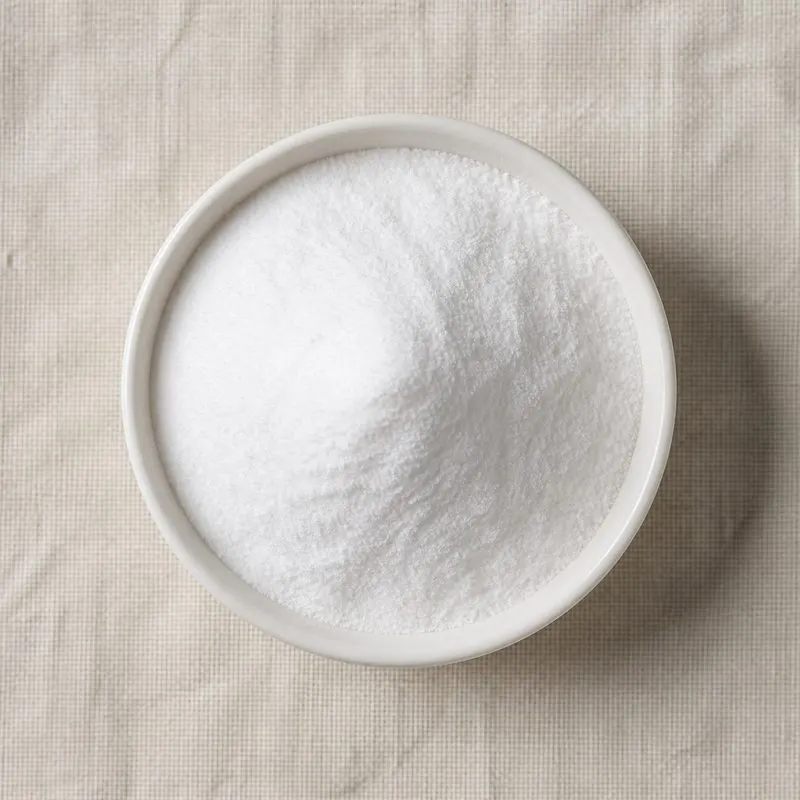
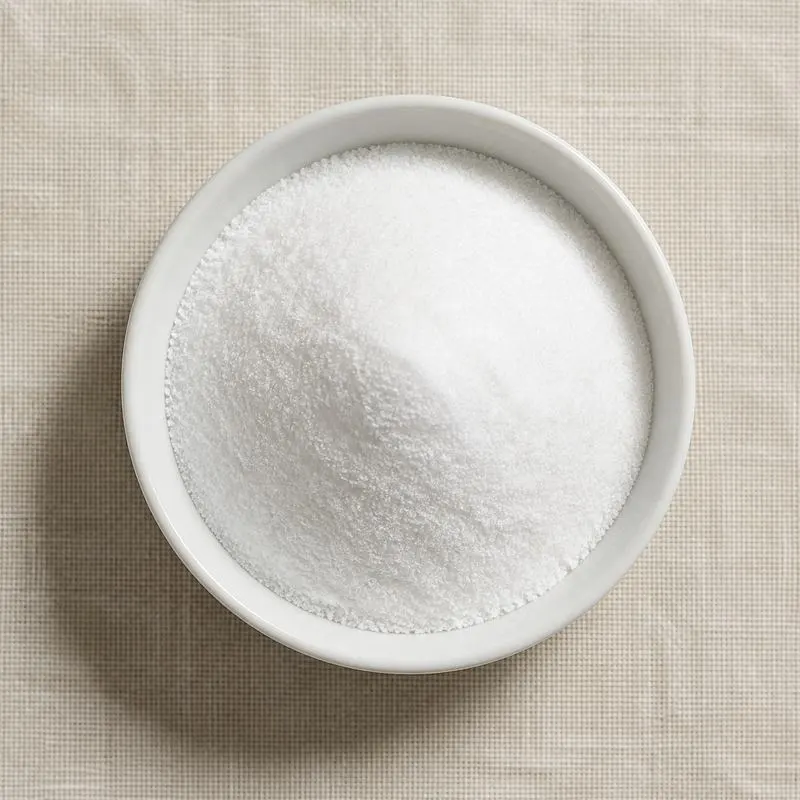
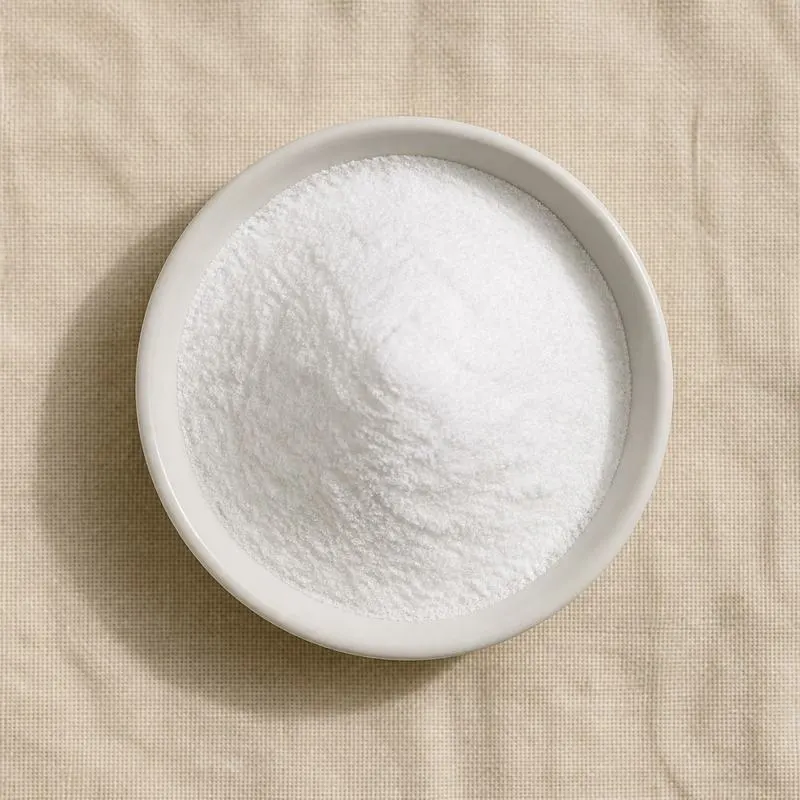
Allulose is a rare sugar that delivers the taste, mouthfeel, and browning behaviour of sucrose with almost none of its caloric or glycemic impact.
The molecule is D-psicose, the C-3 epimer of D-fructose, with formula C₆H₁₂O₆ and CAS 551-68-8. It carries about 70 percent of the sweetness of sucrose, contributes only 0.4 kcal per gram of usable energy, and does not raise blood glucose or insulin.
We source bulk Allulose from top China manufacturers for our partners, working with several of them. The manufacturers are mostly in Shandong, Anhui and Beijing. For this ingredient the minimum order is 1,000 kg and a 20-foot container takes 17 MT, and a smaller requirement can ship in a combined container with other ingredients.
Please send the grade you need, the volume and your destination port, and we will come back with a solution and a price.
or call +86-21-6858 0751
- Minimum order
- 1,000 kg
- Qty in 20' FCL
- 17 MT
- Packaging
- 250 kg plastic drum or 1,000 kg IBC tote
- ISO 9001
- HACCP
- Halal
- Kosher
Specifications
Grades / Types Available: Crystalline powder, Syrup
| Item | Specification |
|---|---|
| Appearance | White crystalline powder or clear syrup |
| D-Allulose Content | ≥ 98.0% (crystalline) / ≥ 70% (syrup) |
| pH (10% solution) | 3.0–7.0 |
| Loss on Drying | ≤ 1.0% |
| Residue on Ignition | ≤ 0.1% |
| Heavy Metals (as Pb) | ≤ 0.5 ppm |
| Total Plate Count | ≤ 1000 CFU/g |
| Yeast & Mold | ≤ 100 CFU/g |
| Purity (D-Allulose) | ≥98.0% |
| Sweetness | ~70% of sucrose |
| Caloric Content | ~0.2 kcal/g |
| Solubility | Transparent colorless liquid when dissolved |
| Stability | Stable at room temperature |
| Source | Enzymatic conversion from corn/sugarcane/beets |
Common Markets Grades
There are two formats of Allulose, crystalline and liquid.
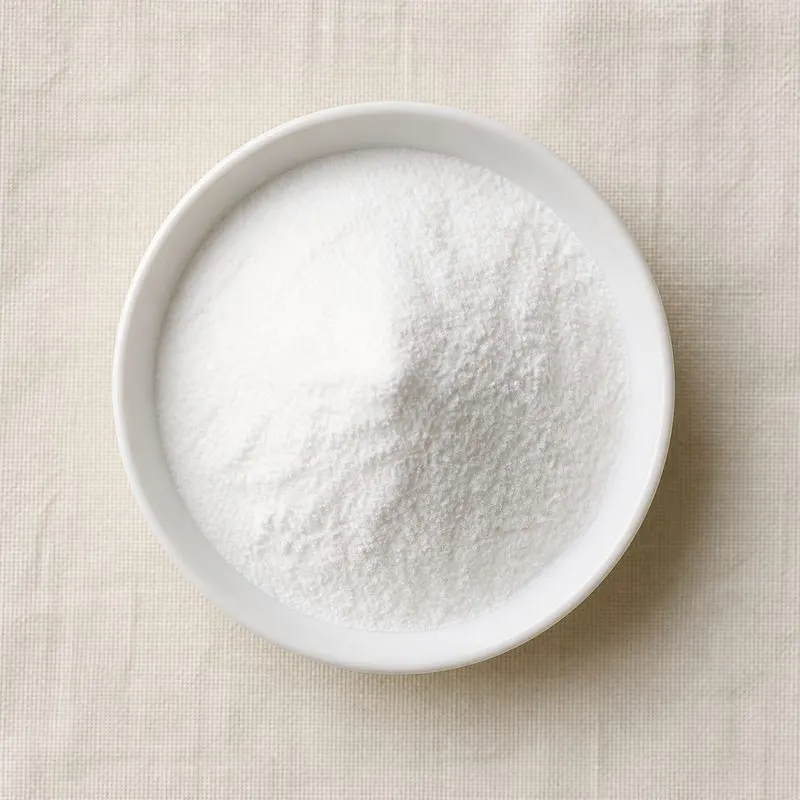
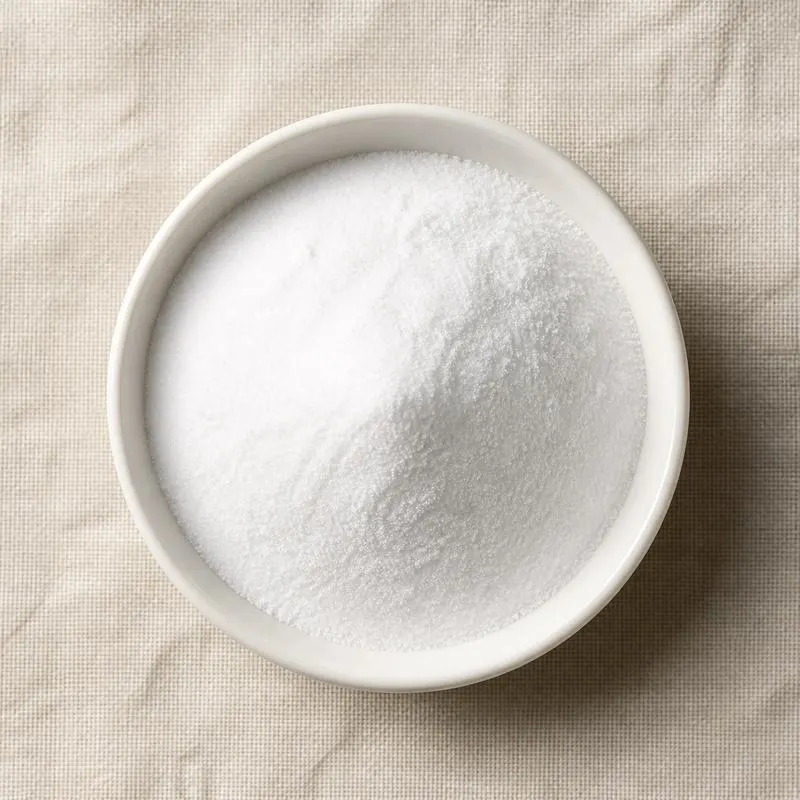
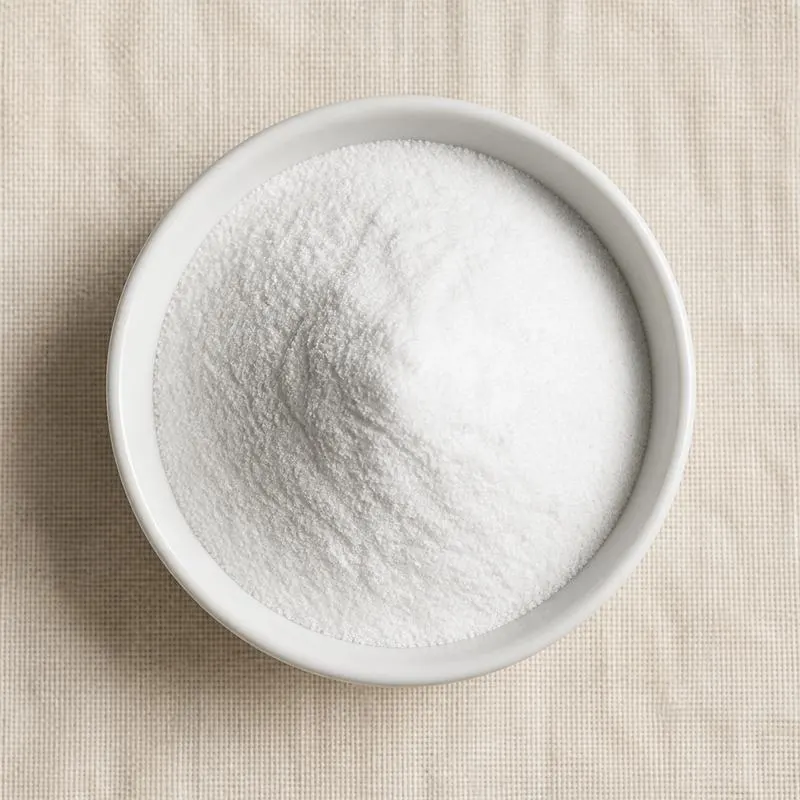
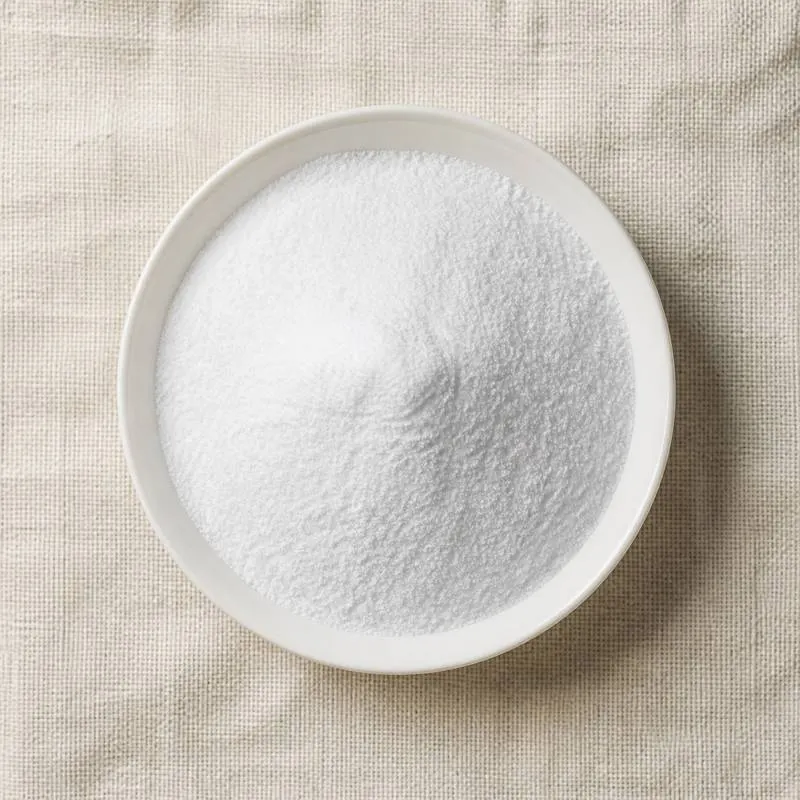
The crystalline grade is a free-flowing white powder at 95 percent or higher purity, used for table-top sweetener products, dry beverage mixes, baked goods, and confectionery where dry handling is preferred.
The liquid syrup grade is a clear concentrated solution at 70 to 72 percent solids, used for beverages, dairy applications, sauces, and bakery formulations where liquid metering is the established process.
Pharmaceutical-spec and high-purity grades above 99 percent are also available for clinical-nutrition and research applications.
All grades meet FCC specifications for D-psicose.
Applications
- Reduced-sugar and ketogenic baked goods including cookies, cakes, brownies, and pastry where browning and caramelization are desired
- Ice cream and frozen desserts where freezing-point depression and a smooth texture are needed
- Beverages, including ready-to-drink coffees, dairy drinks, and flavoured waters
- Sugar-reduced sauces, syrups, and condiments
- Tabletop sweeteners and stevia or monk-fruit blends targeting a one-to-one sucrose replacement
- Sugar-free chocolate and confectionery in combination with other bulk sweeteners
- Yogurt, dairy desserts, and reduced-sugar dairy beverages
- Nutrition bars, protein bars, and meal-replacement products
- Sugar-reduced jams, jellies, and fruit preparations
- Reduced-sugar bakery glazes, icings, and frostings
- Functional and weight-management food products
Brands Using Allulose
Widely-distributed consumer products that list Allulose on the ingredient label.
- Magic SpoonMagic Spoon Cocoa High-Protein Cereal ↗Ingredient panel: 'Milk Protein Blend (Casein, Whey Protein Concentrate), Sweetener Blend (Allulose, Monk Fruit Extract), Oil Blend..., Tapioca Starch, Cocoa Powder, Inulin, Natural Flavor'Label verified 2026-05-24
- Magic SpoonMagic Spoon Frosted High-Protein Cereal ↗Allulose used in Magic Spoon's sweetener blend (allulose + monk fruit) across cereal lineLabel verified 2026-05-24
- Quest NutritionQuest Chocolate Peanut Butter Crispy Hero Protein Bar ↗Ingredient panel: 'Allulose, Peanuts, Palm Kernel Oil, Erythritol, Soluble Corn Fiber, Water, Sodium Caseinate, Cocoa Processed with Alkali...'Label verified 2026-05-24
- Quest NutritionQuest Chocolate Caramel Pecan Crispy Hero Protein Bar ↗Ingredient panel: 'Allulose, Soluble Corn Fiber, Palm Kernel Oil, Water, Pecans, Cocoa Processed with Alkali, Erythritol, Sodium Caseinate...'Label verified 2026-05-24
- Splenda (Heartland Food Products Group)Splenda Allulose Sweetener, 3 lb Bag ↗Ingredients: allulose and natural flavours. Plant-based zero-calorie sweetener that tastes like sugarLabel verified 2026-05-24
- Splenda (Heartland Food Products Group)Splenda Allulose Sweeteners (Granulated) ↗Allulose listed as primary ingredient on official Splenda product pageLabel verified 2026-05-24
- LakantoLakanto Classic Monkfruit Sweetener with Allulose (White Sugar Replacement) ↗Allulose listed as primary bulk sweetener with monk fruit extract on Lakanto product pageLabel verified 2026-05-24
- LakantoLakanto Golden Monkfruit Sweetener with Allulose (Raw Cane Sugar Replacement) ↗Allulose paired with monk fruit extract as raw cane sugar alternative on Lakanto product pageLabel verified 2026-05-24
Brand names, product names and logos are the property of their owners. They appear here as published evidence that the ingredient is used, taken from the brand's own label or website. Their appearance is not an endorsement, and it does not mean the brand buys from us or from any manufacturer listed on this site.
China Manufacturers of Allulose
Top Allulose manufacturers in China.
 Anhui Jinhe Industrial Co., Ltd.5 ingredients in the directory
 Beijing Refine Biology Co., Ltd.3 ingredients in the directory
 Shandong Bailong Chuangyuan Bio-tech Co., Ltd.8 ingredients in the directory
 Shandong Sanyuan Biotechnology Co., Ltd.4 ingredients in the directory
 Shandong Starlight So True Biotechnology Co., Ltd.9 ingredients in the directory
 Sichuan Ingia Biosynthetic Co., Ltd.5 ingredients in the directory
Company names and logos are the property of the manufacturers themselves. They are listed here because our own directory records them as producing this ingredient. A listing is not an endorsement by them, and we do not represent them or speak on their behalf.
How We Help Source Allulose
Direct Factory Sourcing
We run the whole process: selecting the manufacturer from the top Chinese food ingredient producers, negotiating the price, verifying quality, and coordinating the logistics. You deal with us instead of with several factories at once.
Original Packaging and Documents from the Manufacturer
The manufacturer sends your Allulose out of its own factory in the original packing, through to your destination port. The COA, COO, MSDS, TDS and any certifications reach you from the manufacturer as well.
Free Samples and Lead Time
We send 100 to 500 g free for your own laboratory to test and you cover only the courier, usually within 2 to 3 working days. ETD is usually within 7 to 15 days once the order is confirmed, and we check that date against the factory's own manufacturing schedule before we give it to you.
Combined Shipment
We can load Allulose together with other ingredients such as Stevia, Erythritol and Maltitol into one 20' FCL. If your quantity is small, we can also ship LCL.
Regulatory Status
Allulose has secured regulatory acceptance in several major markets but is not yet authorised everywhere.
The U.S. Food and Drug Administration accepted GRAS notifications for allulose beginning in 2014. In April 2019 the agency issued draft guidance excluding allulose from the declarations of total sugars and added sugars on the Nutrition Facts label and accepting a caloric value of 0.4 kcal per gram. The guidance was finalized in 2020, removing a major commercial barrier in the United States.
Japan, South Korea, Singapore, Mexico, and several Latin American markets have approved allulose for food use, with Japan and Korea hosting the largest installed production capacity.
The European Union has not yet authorised allulose under the Novel Food Regulation. Applications have been filed and are progressing through EFSA evaluation but the ingredient is not currently permitted for sale as food in the EU.
JECFA has not yet completed a full safety evaluation. The substance is Halal and Kosher certifiable and is not a recognised food allergen.
Manufacturing Process
Allulose is produced by enzymatic conversion of fructose.
The feedstock is high-fructose corn syrup or crystalline fructose obtained from starch processing. The fructose solution is passed over an immobilized D-tagatose 3-epimerase or D-psicose 3-epimerase enzyme bed, where the enzyme catalyses the epimerization at carbon 3 of fructose to yield allulose.
The reaction is reversible and reaches an equilibrium of roughly 30 percent allulose against 70 percent residual fructose. The mixed solution is therefore passed through chromatographic separation on simulated-moving-bed resin columns to recover an allulose-enriched stream and recycle the unconverted fructose to the enzyme reactor.
The enriched allulose solution is decolorised with activated carbon, demineralized through ion-exchange resins, and concentrated under vacuum to deliver the liquid syrup grade.
For the crystalline grade the concentrated solution is fed to crystallisers, seeded with allulose crystals, and cooled under controlled profile. The cake is centrifuged, washed, dried, and milled to the target granulation.