Vitamin K1
Vitamin K1 is the plant-derived form of the fat-soluble vitamin K family, used in pharmaceutical, supplement, and infant-nutrition formulations as phytomenadione.
The compound is also known as phylloquinone and carries the CAS number 84-80-0. It is the primary dietary source of vitamin K in human nutrition and the form synthesised in the chloroplasts of green plants.
We source bulk Vitamin K1 from top China manufacturers for our partners. The manufacturers are in Zhejiang. A smaller requirement can ship in a combined container with other ingredients.
Please send the grade you need, the volume and your destination port, and we will come back with a solution and a price.
or call +86-21-6858 0751
- Packaging
- 190 kg steel drum or 25 kg jerrican
- ISO 9001
- HACCP
- Halal
- Kosher
Specifications
| Item | Specification |
|---|---|
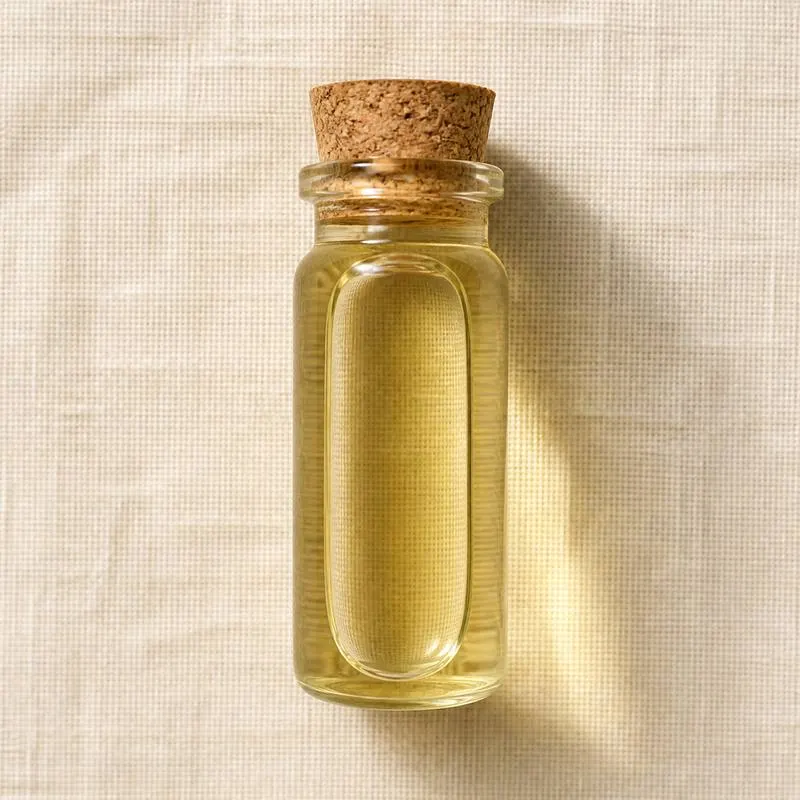
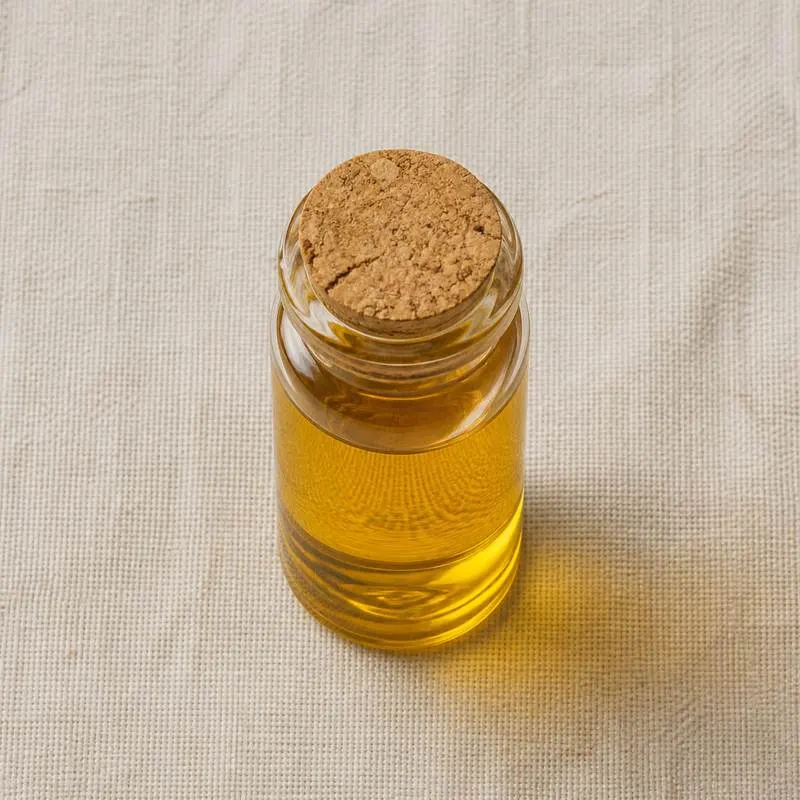
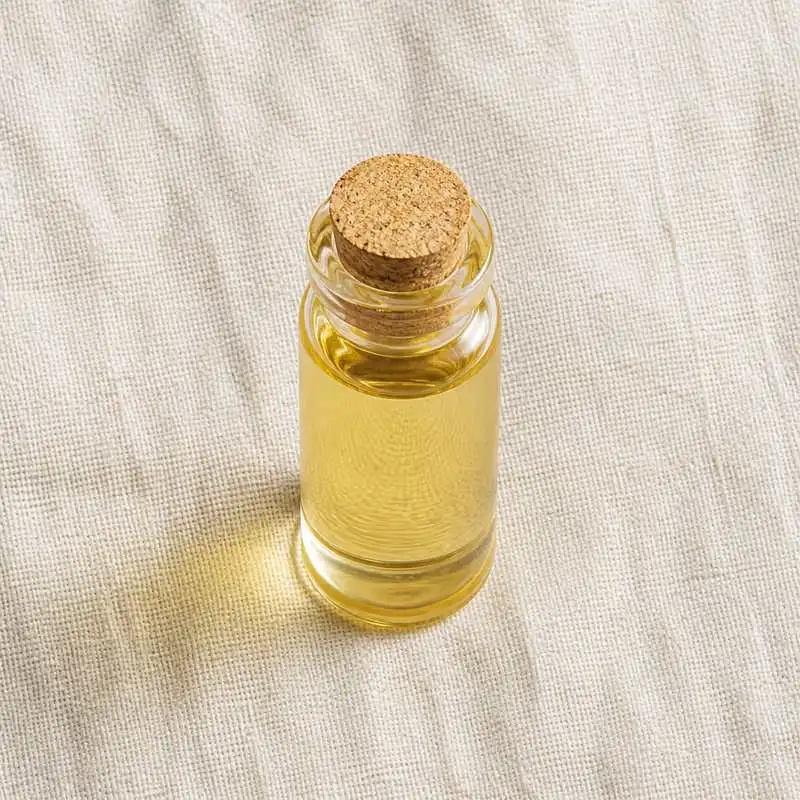
| Appearance | Clear yellow to pale brown viscous oily liquid |
| Assay (HPLC) | 97.0% to 102.0% |
| trans-Isomer content | ≥ 92.0% |
| Specific gravity (25 °C) | 0.964 to 0.968 |
| Refractive index (20 °C) | 1.525 to 1.528 |
| Peroxide value | ≤ 10 meq/kg |
| Heavy metals (as Pb) | ≤ 10 mg/kg |
| Arsenic | ≤ 3 mg/kg |
| Available forms | Oil 96%, Oil 98%, 1% in carrier, 5% microcapsules |
Common Markets Grades
Two format families carry phytomenadione, oil and dry, keyed to formulation requirements.
Pharmaceutical-grade phytomenadione at 97 to 99 percent assay is a clear yellow viscous oil with USP and Ph. Eur. monograph compliance. It is light-sensitive and is normally packaged in amber containers under nitrogen.
Oil-resin dilutions in refined vegetable oil or medium-chain triglyceride serve injectable and oral pharmaceutical preparations, including neonatal prophylaxis formulations.
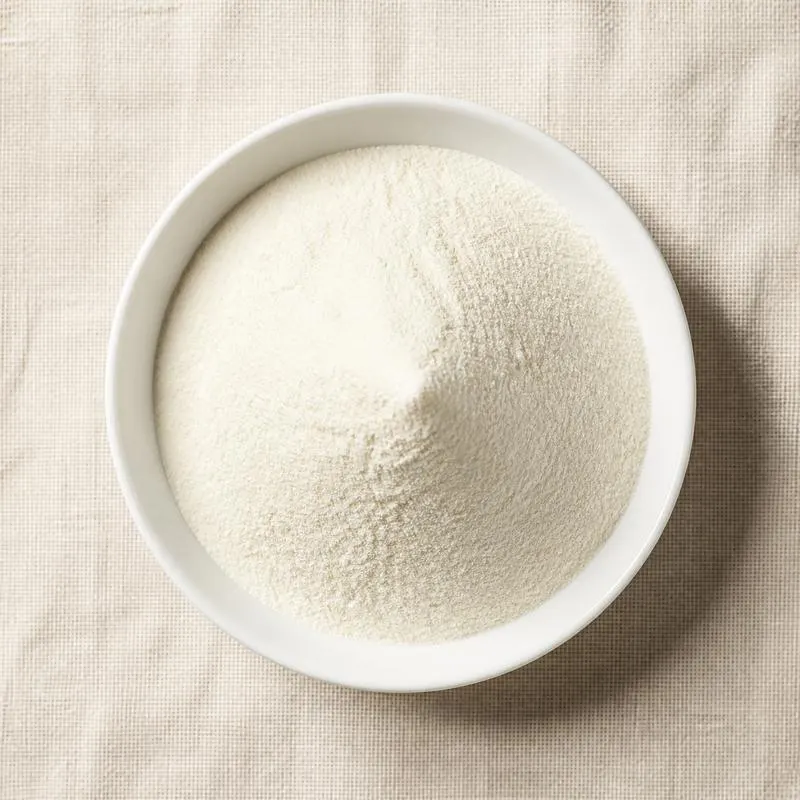
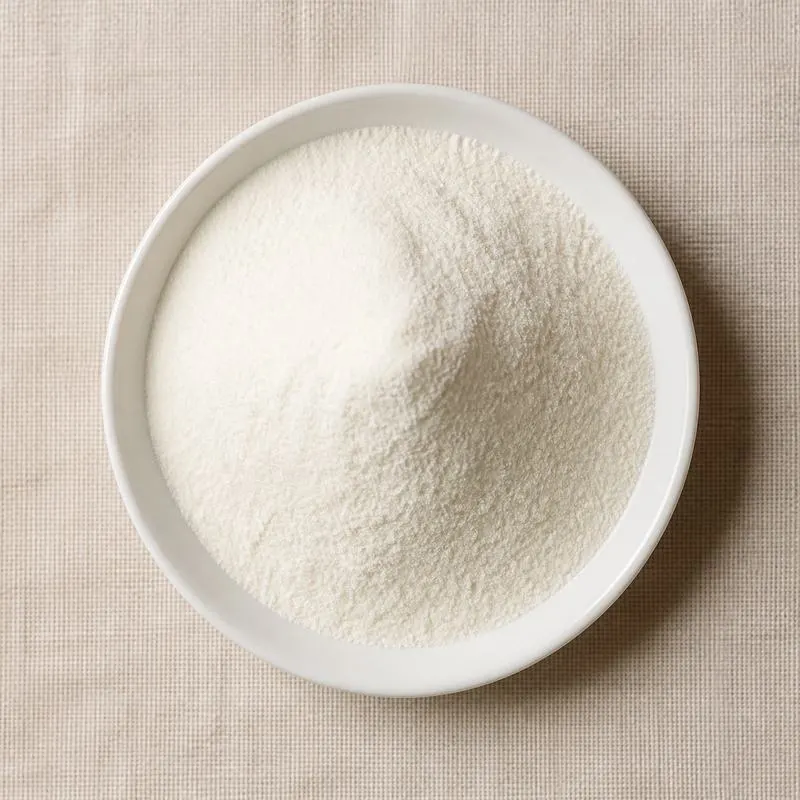
Cold-water-dispersible 1 and 5 percent powders, built on gelatin or modified starch matrices with antioxidant systems, are the standard supply for tablets, capsules, sachets, and infant-formula fortification. Microencapsulated grades for direct-compression tableting exist where flow and stability matter.
Applications
- Injectable and oral neonatal vitamin K prophylaxis to prevent hemorrhagic disease of the newborn
- Reversal agent for warfarin and other vitamin K antagonist anticoagulants
- Infant formula and follow-on formula at regulated levels
- Pediatric vitamin drops and syrups
- Multivitamin tablets, softgels, and chewables
- Clinical and enteral nutrition products for fat-malabsorption patients
- Bone-health and cardiovascular-support supplement blends
- Total parenteral nutrition admixtures
- Pharmaceutical preparations for liver disease and biliary obstruction
- Veterinary pharmaceuticals for rodenticide poisoning reversal
- Sports-nutrition and recovery formulations
- Cosmetic preparations for bruising and post-procedure skin recovery
Brands Using Vitamin K1
Widely-distributed consumer products that list Vitamin K1 on the ingredient label.
- Enfamil (Mead Johnson)Enfamil NeuroPro Infant Formula ↗Enfamil NeuroPro Infant Formula's official ingredient panel lists Vitamin K1 (phytonadione) among its fat-soluble vitamins, the FDA-required form of vitamin K in infant formula.Label verified 2026-05-24
- Pure EncapsulationsSynergy K (Vitamin K1, K2 & D3) ↗Pure Encapsulations' Synergy K capsule provides 500 mcg Vitamin K (as vitamin K1 / phytonadione) per serving alongside K2 (MK-4, MK-7) and Vitamin D3 in a hypoallergenic cellulose capsule.Label verified 2026-05-24
- Life ExtensionSuper K with Advanced K2 Complex Softgels ↗Life Extension's Super K softgel supplies 2,000 mcg Vitamin K (as phytonadione / K1) plus K2 MK-4 and MenaQ7 MK-7 in an extra virgin olive oil softgel base.Label verified 2026-05-24
- One A Day (Bayer)One A Day Women's Multivitamin Tablets ↗One A Day Women's Multivitamin lists Phytonadione (vitamin K1) on its inactive ingredients panel as the source of the labelled Vitamin K daily value.Label verified 2026-05-24
- Jarrow FormulasK-Right (Vitamin K-Complex: K1, MK-4, MK-7, D3) ↗Jarrow Formulas K-Right softgel provides 500 mcg of vitamin K1 (phytonadione) per serving as part of its full-spectrum K-complex alongside K2 MK-4, MK-7 and 2,000 IU D3.Label verified 2026-05-24
- Similac (Abbott Nutrition)Similac Advance Infant Formula Powder ↗Similac Advance Infant Formula's ingredient panel includes Phytonadione (Vitamin K1), required by FDA infant formula standards as the source of vitamin K.Label verified 2026-05-24
Brand names, product names and logos are the property of their owners. They appear here as published evidence that the ingredient is used, taken from the brand's own label or website. Their appearance is not an endorsement, and it does not mean the brand buys from us or from any manufacturer listed on this site.
China Manufacturers of Vitamin K1
Top Vitamin K1 manufacturers in China.
 Zheiiang Weishi Biotechnology Co., Ltd.6 ingredients in the directory
 Zhejiang Haining Fengming Chlorophyll Co., Ltd.11 ingredients in the directory
Company names and logos are the property of the manufacturers themselves. They are listed here because our own directory records them as producing this ingredient. A listing is not an endorsement by them, and we do not represent them or speak on their behalf.
How We Help Source Vitamin K1
Direct Factory Sourcing
We run the whole process: selecting the manufacturer from the top Chinese food ingredient producers, negotiating the price, verifying quality, and coordinating the logistics. You deal with us instead of with several factories at once.
Original Packaging and Documents from the Manufacturer
The manufacturer sends your Vitamin K1 out of its own factory in the original packing, through to your destination port. The COA, COO, MSDS, TDS and any certifications reach you from the manufacturer as well.
Free Samples and Lead Time
We send 100 to 500 g free for your own laboratory to test and you cover only the courier, usually within 2 to 3 working days. ETD is usually within 7 to 15 days once the order is confirmed, and we check that date against the factory's own manufacturing schedule before we give it to you.
Combined Shipment
We can load Vitamin K1 together with other ingredients such as Vitamin C, Vitamin D3 and Vitamin E into one 20' FCL. If your quantity is small, we can also ship LCL.
Regulatory Status
Phytomenadione is regulated as a pharmaceutical active substance and as a nutrient depending on use.
The European Union authorises it as a permitted vitamin source under Directive 2002/46/EC and Regulation (EC) No 1925/2006. It is mandated in infant formula under Commission Delegated Regulation (EU) 2016/127. EFSA has set an adequate intake of 70 µg per day for adults and has not identified an upper level for the natural form.
The U.S. Food and Drug Administration recognises phytomenadione as GRAS under 21 CFR 184.1950 for specific food categories. The Daily Value sits at 120 µg. It is also approved as a prescription drug for the prevention and treatment of hypoprothrombinemia.
Codex Alimentarius includes it in the Advisory List of Nutrient Compounds for use in foods for special dietary uses. JECFA has reviewed the substance for use in infant formula and follow-on formula.
Pharmacopoeial monographs appear in the USP, Ph. Eur., JP, and BP. Halal, Kosher, and non-GMO certifications are routinely available because the synthetic feedstocks are not animal-derived.
Manufacturing Process
Industrial phytomenadione is produced by chemical synthesis from menadione and isophytol.
Menadione is the starting 1,4-naphthoquinone scaffold and is obtained by oxidation of 2-methylnaphthalene with chromium- or hydrogen-peroxide-based oxidants. Isophytol is the same C20 terpene alcohol used in synthetic vitamin E manufacture, assembled from petrochemical C5 building blocks.
The two components are condensed under Lewis acid catalysis, typically boron trifluoride etherate, to give phytomenadione with the natural trans configuration of the C2-C3 double bond. The reaction creates two stereocenters at C7′ and C11′ of the phytyl chain, but these positions are not biologically discriminating, so the synthetic product is functionally equivalent to plant-derived material.
Crude product is purified by molecular distillation and column chromatography to remove the cis isomer and residual catalysts. The principal manufacturers operate in China and Western Europe, with output going to pharmaceutical, infant nutrition, and supplement markets.