Watermelon Flavour
Watermelon flavour is a compounded flavouring that reproduces the aroma of Citrullus lanatus flesh, built mainly on nine carbon unsaturated aldehydes and alcohols that give the fruit its characteristic fresh, green, melon note.
The natural aroma of watermelon is unusually dilute and unstable, since the key compounds are formed enzymatically from fatty acids the moment the fruit is cut and decay quickly afterwards. Commercial flavours therefore rebuild the profile from isolated and synthesised components rather than from juice, with cis-3-nonenal, cis-6-nonenal and the corresponding nonenols carrying the fresh cut character, supported by melon esters, cucumber notes, a small green leafy fraction and sweet lactones that give the ripe, watery impression.
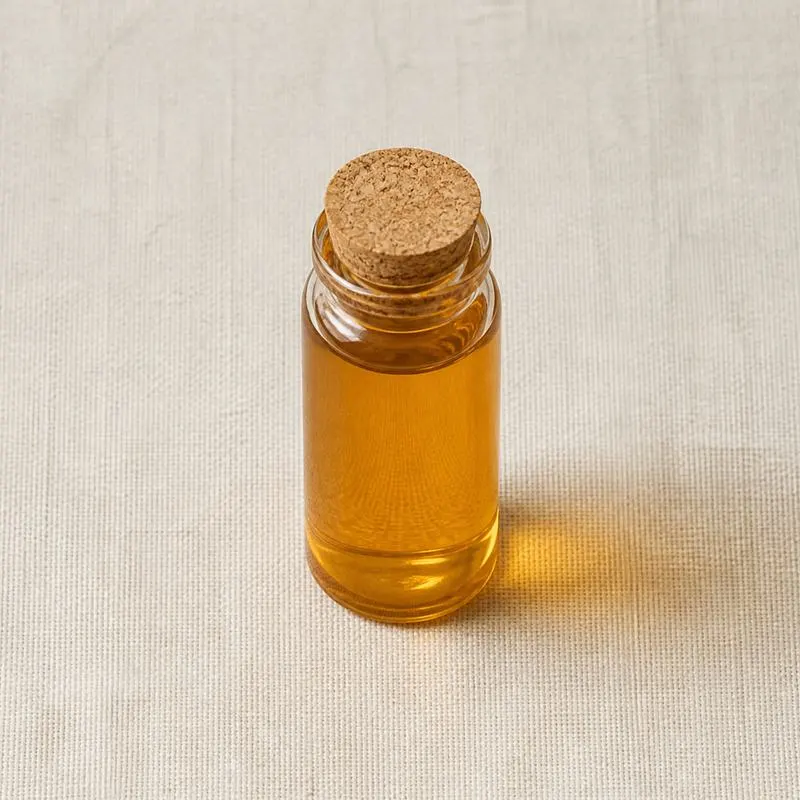
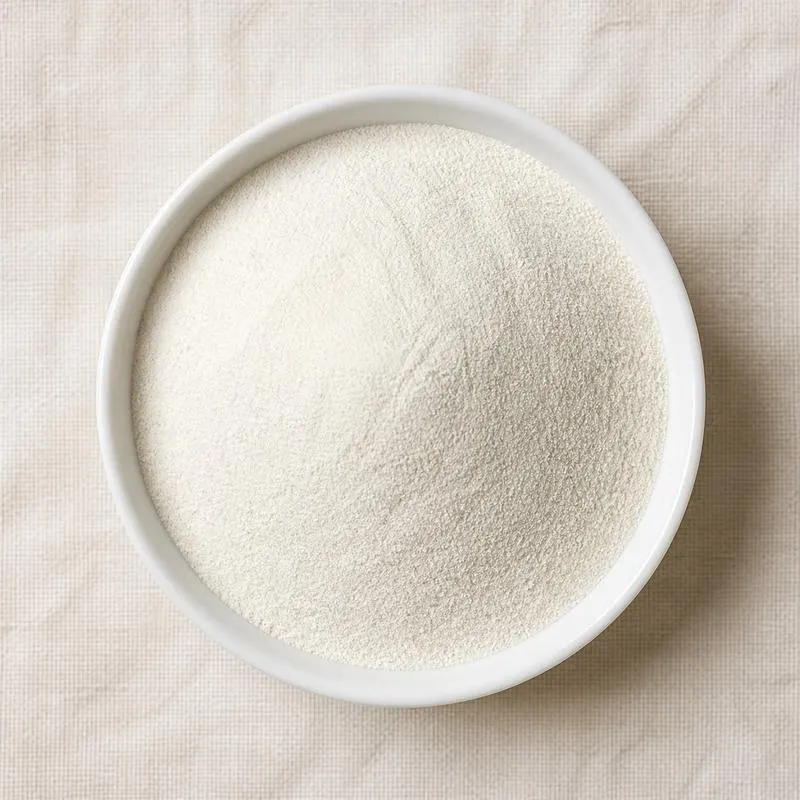
The material reaches the buyer as a clear liquid in ethanol, propylene glycol or triacetin, as a water dispersible emulsion, or as a spray dried powder on a carbohydrate carrier. The active aldehydes are volatile, oxidise readily in air and are lost or transformed under heat and acid, so liquid grades are stored cold under nitrogen and encapsulated grades are chosen for anything that will be baked, extruded or held for long periods at ambient temperature.
We source bulk Watermelon Flavour from top China manufacturers for our partners. The manufacturer is in Zhejiang. A smaller requirement can ship in a combined container with other ingredients.
Please send the grade you need, the volume and your destination port, and we will come back with a solution and a price.
or call +86-21-6858 0751
- Function
- Flavours and Aromas
Specifications
| Item | Specification |
|---|---|
| Appearance | Clear colourless to pale yellow liquid, free from suspended matter |
| Odour and taste | Characteristic fresh watermelon, true to the approved reference sample |
| Identification | Conforms by gas chromatographic profile against reference standard |
| Relative density at 20 degrees Celsius | 0.980 to 1.080 |
| Refractive index at 20 degrees Celsius | 1.4200 to 1.4600 |
| Solvent content | Propylene glycol or triacetin, as declared on the specification |
| Acid value | Not more than 5.0 mg KOH/g |
| Water content | Not more than 1.0% |
| Residue on ignition | Not more than 0.1% |
| Lead | Not more than 1.0 mg/kg |
| Arsenic | Not more than 1.0 mg/kg |
| Total plate count | Not more than 100 cfu/g |
| Yeast and mould | Not more than 10 cfu/g |
| Salmonella | Absent in 25 g |
Common Markets Grades
Flavours are divided first by declaration. Natural watermelon flavour is compounded exclusively from components obtained by physical, enzymatic or fermentative processes from natural sources, natural flavour with other natural flavours draws on non watermelon botanicals for parts of the profile, and artificial or nature identical grades use synthesised aroma chemicals and are the least expensive. Watermelon juice concentrate is sometimes added as a small part of the formula so that a fruit content claim can be made, though it contributes little aroma.
The second distinction is physical form and strength. Oil soluble and water soluble liquids dose at roughly one to three parts per thousand in a finished drink, with concentrated versions used at a tenth of that. Emulsions carry weighting agents so that the flavour oil neither creams nor rings in a bottled beverage, and often include colour. Spray dried and cyclodextrin encapsulated powders are used in confectionery, powdered drinks and chewing gum, and heat stable grades built on more robust esters and lactones are offered for baking and extrusion where the fresh aldehyde note would not survive.
Applications
- Still and carbonated soft drinks, where the fresh aldehyde note has to survive carbonation and light exposure in clear bottles
- Flavoured waters and sports drinks, dosed at low levels to give a light fruit impression without sweetness
- Hard candy and jelly confectionery, using heat stable and encapsulated grades that tolerate cooking or depositing
- Chewing gum, in encapsulated form so the flavour releases progressively during chewing
- Ice lollies, sorbets and frozen desserts, where the cold suppresses aroma perception so dosage is raised
- Yoghurt and dairy desserts, formulated to resist the binding of aldehydes by milk protein
- Alcoholic ready to drink products, hard seltzers and flavoured spirits
- Powdered drink mixes and effervescent tablets, using a spray dried carrier
- Vaping and oral nicotine products in markets where such use is permitted
- Personal care products such as lip balm, shower gel and body mist
China Manufacturers of Watermelon Flavour
Top Watermelon Flavour manufacturers in China.

Company names and logos are the property of the manufacturers themselves. They are listed here because our own directory records them as producing this ingredient. A listing is not an endorsement by them, and we do not represent them or speak on their behalf.
Regulatory Status
In the United States a compounded watermelon flavour is not itself the subject of a single regulation; each component must be a permitted flavouring substance, either listed among the natural and synthetic flavouring substances in 21 CFR 172.515, generally recognised as safe, or covered by the generally recognised as safe programme of the expert panel of the Flavour and Extract Manufacturers Association, which assigns FEMA numbers. Solvents and carriers such as propylene glycol, triacetin, ethanol, gum arabic and modified starch each have their own clearance. Declaration on a finished food follows 21 CFR 101.22, which determines whether the label reads natural flavour, artificial flavour or both.
In the European Union the flavouring substances used must appear on the Union list maintained under Regulation (EC) No 1334/2008, and the terms natural flavouring and natural watermelon flavouring may be used only where the compositional conditions in that regulation are met. Flavourings carry no E number; the carriers, emulsifiers, weighting agents and colours in a finished flavour preparation are additives under Regulation (EC) No 1333/2008 and are identified by their own E numbers. The Joint FAO WHO Expert Committee on Food Additives has evaluated the aliphatic aldehydes, alcohols, esters and lactones typical of this profile within its group assessments of flavouring agents and raised no safety concern at the levels at which they are used.
Manufacturing Process
Production is a compounding operation rather than an extraction. The individual aroma chemicals are bought or made in dedicated plants, the nine carbon aldehydes commonly by controlled oxidation or by an enzymatic lipoxygenase and hydroperoxide lyase route on vegetable oil derived fatty acids where a natural declaration is required. These, together with esters, lactones, green notes and any natural extracts or juice concentrate, are weighed against a master formula in a temperature controlled room, since several components are dosed in fractions of a percent and are first prepared as dilutions.
The weighed components are blended into the chosen solvent in a closed, jacketed stainless steel vessel under gentle agitation and a nitrogen blanket, then held to allow the mixture to marry before it is filtered through a polishing filter. The batch is checked by gas chromatography against a reference profile and by sensory panel before release. Emulsions are made by dispersing the flavour oil and weighting agent into a gum arabic or modified starch solution and passing the coarse emulsion through a high pressure homogeniser; powders are produced by spray drying that emulsion or by complexing the flavour with cyclodextrin, filtering and drying. Finished material is filled into lined drums, cans or foil laminate bags under nitrogen and stored cold.