Wheat Fibre
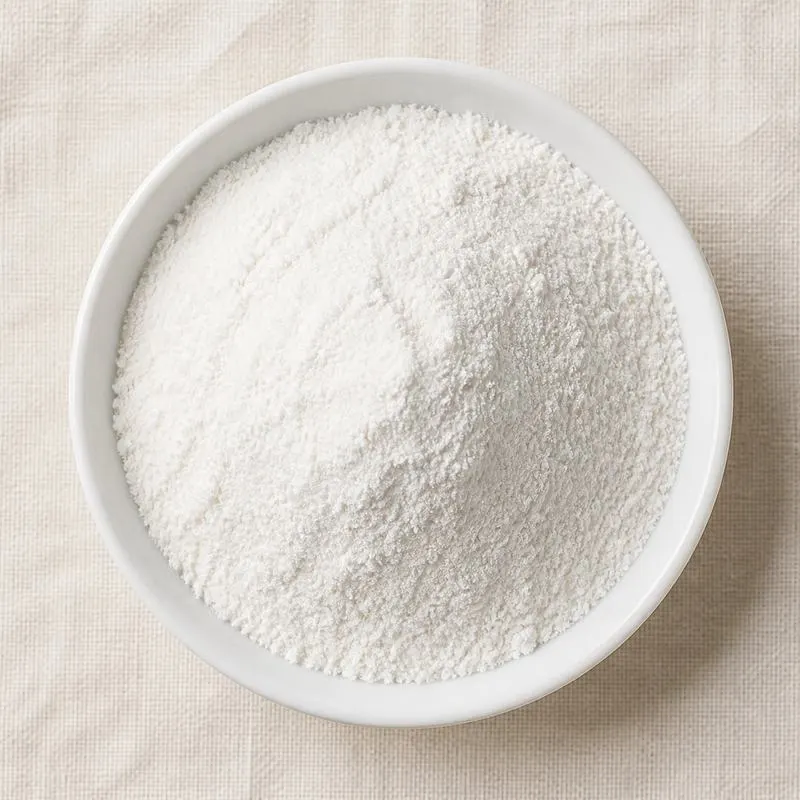
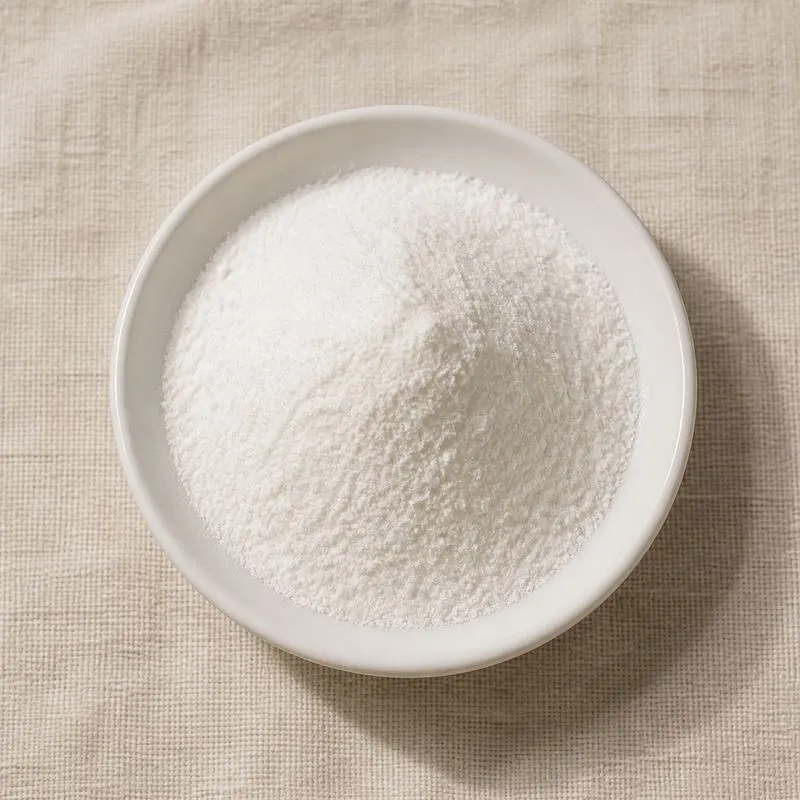
Wheat fibre is a purified insoluble fibre isolated from the lignocellulosic parts of the wheat plant, principally the straw and the outer bran layers. Processing removes starch, protein and extractives, leaving a matrix of cellulose and hemicellulose with a residual lignin content, so the finished ingredient contains essentially no digestible carbohydrate.
It functions as a structural fibre rather than a hydrocolloid. The material does not dissolve, does not gel and adds no viscosity; instead it retains water and oil by capillary action inside its fibre network, holding roughly five to nine times its own weight in water depending on how finely it has been cut. That behaviour lets it raise fibre content and process yield without changing how a dough or a batter handles.
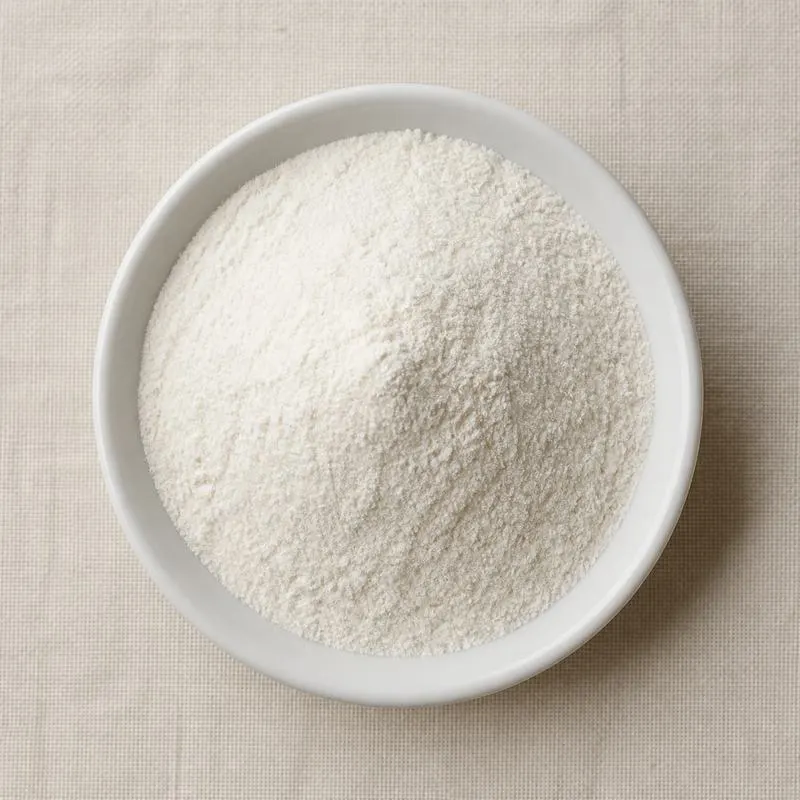
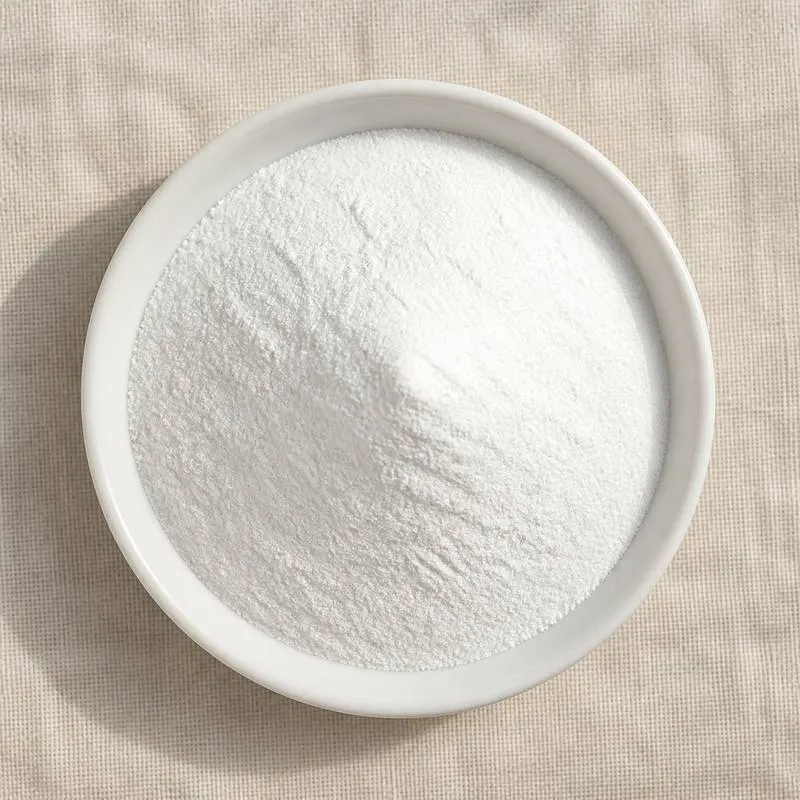
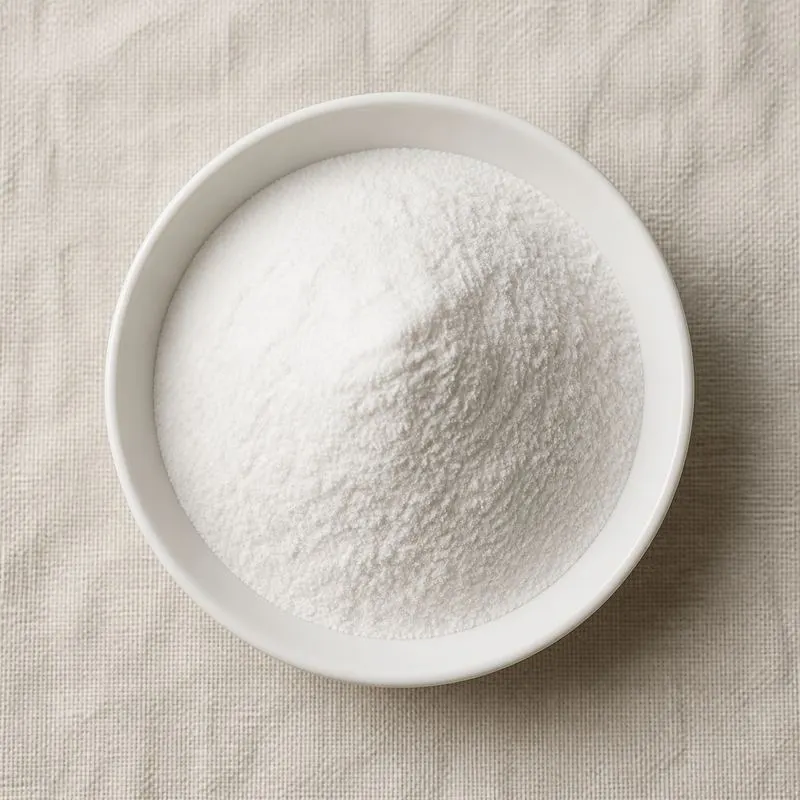
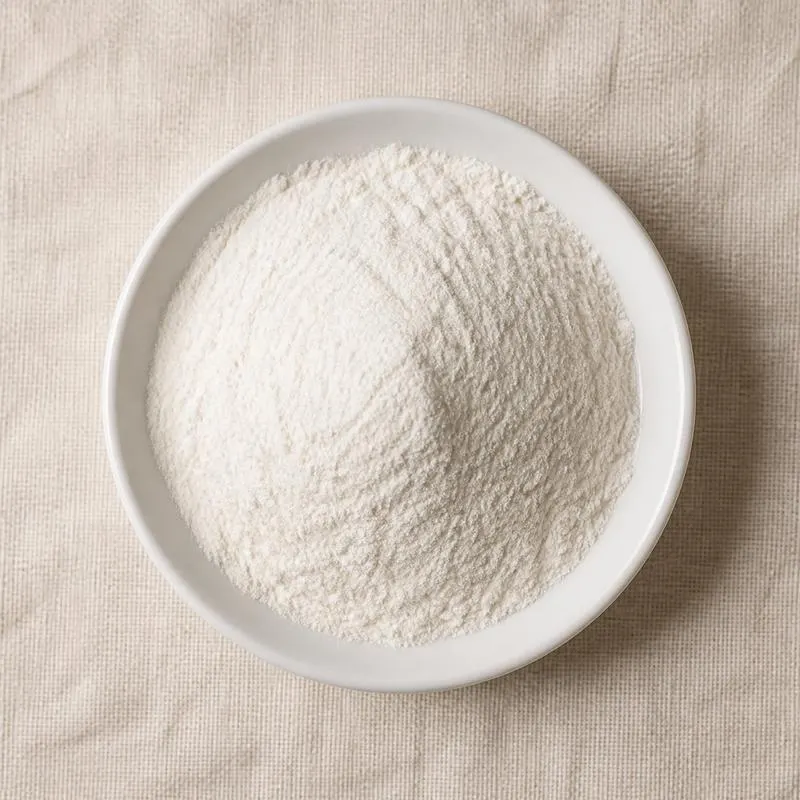
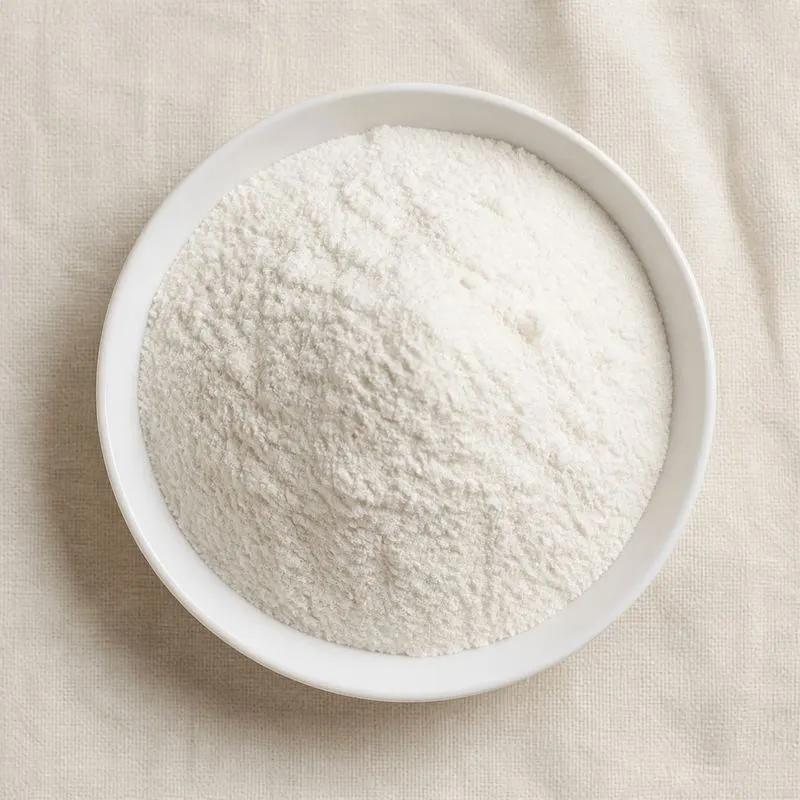
Supply is as a white to pale cream short fibre powder or floc, low in bulk density and neutral in odour and taste. It is inert across the pH range of foods, stable through baking, frying, extrusion and retort, and does not brown, so it can be carried into white crumb and light coloured coatings without visual effect. As a wheat derived ingredient it is a cereals containing gluten allergen and is declared as such, even though residual gluten is normally very low after purification.
We source bulk Wheat Fibre from top China manufacturers for our partners. The manufacturer is in Shanghai. A smaller requirement can ship in a combined container with other ingredients.
Please send the grade you need, the volume and your destination port, and we will come back with a solution and a price.
or call +86-21-6858 0751
- Function
- Dietary Fibres
Specifications
| Item | Specification |
|---|---|
| Appearance | White to pale cream fibrous powder |
| Odour and taste | Neutral, free from foreign odour |
| Total dietary fibre, dry basis | 95.0% minimum |
| Identification | Conforms by microscopy, cellulosic fibre bundles |
| Loss on drying | 8.0% maximum |
| Ash | 3.0% maximum |
| Protein | 1.0% maximum |
| Water holding capacity | 5 to 9 g water per g |
| pH, 5% suspension | 5.0 to 7.5 |
| Average fibre length | 90 micrometres nominal |
| Bulk density | 90 to 160 g/L |
| Lead | 0.5 mg/kg maximum |
| Arsenic | 0.5 mg/kg maximum |
| Microbiology | Total plate count 1,000 cfu/g maximum; yeast and mould 100 cfu/g maximum; E. coli and Salmonella absent in 25 g |
Common Markets Grades
Grades are described by fibre purity, fibre length and colour. Total dietary fibre is quoted at 90, 95 or 97 percent on a dry basis; the higher figures reflect a more thorough wash and bleach train. Fibre length is the variable that matters more in use, and is offered from coarse cuts around 200 to 300 micrometres, which give a visible fibrous texture and the highest water retention, through 90 and 60 micrometre general purpose grades, down to micronised material below 30 micrometres for beverages, fillings and smooth coatings.
Bleached grades treated with hydrogen peroxide are near white and are specified for white bread, icings, processed cheese and dairy analogues, while natural grades keep a light straw tone and are used where colour is not critical. Food grade is the standard specification, and material outside it moves into feed and technical outlets. Organic certified fibre is produced where the straw supply is certified.
Applications
- Bread and buns, where high water absorption increases dough yield and slows crumb firming
- Emulsified and reformed meat products, where the fibre binds free water and limits liquid release in the pack
- Batters and breadings, where the fibre matrix holds coating moisture and cuts oil uptake in the fryer
- Low carbohydrate and reduced calorie bakery, where it provides bulk in place of flour
- Processed cheese and cheese analogues, as an anticaking and structuring agent in shredded formats
- Sauces, fillings and soups, as a non viscous bulking agent that controls syneresis
- Gluten free formulations built on non wheat flours, where micronised fibre restores crumb body
- Extruded cereals and snacks, where it lowers net carbohydrate and moderates expansion
- Tortillas and flatbreads, where retained moisture keeps the product foldable through shelf life
- Pet food and treats, as an inert fibre used for stool bulking
China Manufacturers of Wheat Fibre
Top Wheat Fibre manufacturers in China.
Company names and logos are the property of the manufacturers themselves. They are listed here because our own directory records them as producing this ingredient. A listing is not an endorsement by them, and we do not represent them or speak on their behalf.
Regulatory Status
In the United States purified cellulosic wheat fibre is handled as a food ingredient, and grades of this type are marketed on the basis of GRAS conclusions describing the manufacturing route and intended uses; powdered cellulose itself is affirmed as generally recognised as safe under 21 CFR 182.90 and is the closest defined equivalent. For nutrition labelling, cellulose appears on the Food and Drug Administration list of isolated non digestible carbohydrates recognised as dietary fibre, so material meeting that description may be counted toward the fibre declaration. Wheat is a major food allergen under US labelling law and is declared on the finished product.
In the European Union wheat fibre is a food ingredient rather than an authorised additive and therefore carries no E number, although the closely related powdered cellulose is listed as E 460 when used for a technological purpose. It counts as dietary fibre for nutrition declaration under the food information Regulation, which also requires cereals containing gluten to be emphasised in the ingredient list. JECFA has evaluated powdered cellulose and established specifications for it, and Codex includes cellulose in the General Standard for Food Additives.
Manufacturing Process
The feedstock is baled wheat straw, sometimes supplemented with bran, which is chopped and cleaned by screening and aspiration to remove soil, chaff and grain fragments. The cleaned material is digested in a heated alkaline liquor, typically dilute sodium hydroxide, which dissolves residual starch and protein, removes waxes and extractives, and breaks the lignin bonds holding the cellulose bundles together. A hydrogen peroxide bleaching stage follows for white grades, run in the same vessel to avoid an intermediate transfer.
The digested pulp is neutralised and washed in counter current flow until residual salt and conductivity fall to specification, then dewatered through screw presses or decanter centrifuges. The press cake is dried in a flash or ring dryer and separated into fibres in an impact or jet mill, where the mill setting and the classifier speed together set the fibre length distribution quoted on the specification. Finished fibre is sifted, passed over magnets and metal detection, and packed in lined bags or compressed bales, since its low bulk density means volume rather than mass sets the packing limit.