Wheat Oligopeptides
Wheat oligopeptides are short chain peptides produced by the enzymatic hydrolysis of wheat gluten, the elastic storage protein complex left after starch is washed out of wheat flour. The peptide chains typically run from two to ten amino acid residues, with the greater part of the material below 1000 daltons, which is what separates an oligopeptide grade from a general gluten hydrolysate.
Wheat gluten is composed of gliadins and glutenins and is notable for its very high glutamine and proline content, over a third of the amino acid residues between them. That composition carries through into the peptides, so wheat oligopeptides are a concentrated source of glutamine bound in peptide form, and the abundance of proline residues limits how far ordinary endoproteases can cut the chains, which is why deamidation or specialised proline specific enzymes are used in the process.
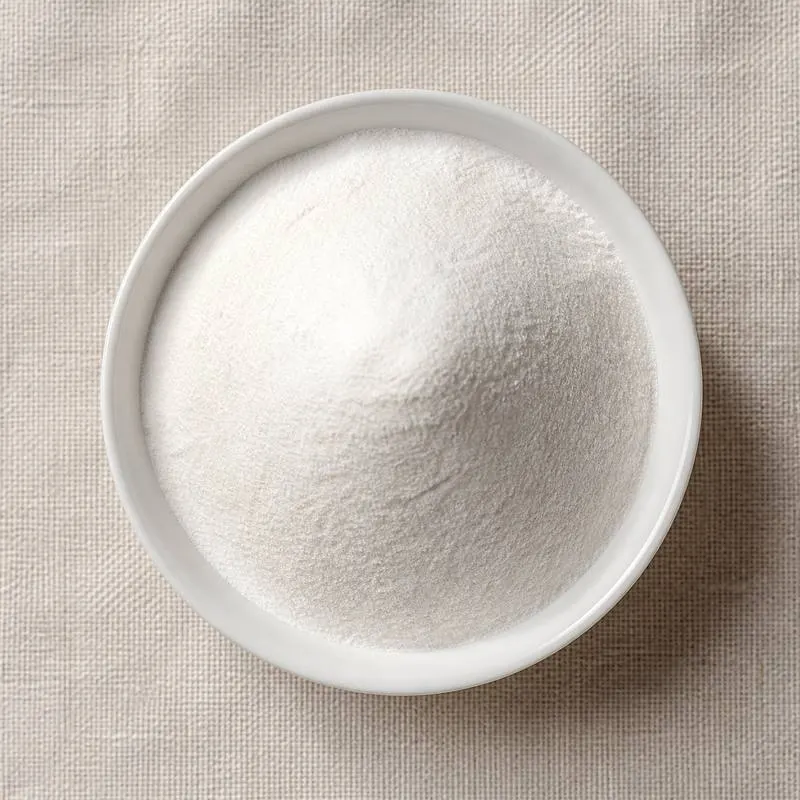
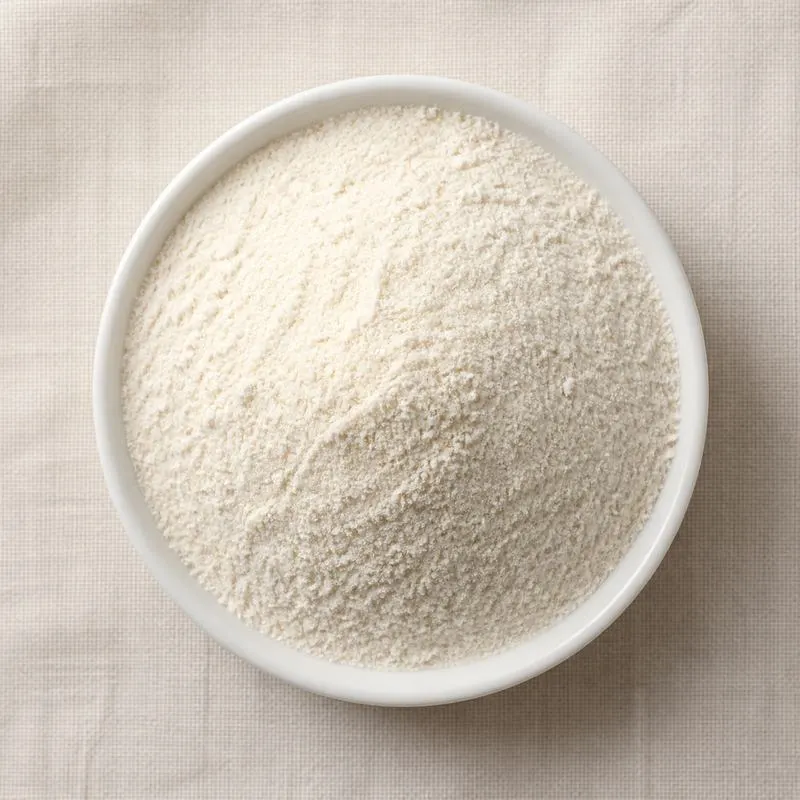
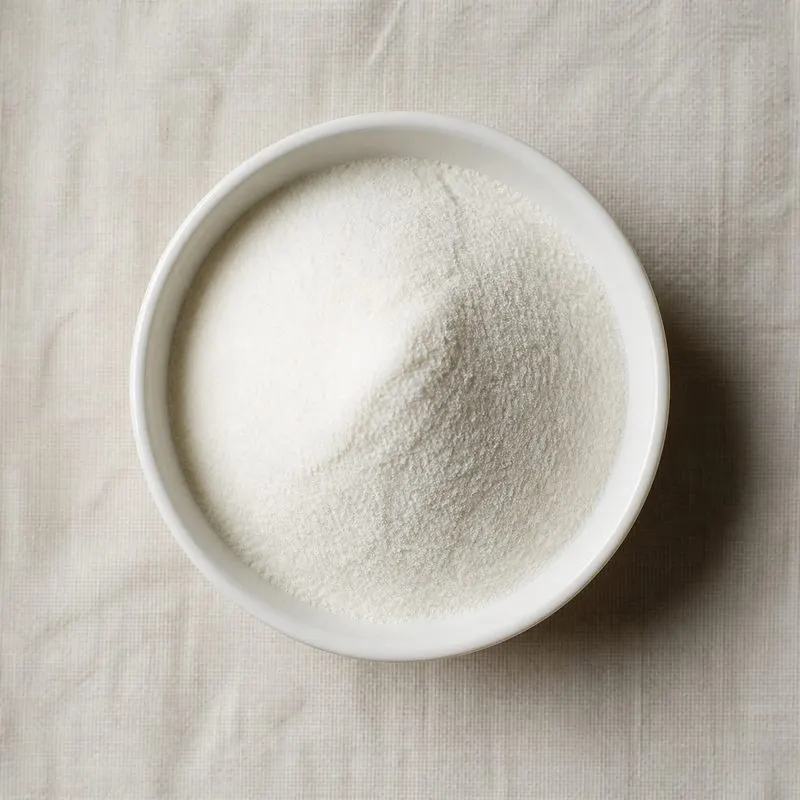
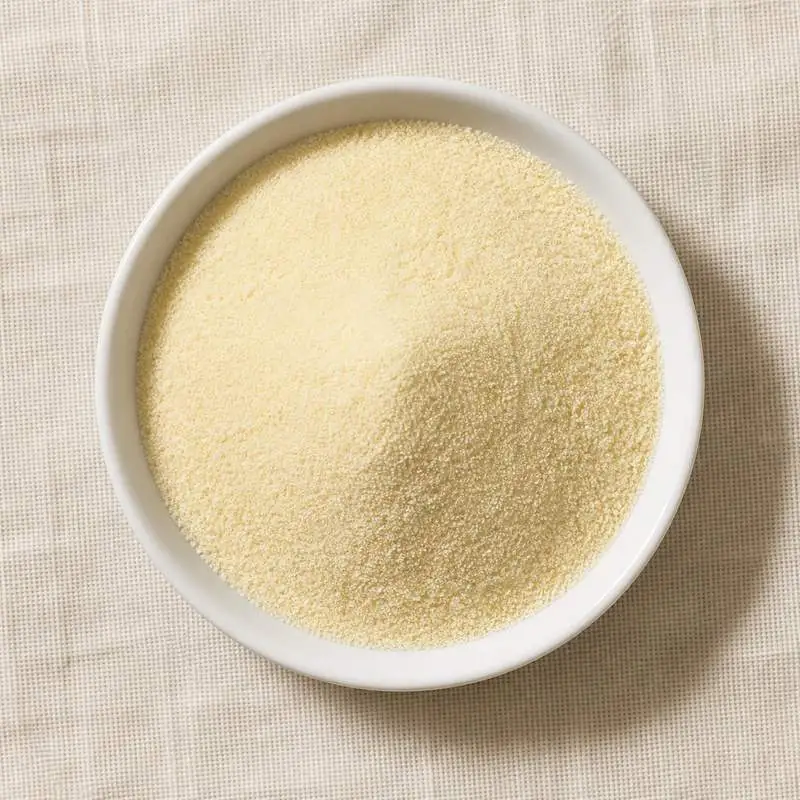
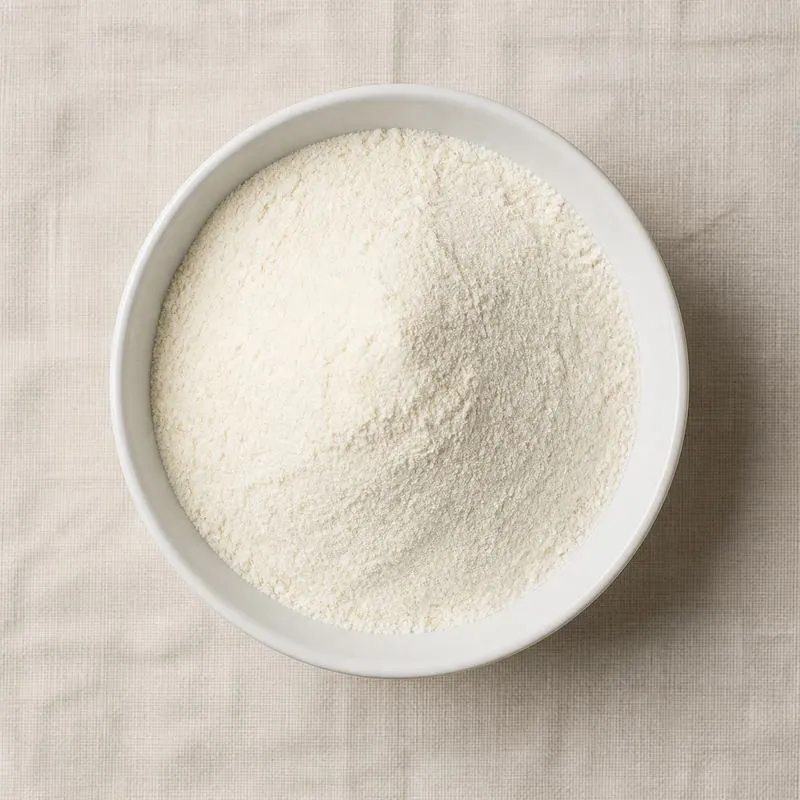
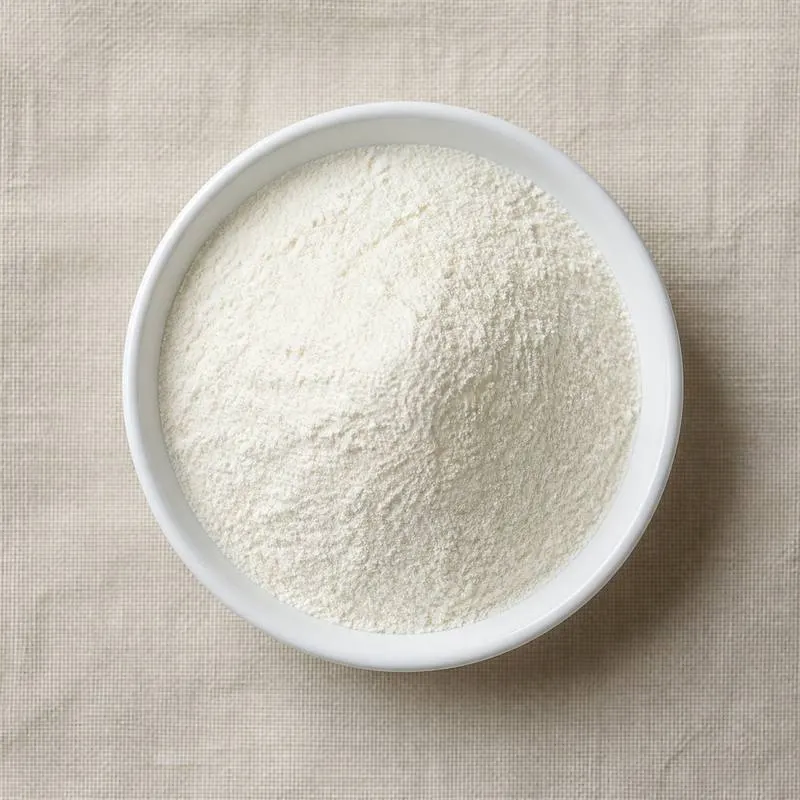
The finished material is a white to pale yellow powder. Hydrolysis converts gluten from a water insoluble viscoelastic mass into a material that dissolves completely in cold water at concentrations above 20 percent, giving a clear, low viscosity solution with no gluten network and no gelation. It is stable through pasteurisation and retort processing, holds up across the acid pH range used in beverages, and carries a mild savoury note with some residual bitterness unless the process includes a debittering stage.
We source bulk Wheat Oligopeptides from top China manufacturers for our partners. The manufacturer is in Shandong. A smaller requirement can ship in a combined container with other ingredients.
Please send the grade you need, the volume and your destination port, and we will come back with a solution and a price.
or call +86-21-6858 0751
- Function
- Protein
Specifications
| Item | Specification |
|---|---|
| Appearance | White to pale yellow fine powder |
| Odour and Taste | Mild savoury note, slightly bitter |
| Protein (dry basis) | ≥ 85.0% |
| Peptide Fraction below 1000 Da | ≥ 85.0% |
| Glutamic Acid and Glutamine | ≥ 30.0% of amino acids |
| Identification | Conforms by amino acid profile and molecular weight distribution |
| Loss on Drying | ≤ 7.0% |
| Ash | ≤ 6.0% |
| pH (1% solution) | 5.0 to 7.0 |
| Transmittance (1% solution, 450 nm) | ≥ 90% |
| Particle Size | 100% through 80 mesh |
| Lead | ≤ 0.5 mg/kg |
| Arsenic | ≤ 0.5 mg/kg |
| Deoxynivalenol | ≤ 500 µg/kg |
| Total Plate Count | ≤ 10,000 cfu/g |
| Yeast and Mould | ≤ 100 cfu/g |
| Escherichia coli | Negative in 1 g |
| Salmonella | Negative in 25 g |
Common Markets Grades
Grades are specified by peptide assay and by molecular weight cut-off. A nutrition grade is commonly 80 percent minimum protein on a dry basis with 80 percent of the peptide fraction below 1000 daltons; a refined grade runs at 90 percent protein with a tighter cut and lower free amino acid content for use in clear drinks. Glutamine or glutamic acid content is often quoted as a separate line, since it is the reason many buyers choose the material.
Beyond assay, the trade distinguishes a standard spray dried powder from a carbon treated debittered grade that is paler and closer to neutral in taste. Deamidated grades, in which glutamine residues have been partially converted to glutamic acid to raise solubility and surface activity, are traded separately again. Powders are sieved to 80 mesh, with an instantised granular version for sachets. Wheat gluten is an allergen, so residual gluten content is measured and declared, and material processed to below the 20 parts per million threshold is a distinct and more expensive product.
Applications
- Clear sports and recovery drinks, where full solubility at acid pH allows a high protein load without haze
- Glutamine positioned supplements, supplying glutamine in peptide form rather than as the free amino acid
- Capsules, tablets and stick packs in the general supplement trade
- Clinical and enteral nutrition, as a pre-digested protein fraction for compromised digestion
- Savoury seasoning and bouillon bases, where the peptides and free amino acids contribute umami and Maillard precursors
- Bakery products, where a small addition improves crust colour and softness without building a gluten network
- Nutrition bars, where the low molecular weight fraction resists the hardening seen with intact protein
- Microbiological culture media, as a plant derived peptone
- Cosmetic and hair care products, where wheat peptides are used as film formers and conditioning agents
China Manufacturers of Wheat Oligopeptides
Top Wheat Oligopeptides manufacturers in China.
Company names and logos are the property of the manufacturers themselves. They are listed here because our own directory records them as producing this ingredient. A listing is not an endorsement by them, and we do not represent them or speak on their behalf.
Regulatory Status
In the United States, wheat gluten and its hydrolysates are used as food ingredients on the basis of common use in food, and wheat gluten is listed as a GRAS substance for use in food. Enzymes applied in hydrolysis must themselves be cleared for food processing. Wheat is a major food allergen requiring declaration under the federal allergen labelling law, and any product bearing a gluten free claim must meet the FDA rule limiting gluten to below 20 parts per million, which a standard wheat oligopeptide will not satisfy unless it has been specifically processed and tested to that level.
In the European Union, wheat protein hydrolysate is a food ingredient rather than an additive and carries no E number. Cereals containing gluten are listed among the allergens that must be emphasised in the ingredient list, and the rules on gluten free and very low gluten statements set the thresholds at 20 and 100 parts per million respectively. Enzymes used in the hydrolysis fall under the EU food enzyme framework. Codex has adopted a standard for foods for special dietary use for persons intolerant to gluten, which sets the same 20 parts per million threshold, and its general principles of food hygiene apply to manufacture.
Manufacturing Process
Vital wheat gluten, recovered as a co-product of wheat starch manufacture, is the feedstock. It is dispersed in water, where it would normally form a cohesive mass, so the slurry is either acidified or treated with a deamidating enzyme or mild alkali to break up the network and raise the accessibility of the protein to proteases. The dispersion is then adjusted to the pH and temperature optimum of the chosen enzyme system.
Hydrolysis is usually run in two stages. An alkaline or neutral bacterial endoprotease makes the initial cuts, and a second stage using an exopeptidase together with a proline specific peptidase trims the fragments, breaks down the proline rich sequences that resist ordinary enzymes, and reduces bitterness. The enzymes are inactivated by heating, and undissolved residue is removed by centrifugation and microfiltration. The clarified liquor passes through ultrafiltration to set the molecular weight cut-off and, where a low gluten claim is carried, through a further membrane stage that removes residual immunoreactive fragments. Activated carbon strips colour and bitter compounds, the permeate is concentrated under vacuum, sterilised and spray dried, and the powder is sieved, assayed for residual gluten and packed.