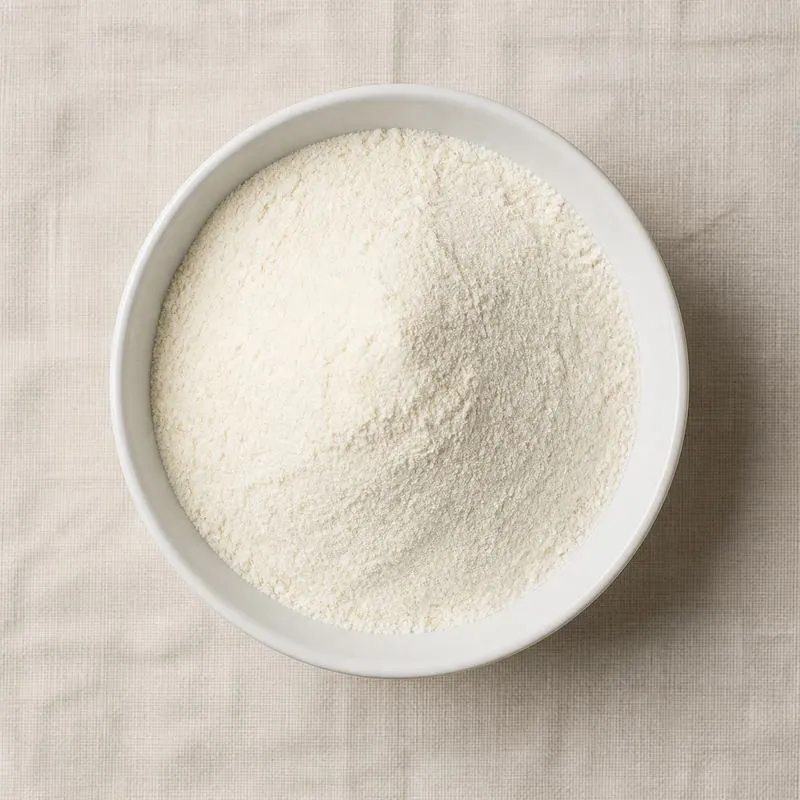
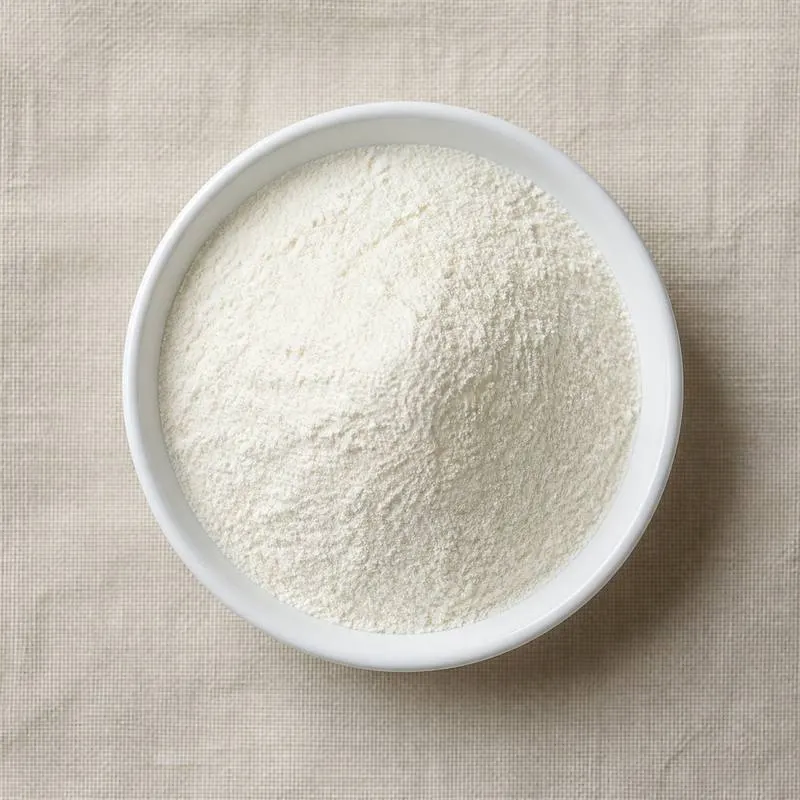
Whey Permeate
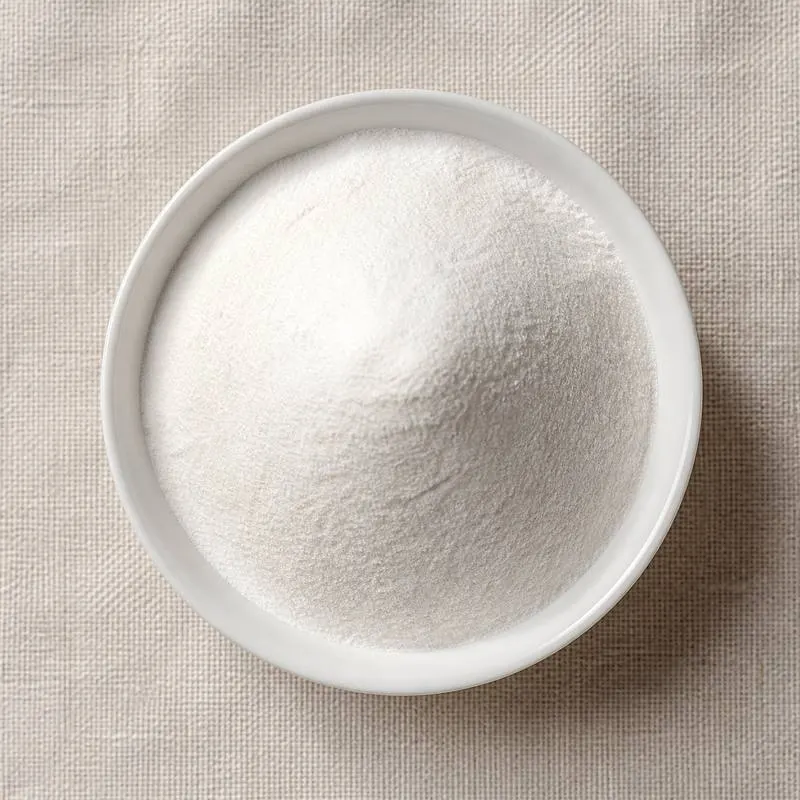
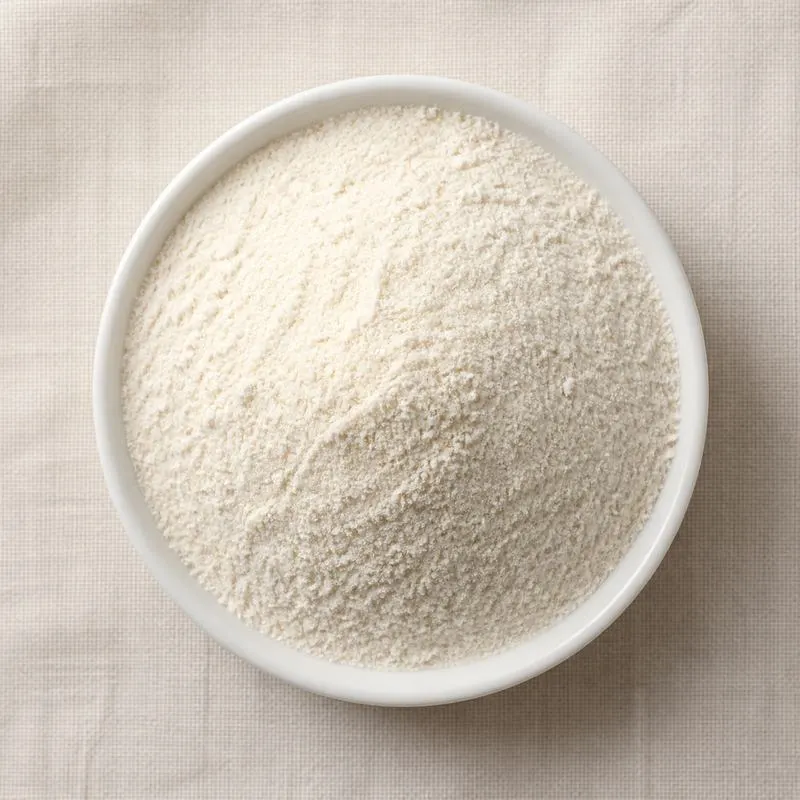
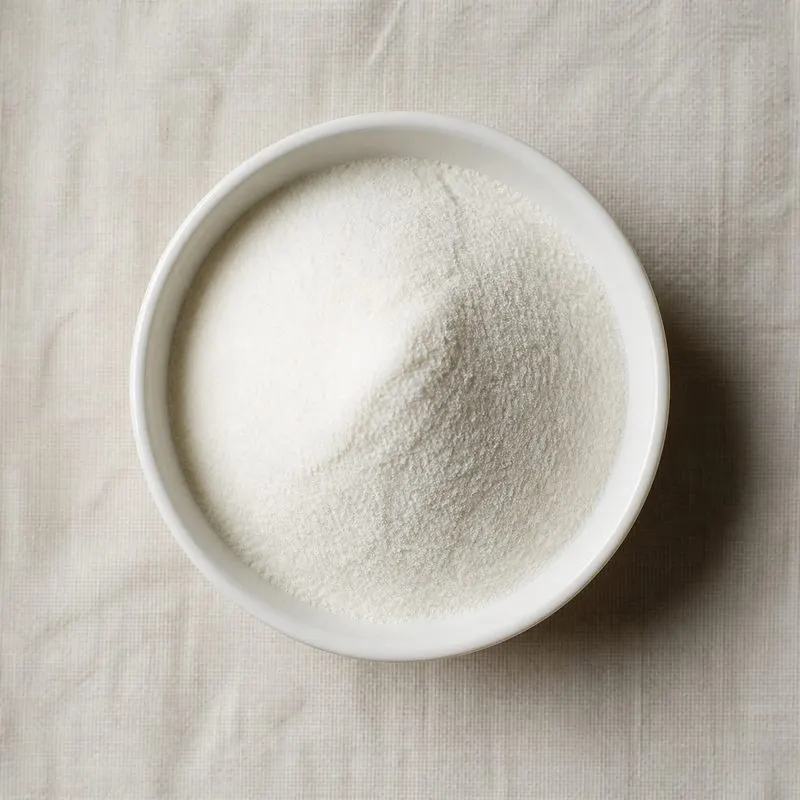
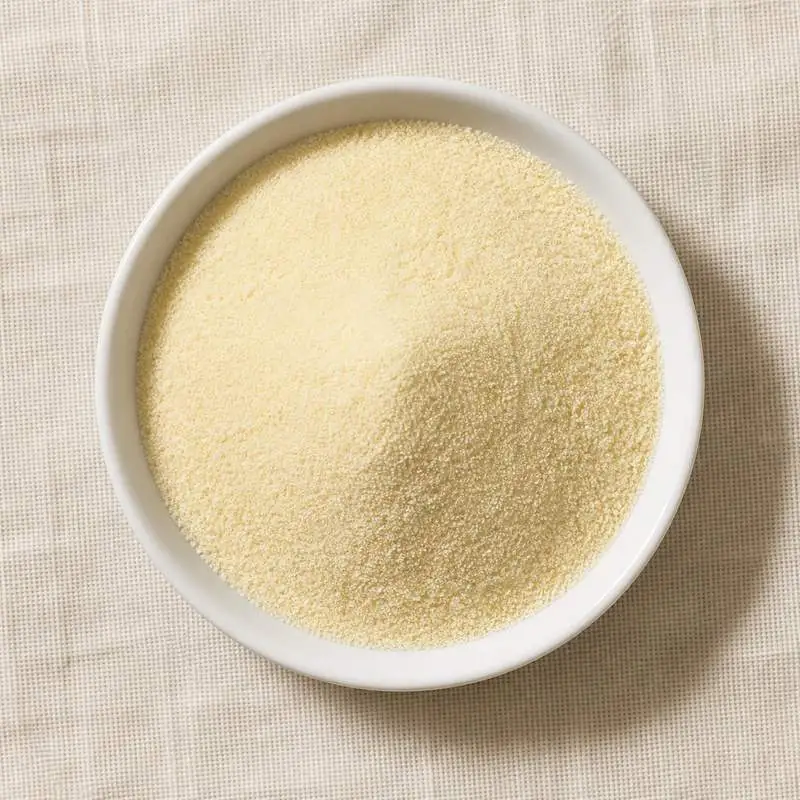
Whey Permeate is the lactose-rich liquid or dried powder recovered as the membrane-passing stream when sweet whey is fractionated by ultrafiltration or microfiltration to make whey protein concentrates and isolates.
On a dry basis it contains roughly 60 to 90 percent lactose, 8 to 12 percent minerals, and only 3 to 5 percent residual protein. It is also called dairy product solids or deproteinized whey in some markets.
or call +86-21-6858 0751
- Packaging
- 25 kg kraft paper bag with PE inner liner
- ISO 9001
- HACCP
- Halal
- Kosher
Specifications
| Item | Specification |
|---|---|
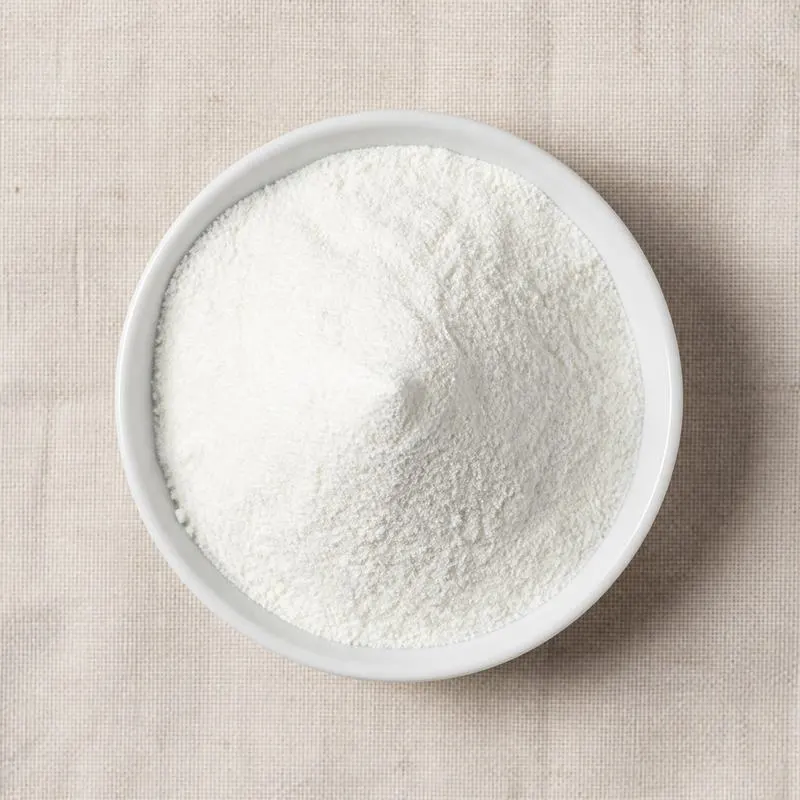
| Appearance | White to cream free-flowing powder |
| Lactose | ≥76% |
| Protein (N×6.38) | ≤5% |
| Fat | ≤1.5% |
| Ash (minerals) | 8–10% |
| Moisture | ≤5.0% |
| pH (10% sol.) | 6.0–6.8 |
| Heavy Metals (as Pb) | ≤2 mg/kg |
| Total Plate Count | ≤30,000 cfu/g |
| Coliforms | Negative in 0.1g |
| Salmonella | Absent in 25g |
Common Markets Grades
Four grades of Whey Permeate trade: food, demineralized, feed, and fermentation.
Food-grade dried permeate is the dominant commercial format. It is spray- or roller-dried to a free-flowing cream-coloured powder with around 76 to 85 percent lactose and is used in bakery, confectionery, sauces, and dairy blends.
Demineralized permeate is further processed by electrodialysis, ion exchange, or nanofiltration to drop the ash content to 30 percent (D30), 50 percent (D50), 70 percent (D70), or 90 percent (D90). The higher demineralization grades are used in infant nutrition.
Feed-grade permeate carries a less tight specification and goes to piglet and calf milk replacers in dried or condensed form.
Fermentation-grade permeate, often a condensed liquid, is fed to industrial fermentation plants making ethanol, bioplastics, or single-cell protein.
Applications
- Bakery as a partial replacer for non-fat dry milk in breads, rolls, and sweet goods
- Confectionery toffees, fudges, and caramels for browning and texture
- Chocolate compound coatings and milk-chocolate cost optimisation
- Dry seasoning blends, soup bases, and gravy mixes for body and Maillard development
- Processed cheese and cheese-sauce systems as a flavour and solids carrier
- Infant formula and follow-on formula in demineralized form
- Ice cream and frozen-dessert mixes for total solids and texture
- Dairy-blend powders and recombined sweetened condensed milk
- Animal feed for piglets, calves, and lambs in milk replacers
- Pet food palatant and humectant base
- Fermentation feedstock for lactic acid, ethanol, single-cell protein, and bioplastics
- Lactose crystallisation feedstock for refined edible and pharmaceutical lactose
How We Help Source Whey Permeate
Direct Factory Sourcing
We run the whole process: selecting the manufacturer from the top Chinese food ingredient producers, negotiating the price, verifying quality, and coordinating the logistics. You deal with us instead of with several factories at once.
Original Packaging and Documents from the Manufacturer
The manufacturer sends your Whey Permeate out of its own factory in the original packing, through to your destination port. The COA, COO, MSDS, TDS and any certifications reach you from the manufacturer as well.
Free Samples and Lead Time
We send 100 to 500 g free for your own laboratory to test and you cover only the courier, usually within 2 to 3 working days. ETD is usually within 7 to 15 days once the order is confirmed, and we check that date against the factory's own manufacturing schedule before we give it to you.
Combined Shipment
We can load Whey Permeate together with other ingredients such as Collagen Peptide, Soy Protein Isolate and Fish Collagen Peptide into one 20' FCL. If your quantity is small, we can also ship LCL.
Regulatory Status
Whey Permeate is recognised as a safe dairy-derived ingredient worldwide.
In the United States the FDA permits its use under the broader GRAS recognition of whey and modified whey products. The dried form is commonly labelled as dairy product solids, deproteinized whey, or whey permeate.
Codex Alimentarius covers it within the whey products standard CODEX STAN 289-1995. Compositional specifications align with national dairy regulations in Australia, New Zealand, and the European Union.
The European Union allows whey permeate as a food ingredient and as a feed material with EU feed catalogue entries. Use in infant formula is limited to demineralized grades meeting the ash and contaminant limits of Regulation (EU) 2016/127.
Milk allergen labelling is mandatory in all major jurisdictions. Lactose-content declarations and lactose-free claims are regulated separately by market.
Manufacturing Process
Whey Permeate is generated continuously as the byproduct stream when sweet whey is processed for protein recovery.
Fresh sweet whey from cheese manufacture is clarified, separated, and pasteurised. It then enters a spiral-wound ultrafiltration loop with a 10 kDa cut-off, where proteins are retained as concentrate and water, lactose, minerals, vitamins, and small peptides cross the membrane as permeate.
The permeate stream is concentrated by reverse osmosis to remove the bulk of the water and reach 25 to 35 percent solids. Vacuum evaporation then takes it up to roughly 55 to 65 percent solids, the typical feed for spray drying.
Pre-crystallisation is critical. The hot concentrate is slowly cooled in stirred crystallisers with seeding to convert a high fraction of the lactose to alpha-monohydrate crystals. This step controls the stickiness of the dried powder.
The crystallised concentrate is then dried in a spray dryer with an external fluid bed, sieved, and packed. Demineralization steps are inserted upstream of the evaporator for D-grade permeates.