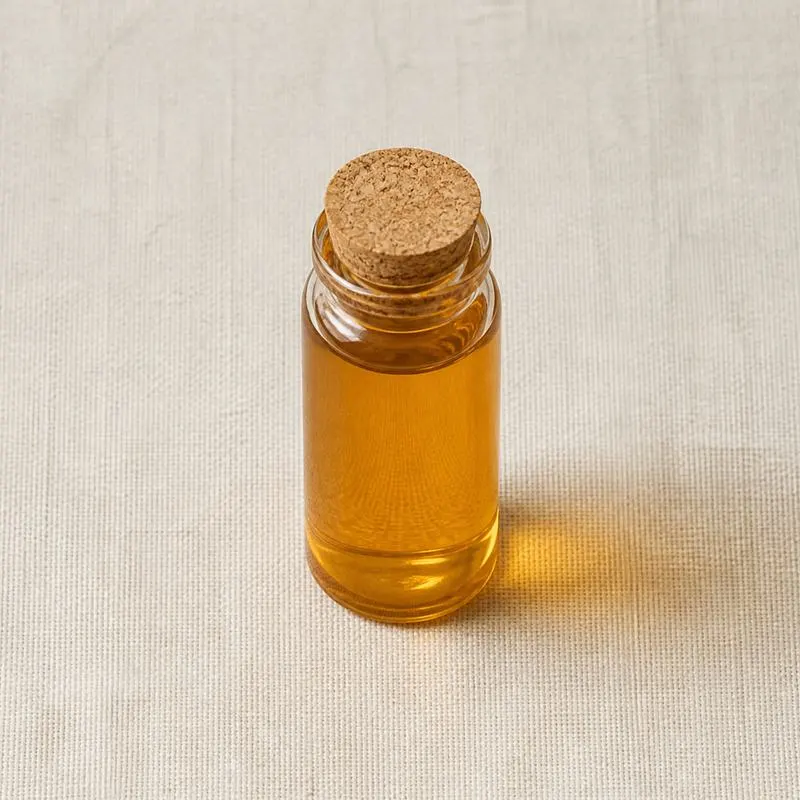
Fresh Sweet
Fresh Sweet is a compound taste enhancer of the type marketed in the Chinese seasoning trade under the name xian tian, meaning fresh and sweet. It is a blend rather than a single substance, built to raise savoury intensity and rounded sweetness at the same time so that a formulator can replace part of a sugar and monosodium glutamate addition with one ingredient. The usual construction combines monosodium glutamate or yeast extract with disodium inosinate and disodium guanylate for the umami fraction, the sweet tasting amino acids glycine and alanine, and a carbohydrate sweetener such as dextrose or a small load of a high intensity sweetener.
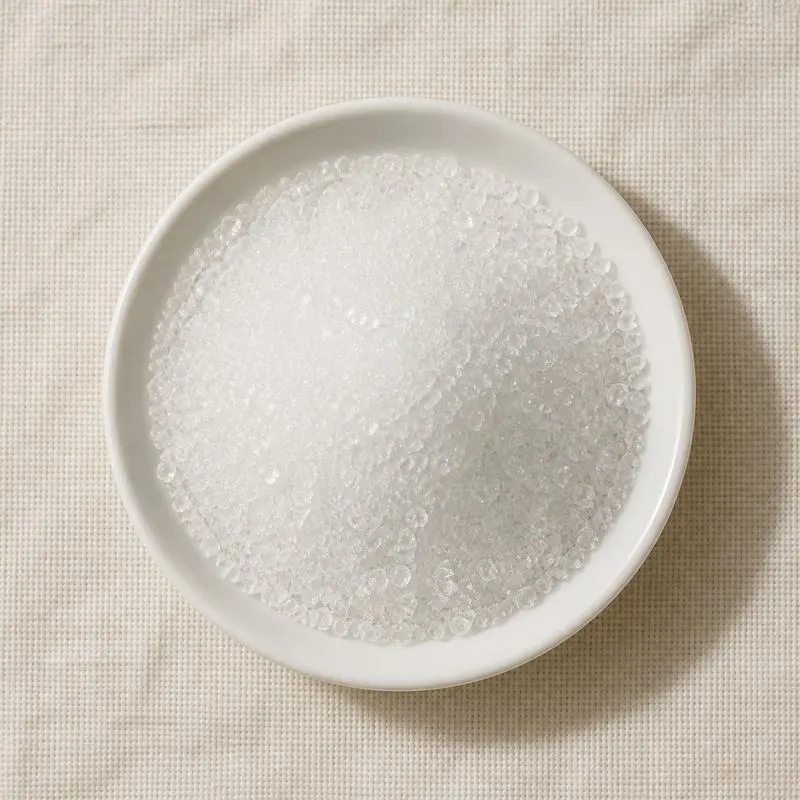
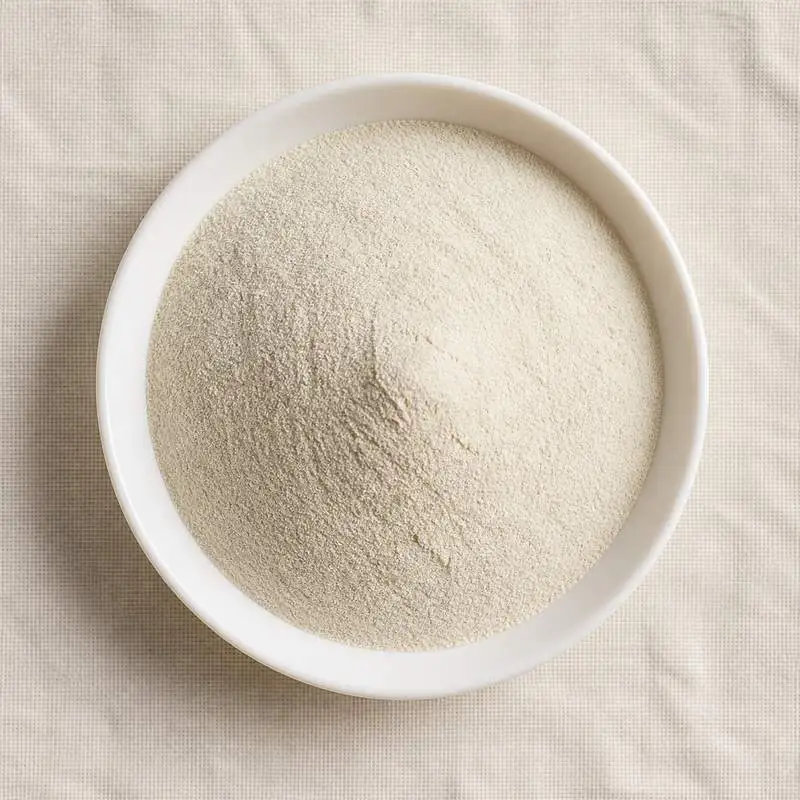
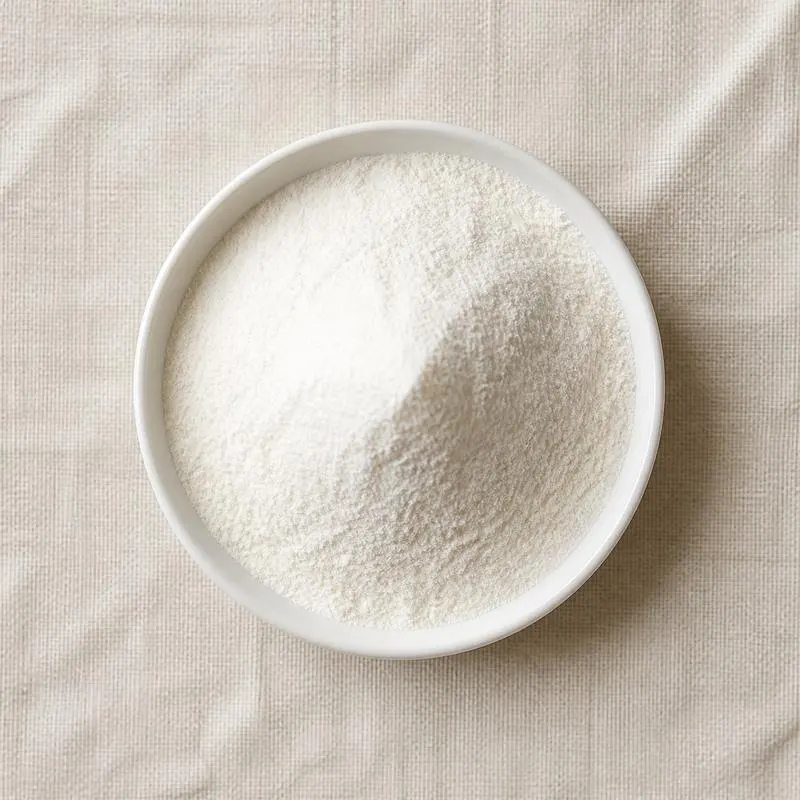
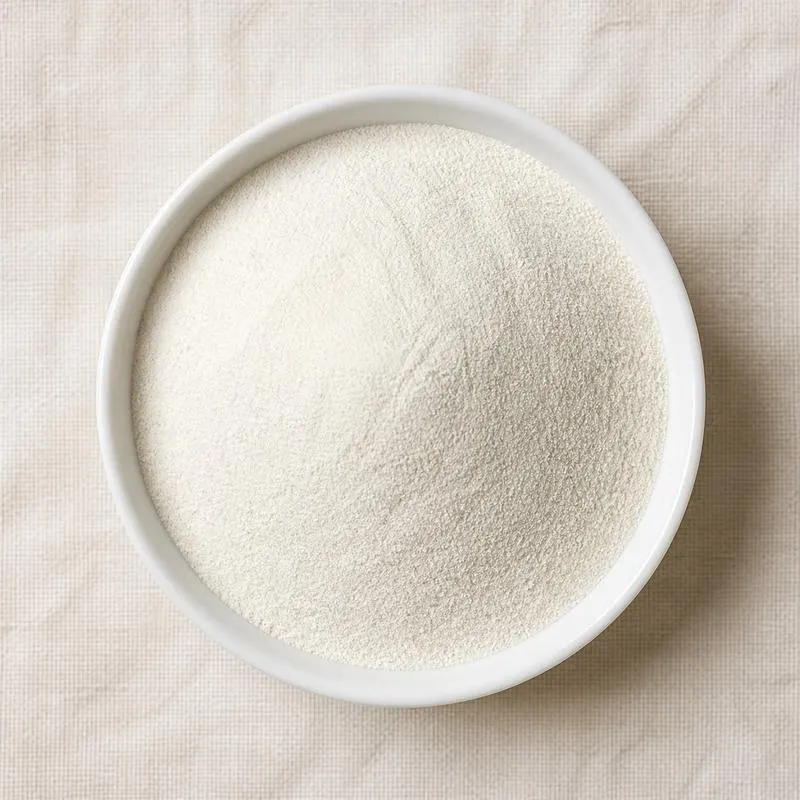
It is a white to pale cream free flowing powder or fine crystal, fully water soluble at normal use rates. Because the ribonucleotides act multiplicatively with glutamate rather than additively, the blend delivers more perceived umami per unit weight than glutamate alone, which is the reason it is dosed at low levels, typically between 0.1 and 0.5 percent of the finished food. The powder is hygroscopic and cakes if stored warm and humid.
We source bulk Fresh Sweet from top China manufacturers for our partners. The manufacturer is in Zhejiang. A smaller requirement can ship in a combined container with other ingredients.
Please send the grade you need, the volume and your destination port, and we will come back with a solution and a price.
or call +86-21-6858 0751
- Function
- Flavours and Aromas
Specifications
| Item | Specification |
|---|---|
| Appearance | White to pale cream free-flowing powder or fine crystal |
| Odour and Taste | Characteristic savoury-sweet; free from off odour |
| Total Nucleotides (I + G) | ≥ 8.0% (declared per grade) |
| Monosodium Glutamate | ≥ 20.0% (standard grade); absent in MSG-free grades |
| Sweet Amino Acids (Glycine + Alanine) | ≥ 10.0% |
| Loss on Drying (105 °C, 2 h) | ≤ 2.0% |
| pH (1% solution, 25 °C) | 6.0 - 7.5 |
| Solubility | Freely soluble in water; solution clear and free from sediment |
| Transmittance (5% solution, 430 nm) | ≥ 95% |
| Particle Size | ≥ 95% through 40 mesh |
| Sulfated Ash | ≤ 0.5% (anticaking-free grades) |
| Lead | ≤ 1 mg/kg |
| Arsenic | ≤ 0.5 mg/kg |
| Total Plate Count | ≤ 10,000 cfu/g |
| Salmonella | Negative/25g |
Common Markets Grades
Grades differ mainly in the ratio of the umami fraction to the sweet fraction and in whether monosodium glutamate is present. MSG free grades build the savoury side from yeast extract and nucleotides alone and are specified where the label must not carry glutamate as an added ingredient. Standard grades use monosodium glutamate as the bulk of the umami load and are the cheaper option.
Beyond that, buyers specify the combined nucleotide level as I plus G, the sweetener system used, the particle size for dry blending against solubility, and whether an anticaking agent is included. Non GMO, halal, kosher and vegetarian declarations are routine on the yeast extract based grades.
Applications
- Soup and bouillon powders, where it lifts savoury intensity while smoothing the salt edge
- Snack seasoning dusts, replacing part of the sugar and glutamate load with a single addition
- Instant noodle seasoning sachets, contributing both umami and a rounded sweetness on reconstitution
- Soy sauce and liquid condiments, standardising the fresh sweet balance between batches
- Processed meat such as sausage and ham, where the amino acid fraction softens the salt perception
- Pickles and preserved vegetables, balancing acidity with sweetness and savoury depth
- Reduced salt formulations, where the nucleotide fraction offsets the loss of saltiness
- Plant based meat analogues, masking legume protein off notes while building savoury character
- Dipping sauces and dressings sold to catering
- Marinades for poultry and pork, where solubility allows even distribution during tumbling
China Manufacturers of Fresh Sweet
Top Fresh Sweet manufacturers in China.
Company names and logos are the property of the manufacturers themselves. They are listed here because our own directory records them as producing this ingredient. A listing is not an endorsement by them, and we do not represent them or speak on their behalf.
Regulatory Status
In the United States the blend is regulated as a mixture of its components rather than as a single additive. Monosodium glutamate is affirmed as generally recognised as safe under 21 CFR 182.1, disodium inosinate and disodium guanylate are recognised flavour enhancers, glycine and alanine are established food ingredients, and yeast extract is a food. Each component is declared under its common name in the ingredient statement, and any high intensity sweetener present carries its own clearance and labelling requirements.
In the European Union the enhancer components carry E numbers under Regulation (EC) No 1333/2008, monosodium glutamate as E 621, disodium guanylate as E 627 and disodium inosinate as E 631, each with defined conditions of use by food category. Yeast extract is treated as a food and declared by name. Codex has adopted general standards covering the same enhancers, and JECFA has evaluated the glutamates and the ribonucleotides. Where the yeast or fermentation substrate introduces a cereal or soy derived component, allergen declaration applies in both jurisdictions.
Manufacturing Process
The components are produced separately and then blended. Monosodium glutamate and the sweet amino acids glycine and alanine are made by bacterial fermentation of a starch or molasses derived sugar, followed by ion exchange recovery, crystallisation, centrifugation and drying. The ribonucleotides are produced either by fermentation using a purine producing strain or by enzymatic hydrolysis of yeast ribonucleic acid, then purified and crystallised. Yeast extract is produced by growing Saccharomyces cerevisiae on molasses, autolysing or enzymatically hydrolysing the harvested cream, separating the cell wall and spray drying the soluble fraction.
Compounding takes place in a ribbon or plough share mixer under controlled humidity, where the crystalline and powdered components are weighed to formula and blended to a specified homogeneity. Particle size matching between components matters, since a large difference causes segregation during handling. Granular grades pass through a fluid bed agglomerator to build particle size and improve dispersion. The blend is sieved, metal detected and filled into moisture barrier lined bags.