White Tomato Seed Oil
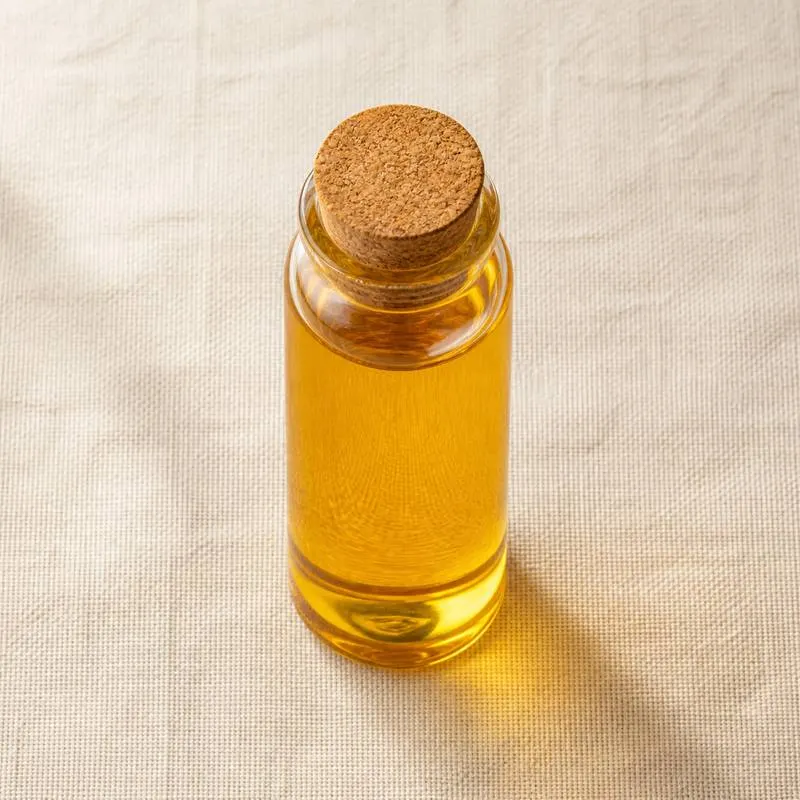
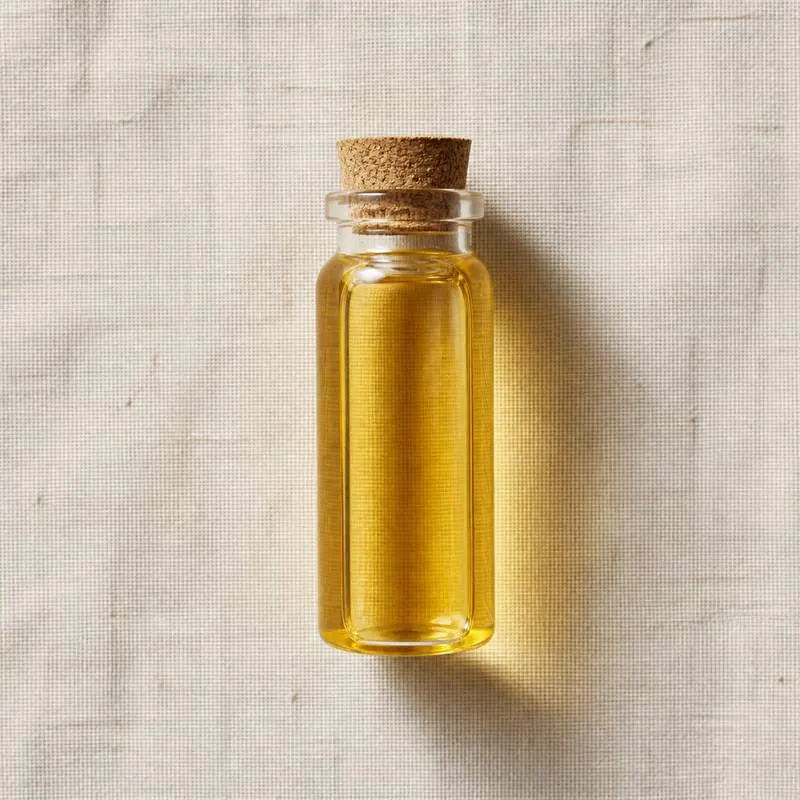
White tomato seed oil is the fixed oil pressed from the seeds of pale-fruited tomato cultivars of Solanum lycopersicum. The seed is recovered from the pomace left after juicing and paste production. Unlike the deep red seed oil taken from ordinary processing tomatoes, oil from white and cream-fruited varieties carries almost no lycopene, so it is a pale yellow to light golden liquid and does not tint the product it is added to. The colourless carotenoid precursors phytoene and phytofluene are present instead.
The fatty acid profile is dominated by linoleic acid at roughly 50 to 56 percent, with oleic acid around 20 to 25 percent and palmitic acid near 13 percent. The unsaponifiable fraction carries tocopherols and phytosterols, chiefly beta-sitosterol, which give the oil moderate oxidative resistance for a polyunsaturated seed oil.
It is a lipid-soluble ingredient, insoluble in water, and is used cold or emulsified rather than as a frying medium. Its main commercial demand is in nutricosmetics and skin care, where the pale colour and light non-greasy feel matter, with a smaller trade as a culinary and supplement oil.
We source bulk White Tomato Seed Oil from top China manufacturers for our partners. The manufacturer is in Jiangsu. A smaller requirement can ship in a combined container with other ingredients.
Please send the grade you need, the volume and your destination port, and we will come back with a solution and a price.
or call +86-21-6858 0751
- Function
- Nutraceutical
Specifications
| Item | Specification |
|---|---|
| Appearance | Clear pale yellow oil, free from sediment at 20 degrees C |
| Odour | Bland to faint seed note, free from rancidity |
| Linoleic acid | 48.0 to 58.0 percent of total fatty acids |
| Oleic acid | 18.0 to 27.0 percent of total fatty acids |
| Free fatty acid | 1.0 percent maximum as oleic acid |
| Peroxide value | 5.0 meq/kg maximum |
| Moisture and volatile matter | 0.1 percent maximum |
| Unsaponifiable matter | 2.0 percent maximum |
| Refractive index at 20 degrees C | 1.469 to 1.474 |
| Iodine value | 110 to 128 g I2/100 g |
| Colour (Lovibond 1 inch cell) | Red 1.5 maximum |
| Lead | 0.1 mg/kg maximum |
| Arsenic | 0.1 mg/kg maximum |
| Residual hexane | 1.0 mg/kg maximum where solvent extracted |
Common Markets Grades
The trade splits on refining. Cold pressed unrefined oil keeps the tocopherols, the faint tomato-seed note and a slightly deeper colour, and is bought for supplements and natural cosmetic lines. Refined, bleached and deodorised oil is close to water white and odourless, and is preferred where the oil goes into a delicate emulsion or a neutral food matrix. Solvent extracted oil is also produced from spent pomace and is refined before sale.
Buyers otherwise specify on free fatty acid and peroxide value, since seed recovered from wet pomace deteriorates fast if it is not dried promptly, and on colour measured on a Lovibond scale, which is the practical way of confirming that the lot really is from a pale cultivar rather than a decolourised red-tomato oil. Organic certified and cosmetic-grade filtered lots are offered, and a small quantity is sold in powdered form on a carrier for dry blending.
Applications
- Nutricosmetic softgels and beauty-from-within drinks, where a colourless carotenoid-bearing oil is wanted
- Skin care emulsions and facial oils, used as a light emollient that absorbs without a heavy residue
- Hair and scalp treatments, where the linoleic acid content is the functional claim
- Salad dressings and cold sauces, where a mild seed oil is used unheated
- Nutritional oil blends, contributing linoleic acid and phytosterols without adding colour
- Carrier oil for oil-soluble actives and flavours in clear or pale formulations
- Infant and speciality food fats in blends requiring a neutral, low-colour lipid
- Encapsulated oil powders for dry beverage and bar applications
China Manufacturers of White Tomato Seed Oil
Top White Tomato Seed Oil manufacturers in China.

Company names and logos are the property of the manufacturers themselves. They are listed here because our own directory records them as producing this ingredient. A listing is not an endorsement by them, and we do not represent them or speak on their behalf.
Regulatory Status
Tomato seed oil is a conventional vegetable oil rather than an additive. In the United States it is used as a food and as a dietary ingredient without a specific food additive clearance, and it is also an established cosmetic ingredient with an INCI name based on Solanum lycopersicum seed oil. Producers work under the preventive controls framework, and where the oil comes from processing by-product the relevant controls are drying time and storage temperature to hold peroxide value down.
In the European Union the oil is a food and carries no E number. Where a producer wishes to place it on the market as a food it must be able to show a history of consumption in the Union before May 1997 or seek authorisation under the novel food framework, a point worth confirming for oils from unusual cultivars. Cosmetic use falls under the cosmetic products regulation with the ingredient listed by its INCI name. Codex has no specific standard for tomato seed oil; the general Codex standard for named and other vegetable oils, together with the general provisions on contaminants, is what applies in practice.
Manufacturing Process
Seed arrives as a by-product of tomato processing. Wet pomace from the juice or paste line is separated into skin and seed fractions on a pulper and screen, and the seed is washed free of adhering pulp, then dried quickly in warm air to a moisture of about 6 to 8 percent, because damp oily seed heats and goes rancid within a day or two. Dried seed is cleaned, dehulled where the process calls for it, and flaked or cracked to open the cells.
Oil is recovered by cold screw pressing at moderate temperature for the unrefined grade, giving crude oil and a protein-rich press cake, with hexane extraction of the cake where full recovery is wanted. Crude oil is settled, filtered and, for the refined grade, degummed, neutralised with caustic to remove free fatty acids, bleached over activated earth and deodorised under vacuum. Winterisation is often applied so the oil stays clear when chilled. The finished oil is polish filtered and filled under nitrogen away from light.