Winemaking Yeast
Winemaking yeast is a preparation of selected Saccharomyces cerevisiae strains, and in some products Saccharomyces bayanus or non-Saccharomyces species used as co-inoculants, sold for the alcoholic fermentation of grape must and other fruit. The organism converts glucose and fructose to ethanol and carbon dioxide, and in doing so generates the esters, higher alcohols, thiols and glycerol that make up a large part of the aroma and mouthfeel of the finished wine.
Strain selection is a formulation decision rather than a commodity purchase, because strains differ measurably in alcohol tolerance, fermentation temperature range, nitrogen demand, foaming, hydrogen sulphide production, the release of varietal thiol and terpene aroma from their bound precursors, and the volatile acidity they leave behind.
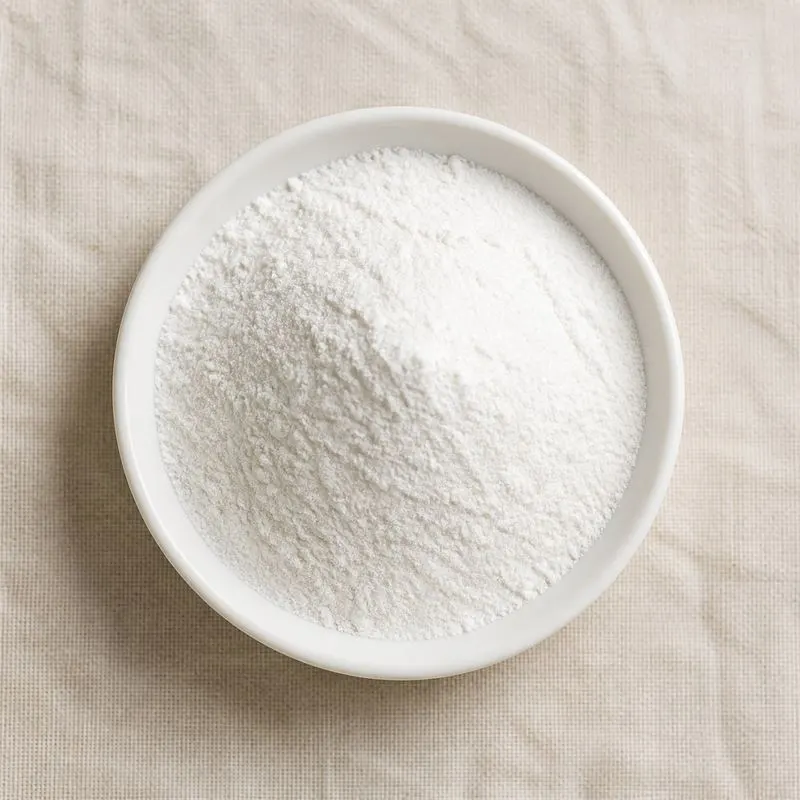
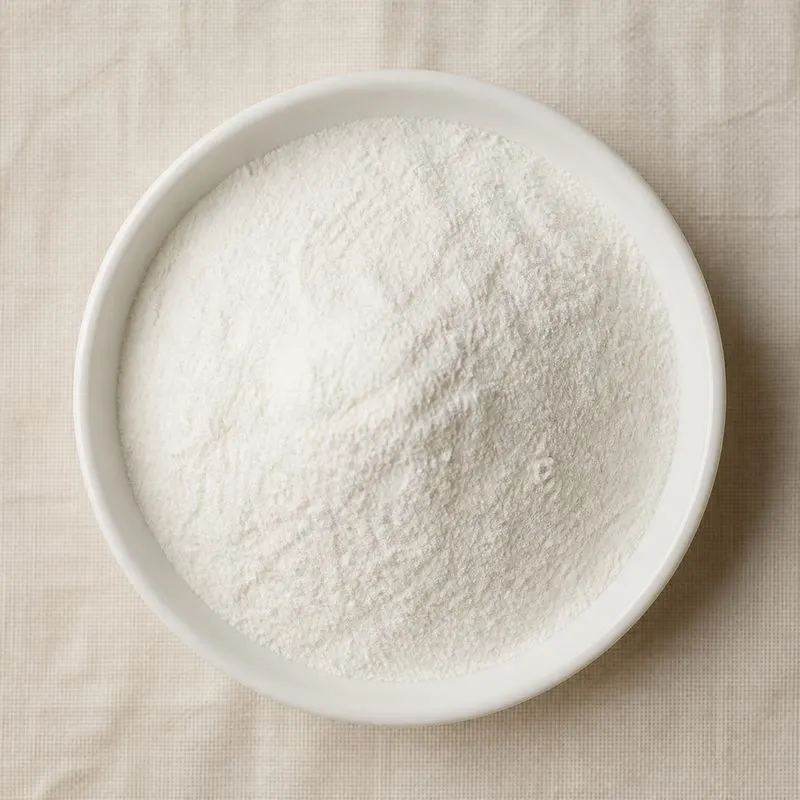
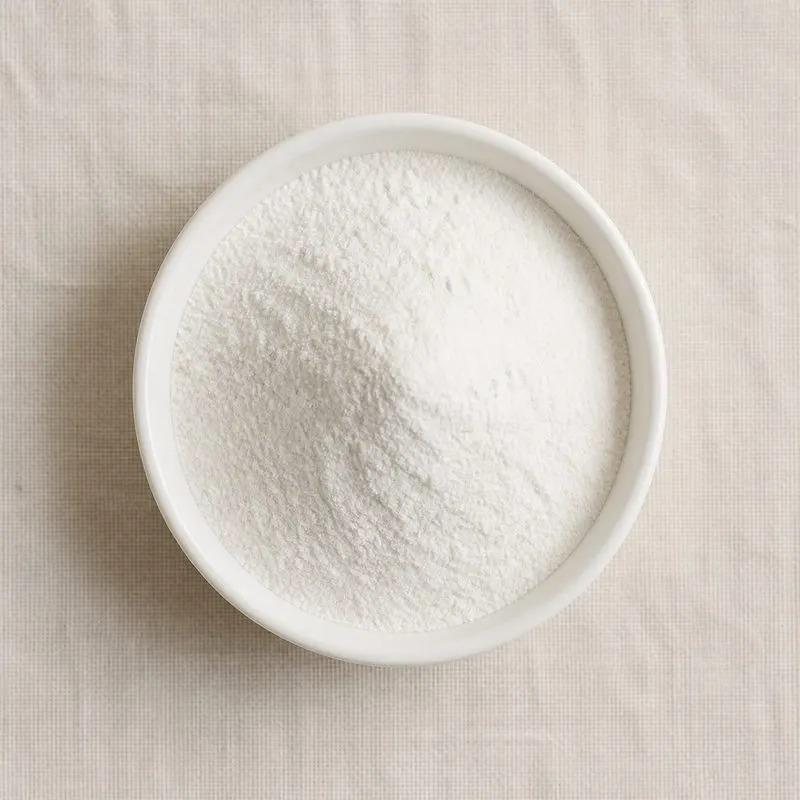
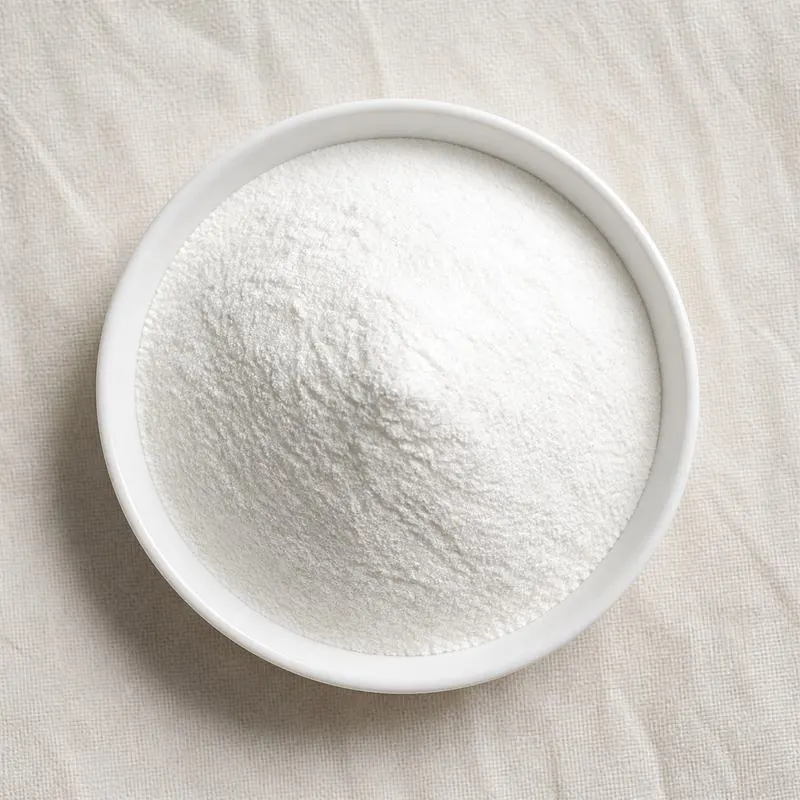
The dominant commercial form is active dry yeast, a pale beige free flowing granule or vermicelli shaped particle at 5 to 8 percent moisture, packed under vacuum or nitrogen in foil laminate and typically declared at 10 to 30 billion viable cells per gram. It is rehydrated in warm water, often with a rehydration nutrient, before being pitched into the must, since dry yeast added directly to cold, high sugar juice suffers heavy cell mortality. A compressed fresh cream yeast is also traded for large wineries with the cold storage to handle it.
We source bulk Winemaking Yeast from top China manufacturers for our partners. The manufacturer is in Hubei. A smaller requirement can ship in a combined container with other ingredients.
Please send the grade you need, the volume and your destination port, and we will come back with a solution and a price.
or call +86-21-6858 0751
- Function
- Probiotic
Specifications
| Item | Specification |
|---|---|
| Appearance | Pale beige free flowing granules or vermicelli particles |
| Odour | Characteristic yeasty, free from putrid or mouldy notes |
| Viable Cell Count | ≥ 10 billion CFU/g |
| Identification | Saccharomyces cerevisiae confirmed by molecular typing |
| Moisture | ≤ 8.0% |
| Fermentation Activity | Complete fermentation of standard must within specified time |
| Wild Yeast | ≤ 1,000 CFU/g |
| Lactic Acid Bacteria | ≤ 100,000 CFU/g |
| Acetic Acid Bacteria | ≤ 10,000 CFU/g |
| Mould | ≤ 1,000 CFU/g |
| Lead | ≤ 2.0 mg/kg |
| Arsenic | ≤ 3.0 mg/kg |
| Coliforms | ≤ 100 CFU/g |
| E. coli | Absent in 1 g |
| Salmonella | Absent in 25 g |
Common Markets Grades
Trade material divides first by strain, which is the whole basis of the offer, and then by form, active dry yeast or liquid cream yeast. Active dry yeast is the standard, since it needs no refrigeration and holds viability for around two years under vacuum, while cream yeast is dosed by volume and requires a cold chain.
Beyond the pure culture, three related products share the shelf. Yeast derivatives, meaning inactivated yeast, yeast hulls and specific inactivated yeast preparations, are added for nitrogen supply, to adsorb inhibitory fatty acids or to release mannoproteins that soften a wine. Malolactic bacteria, principally Oenococcus oeni, are sold alongside for the secondary fermentation. Rehydration and fermentation nutrients based on diammonium phosphate, thiamine and inactivated yeast complete the range. Organic certified strains produced on organic substrate are available for certified wine production.
Applications
- Primary alcoholic fermentation of red and white grape must, the core application
- Sparkling wine second fermentation in bottle or tank, using strains selected for alcohol and pressure tolerance
- Restarting stuck fermentations, using high alcohol tolerance strains acclimatised in stages
- Aromatic white varieties, where strains are chosen for their ability to liberate bound thiol and terpene precursors
- Fruit wines and cider, where the same strains ferment apple, pear and berry musts
- Mead and honey wine, which need strains tolerant of low nitrogen substrates
- Rice wine and other fruit based traditional fermentations
- Distilling wash for brandy and fruit spirits, where clean fermentation and high ethanol yield matter more than aroma complexity
- Sequential and co-inoculation with non-Saccharomyces species to build aromatic complexity before the main fermentation
China Manufacturers of Winemaking Yeast
Top Winemaking Yeast manufacturers in China.
Company names and logos are the property of the manufacturers themselves. They are listed here because our own directory records them as producing this ingredient. A listing is not an endorsement by them, and we do not represent them or speak on their behalf.
Regulatory Status
In the United States wine yeast is a processing aid used in a standard of fill and labelling framework administered for wine by the Alcohol and Tobacco Tax and Trade Bureau, which lists the materials authorised for treating wine, yeast and yeast derived products among them. The Food and Drug Administration separately affirms dried Saccharomyces cerevisiae as generally recognised as safe for food use.
In the European Union oenological practices are governed by the wine market regulation and its implementing acts, which set out the authorised oenological practices and the substances permitted for use in winemaking, including yeasts for alcoholic fermentation, yeast autolysates, yeast hulls and mannoproteins, each with its purity criteria in the international oenological codex. Organic wine production is subject to the additional restrictions of the organic regulation, which limits which of those practices and substances may be used. The International Organisation of Vine and Wine maintains the codex of oenological practices on which much of that framework draws, and Codex has no separate standard for wine yeast.
Manufacturing Process
The strain is drawn from a maintained culture collection and expanded through laboratory flasks and seed fermenters into a large aerobic production fermenter. The substrate is cane or beet molasses, clarified and supplemented with an ammonium nitrogen source, phosphate, magnesium and vitamins. The fermentation is run fed batch with heavy aeration and a carefully controlled sugar feed rate, the sugar deliberately held limiting so that the yeast respires and multiplies rather than fermenting the substrate to ethanol, which would waste the carbon and cap the cell yield.
At the end of the growth cycle the broth is passed through centrifugal separators to a cream, washed, and then dewatered on a rotary vacuum filter or filter press to a pressed cake. For active dry yeast the cake is extruded into fine strands, mixed with an emulsifier such as sorbitan monostearate to protect membrane integrity, and dried in a fluidised bed under closely controlled temperature so that the cells survive the loss of water. The dried granules are cooled, assayed for viable count and fermentation activity, and packed under vacuum or nitrogen in foil laminate to keep out the oxygen and moisture that would shorten shelf life.