Zinc Oxide
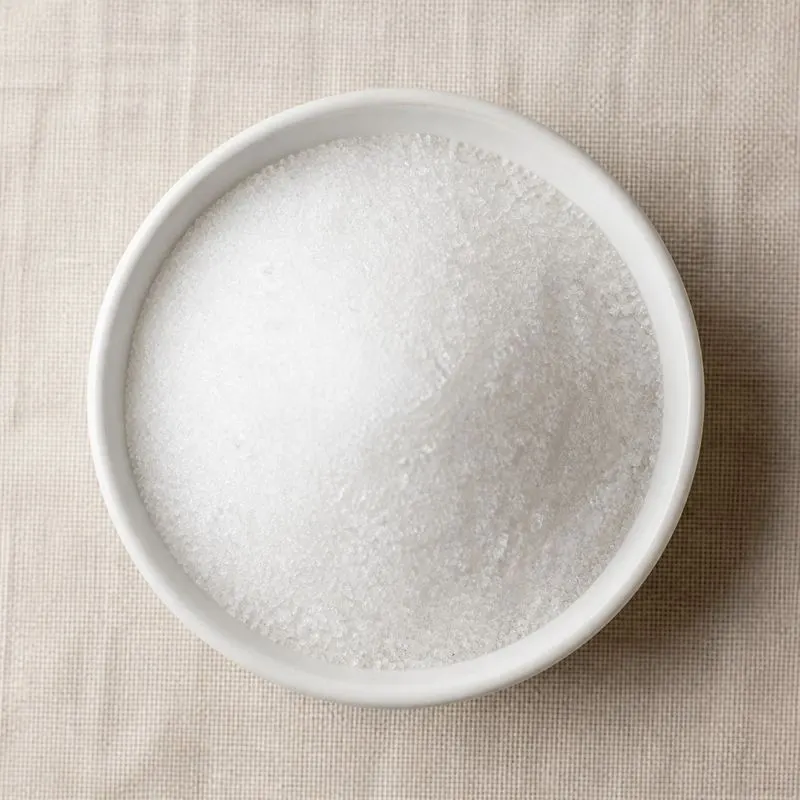
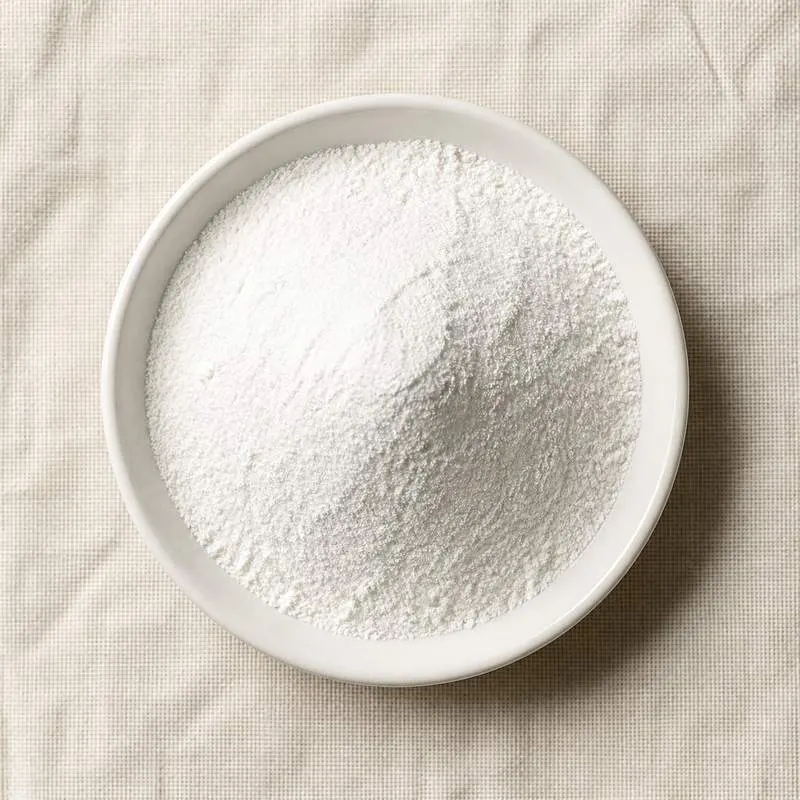
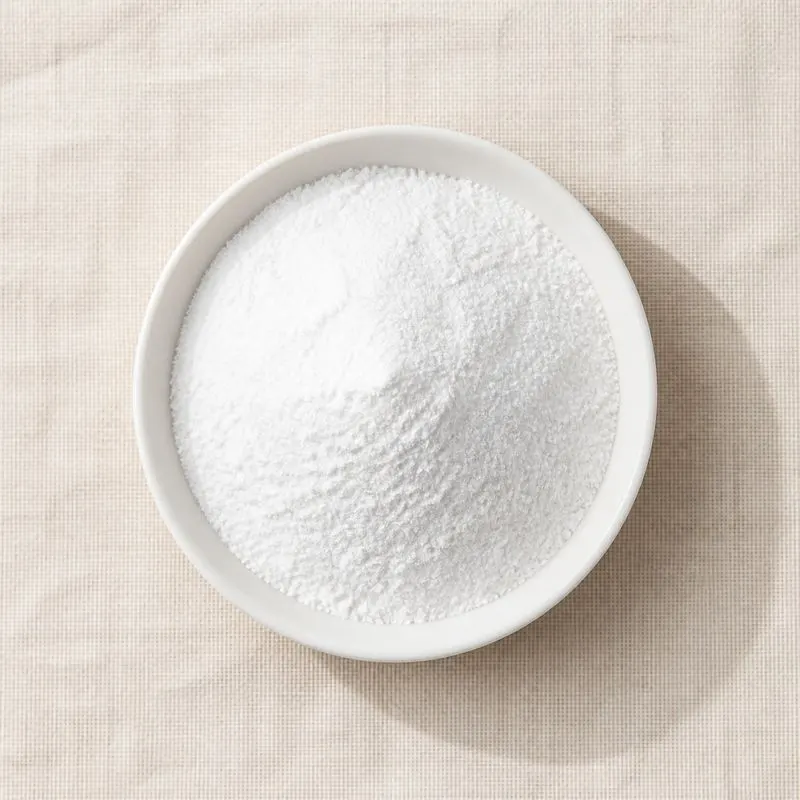
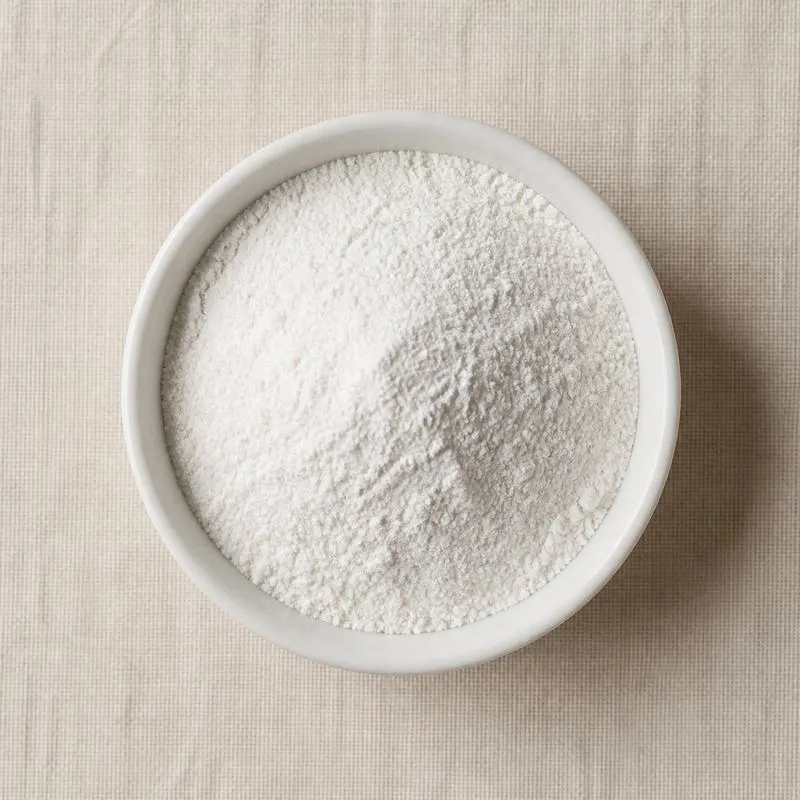
Zinc Oxide is an inorganic white powder with the formula ZnO and CAS number 1314-13-2. It contains roughly 80 percent elemental zinc by mass, the highest of any common zinc compound.
The material is insoluble in water but readily soluble in dilute acids. Its combination of UV-absorbing, antimicrobial, semiconducting, and mineral-supplement properties supports a broad spread of applications across sunscreen, cosmetics, nutrition, rubber, and ceramics.
We source bulk Zinc Oxide from top China manufacturers for our partners. The manufacturer is in Shandong. A smaller requirement can ship in a combined container with other ingredients.
Please send the grade you need, the volume and your destination port, and we will come back with a solution and a price.
or call +86-21-6858 0751
- Packaging
- 25 kg kraft paper bag with PE inner liner
- ISO 9001
- HACCP
- Halal
- Kosher
Specifications
| Item | Specification |
|---|---|
| Appearance | White to pale yellow odorless powder |
| Assay (ZnO) | ≥ 99.0% (pharmaceutical grade) |
| Elemental zinc | 78 to 80% w/w |
| Loss on ignition | ≤ 1.0% |
| Acid-insoluble matter | ≤ 0.01% |
| Iron | ≤ 100 mg/kg |
| Heavy metals (as Pb) | ≤ 20 mg/kg |
| Arsenic | ≤ 3 mg/kg |
| Cadmium | ≤ 5 mg/kg |
| Mercury | ≤ 1 mg/kg |
| Particle size | Customer-specified (sub-micron to 200 mesh) |
| Microbiology | Meets pharmacopoeial limits for food/pharmaceutical grade |
| Shelf life | 36 months from manufacture under recommended storage |
| Storage | Cool, dry, sealed |
Common Markets Grades
Zinc Oxide is differentiated mainly by particle morphology and purity.
USP and Ph. Eur. pharmaceutical grade meets 99.0 percent minimum assay with tight controls on lead, cadmium, and arsenic. This grade serves pharmaceutical ointments, supplements, and infant skincare.
Food grade meets FCC and is used for cereal fortification and dairy mineral premixes. Particle size is typically 0.1 to 1 micron.
Sunscreen grade comes as uncoated micronized powder or as surface-treated (silica, triethoxycaprylylsilane, or dimethicone-coated) dispersions for SPF formulations. Non-nano grades (mean particle size above 100 nm) are preferred in markets where nano labelling rules apply.
Rubber and ceramic grades cover broader purity windows (99.5 to 99.7 percent) at coarser particle sizes, sold as French process (indirect) or American process (direct) material depending on the downstream cure system.
Applications
- Mineral sunscreens as a broad-spectrum UVA and UVB physical filter, often paired with titanium dioxide
- Diaper-rash creams, calamine lotions, and zinc oxide ointments for skin barrier protection
- Colour cosmetics: foundations, BB creams, mineral powders, and tinted moisturizers
- Dietary supplements and multivitamin tablets as a concentrated zinc source
- Infant formula and cereal fortification within mineral premixes
- Animal feed as a trace mineral and for pre-weaning piglet diets
- Toothpaste and mouthwash for mild antimicrobial and astringent action
- Rubber vulcanization activator in tires, footwear soles, and industrial hose
- Ceramic glazes and enamels as a flux and opacifier
- Paints and coatings as a mildewstat and UV stabiliser
- Electronics: varistors, gas sensors, and transparent conducting films
Brands Using Zinc Oxide
Widely-distributed consumer products that list Zinc Oxide on the ingredient label.
- Desitin (Johnson & Johnson)Maximum Strength Original Zinc Oxide Diaper Rash Paste (40% Zinc Oxide) ↗Desitin Maximum Strength Original Paste lists Zinc Oxide 40% as the active skin protectant, the highest non-prescription zinc oxide concentration available, to form an immediate protective barrier against diaper rash.Label verified 2026-05-24
- Desitin (Johnson & Johnson)Daily Defense Zinc Oxide Diaper Rash Cream ↗Desitin Daily Defense Cream (formerly Rapid Relief) uses zinc oxide as the active ingredient to instantly form a protective layer to soothe and relieve diaper rash discomfort.Label verified 2026-05-24
- Boudreaux's Butt Paste (Prestige Consumer Healthcare)Original Butt Paste Diaper Rash Ointment (16% Zinc Oxide) ↗Boudreaux's Original Butt Paste lists Zinc Oxide 16% as the active skin protectant in its pediatrician-recommended diaper rash ointment (free of dyes, parabens and talc).Label verified 2026-05-24
- Boudreaux's Butt Paste (Prestige Consumer Healthcare)Maximum Strength Butt Paste (40% Zinc Oxide) ↗Boudreaux's Maximum Strength Butt Paste contains Zinc Oxide 40% as the active ingredient for severe diaper rash relief and protection.Label verified 2026-05-24
- Aquaphor (Beiersdorf)Aquaphor Baby 3-in-1 Diaper Rash Cream (15% Zinc Oxide) ↗Aquaphor Baby 3-in-1 Diaper Rash Cream uses Zinc Oxide 15% as its active skin protectant, formulated with panthenol and free of fragrance and preservatives for sensitive baby skin.Label verified 2026-05-24
- Blue Lizard (Crown Laboratories)Sensitive Mineral Sunscreen Lotion SPF 50+ ↗Blue Lizard Sensitive Mineral Sunscreen Lotion SPF 50+ uses Zinc Oxide 10% (with Titanium Dioxide 8%) as 100% mineral active sunscreen ingredients for broad spectrum UVA/UVB protection.Label verified 2026-05-24
- Badger (W.S. Badger Company)Active Mineral Sunscreen Cream SPF 30 (Clear Zinc) ↗Badger Active Mineral Sunscreen SPF 30 uses pharmaceutical-grade non-nano uncoated zinc oxide as the sole active ingredient (~22%) in a 5-ingredient organic formula.Label verified 2026-05-24
- Thinksport (Think)Thinksport SPF 50 Clear Zinc Sunscreen ↗Thinksport SPF 50 Clear Zinc Sunscreen lists Zinc Oxide (Non-nano) 20% as the sole active sunscreen ingredient for broad-spectrum UVA/UVB protection with 80-minute water resistance.Label verified 2026-05-24
- EltaMDUV Active Broad-Spectrum SPF 50+ Mineral Sunscreen ↗EltaMD UV Active is a 100% mineral, water-resistant sport sunscreen using zinc oxide as its active ingredient for broad-spectrum SPF 50+ protection.Label verified 2026-05-24
- Drunk ElephantUmbra Sheer Physical Daily Defense Sunscreen SPF 30 ↗Drunk Elephant Umbra Sheer Physical Daily Defense lists Zinc Oxide 20% as its sole active sunscreen ingredient, a 100% mineral broad-spectrum SPF 30 cream.Label verified 2026-05-24
Brand names, product names and logos are the property of their owners. They appear here as published evidence that the ingredient is used, taken from the brand's own label or website. Their appearance is not an endorsement, and it does not mean the brand buys from us or from any manufacturer listed on this site.
China Manufacturers of Zinc Oxide
Top Zinc Oxide manufacturers in China.

Company names and logos are the property of the manufacturers themselves. They are listed here because our own directory records them as producing this ingredient. A listing is not an endorsement by them, and we do not represent them or speak on their behalf.
How We Help Source Zinc Oxide
Direct Factory Sourcing
We run the whole process: selecting the manufacturer from the top Chinese food ingredient producers, negotiating the price, verifying quality, and coordinating the logistics. You deal with us instead of with several factories at once.
Original Packaging and Documents from the Manufacturer
The manufacturer sends your Zinc Oxide out of its own factory in the original packing, through to your destination port. The COA, COO, MSDS, TDS and any certifications reach you from the manufacturer as well.
Free Samples and Lead Time
We send 100 to 500 g free for your own laboratory to test and you cover only the courier, usually within 2 to 3 working days. ETD is usually within 7 to 15 days once the order is confirmed, and we check that date against the factory's own manufacturing schedule before we give it to you.
Combined Shipment
We can load Zinc Oxide together with other ingredients such as Sodium Acetate, Calcium Citrate and Sodium Lactate into one 20' FCL. If your quantity is small, we can also ship LCL.
Regulatory Status
Zinc Oxide holds wide regulatory clearance across food, pharmaceutical, and cosmetic categories.
The U.S. Food and Drug Administration lists Zinc Oxide as GRAS for use as a nutrient under 21 CFR 182.8991. It is also a Category I (safe and effective) sunscreen active under the OTC sunscreen monograph, permitted at up to 25 percent.
The European Commission authorises Zinc Oxide as a UV filter in Annex VI of the Cosmetics Regulation (EC) No 1223/2009 at up to 25 percent, with nano-form restrictions managed through Annex VI entry 30a. In food contact and supplement use it is regulated through Commission Regulation (EU) No 231/2012 specifications.
Pharmacopoeial monographs exist in the United States Pharmacopeia (USP), the European Pharmacopoeia (Ph. Eur.), the Japanese Pharmacopoeia (JP), and the British Pharmacopoeia (BP).
Halal and Kosher certifications are routinely available because the production chain is fully inorganic.
Manufacturing Process
Two industrial routes dominate world zinc oxide supply.
The French process (also called the indirect process) heats refined zinc metal above its boiling point of 907 degrees Celsius. The vapor is reacted with filtered air in a combustion chamber, producing ZnO fume that is collected in a baghouse. Particles are uniform, almost spherical, and very pure. This is the route used for most pharmaceutical, cosmetic, and food grades.
The American process (direct process) starts from zinc-bearing ore or secondary zinc sources. The feed is roasted with coal in a rotary kiln, reducing the ore and re-oxidising the resulting zinc vapor in a second air-rich zone. The product carries more residual impurities and is used mainly in rubber and ceramic applications.
Wet chemical precipitation from zinc sulphate or zinc nitrate with sodium hydroxide or sodium carbonate, followed by calcination, supplies specialty grades. These include nano zinc oxide for sunscreen and engineered morphologies (rods, plates, tetrapods) for electronic applications.