Zymosan
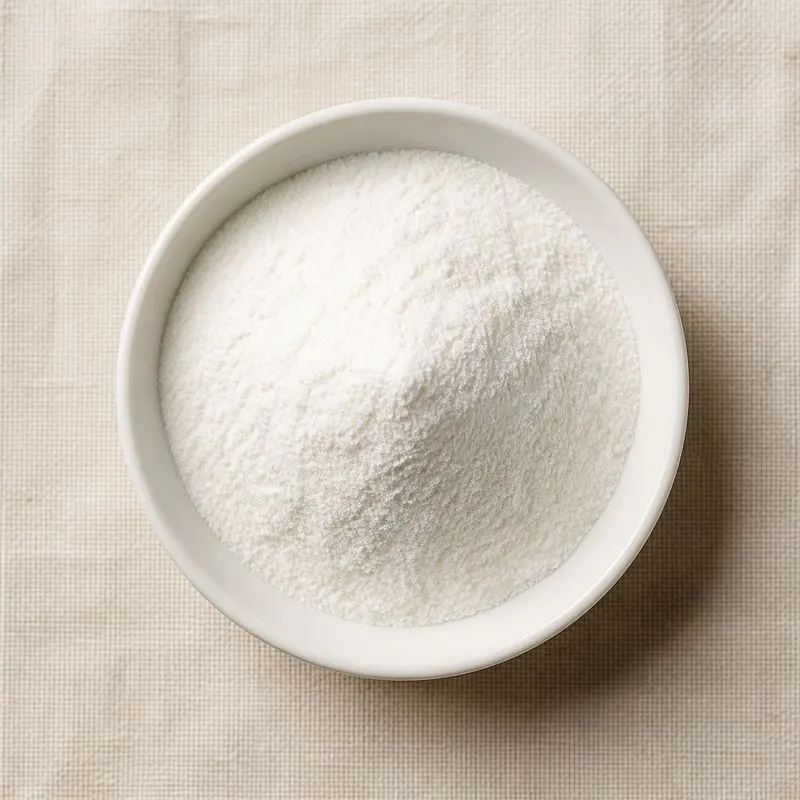
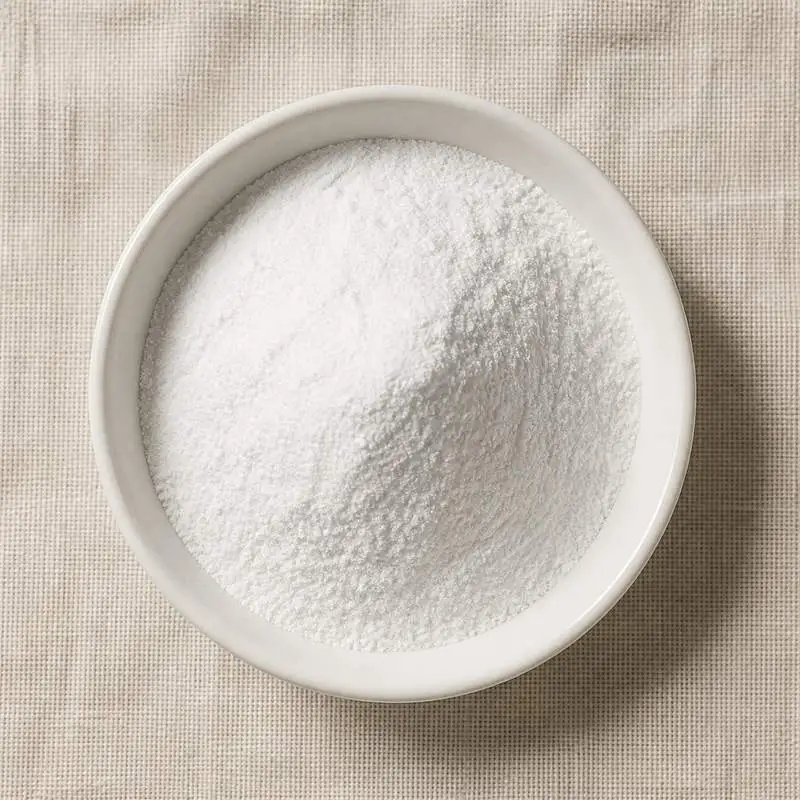
Zymosan is an insoluble preparation of the yeast cell wall, typically derived from Saccharomyces cerevisiae, consisting mainly of polysaccharides and protein.
The dominant structural components are beta-1,3-glucan and mannan, accompanied by smaller amounts of chitin, lipid, and protein. Zymosan has a CAS number of 58856-93-2 and is one of the oldest model immunostimulants in experimental biology.
We source bulk Zymosan from top China manufacturers for our partners. The manufacturer is in Hebei. A smaller requirement can ship in a combined container with other ingredients.
Please send the grade you need, the volume and your destination port, and we will come back with a solution and a price.
or call +86-21-6858 0751
- Packaging
- 25 kg kraft paper bag with PE inner liner
- ISO 9001
- HACCP
- Halal
- Kosher
Specifications
Grades / Types Available: Food Grade, Feed Grade
| Item | Specification |
|---|---|
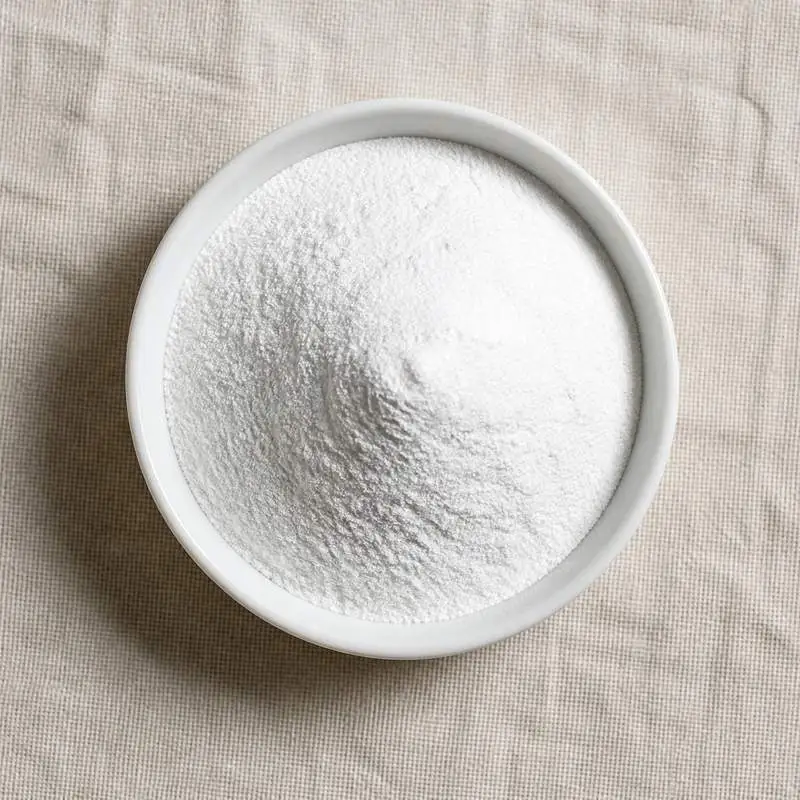
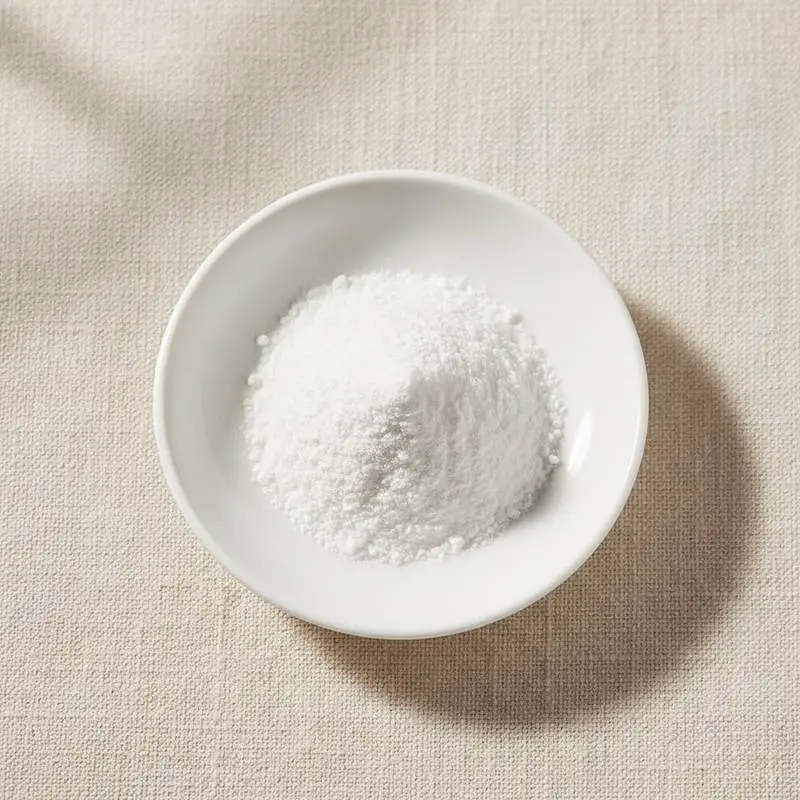
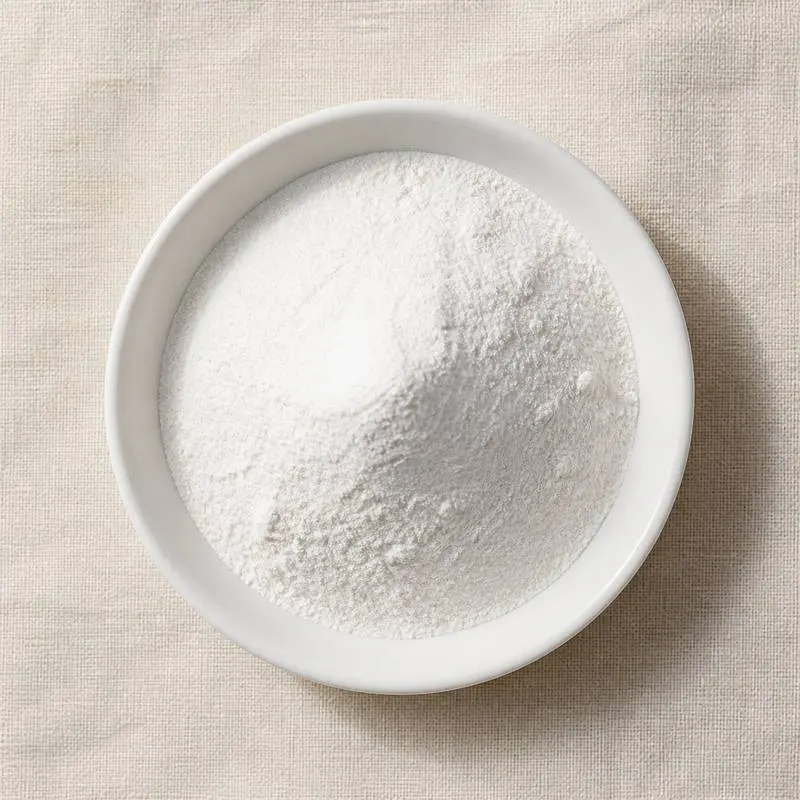
| Appearance | Off-white to tan powder |
| Beta-Glucan + Mannan Content | ≥ 75% |
| Protein | ≤ 8.0% |
| Moisture | ≤ 8.0% |
| Ash | ≤ 3.0% |
| Endotoxin | Reported (varies by grade) |
| Total Plate Count | ≤ 100 cfu/g |
| Heavy Metals (as Pb) | ≤ 2 mg/kg |
| Purity (Food Grade) | ≥ 90% |
| Moisture/Loss on Drying | ≤ 8% |
| pH | 5.0 - 7.0 |
| Particle Size/Mesh | 100% pass 80 mesh |
| Lead | ≤ 1 ppm |
| Arsenic | ≤ 0.5 ppm |
| Yeast & Mold | ≤ 100 cfu/g |
Common Markets Grades
Zymosan goes chiefly to research and pharmaceutical channels rather than to consumer markets, so the grade structure is narrow.
Standard research-grade zymosan A is the most widely used product, sold as a lyophilized white to off-white powder for in vitro and in vivo immunology studies.
Depyrogenated zymosan grades carry low endotoxin specifications, typically below 1 endotoxin unit per milligram, for use in studies where lipopolysaccharide contamination would interfere with the result.
Particle-size-controlled grades fall within defined microparticle ranges, since particle size influences phagocytosis kinetics.
Fluorescently labelled zymosan, including FITC-, Alexa Fluor-, and pHrodo-conjugated variants, supports microscopy and flow cytometry assays of phagocytic uptake and phagosome maturation.
Pharmaceutical-grade zymosan, manufactured to higher documentation standards, supports vaccine adjuvant and clinical research programs.
Applications
- Reference immunostimulant in macrophage and dendritic cell activation studies
- Standard particulate substrate for phagocytosis assays in flow cytometry and live-cell imaging
- Reagent for inducing chemiluminescence in neutrophil oxidative burst assays
- Animal model induction agent for sterile peritonitis, arthritis, and shock
- Tool compound for the study of Dectin-1, TLR2, and complement receptor 3 signaling
- Vaccine adjuvant research targeting innate immune receptors on antigen-presenting cells
- Substrate for cell wall degrading enzyme characterisation including beta-glucanases and mannanases
- Calibration material for endotoxin-independent immunostimulation controls
- Reference particle for nanoparticle and microparticle uptake comparisons
- Teaching material in immunology and microbiology coursework
China Manufacturers of Zymosan
Top Zymosan manufacturers in China.

Company names and logos are the property of the manufacturers themselves. They are listed here because our own directory records them as producing this ingredient. A listing is not an endorsement by them, and we do not represent them or speak on their behalf.
How We Help Source Zymosan
Direct Factory Sourcing
We run the whole process: selecting the manufacturer from the top Chinese food ingredient producers, negotiating the price, verifying quality, and coordinating the logistics. You deal with us instead of with several factories at once.
Original Packaging and Documents from the Manufacturer
The manufacturer sends your Zymosan out of its own factory in the original packing, through to your destination port. The COA, COO, MSDS, TDS and any certifications reach you from the manufacturer as well.
Free Samples and Lead Time
We send 100 to 500 g free for your own laboratory to test and you cover only the courier, usually within 2 to 3 working days. ETD is usually within 7 to 15 days once the order is confirmed, and we check that date against the factory's own manufacturing schedule before we give it to you.
Combined Shipment
We can load Zymosan together with other ingredients such as Arachidonic Acid, Coenzyme Q10 and Chondroitin Sulphate Sodium into one 20' FCL. If your quantity is small, we can also ship LCL.
Regulatory Status
Zymosan is a laboratory and research reagent rather than a registered food or pharmaceutical ingredient, so its regulatory profile is limited.
The compound is not approved as a food additive or dietary supplement ingredient in the United States, the European Union, or any other major regulated market. It is not subject to GRAS notification because it is not sold for food use.
For research and laboratory use, zymosan is sold under standard chemical reagent rules. Suppliers provide certificates of analysis with assay values rather than full pharmacopoeial monographs.
Where zymosan or a derivative is developed as a clinical pharmaceutical, it is subject to the standard new drug development pathway, including investigational new drug authorisation, GMP manufacturing, and clinical trial review.
Pharmacopoeial monographs do not exist for zymosan because it is not a marketed drug substance. Several specifications of related preparations such as yeast beta-glucan are addressed separately under novel food and food additive frameworks.
Manufacturing Process
Zymosan is manufactured from baker's yeast biomass by a sequence of extraction steps that remove cytoplasmic and surface components while preserving the insoluble cell wall skeleton.
Fresh or dried Saccharomyces cerevisiae cells are first autolyzed at controlled pH and temperature, often around 50 degrees Celsius, to release intracellular soluble material. The wall fraction is recovered by centrifugation and washed extensively with water.
The wall is then extracted repeatedly with hot alkali, typically dilute sodium hydroxide, to remove residual cytoplasmic protein and a fraction of the mannoprotein. Acid wash steps follow to neutralise and to remove ash.
The remaining insoluble residue is washed with organic solvents, traditionally a hot ethanol followed by acetone treatment, to remove lipid and to defat the particle. Final washes with water remove residual solvent.
The product is lyophilized into a free-flowing fine powder. Quality control includes loss on drying, ash, residual protein, particle size distribution, endotoxin testing for low-endotoxin grades, and biological potency tests such as Dectin-1 binding or macrophage tumor necrosis factor alpha induction.
Process-related variants influence biological behaviour. Different alkali strengths and extraction durations yield zymosan preparations with different protein contents and surface mannan exposure.