Albumin Peptide
Albumin peptide is the enzymatic hydrolysate of albumin protein, cut into short peptides of low molecular weight and dried to a powder. The commercial material is most often made from egg white, where ovalbumin is the dominant protein, and the term also covers hydrolysates of other albumins including serum albumin and the albumin fraction of milk and plant proteins, so the raw material is always part of the specification.
Hydrolysis changes what the protein does. Intact albumin gels on heating, foams and binds water, and those properties are lost when the chains are cut. What is gained is solubility across the whole pH range, including the isoelectric region where the intact protein precipitates, heat stability without coagulation, low viscosity at high protein loading, and rapid intestinal absorption. Di- and tripeptides are taken up by peptide transporters more quickly than free amino acids or intact protein.
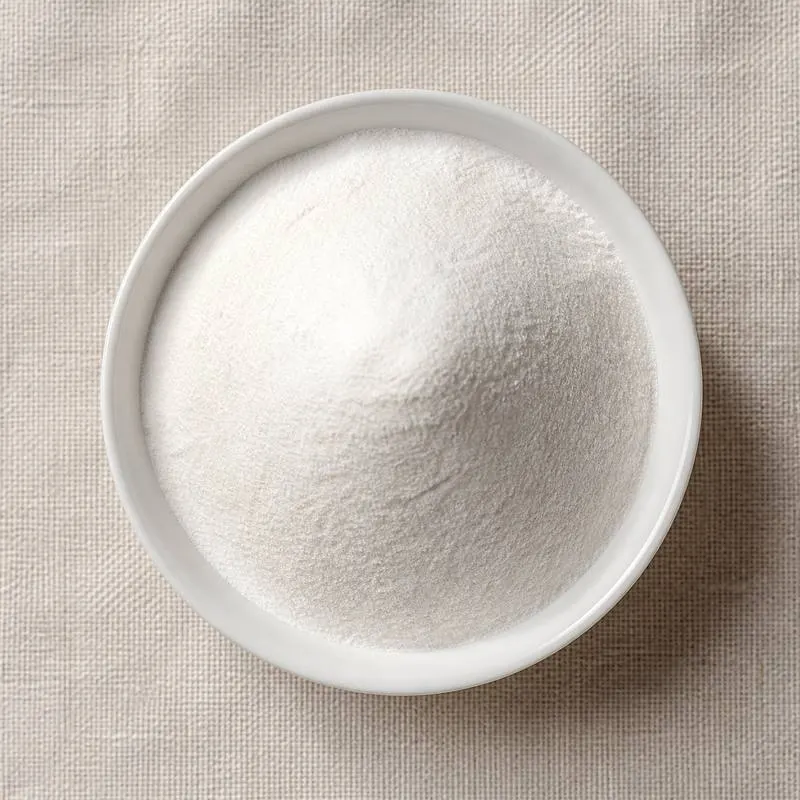
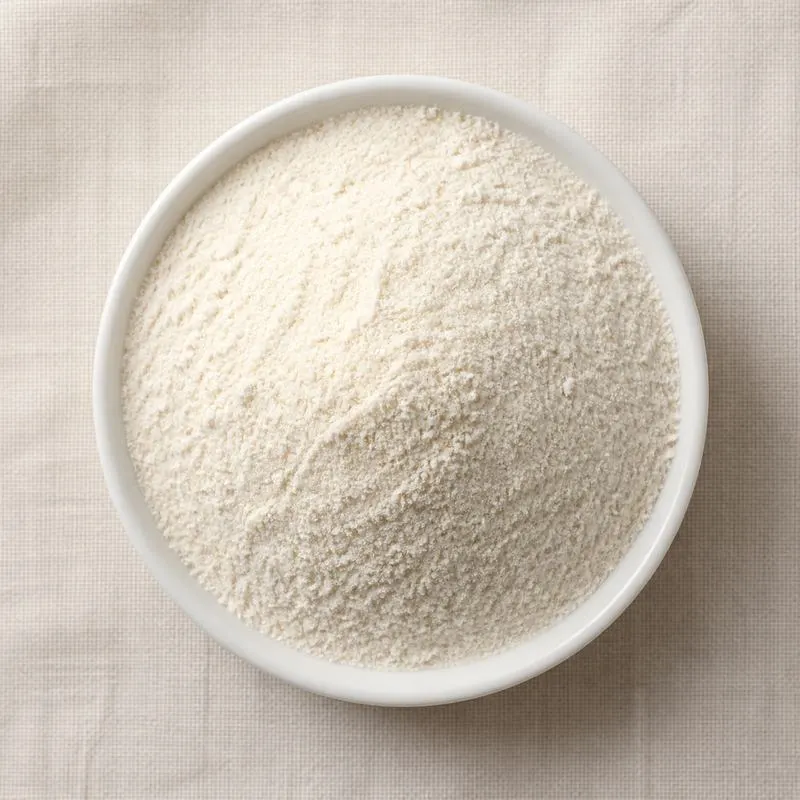
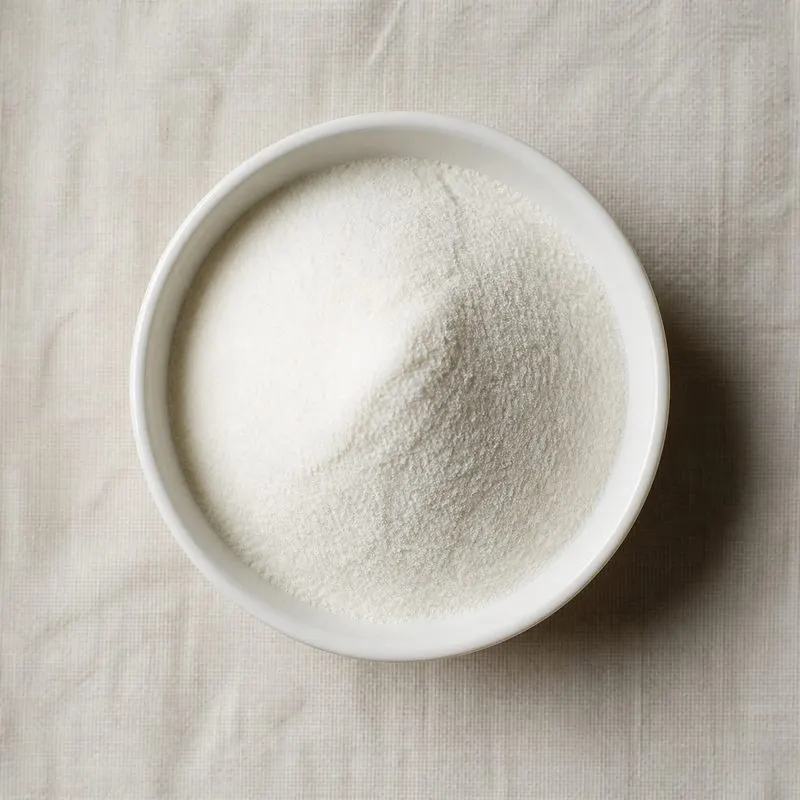
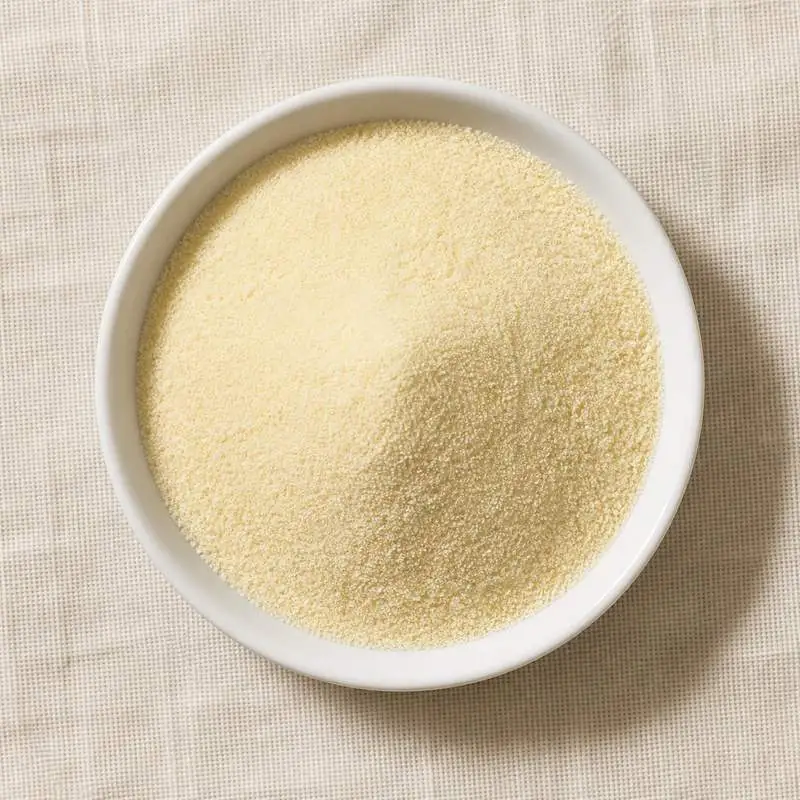
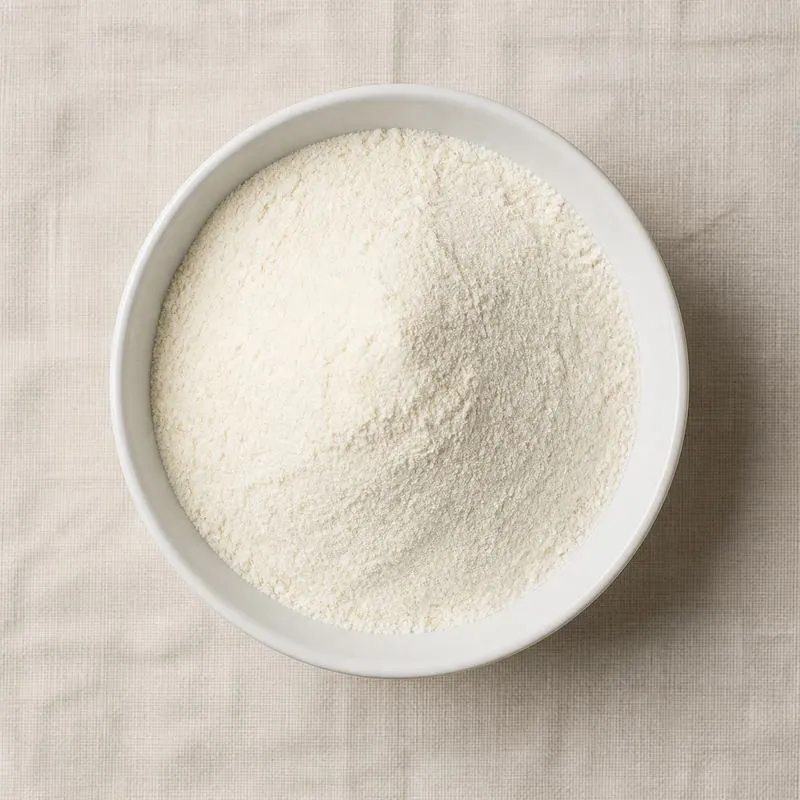
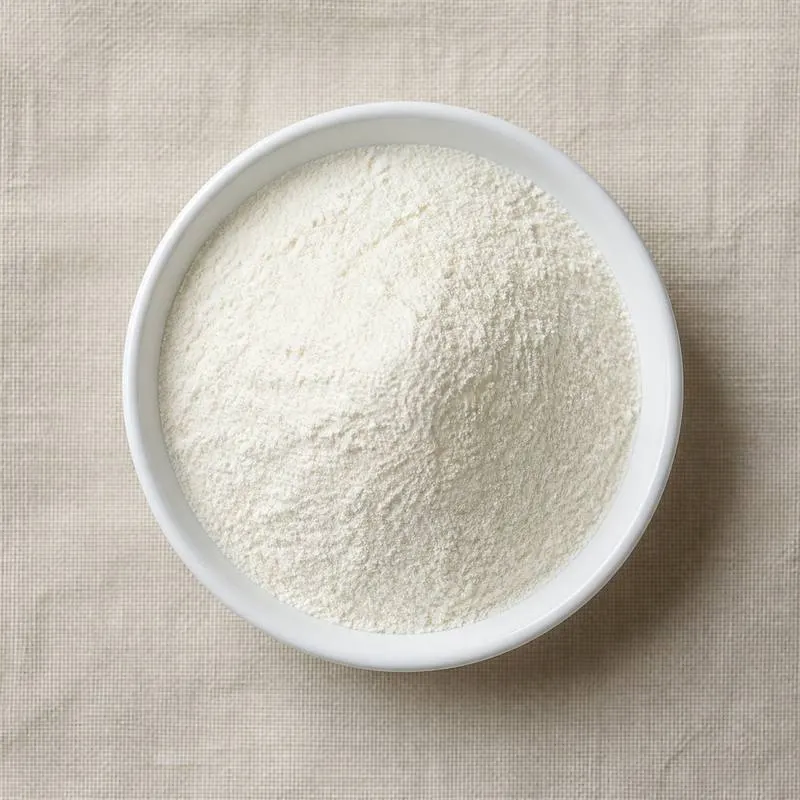
Commercial powder is a light cream to pale yellow free flowing solid at 5 to 7 percent moisture, generally 80 percent protein or higher on the dry basis, with a declared molecular weight distribution. It dissolves readily in cold water to give a clear or slightly hazy solution. The characteristic drawback is bitterness, which arises when hydrolysis exposes hydrophobic amino acid residues, and controlling it is the main formulation problem the ingredient presents.
We source bulk Albumin Peptide from top China manufacturers for our partners, working with several of them. The manufacturers are in Hainan, Jilin and Shandong. A smaller requirement can ship in a combined container with other ingredients.
Please send the grade you need, the volume and your destination port, and we will come back with a solution and a price.
or call +86-21-6858 0751
- Function
- Protein
Specifications
| Item | Specification |
|---|---|
| Appearance | Light cream to pale yellow free flowing powder |
| Odour and Taste | Characteristic, slightly bitter, free from off notes |
| Protein, N x 6.25, dry basis | ≥ 80.0% |
| Peptides below 1000 Da | ≥ 70%, per declared grade |
| Degree of Hydrolysis | Per declared grade |
| Solubility, 1% in water | ≥ 98% |
| Moisture | ≤ 7.0% |
| Ash | ≤ 8.0% |
| Fat | ≤ 1.0% |
| pH, 1% solution | 6.0 to 7.5 |
| Lead | ≤ 0.5 mg/kg |
| Arsenic | ≤ 0.5 mg/kg |
| Total Plate Count | ≤ 10,000 CFU/g |
| Yeast and Mould | ≤ 100 CFU/g |
| E. coli | Absent in 1 g |
| Salmonella | Absent in 25 g |
Common Markets Grades
Grades are defined by degree of hydrolysis and molecular weight distribution rather than by protein assay alone, since almost all grades meet a similar protein minimum. A lightly hydrolysed material retains longer peptides, is less bitter and keeps more functionality, while an extensively hydrolysed one is dominated by peptides below 1000 daltons, dissolves and absorbs faster and tastes more bitter. Specifications commonly declare the proportion of peptides below a stated molecular weight cut-off.
The second axis is debittering. Standard grades are used where the finished product masks the taste, while debittered grades, produced with exopeptidases that remove terminal hydrophobic residues or by adsorption on activated carbon or resin, cost more and are specified for neutral tasting beverages. Beyond that, low sodium grades are produced where the salt generated during pH adjustment matters, and instantised agglomerated grades are used for beverage powders. The source protein, egg, serum or plant, is declared on every grade because it determines both the allergen statement and the amino acid profile.
Applications
- Clinical and medical nutrition, where rapidly absorbed peptides suit compromised digestion
- Sports nutrition powders and recovery drinks, using the fast absorption of short peptides
- Clear protein beverages, where solubility at low pH and low viscosity are the key requirements
- Elderly and dysphagia nutrition, delivering protein at high loading without a thick or gelled texture
- Nutritional supplements in capsule and tablet form, sold on peptide content
- Meal replacement and weight management powders, contributing protein without viscosity build
- Infant and specialised formula, where extensively hydrolysed protein is used to reduce allergenicity
- Fermentation and cell culture media, as a defined nitrogen source
- Cosmetic formulations, where low molecular weight peptides are used as skin conditioning agents
China Manufacturers of Albumin Peptide
Top Albumin Peptide manufacturers in China.
 Hainan Yotide Biopharmaceutical Co., Ltd.13 ingredients in the directory
 Seno Biotech5 ingredients in the directory
- Shandong Tianjiu Bio-tech Co., Ltd.8 ingredients in the directory
Company names and logos are the property of the manufacturers themselves. They are listed here because our own directory records them as producing this ingredient. A listing is not an endorsement by them, and we do not represent them or speak on their behalf.
Regulatory Status
In the United States protein hydrolysates from established food proteins are used as food ingredients and as dietary ingredients under the dietary supplement framework, with the regulatory position following that of the source protein and the enzymes used, which must be permitted food processing aids. Where the source is egg, the material is a major food allergen requiring plain declaration on the label, and hydrolysis does not remove that obligation. Protein hydrolysates used as flavouring or as protein sources in infant formula carry their own additional requirements.
In the European Union albumin hydrolysate is a food ingredient rather than a food additive, so no E number applies, and it is declared by name with the source protein identified. Eggs and products thereof are listed among the substances causing allergies or intolerances that must be emphasised in the ingredient list under the food information regulation. Where a hydrolysate is intended for infant formula or for foods for special medical purposes, the delegated regulations covering those categories set requirements on the protein source, the degree of hydrolysis and the demonstration of reduced allergenicity. Codex addresses protein hydrolysates through its standards for foods for special dietary uses and its general principles of food hygiene.
Manufacturing Process
The starting material is a purified albumin, typically liquid or dried egg white, dispersed in water to a controlled solids content. The dispersion is adjusted for pH and heated to the working temperature of the enzyme system, and in most processes it is first heat treated to unfold the protein, since a denatured chain is far more accessible to protease attack than a tightly folded globular one.
Hydrolysis is then carried out with food grade proteases, usually an endopeptidase such as alcalase or a neutral bacterial protease to cut the chains internally, followed by an exopeptidase or a flavourzyme type preparation to remove terminal residues, reduce bitterness and drive the degree of hydrolysis higher. Progress is followed by measuring the free amino nitrogen or by pH-stat titration, and the reaction is stopped at the target degree of hydrolysis by heating to inactivate the enzymes.
The hydrolysate is then clarified by centrifugation and filtration to remove undigested residue, and passed through ultrafiltration and often nanofiltration membranes, which both control the molecular weight distribution by rejecting the larger fragments and remove some of the salt. Where a debittered grade is being made, the permeate is treated with activated carbon or a hydrophobic resin. The liquor is concentrated under vacuum, spray dried, and agglomerated where an instant grade is required, then sieved and packed.