Basil Flavour
Basil flavour is the flavouring form of sweet basil, Ocimum basilicum, sold either as the steam distilled essential oil, as a solvent extracted oleoresin, or as a compounded blend built around those naturals. It delivers the green, sweet, faintly aniseed herb character of fresh basil in products where the leaf itself would discolour, settle or lose aroma during processing.
The profile is set by chemotype. European or sweet basil is dominated by linalool with methyl chavicol as the second component, giving a soft floral herbaceous note. Chemotypes grown elsewhere shift the balance towards methyl chavicol, which is more aniseed like, towards methyl cinnamate, or towards eugenol and 1,8 cineole, which smell of clove and camphor. Two lots labelled basil oil from different origins can therefore smell markedly different, and buyers specify the chemotype rather than the botanical name alone.
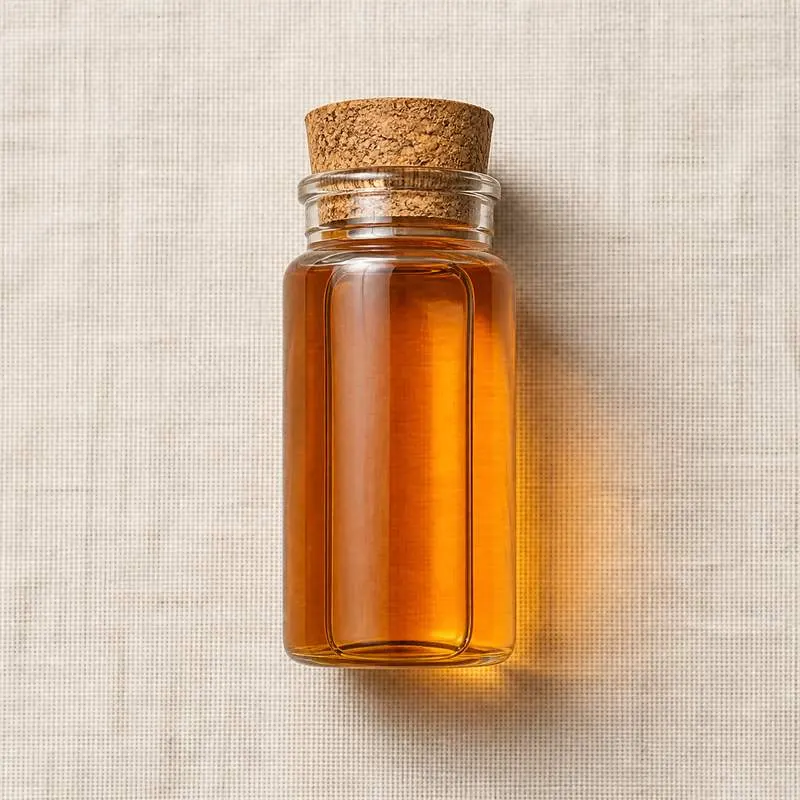
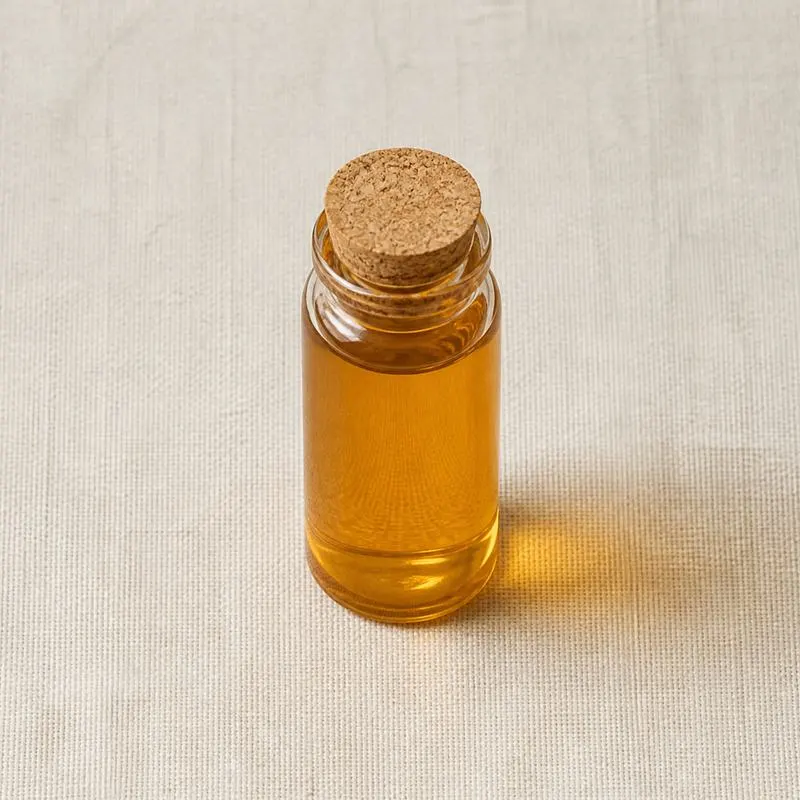
The essential oil is a pale yellow mobile liquid, insoluble in water and soluble in ethanol and fixed oils. Oleoresins are viscous dark green liquids carrying both the volatile oil and the chlorophyll and fixed oil of the leaf. Both oxidise on exposure to air and light, so material is held cool, dark and under nitrogen.
We source bulk Basil Flavour from top China manufacturers for our partners. The manufacturer is in Guangdong. A smaller requirement can ship in a combined container with other ingredients.
Please send the grade you need, the volume and your destination port, and we will come back with a solution and a price.
or call +86-21-6858 0751
- Function
- Flavours and Aromas
Specifications
| Item | Specification |
|---|---|
| Appearance | Clear mobile liquid, pale yellow to pale greenish yellow |
| Odour and flavour | Characteristic sweet basil, fresh and herbaceous |
| Identification | Gas chromatographic profile conforms to declared chemotype |
| Linalool | 30.0 to 55.0 percent |
| Methyl chavicol | To declared chemotype, reported on every batch |
| 1,8 cineole | Not more than 8.0 percent |
| Relative density at 20 degrees Celsius | 0.900 to 0.945 |
| Refractive index at 20 degrees Celsius | 1.4750 to 1.4950 |
| Optical rotation at 20 degrees Celsius | Minus 20 to minus 5 degrees |
| Solubility in ethanol 70 percent | One volume soluble in five volumes |
| Acid value | Not more than 2.0 |
| Residual solvent, oleoresin grades | Not more than 25 mg per kg |
| Lead | Not more than 2 mg per kg |
| Arsenic | Not more than 1 mg per kg |
Common Markets Grades
The essential oil is the reference article, specified on chemotype and on the gas chromatographic ratio of linalool to methyl chavicol, with linalool typically 30 to 55 percent in the European type. Oil is traded as the whole distillate and, less often, as a fraction from which specific components have been reduced.
Oleoresin basil is quoted on volatile oil content, commonly 8 to 20 ml per 100 g, and is chosen where a rounder, less top heavy herb note and some leaf colour are wanted. Dispersed and water soluble presentations are made by plating the oil or oleoresin onto salt, dextrose or maltodextrin, or by emulsifying and spray drying it to an encapsulated powder at a load of around 5 to 20 percent. Compounded basil flavours add other naturals and individual aroma chemicals to build a fresh leaf or cooked pesto profile that the distilled oil alone does not give, and are labelled natural or artificial according to how they are built.
Applications
- Tomato pasta sauces and pizza toppings, where it holds the herb note through retort processing better than dried leaf
- Pesto and green herb sauces, where oleoresin reinforces a formulation with limited fresh basil
- Italian style seasoning blends and dry rubs, delivered as a plated or encapsulated powder
- Savoury snack seasonings applied by tumble drum, where a dry dispersed grade is needed
- Soups, bouillons and stock cubes carrying a Mediterranean profile
- Salad dressings and marinades, where the oil dissolves directly in the oil phase
- Processed cheese and cheese analogues flavoured as herb varieties
- Meat products such as Italian sausage and marinated poultry
- Herb flavoured breads, focaccia and savoury bakery
- Fragrance and personal care compounding, as a green herbal top note
China Manufacturers of Basil Flavour
Top Basil Flavour manufacturers in China.

Company names and logos are the property of the manufacturers themselves. They are listed here because our own directory records them as producing this ingredient. A listing is not an endorsement by them, and we do not represent them or speak on their behalf.
Regulatory Status
In the United States basil is generally recognised as safe as a spice and natural seasoning under 21 CFR 182.10, and basil oil and oleoresin appear in the list of essential oils, oleoresins and natural extractives at 21 CFR 182.20. The corresponding flavouring materials also hold FEMA GRAS listings. Extraction solvents used to make the oleoresin are controlled by the residual solvent provisions applying to spice extracts, and any carrier used in a dispersed or encapsulated grade must itself be a permitted food substance.
In the European Union basil flavourings fall under Regulation (EC) No 1334/2008. That regulation identifies methyl chavicol, also called estragole, as a biologically active principle and sets maximum levels for it in defined categories of finished food and beverage, which is the main compositional constraint on the use of high methyl chavicol chemotypes. Dried basil leaf as a food is subject to the contaminant limits of Regulation (EU) 2023/915 and the pesticide residue limits of Regulation (EC) No 396/2005. Codex Alimentarius provides a code of hygienic practice for dried spices and aromatic herbs rather than a compositional standard for the oil.
Manufacturing Process
Basil is cut at or shortly before flowering, when volatile oil content peaks, and is either distilled fresh or wilted briefly in the field to reduce water load. The herb is charged to a stainless steel still and distilled with low pressure saturated steam for two to four hours. Vapour is condensed and run to a Florentine separator, where the oil, being lighter than water, is decanted from the aqueous distillate. Because linalool is noticeably water soluble, the distillation water is normally cohobated back to the still to recover it. Crude oil is dried over anhydrous sodium sulphate, filtered and blended across cuts to a target chromatographic profile.
Oleoresin follows a different route. Dried, milled leaf is extracted with a food grade solvent such as ethanol, hexane or supercritical carbon dioxide in a counter current or percolation battery. The miscella is filtered and the solvent removed under vacuum in a falling film or wiped film evaporator, leaving a viscous resin that is standardised on volatile oil content, often by adding back distilled oil. Encapsulated powder is produced by emulsifying the oil or oleoresin into a gum acacia or modified starch solution, homogenising at high pressure and spray drying the emulsion in a co current tower.