Beta-Hydroxy-Beta-Methylbutyrate
Beta hydroxy beta methylbutyrate, universally abbreviated HMB, is a short chain hydroxy acid, 3 hydroxy 3 methylbutanoic acid, formed in the body as a downstream metabolite of the branched chain amino acid leucine. Roughly 5 percent of dietary leucine is converted to it by way of alpha ketoisocaproate, which is why supplemental doses greatly exceed what diet alone supplies.
Its ingredient interest lies in muscle protein turnover. The published work associates it with reduced muscle protein breakdown rather than with a strong anabolic effect, which is why the clearest results appear in catabolic settings, in older adults and in clinical muscle wasting rather than in trained athletes. It is one of the few sports nutrition actives with a substantial clinical literature in sarcopenia and hospital nutrition.
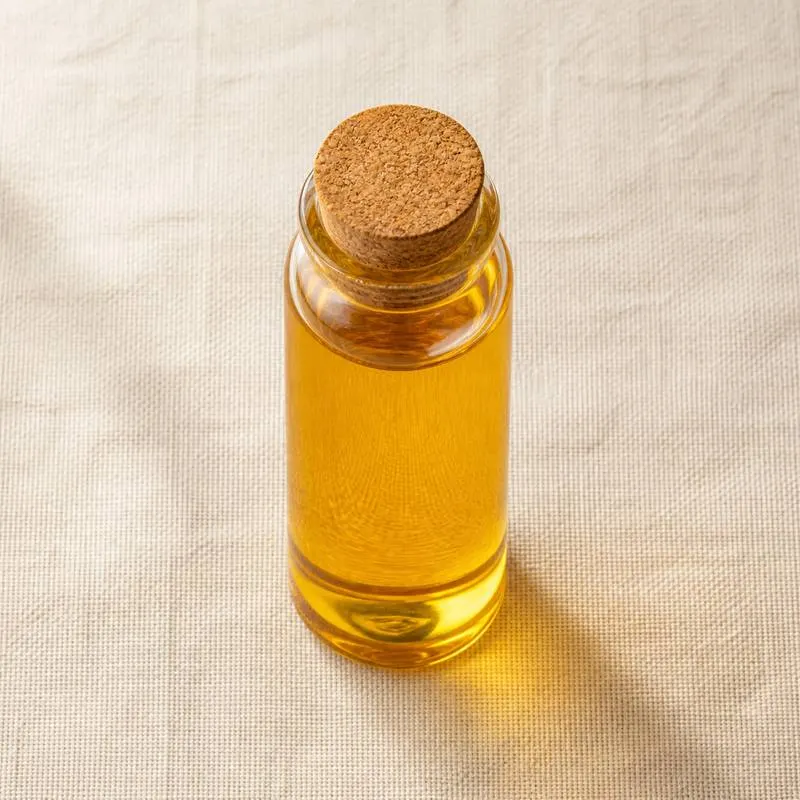
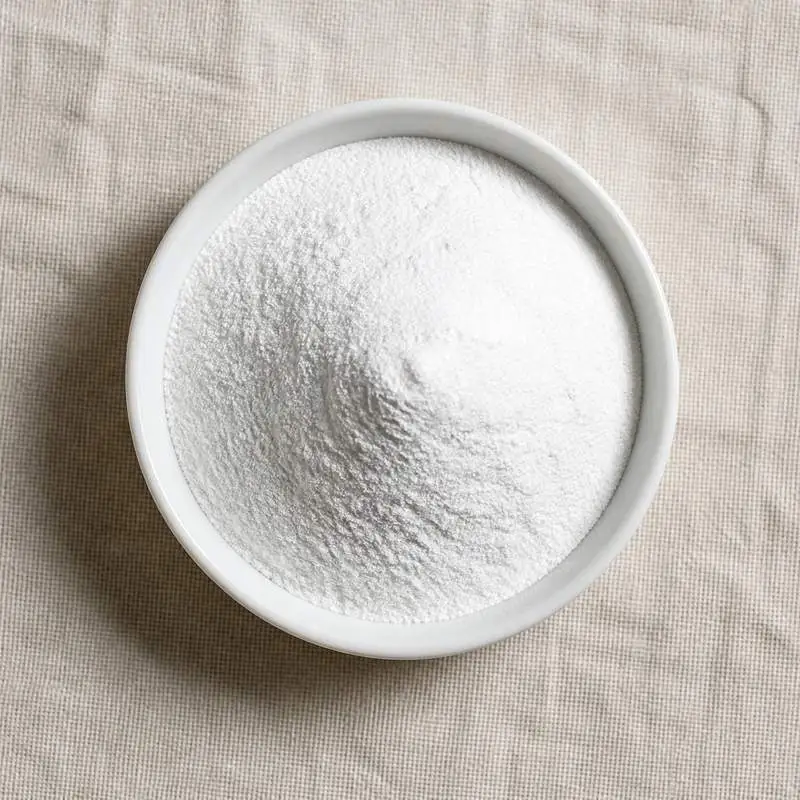
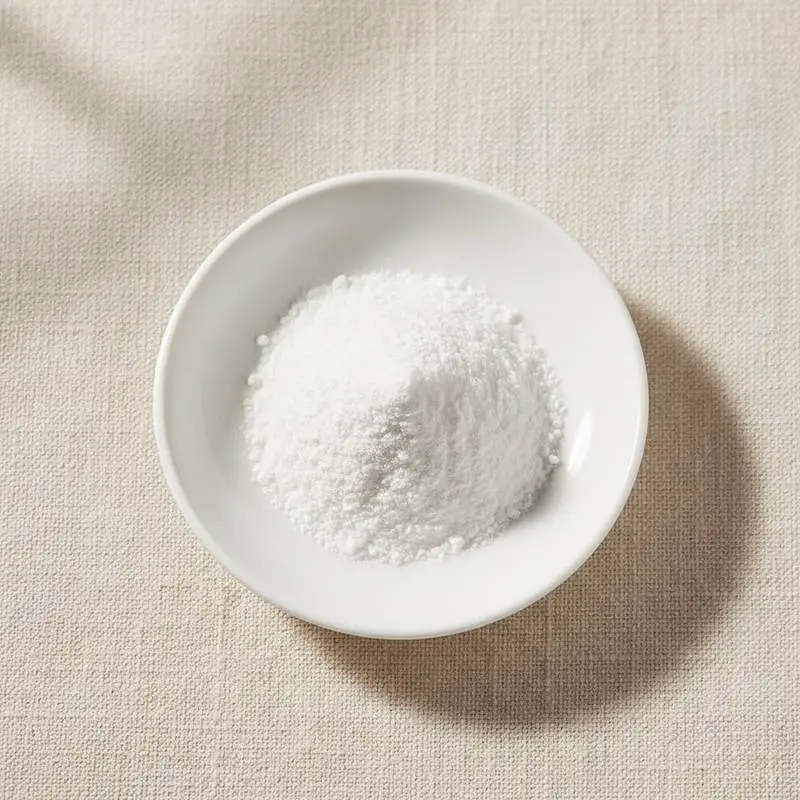
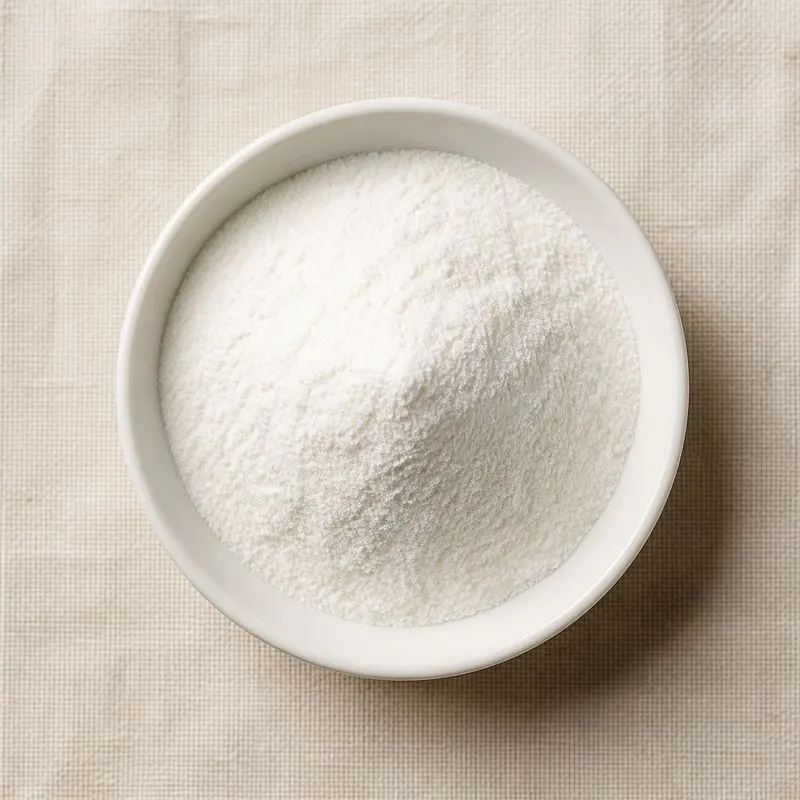
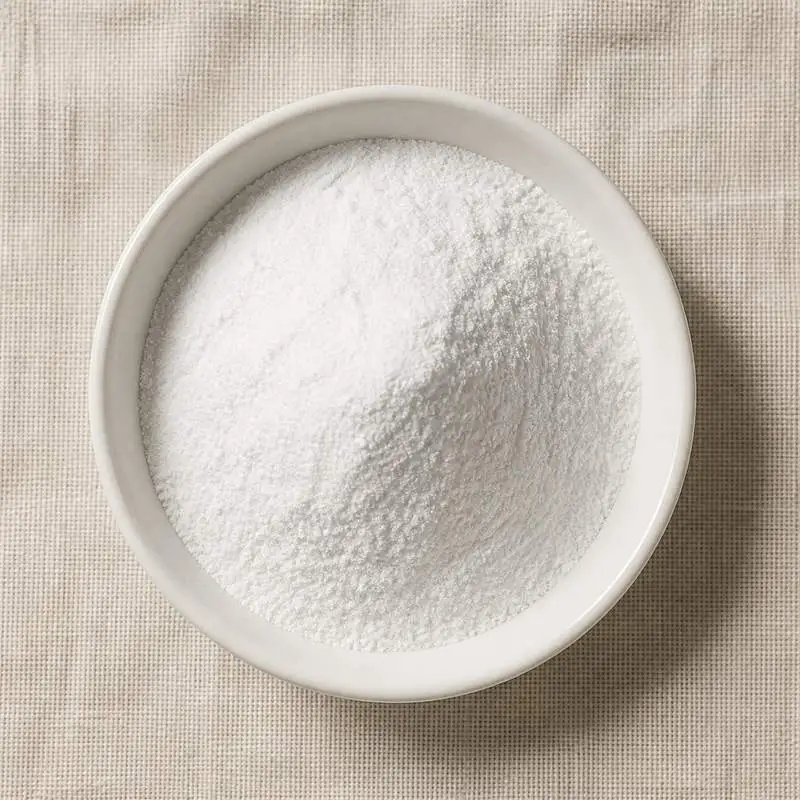
Two commercial forms exist and they behave differently. The calcium salt, calcium beta hydroxy beta methylbutyrate monohydrate, is a white crystalline powder, moderately water soluble, non hygroscopic and easy to tablet, and it accounts for most of the trade. The free acid is a clear to pale yellow viscous liquid or a gel, more rapidly absorbed and reaching a higher peak plasma level, but hygroscopic, acidic and much harder to formulate, so it goes into softgels and gel packs rather than into dry blends.
We source bulk Beta-Hydroxy-Beta-Methylbutyrate from top China manufacturers for our partners. The manufacturer is in Guangdong. A smaller requirement can ship in a combined container with other ingredients.
Please send the grade you need, the volume and your destination port, and we will come back with a solution and a price.
or call +86-21-6858 0751
- Function
- Nutraceutical
Specifications
| Item | Specification |
|---|---|
| Appearance | White crystalline powder, free flowing |
| Odour | Odourless to faintly characteristic |
| Assay (anhydrous basis) | Not less than 98.0 percent |
| Identification | Infrared spectrum and HPLC retention conform to reference |
| Calcium Content | 16.0 to 18.0 percent |
| Water Content (Karl Fischer) | 7.0 to 10.0 percent, monohydrate |
| Related Substances (total) | Not more than 1.0 percent |
| pH (1 percent solution) | 7.0 to 9.0 |
| Residual Solvents | Conforms to ICH Class 3 limits |
| Chloride | Not more than 0.2 percent |
| Lead | Not more than 1 mg/kg |
| Arsenic | Not more than 1 mg/kg |
| Heavy Metals (as Pb) | Not more than 10 mg/kg |
| Particle Size | Not less than 95 percent through 60 mesh |
| Total Plate Count | Not more than 1000 cfu/g |
| Yeast and Mould | Not more than 100 cfu/g |
| Salmonella | Absent in 25 g |
Common Markets Grades
The calcium salt is traded at 98 percent minimum assay on the anhydrous basis, with calcium content declared and the water of crystallisation of the monohydrate accounted for in the dosing calculation. Related substances, principally residual isovaleric acid derivatives and unreacted precursor, are controlled as named impurities, and residual solvent limits apply according to the crystallisation system used. Particle size grades run from fine powder for capsules and sachets to granulated grades that flow and compress better on tabletting lines.
Free acid grades are specified on assay, on water content and on colour, and come as a liquid or as a gel preparation on a carrier. Because the free acid is acidic and hygroscopic, it is not offered as a plain dry powder, and preparations described as free acid powder are normally the acid adsorbed onto a carrier at a stated content. A microencapsulated calcium salt is available where taste masking is required, and a sodium salt is traded in small volume. Buyers should compare offers on elemental HMB content rather than on salt weight, since the calcium salt delivers roughly 84 percent HMB by mass.
Applications
- Sports nutrition supplements in capsule, tablet and powder form, the largest commercial outlet
- Muscle preservation formulations for older adults, addressing age related sarcopenia
- Clinical and medical nutrition products for patients in catabolic states and during bed rest
- Post surgical and recovery nutrition, where muscle loss during immobilisation is the target
- Combination formulations with vitamin D, leucine or creatine in muscle health products
- Meal replacement and high protein beverages aimed at older consumers
- Weight management products positioned on preserving lean mass during energy restriction
- Ready to drink shots and gels using the free acid form for its faster absorption
- Livestock and equine feed supplements aimed at growth and lean tissue deposition
- Analytical reference standard for HMB quantification in plasma and in finished products
Brands Using Beta-Hydroxy-Beta-Methylbutyrate
Widely-distributed consumer products that list Beta-Hydroxy-Beta-Methylbutyrate on the ingredient label.
Brand names, product names and logos are the property of their owners. They appear here as published evidence that the ingredient is used, taken from the brand's own label or website. Their appearance is not an endorsement, and it does not mean the brand buys from us or from any manufacturer listed on this site.
China Manufacturers of Beta-Hydroxy-Beta-Methylbutyrate
Top Beta-Hydroxy-Beta-Methylbutyrate manufacturers in China.
Company names and logos are the property of the manufacturers themselves. They are listed here because our own directory records them as producing this ingredient. A listing is not an endorsement by them, and we do not represent them or speak on their behalf.
Regulatory Status
In the United States calcium beta hydroxy beta methylbutyrate monohydrate has been the subject of a generally recognised as safe notification to the Food and Drug Administration for use in specified food and beverage categories, with the agency responding without objection, and both the calcium salt and the free acid are marketed as dietary ingredients under the dietary supplement framework with structure function claims. Its use in medical foods for muscle wasting is a separate regulatory pathway from the supplement route.
In the European Union the position is more restrictive and is the practical constraint for buyers shipping into Europe. Calcium beta hydroxy beta methylbutyrate is not listed among the substances permitted for addition to foods, and it does not appear on the Union list of novel foods, so a novel food authorisation would be required before it could lawfully be placed on the European market as a food or food supplement ingredient. Several member states have taken enforcement positions on that basis. It is not a food additive and holds no E number, and no health claim has been authorised for it. Neither JECFA nor Codex has published specifications. Feed use is regulated separately under the feed additive framework and requires its own authorisation.
Manufacturing Process
The dominant industrial route oxidises a four carbon precursor to the hydroxy acid and then converts it to the calcium salt. Diacetone alcohol, 4 hydroxy 4 methyl 2 pentanone, or the related methyl isobutyl ketone framework is oxidised under alkaline conditions with sodium hypochlorite in a haloform reaction, which cleaves the methyl ketone and leaves the carboxylic acid with the tertiary hydroxyl intact. The reaction is run cold and with careful hypochlorite metering, since excess oxidant attacks the product and produces chlorinated by products that are difficult to remove later. An alternative route proceeds by base catalysed condensation of acetone with an acetate ester to build the carbon skeleton, followed by hydrolysis.
The reaction mass is quenched to destroy residual hypochlorite, acidified to release the free acid, and extracted into an organic solvent, which separates the product from inorganic salts and from the chloroform co product of the haloform reaction. The organic phase is washed, then the solvent is removed under vacuum to give crude free acid, which may be purified further by vacuum distillation where a free acid grade is the target. For the calcium salt the acid is redissolved in water and neutralised with calcium hydroxide or calcium carbonate to a controlled endpoint, and the salt is crystallised by cooling and by addition of an alcohol antisolvent. Crystals are separated on a centrifuge, washed, and dried under vacuum at moderate temperature to the monohydrate rather than to the anhydrous form. The dried salt is milled or granulated, screened, passed over a magnet and safety sieve and packed in lined bags.