Bifidobacterium Breve Bb05
Bifidobacterium breve BB05 is a freeze dried probiotic culture of Bifidobacterium breve, sold as a powder standardised on viable count, with BB05 the strain designation under which that particular isolate is traded. Strain level identity matters in this category because the published evidence attaches to individual isolates rather than to the species, and two strains of Bifidobacterium breve can differ substantially in what they metabolise and how they behave in the gut.
Bifidobacterium breve is one of the species most characteristic of the breastfed infant gut, where bifidobacteria commonly make up the majority of the flora in the first months of life. Its defining capability is the range of carbohydrates it can use. Alongside the fructose 6 phosphate shunt common to the genus, it carries an unusually broad set of glycoside hydrolases, which allows it to grow on human milk oligosaccharides, on plant derived oligosaccharides and on host mucin. That versatility is the basis of its use in infant and paediatric products and in synbiotic formulations built around a specific fibre.
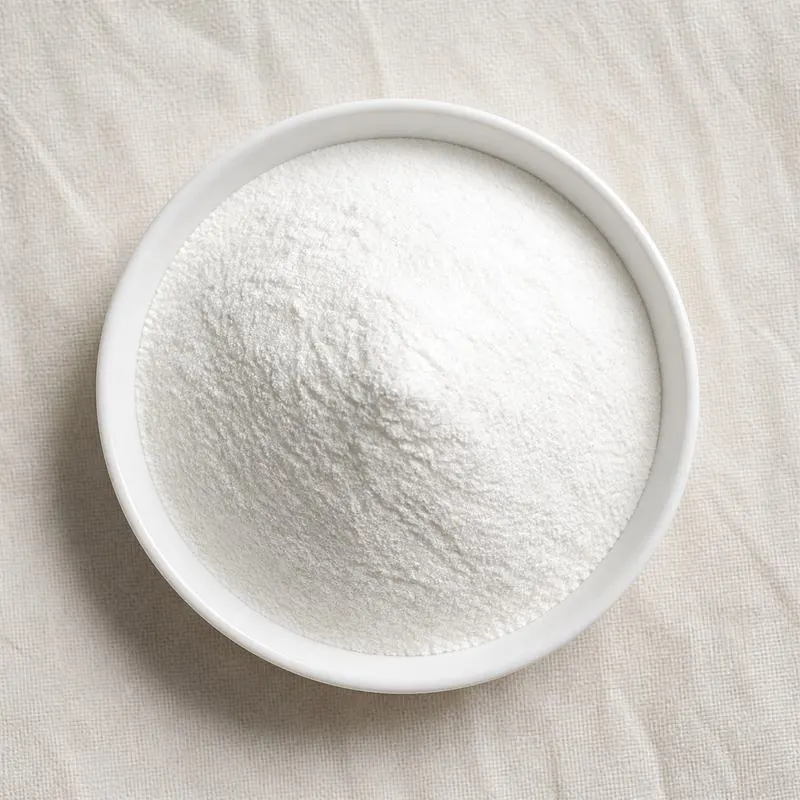
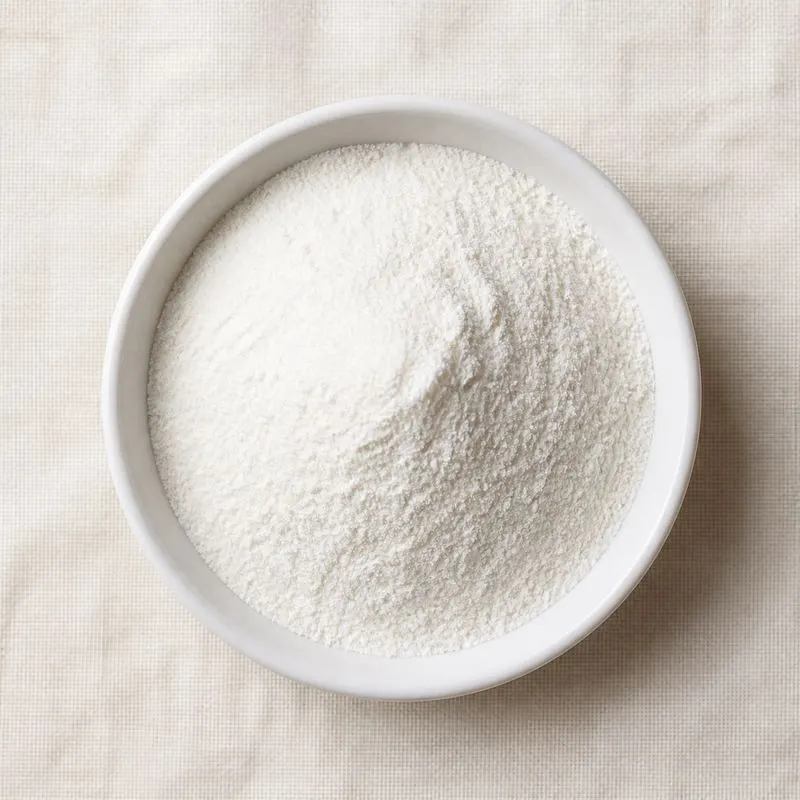
The organism is a strict anaerobe and is less oxygen tolerant than Bifidobacterium animalis, which makes it more demanding to manufacture, dry and formulate. The traded material is an off white to cream lyophilised powder with a faint fermented odour, dispersible rather than soluble, hygroscopic and oxygen sensitive, and it is packed under nitrogen in foil laminate and held cold. Specification is on colony forming units per gram, on strain identity, and on residual moisture and water activity.
We source bulk Bifidobacterium Breve Bb05 from top China manufacturers for our partners. The manufacturer is in Jiangsu. A smaller requirement can ship in a combined container with other ingredients.
Please send the grade you need, the volume and your destination port, and we will come back with a solution and a price.
or call +86-21-6858 0751
- Function
- Probiotic
Specifications
| Item | Specification |
|---|---|
| Appearance | Off white to cream free flowing lyophilised powder |
| Odour | Faintly fermented, free from foreign odour |
| Viable Count at Release | Not less than declared potency including shelf life overage |
| Identification | Bifidobacterium breve confirmed to strain level by whole genome sequencing |
| Purity | No contaminating organisms detected on selective plating |
| Loss on Drying | Not more than 4.0 percent |
| Water Activity | Not more than 0.20 |
| Particle Size | Not less than 95 percent through 60 mesh |
| Residual Oxygen in Pack | Not more than 2.0 percent |
| Lead | Not more than 1 mg/kg |
| Arsenic | Not more than 1 mg/kg |
| Cadmium | Not more than 0.5 mg/kg |
| Coliforms | Not more than 10 cfu/g |
| Yeast and Mould | Not more than 100 cfu/g |
| Escherichia coli | Absent in 10 g |
| Salmonella | Absent in 25 g |
Common Markets Grades
Material is traded either as a concentrate at high count for dilution by the formulator, or as a standardised powder already diluted onto maltodextrin or a similar carrier to a fixed count. In both cases the release count carries an overage above label claim, derived from stability data at the declared storage condition, so that the declaration is still met at the end of shelf life. Because the organism is oxygen sensitive, packaging specification is part of the grade rather than an afterthought, and oxygen barrier foil with nitrogen flush is standard.
Beyond potency, grades divide by protection and by intended use. Uncoated powder suits capsules, sachets and refrigerated products. Microencapsulated grades apply a lipid or polysaccharide coat and are specified on survival through a defined gastric acid challenge as well as on count, which matters more for this species than for the acid tolerant bifidobacteria. Dairy free grades avoid skim milk solids in the cryoprotectant. Grades intended for infant nutrition are produced under enhanced environmental controls, on media free of allergenic raw materials, and carry additional testing, since the intended user population is the one most exposed to any failure.
Applications
- Infant and follow on formula, where the species is chosen because it is characteristic of the breastfed infant gut
- Paediatric supplements in drop, sachet and chewable form
- Synbiotic formulations paired with human milk oligosaccharides or galactooligosaccharides that the strain can metabolise
- Adult digestive health supplements, usually blended with lactobacilli and other bifidobacteria
- Fermented milks and drinking yoghurt, where the culture is added after fermentation to limit acid exposure
- Products positioned on gut barrier function and short chain fatty acid production
- Immune support formulations where the strain carries the supporting evidence
- Nutritional powders and meal replacements, where it forms part of a dry blend
- Clinical nutrition products, where a defined count of a defined strain is required
China Manufacturers of Bifidobacterium Breve Bb05
Top Bifidobacterium Breve Bb05 manufacturers in China.
Company names and logos are the property of the manufacturers themselves. They are listed here because our own directory records them as producing this ingredient. A listing is not an endorsement by them, and we do not represent them or speak on their behalf.
Regulatory Status
In the United States Bifidobacterium breve strains are used as dietary ingredients in supplements and as food ingredients. The usual route for food use is a determination that the specific strain and preparation are generally recognised as safe, supported by a notification to the Food and Drug Administration. Use in infant formula falls within the framework governing formula composition and manufacturer notification. Regulators have issued specific cautions about administering live probiotic products to preterm infants in hospital settings, following a fatal case of invasive infection attributed to a bifidobacterial product. Preparations intended for that population are treated as a distinct and more heavily scrutinised use rather than as ordinary food. Claims on supplements are limited to structure and function statements with the required disclaimer.
In the European Union Bifidobacterium breve holds qualified presumption of safety status in the assessments of the European Food Safety Authority, so preparations of the species do not require novel food authorisation for conventional food use, though a preparation produced by an unusual process might. Use in infant and follow on formula is governed by the delegated regulation on those products. The term probiotic is regarded as an implied health claim and cannot generally be used on labels, since no probiotic health claim has been authorised, although several member states permit it nationally as a category description. Internationally, the joint guidelines of the Food and Agriculture Organisation and the World Health Organisation set out the strain identification, characterisation and labelling expected, including declaration of the viable count through shelf life rather than at manufacture.
Manufacturing Process
Production begins with a vial from the master cell bank, expanded through anaerobic shake flask and seed stages into a production fermenter. The medium supplies a carbohydrate source, a nitrogen source such as yeast extract or protein hydrolysate, mineral salts and, commonly, a growth factor fraction, since Bifidobacterium breve is nutritionally demanding and grows poorly on a simple medium. The vessel headspace is held under nitrogen or carbon dioxide throughout and the redox potential is kept low, because exposure to oxygen both slows growth and reduces subsequent survival through drying. pH is held by continuous alkali addition to counter the acetate and lactate produced.
Harvest is by centrifugation or microfiltration under a protective atmosphere, and the concentrate is blended with a cryoprotectant system of sucrose, trehalose, skim milk solids or a combination and allowed to equilibrate before freezing. Freezing rate is controlled because it determines ice crystal size and therefore membrane damage. Lyophilisation proceeds in two stages, sublimation under deep vacuum followed by desorption at raised shelf temperature, taking residual moisture to a low single figure percentage. Milling, blending and filling are carried out in a low humidity and low oxygen environment, and the powder is filled into aluminium foil laminate under nitrogen. Viable count is determined under strict anaerobic conditions, strain identity is confirmed by sequencing on every batch, and the product is held and shipped refrigerated with stability studies supporting the overage and the shelf life.