Black Currant Extract
Black Currant Extract is a polyphenol-rich powder produced from the berries of Ribes nigrum L., a deciduous shrub cultivated heavily in eastern Europe, the United Kingdom, New Zealand, and parts of Scandinavia. The small black berries hold one of the densest anthocyanin loads in the cultivated fruit world.
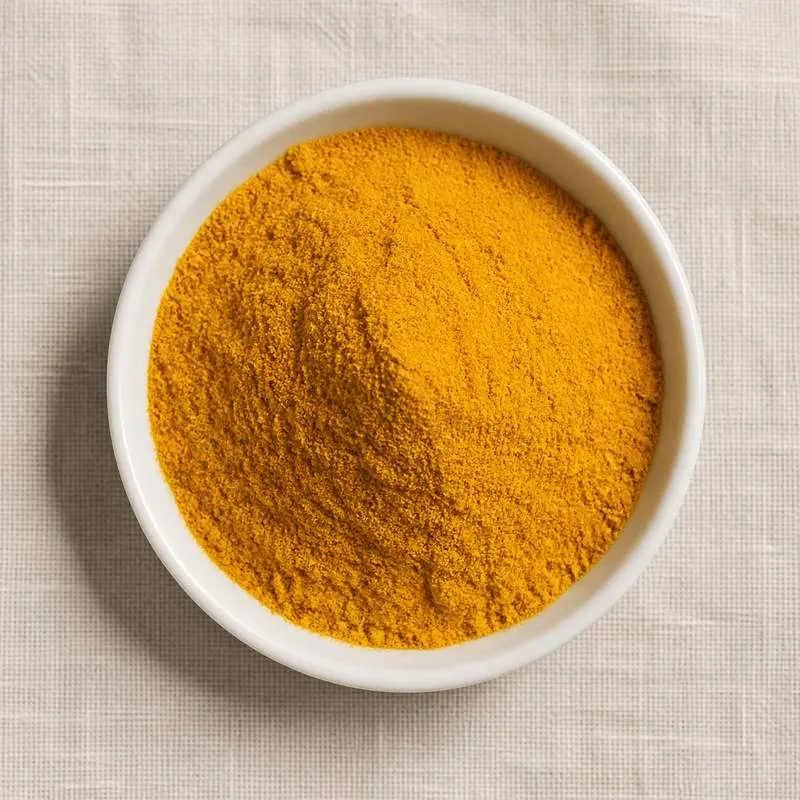
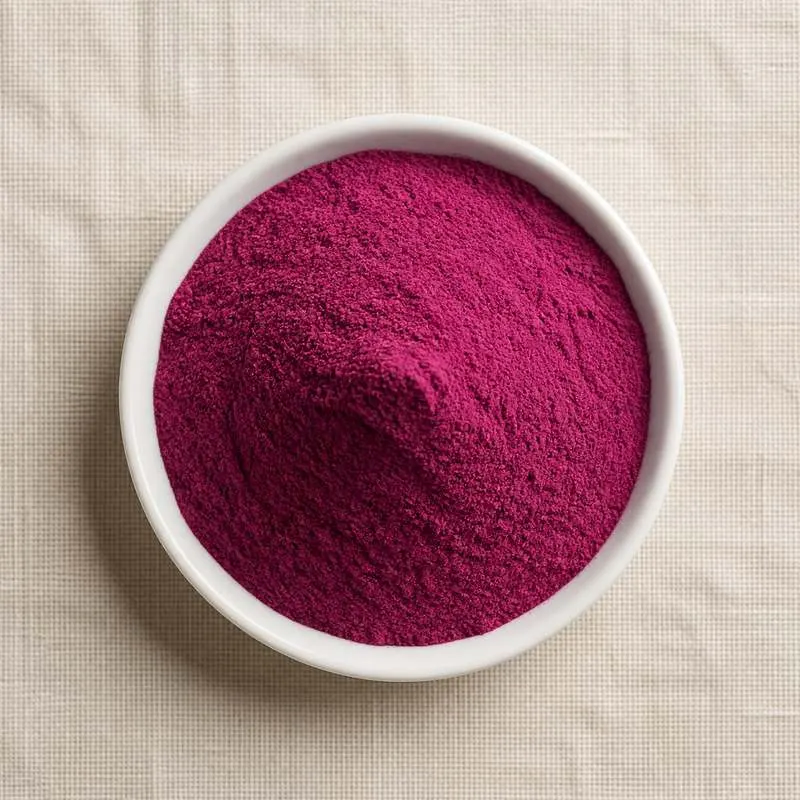
Standardised grades carry 25 to 35 percent total anthocyanins, with the profile dominated by four delphinidin and cyanidin glycosides. The extract appears as a deep purple-black free-flowing powder with a slightly tart berry note.
We source bulk Black Currant Extract from top China manufacturers for our partners. The manufacturer is in Shaanxi. A smaller requirement can ship in a combined container with other ingredients.
Please send the grade you need, the volume and your destination port, and we will come back with a solution and a price.
or call +86-21-6858 0751
- Packaging
- 25 kg fibre drum with double PE liner
- ISO 9001
- HACCP
- Halal
- Kosher
Specifications
Grades / Types Available: Food Grade, Pharmaceutical Grade
| Item | Specification |
|---|---|
| Appearance | Dark purple-red fine powder |
| Anthocyanins (UV) | ≥25% |
| Moisture | ≤5.0% |
| Ash | ≤5.0% |
| Extraction Solvent | Ethanol / water |
| Ratio | 10:1 to 50:1 |
| Particle Size (80 mesh) | ≥95% |
| Heavy Metals (as Pb) | ≤2 mg/kg |
| Pesticide Residues | Complies |
| Total Plate Count | ≤10,000 cfu/g |
| Salmonella | Absent in 25g |
| Purity (Food Grade) | ≥ 25% Anthocyanins |
| Moisture/Loss on Drying | ≤ 5% |
| pH | 3.0 - 4.5 |
| Lead | ≤ 1 ppm |
| Arsenic | ≤ 0.5 ppm |
| Yeast & Mold | ≤ 100 cfu/g |
Common Markets Grades
The range covers several anthocyanin levels and formats.
Juice powders and 4:1 native concentrates carry 1 to 5 percent anthocyanins and retain the fruit's natural sugar and acid balance. These are suited to beverage and confectionery use.
Standardised supplement grades step through 10, 15, 25, and 35 percent total anthocyanins by UV-Vis pH-differential assay, with HPLC quantification of the four signature glycosides (delphinidin-3-glucoside, delphinidin-3-rutinoside, cyanidin-3-glucoside, and cyanidin-3-rutinoside).
Seed-oil and seed-meal products are produced separately for their gamma-linolenic acid content. A press-cake polyphenol concentrate is also offered as a value byproduct of juice processing.
Organic-certified, tableting, and water-soluble beverage grades round out the catalog.
Applications
- Eye and vision support supplements, often combined with bilberry and lutein
- Sports performance and recovery products targeting blood flow and oxygen kinetics
- Cardiovascular and microvascular health blends
- Functional beverages, juices, cordials, and ready-to-drink antioxidant shots
- Confectionery: gummies, pastilles, fruit jellies, and hard candies
- Bakery fillings, dairy swirls, yogurt, and frozen desserts
- Immune-support and vitamin C combination supplements
- Cosmetic serums and creams claiming antioxidant skin defense
- Natural colour in low-pH beverages and confectionery applications
- Senior-nutrition powders and antioxidant capsule blends
- Pet supplements for senior cognitive and antioxidant support
- Pharmaceutical preparations under traditional herbal monographs in Europe
Brands Using Black Currant Extract
Widely-distributed consumer products that list Black Currant Extract on the ingredient label.
- NOW FoodsBlack Currant Oil 500 mg Softgels ↗Softgels supplying 500 mg hexane-free, expeller-pressed black currant (Ribes nigrum) seed oil at about 14% GLA.Label verified 2026-05-24
- NOW FoodsBlack Currant Oil Double Strength 1000 mg Softgels ↗NOW Foods' official double-strength 1000 mg black currant oil page sells softgels providing 140 mg GLA from Ribes nigrum seed oil for essential omega-3 and omega-6 EFA support.Label verified 2026-05-24
- Biotics ResearchBlackcurrant Seed Oil Softgels ↗Softgels supplying 535 mg blackcurrant (Ribes nigrum) seed oil with 80 mg GLA plus ALA, linoleic and oleic acids.Label verified 2026-05-24
- DaVinci LabsBlack Currant Seed Oil Softgels ↗Softgels of black currant seed oil, a source of GLA and ALA.Label verified 2026-05-24
Brand names, product names and logos are the property of their owners. They appear here as published evidence that the ingredient is used, taken from the brand's own label or website. Their appearance is not an endorsement, and it does not mean the brand buys from us or from any manufacturer listed on this site.
China Manufacturers of Black Currant Extract
Top Black Currant Extract manufacturers in China.
Company names and logos are the property of the manufacturers themselves. They are listed here because our own directory records them as producing this ingredient. A listing is not an endorsement by them, and we do not represent them or speak on their behalf.
How We Help Source Black Currant Extract
Direct Factory Sourcing
We run the whole process: selecting the manufacturer from the top Chinese food ingredient producers, negotiating the price, verifying quality, and coordinating the logistics. You deal with us instead of with several factories at once.
Original Packaging and Documents from the Manufacturer
The manufacturer sends your Black Currant Extract out of its own factory in the original packing, through to your destination port. The COA, COO, MSDS, TDS and any certifications reach you from the manufacturer as well.
Free Samples and Lead Time
We send 100 to 500 g free for your own laboratory to test and you cover only the courier, usually within 2 to 3 working days. ETD is usually within 7 to 15 days once the order is confirmed, and we check that date against the factory's own manufacturing schedule before we give it to you.
Combined Shipment
We can load Black Currant Extract together with other ingredients such as Astaxanthin, Dehydrated Garlic and Lutein into one 20' FCL. If your quantity is small, we can also ship LCL.
Regulatory Status
Black Currant Extract is widely accepted as a food and supplement ingredient.
In the European Union the berry and its derivatives have a long history of food use. Black currant leaf is the subject of a Committee on Herbal Medicinal Products monograph, while fruit-derived material is generally treated as a conventional food ingredient.
The United States treats black currant fruit and its juice as GRAS by food history. Standardised extracts are sold as dietary supplements under DSHEA.
Japan accepts black currant anthocyanins under the Foods with Function Claims framework, with vision and eye-fatigue endpoints among the notified claims. New Zealand has built a substantial export industry around the country's high-anthocyanin cultivars.
The INCI name for cosmetic use is Ribes Nigrum Fruit Extract. Organic, Kosher, and Halal certifications are routinely available.
Manufacturing Process
Black currants are mechanically harvested in mid to late summer and either pressed for juice or frozen for later extract production. Most large processors run an integrated model where juice is recovered first and the residual pomace is processed for high-value anthocyanin extract.
The pomace, which still carries the bulk of the skin pigment, is dried, milled, and extracted with food-grade aqueous ethanol. The crude extract is filtered, decolorised as needed, and passed through macroporous resin columns to enrich the anthocyanin fraction.
The bound fraction is desorbed with acidified ethanol, vacuum-concentrated, blended with maltodextrin or gum arabic, and spray-dried under controlled conditions. Final product carries 25 to 35 percent total anthocyanins.
Lot release covers UV-Vis anthocyanin assay, HPLC fingerprinting of the four major glycosides, heavy metals, pesticide residues, and microbiology. The characteristic 2:2 split between delphinidin and cyanidin glycosides, and the 1:1 split between glucoside and rutinoside forms, is a strong authentication marker.