Black Dry Malt Extract
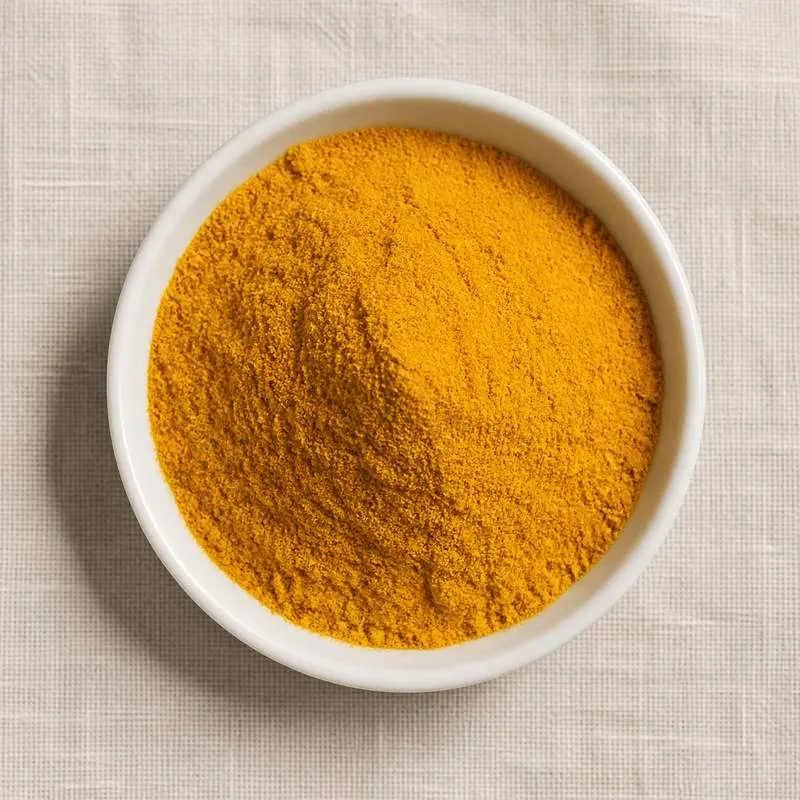
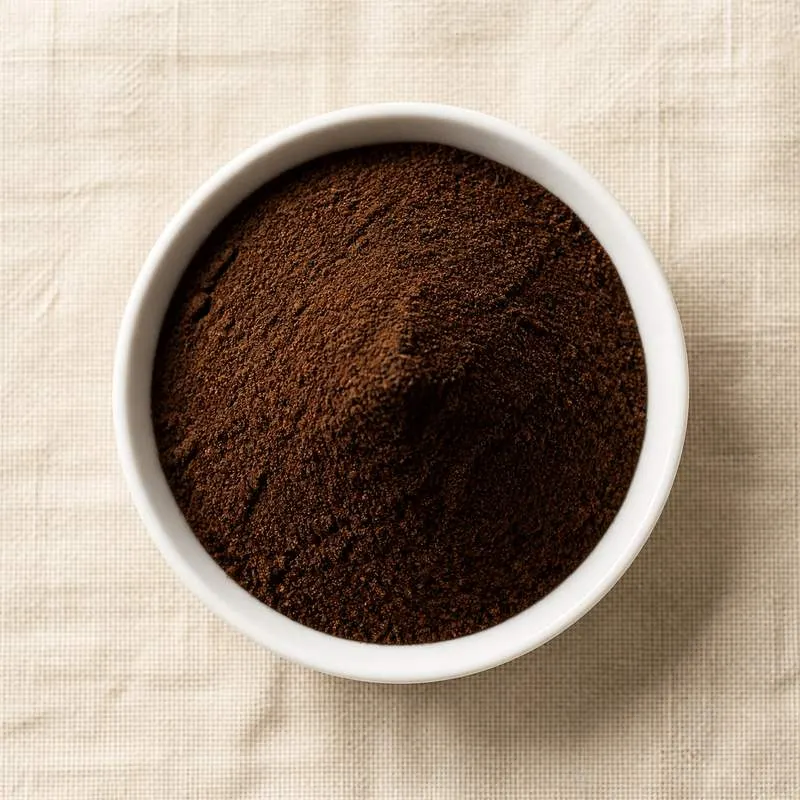
Black Dry Malt Extract is a dehydrated powder produced from heavily roasted dark malt wort. It delivers an intense roasted malt flavour and a deep ebony colour in a free-flowing dry format.
The starting material is a blend dominated by black patent malt and roasted barley, mashed and concentrated to wort and then spray- or roller-dried to a powder of 96 to 97 percent solids.
It is the format chosen when a baker, brewer, or confectioner wants the burnt-toast, coffee-like, dark-chocolate character of roasted malt in a dry, weighable, shelf-stable form.
We source bulk Black Dry Malt Extract from top China manufacturers for our partners. The manufacturer is in Guangdong. A smaller requirement can ship in a combined container with other ingredients.
Please send the grade you need, the volume and your destination port, and we will come back with a solution and a price.
or call +86-21-6858 0751
- Packaging
- 25 kg fibre drum with double PE liner
- ISO 9001
- HACCP
- Halal
- Kosher
Specifications
Grades / Types Available: Food Grade, Feed Grade
| Item | Specification |
|---|---|
| Appearance | Dark brown to black free-flowing powder |
| Moisture | ≤4.0% |
| Total Sugars (maltose basis) | ≥70% |
| Colour (EBC) | 500–2000 |
| Protein | 4–8% |
| pH (10% sol.) | 4.5–6.0 |
| Ash | ≤2.5% |
| Solubility | Fully soluble in water |
| Heavy Metals (as Pb) | ≤2 mg/kg |
| Total Plate Count | ≤10,000 cfu/g |
| Salmonella | Absent in 25g |
| Purity/Assay (Food Grade) | ≥ 80% |
| Moisture/Loss on Drying | ≤ 5% |
Common Markets Grades
Black DME is graded by colour depth and roast character.
Standard black DME runs at 400 to 600 °L (about 1,100 to 1,600 EBC) and carries the assertive roasted bitterness familiar from dry stouts and porters.
De-bittered (or de-husked) black DME is built from kilned grain that has had the husk removed before roasting. It delivers a similar dark colour with a smoother, less astringent profile, well-suited to schwarzbier and dark lager applications where harsh roast is unwanted.
Chocolate DME is a slightly lighter roast (250 to 400 °L) sitting between dark amber and full black, with cocoa and dried-fruit notes.
Custom roast blends combining black patent, roasted barley, chocolate malt, and crystal malt fractions are routinely produced to a target colour and flavour specification for industrial customers.
Applications
- Home-brew and craft-brew dry kits for porters, stouts, schwarzbier, and dark ales
- Colour and flavour adjuncts in commercial dark-beer recipes
- Dark bread doughs including pumpernickel, rye, and German-style black bread
- Bagel and pretzel doughs targeting a deep mahogany crust
- Cookie, biscuit, and brownie premixes for natural dark colour without cocoa
- Confectionery applications: dark caramels, malt-stout truffles, and licorice blends
- Coffee and mocha drink-mix bases for added body and roasted depth
- Ice cream and frozen-dessert mix-ins for stout and porter flavour profiles
- Sauce and glaze bases for barbecue, steak, and roasted-meat applications
- Pet treat and biscuit dry blends for colour development
Brands Using Black Dry Malt Extract
Widely-distributed consumer products that list Black Dry Malt Extract on the ingredient label.
- BriessCBW Traditional Dark DME ↗Dark roasted dry malt extract; blend of base malt, 54% Munich 10L, 13% caramel 60L and 3% Black Malt; used for stouts, porters and dark ales.Label verified 2026-05-24
- MuntonsSpraymalt Extra Dark DME ↗Deeply roasted English dry malt extract (~90 EBC) made from 100% barley malt; used for porters, stouts and brown ales.Label verified 2026-05-24
Brand names, product names and logos are the property of their owners. They appear here as published evidence that the ingredient is used, taken from the brand's own label or website. Their appearance is not an endorsement, and it does not mean the brand buys from us or from any manufacturer listed on this site.
China Manufacturers of Black Dry Malt Extract
Top Black Dry Malt Extract manufacturers in China.
Company names and logos are the property of the manufacturers themselves. They are listed here because our own directory records them as producing this ingredient. A listing is not an endorsement by them, and we do not represent them or speak on their behalf.
How We Help Source Black Dry Malt Extract
Direct Factory Sourcing
We run the whole process: selecting the manufacturer from the top Chinese food ingredient producers, negotiating the price, verifying quality, and coordinating the logistics. You deal with us instead of with several factories at once.
Original Packaging and Documents from the Manufacturer
The manufacturer sends your Black Dry Malt Extract out of its own factory in the original packing, through to your destination port. The COA, COO, MSDS, TDS and any certifications reach you from the manufacturer as well.
Free Samples and Lead Time
We send 100 to 500 g free for your own laboratory to test and you cover only the courier, usually within 2 to 3 working days. ETD is usually within 7 to 15 days once the order is confirmed, and we check that date against the factory's own manufacturing schedule before we give it to you.
Combined Shipment
We can load Black Dry Malt Extract together with other ingredients such as Astaxanthin, Dehydrated Garlic and Lutein into one 20' FCL. If your quantity is small, we can also ship LCL.
Regulatory Status
Black Dry Malt Extract is regulated identically to other malt extract forms.
In the United States it falls under the GRAS designation for malt syrup and malt extract at 21 CFR 184.1443.
In the European Union it is a conventional food ingredient. The barley origin requires gluten-containing cereal allergen labelling under Regulation (EU) No 1169/2011.
Acrylamide formation is the principal compositional concern for very dark roasted malts. Modern production controls roast temperature and time profiles to keep acrylamide within the indicative values set by EU Commission Regulation 2017/2158 for malt-based ingredients.
Manufacturing Process
Production starts with the roasted-malt grist. Black patent malt is kilned at 220 to 230 °C until the kernel reaches a deep black colour throughout. Roasted barley (unmalted) is processed similarly and contributes a sharper coffee note.
The roasted grist is milled and mashed with hot water. Because heavily roasted malt has lost most of its enzyme activity, a small fraction of pale base malt is included in the grist to supply the alpha- and beta-amylase needed for starch conversion.
The dark wort is lautered, then concentrated under vacuum at 50 to 60 °C in the same falling-film evaporator used for pale extract production. The concentration step deepens colour further through controlled Maillard browning.
The concentrated dark syrup is spray-dried at 160 to 200 °C inlet temperature into a free-flowing dark brown to near-black powder, then cooled in a fluid-bed conditioner.
The finished powder is hygroscopic and packed in moisture-barrier laminated bags with desiccant. The dark colour and roasted volatiles are stable in dry storage but will fade and oxidise once the powder has taken up moisture.