Beta-Amylase
Beta-Amylase is an exo-acting carbohydrase that cleaves successive maltose units from the non-reducing ends of starch, glycogen, and related α-1,4-glucan chains.
The enzyme is classified as EC 3.2.1.2 and produces β-maltose with inverted stereochemistry. It is the standard saccharifying enzyme in the malt-based brewing and grain-syrup industries.
We source bulk Beta-Amylase from top China manufacturers for our partners. The manufacturer is in Guangdong. A smaller requirement can ship in a combined container with other ingredients.
Please send the grade you need, the volume and your destination port, and we will come back with a solution and a price.
or call +86-21-6858 0751
- Packaging
- 20 kg fibre drum with double PE liner
- ISO 9001
- HACCP
- Halal
- Kosher
Specifications
| Item | Specification |
|---|---|
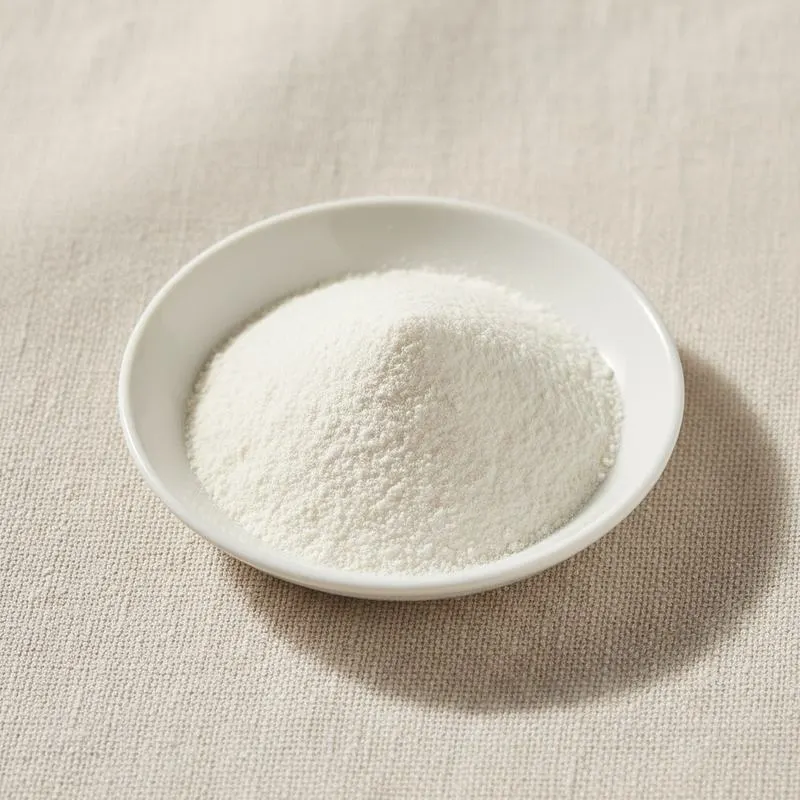
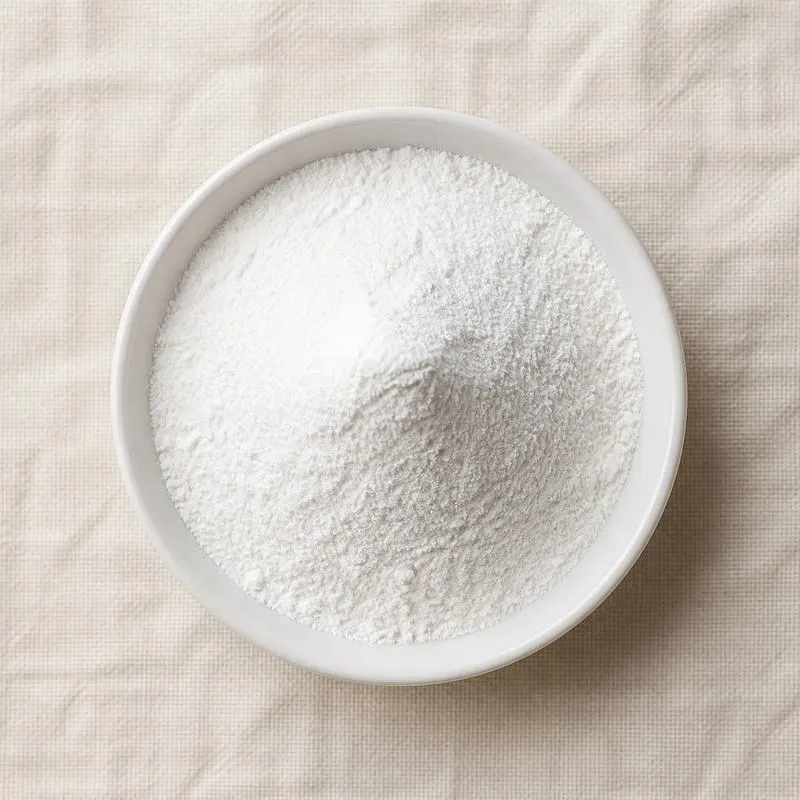
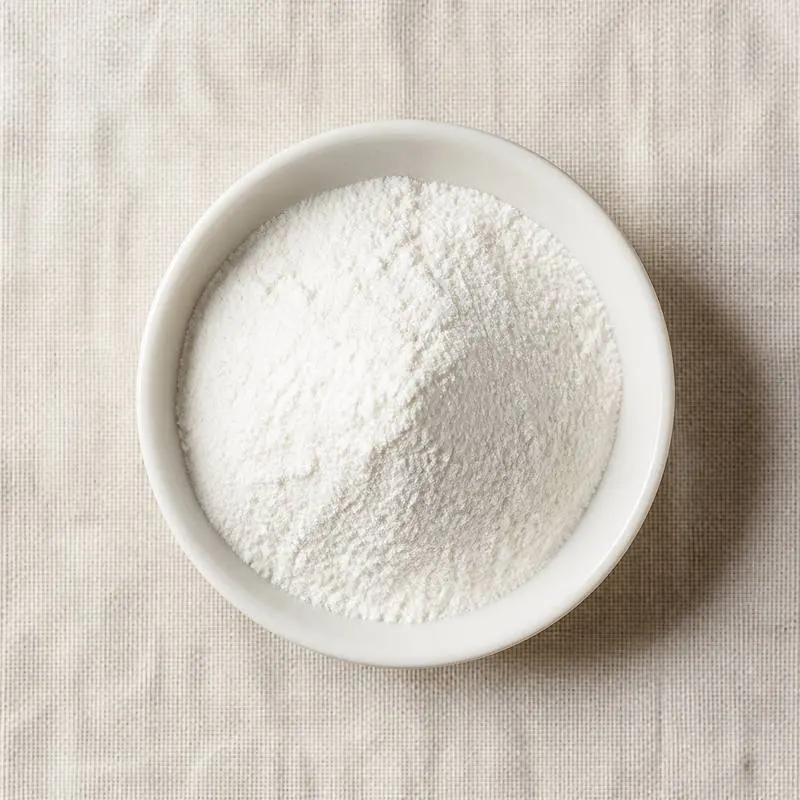
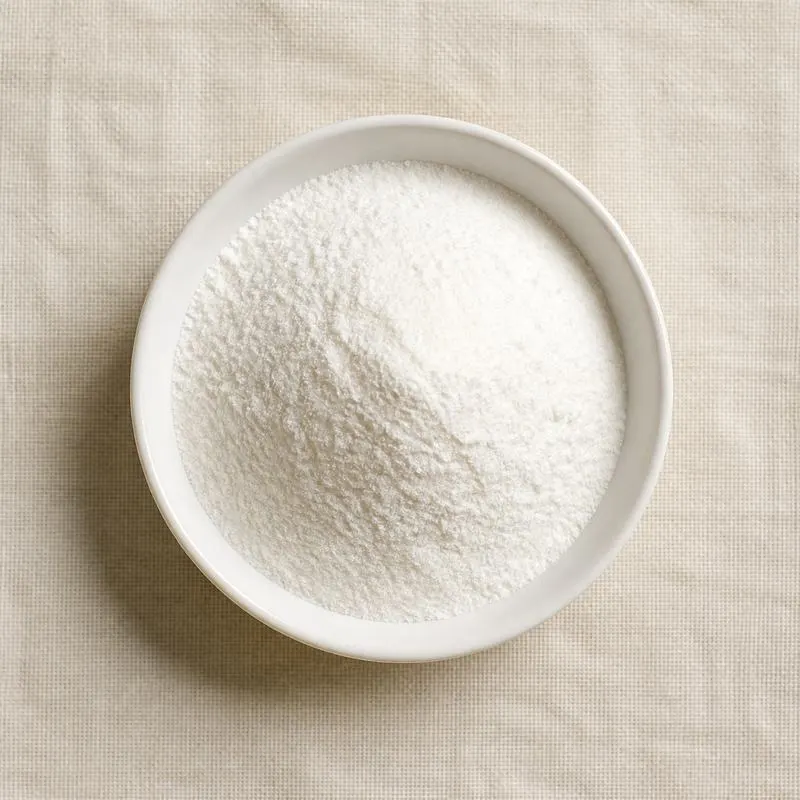
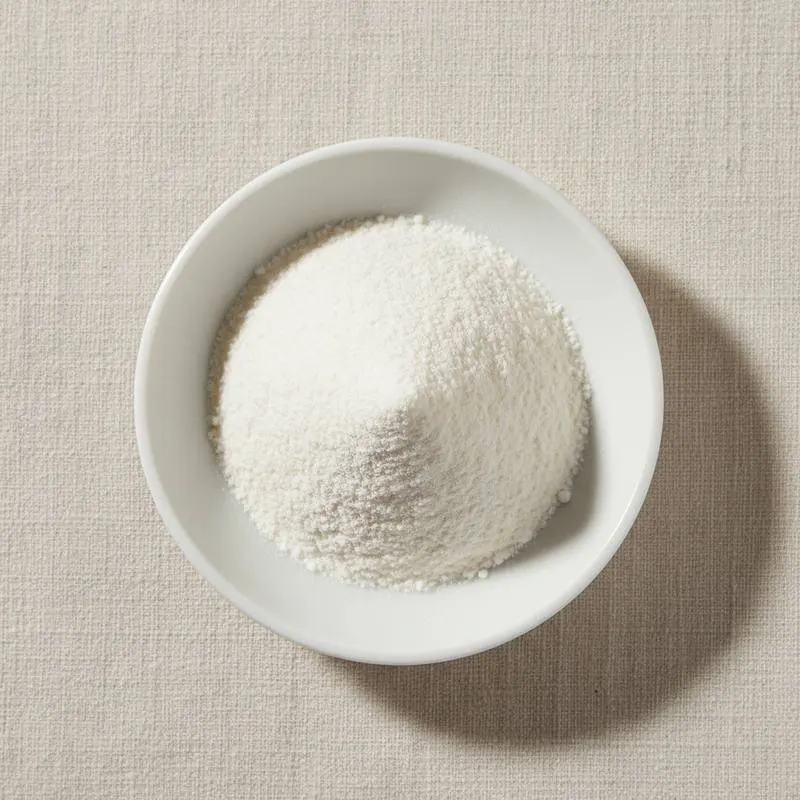
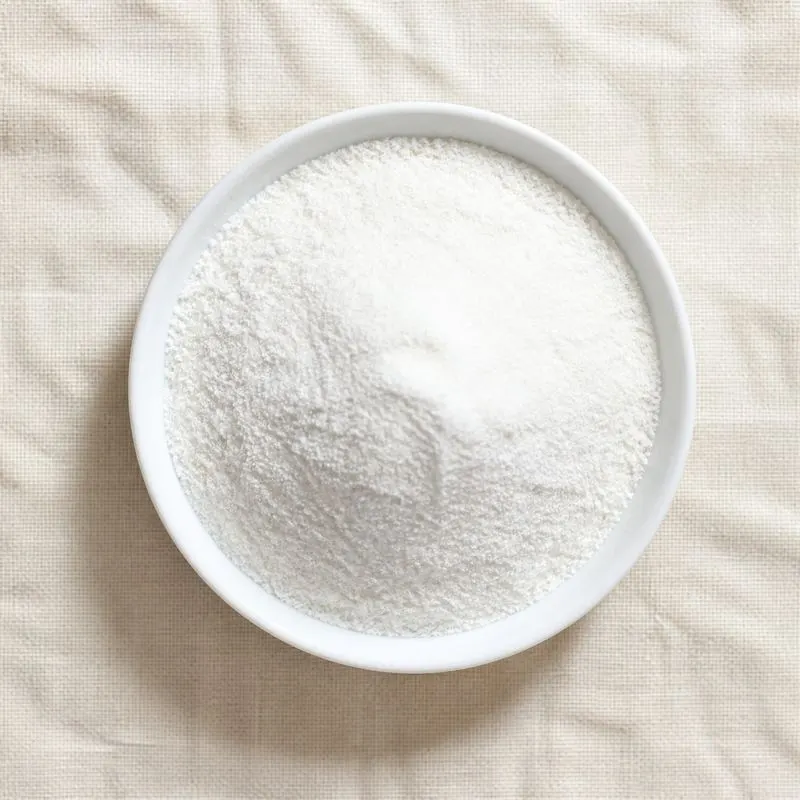
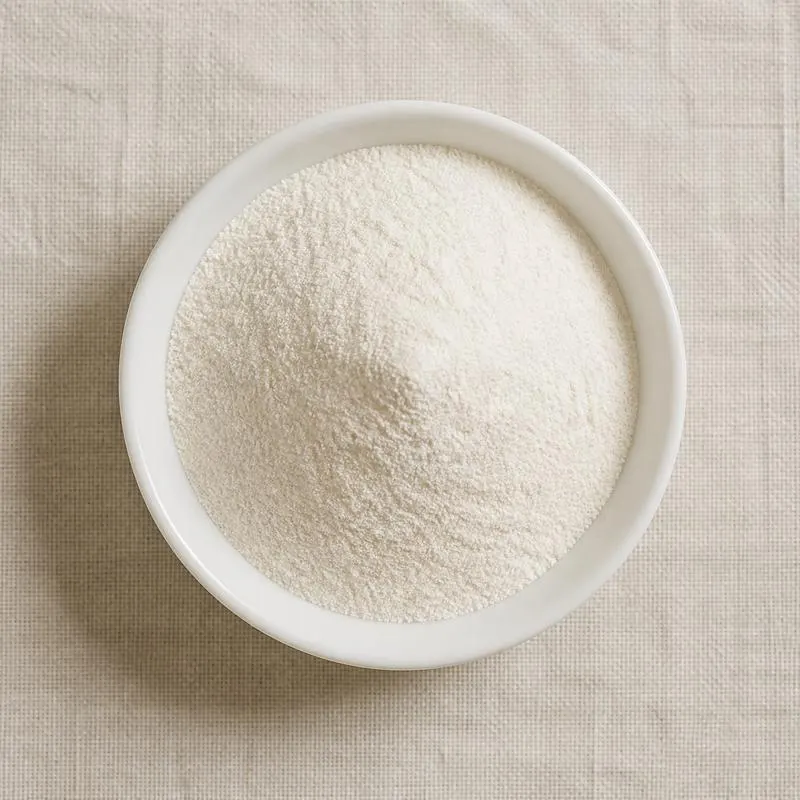
| Appearance | Light brown to tan powder or amber liquid |
| Enzyme Activity | ≥ 1,500 DP°/g (powder); ≥ 400 DP°/g (liquid) |
| Loss on Drying | ≤ 8.0% (powder) |
| pH (1% solution) | 5.0–7.0 |
| Optimum pH | 4.5–6.0 |
| Optimum Temperature | 50–65 °C |
| Heavy Metals (as Pb) | ≤ 10 mg/kg |
| Lead (as Pb) | ≤ 2 mg/kg |
| Arsenic (as As) | ≤ 1 mg/kg |
| Total Plate Count | ≤ 50,000 CFU/g |
| Coliforms | ≤ 30 MPN/g |
| E. coli | Negative/25g |
| Salmonella | Negative/25g |
Common Markets Grades
Three source grades of Beta-Amylase are traded: malt, plant, and microbial.
Malt-derived powders standardised to 1500 to 3000 DP° (degrees of diastatic power) serve brewing, distilling, and traditional maltose-syrup plants.
Soybean and barley extract grades at 50000 to 120000 U/g are used for high-purity maltose syrup and pharmaceutical-grade maltose production.
Microbial grades from Bacillus species offer better thermal stability up to 60 °C and come as liquid concentrates at 5000 to 20000 U/mL for industrial saccharification lines.
Food-grade material is typically free of pullulanase and isoamylase side activities, while debranching-blended versions are produced separately for high-maltose syrup operations.
Applications
- High-maltose syrup production from corn, wheat, tapioca, and rice starch
- Brewing mash conversion alongside alpha-amylase for fermentable sugar development
- Distilling wort preparation for whisky, shochu, and grain spirit fermentation
- Bakery dough improvement to increase fermentable sugar and crust browning
- Maltose crystallisation feedstock for confectionery and pharmaceutical use
- Pre-digested infant cereal and clinical nutrition substrates
- Traditional rice malt syrup (mizuame) and grain-based sweetener manufacture
- Production of maltitol via downstream hydrogenation of high-maltose syrup
- Saccharification of soluble starch in fermentation media for microbial cell culture
China Manufacturers of Beta-Amylase
Top Beta-Amylase manufacturers in China.

Company names and logos are the property of the manufacturers themselves. They are listed here because our own directory records them as producing this ingredient. A listing is not an endorsement by them, and we do not represent them or speak on their behalf.
How We Help Source Beta-Amylase
Direct Factory Sourcing
We run the whole process: selecting the manufacturer from the top Chinese food ingredient producers, negotiating the price, verifying quality, and coordinating the logistics. You deal with us instead of with several factories at once.
Original Packaging and Documents from the Manufacturer
The manufacturer sends your Beta-Amylase out of its own factory in the original packing, through to your destination port. The COA, COO, MSDS, TDS and any certifications reach you from the manufacturer as well.
Free Samples and Lead Time
We send 100 to 500 g free for your own laboratory to test and you cover only the courier, usually within 2 to 3 working days. ETD is usually within 7 to 15 days once the order is confirmed, and we check that date against the factory's own manufacturing schedule before we give it to you.
Combined Shipment
We can load Beta-Amylase together with other ingredients such as Transglutaminase, Nattokinase and Bromelain into one 20' FCL. If your quantity is small, we can also ship LCL.
Regulatory Status
Beta-Amylase is recognised as a processing aid in starch hydrolysis and brewing in most regulated food markets.
JECFA has evaluated beta-amylase from barley, soybean, and microbial sources and assigned an ADI not specified. The EU lists beta-amylase as a permitted enzyme for use under regulation 1332/2008.
The U.S. FDA recognises plant-derived beta-amylase as GRAS, with microbial grades cleared under the Food Chemicals Codex and individual GRAS notices.
Halal and Kosher certifications are routinely available for plant and microbial grades. Allergen labelling is required for soybean-extract material.
Manufacturing Process
Plant-source beta-amylase is recovered from germinated barley malt or from defatted soybean meal by aqueous extraction at neutral pH and low temperature.
The crude extract is clarified by filtration or centrifugation, then concentrated by ultrafiltration. Selective precipitation with ammonium sulphate or food-grade salts removes accompanying proteins.
Microbial grades are produced by submerged fermentation of Bacillus polymyxa, Bacillus cereus, or related strains. After cell removal the broth is concentrated, purified by ion exchange, and standardised on lactose, maltodextrin, or sodium chloride carriers.
The finished preparation is stabilised with glycerol or sorbitol for liquid grades, or spray-dried into a free-flowing powder.